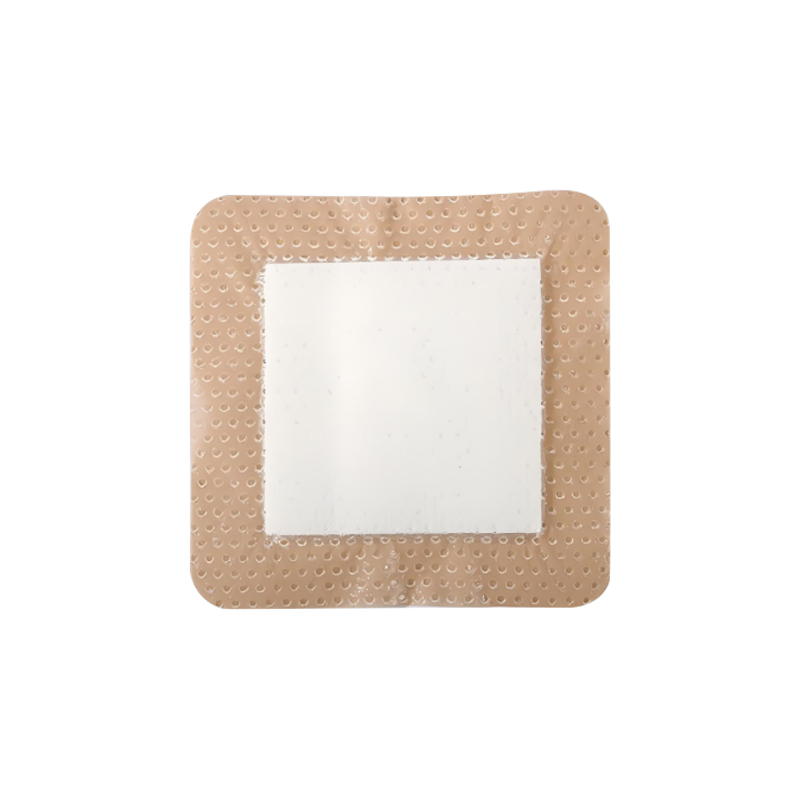
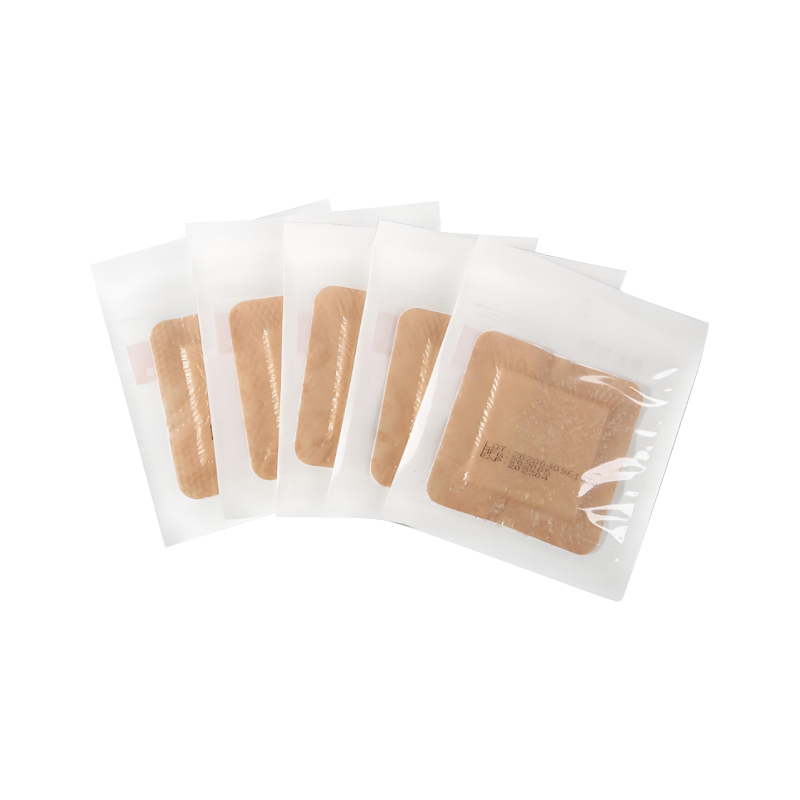
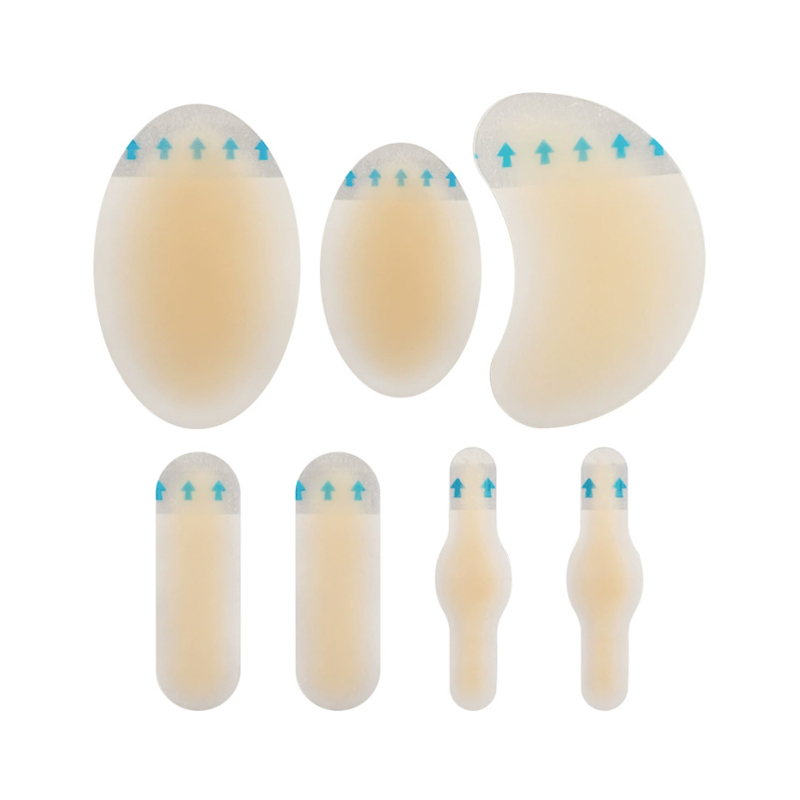
Characteristic:
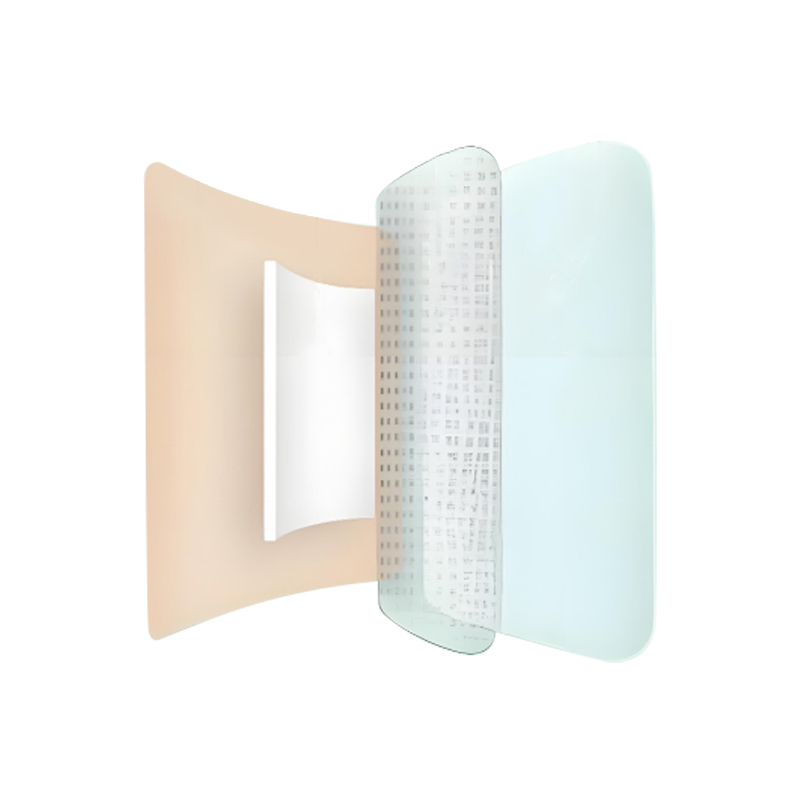
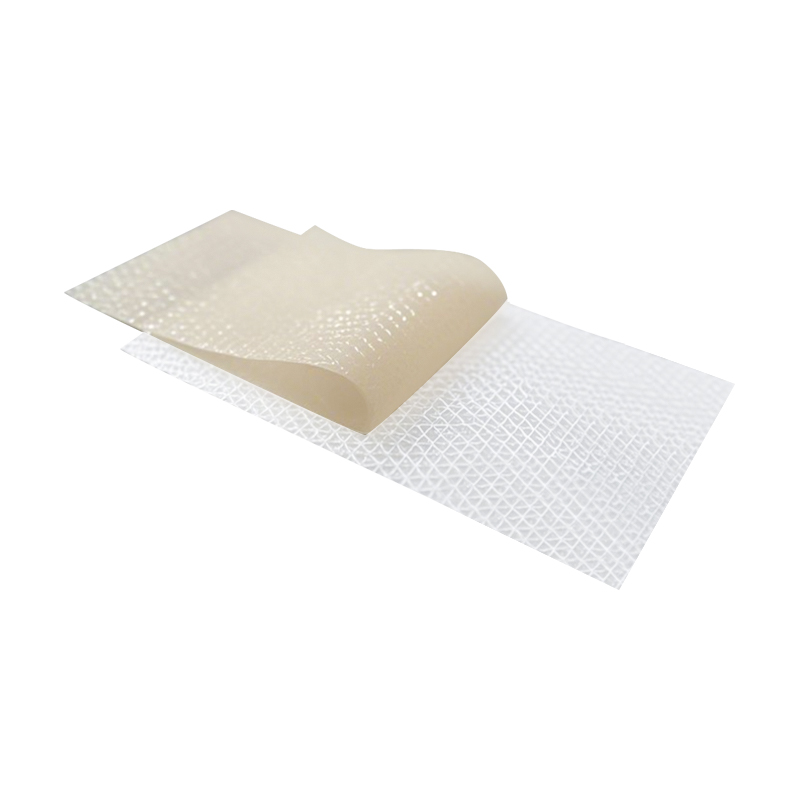
1. Low adhesion: The silicone layer is not easily adhered when in contact with wounds, reducing secondary damage during dressing changes and suitable for new tissues or sensitive wounds.
2. Efficient absorption and fluid locking: The foam layer can quickly absorb a large amount of exudate (such as blood, tissue fluid), keep the wound moderately wet, and avoid excessive drying or immersion.
3. Breathable and Waterproof: The breathable structure allows for oxygen exchange, promoting healing; The outer layer often has a waterproof film to prevent external pollution and is suitable for daily activities or bathing.
4. Pressure buffering and protection: soft foam provides physical buffering, reduces friction and compression, and is applicable to the prevention of pressure sore at the bone process (such as heel, sacrococcygeal).
5. Scar formation: Silicone components can inhibit excessive proliferation of fibroblasts, reduce the risk of keloids or hypertrophic scars, and are commonly used in postoperative incisions or burn healing periods.
6. Gentle adhesion: The edge is made of low sensitivity adhesive, which is stable and not easy to cause skin irritation, suitable for long-term use.
Application scenarios:
1. Chronic and difficult to heal wounds
Pressure ulcers (stages): Absorb exudate, relieve pressure, and promote ulcer repair in stages II-IV.
Diabetes foot ulcer: maintain a humid environment and reduce the risk of infection.
Venous ulcer: Combined with pressure therapy to accelerate healing.
2. Acute trauma
Postoperative incision: protect the suture site, reduce scar hyperplasia, especially in plastic surgery or joint surgery.
Burn/scald: Used for shallow second degree wounds to reduce pain and promote epithelialization.
Scratch/tear injury: Quickly absorb exudate to prevent adhesion.
3. Special nursing needs
Skin transplantation/donor site: protects fragile newborn skin and reduces graft displacement.
Skin damage after radiotherapy: Relieve radiation-induced dermatitis and promote repair.
Children or sensitive skin patients: low irritation, suitable for people with weak skin barriers.

 English
 中文简体
中文简体 日本語
日本語 عربى
عربى русский
 Español