
 English
 中文简体
中文简体 日本語
日本語 عربى
عربى русский
 Español
News
Xindi can provide customers with personalized, high-quality products and services to meet the needs of different markets and customers.
A blister is one of the body's simplest defense mechanisms, yet it can turn a normal day into an uncomfortable ordeal if left untreated. Whether caused by friction from new shoes, a burn, or repetitive rubbing during sports, blisters need the right kind of protection to heal properly. This is where a dressing patch becomes an essential tool. Unlike a standard adhesive bandage, a purpose-built dressing patch is designed to cushion, protect, and support the healing process of a blister from the moment it forms until the skin underneath fully recovers.
Content
A blister forms when friction, heat, or pressure causes the upper layers of skin to separate, allowing fluid to collect in the pocket between them. This fluid cushions the underlying tissue while new skin regenerates. Although a blister is technically the body's own protective bandage, the roof of skin covering it is fragile and can tear easily, exposing raw tissue underneath to bacteria and further irritation.
Improper care of a blister, such as leaving it uncovered or repeatedly rubbing it against clothing or footwear, can lead to infection, prolonged healing time, and scarring. A dressing patch addresses these risks directly by creating a barrier between the wound and the outside environment, reducing friction, and maintaining a moist healing environment that studies have shown speeds up tissue repair compared to leaving a wound dry and exposed.
A dressing patch is a specialized adhesive covering designed to protect a wound while promoting an optimal healing environment. Unlike basic bandages made of woven fabric, many dressing patches use hydrocolloid or gel-based materials that absorb excess fluid from the blister while keeping the surrounding skin dry and intact.
Most quality dressing patches used for blister treatment share a few defining features. The outer layer is typically waterproof or water-resistant, preventing dirt and bacteria from entering while allowing the wearer to wash or shower without removing the patch. The inner layer, often made from hydrocolloid gel, absorbs wound exudate and forms a soft cushion that reduces pain when pressure is applied to the area. The adhesive border seals the edges to keep the patch firmly in place, even during physical activity.
As the patch absorbs fluid from the blister, it swells slightly and forms a soft gel-like cushion directly over the wound. This cushioning effect not only reduces pain from pressure and friction but also protects the newly forming skin cells underneath from being disturbed. Many patches are designed to stay in place for several days, minimizing the need for frequent changes that could disrupt the healing tissue.
Not all dressing patches are created equal, and selecting the right type depends on the location, size, and stage of the blister. The table below outlines common patch types and their best use cases.
| Patch Type | Best For | Key Benefit |
| Hydrocolloid Patch | Intact or newly popped blisters | Absorbs fluid, cushions pressure points |
| Gel Cushion Patch | Heels and pressure-heavy areas | Extra padding for high-impact zones |
| Waterproof Film Patch | Athletes and active individuals | Stays secure during sweating or bathing |
| Fabric Adhesive Patch | Small or early-stage blisters | Breathable, flexible daily protection |
For blisters on the toes or between fingers, a smaller, more flexible patch is preferable, while larger patches with reinforced edges work better for heels or the balls of the feet, where pressure is greatest during walking or running.
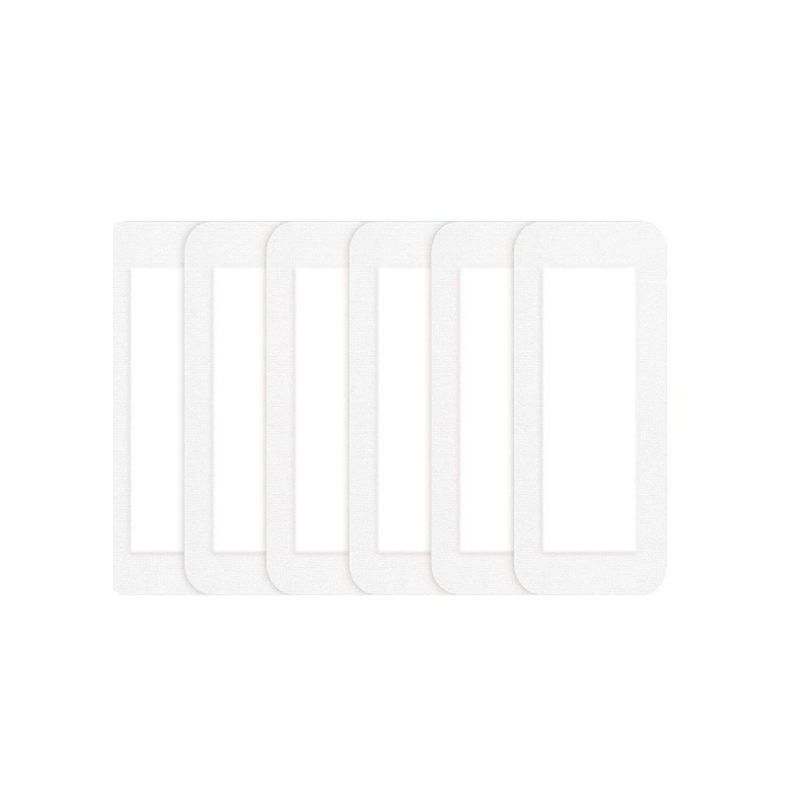
Correct application significantly affects how well a dressing patch performs. Following a consistent process helps ensure the patch adheres properly and the wound heals without complications.
Even with a good quality patch, improper use can slow healing or increase discomfort. One frequent mistake is applying a patch to a dirty or wet surface, which weakens the adhesive and traps bacteria underneath. Another common error is removing the patch too early out of curiosity to check on healing progress, which disrupts the moist environment the patch has created and can restart the healing process.
People also sometimes choose a patch that is too small, leaving part of the blister exposed to friction. Additionally, popping a blister unnecessarily before applying a patch increases the risk of infection; in most cases, it is safer to let the patch manage fluid absorption naturally rather than draining the blister manually.
While most blisters heal well with a dressing patch and basic home care, certain signs indicate a need for professional evaluation. Increasing redness, warmth, swelling, or pus around the blister may signal an infection that requires medical treatment. Individuals with diabetes or circulatory conditions should be especially cautious, as their bodies may heal more slowly and are more prone to complications from even minor skin injuries.
A fever accompanying a blister, or a wound that fails to improve after a week of consistent dressing changes, also warrants a visit to a healthcare provider. In these cases, a dressing patch should be used as supportive care alongside professional guidance rather than a substitute for medical treatment.
Prevention remains the most effective strategy, and many of the same principles that guide blister treatment also apply to avoiding them altogether. Consider the following practical habits.
A dressing patch is far more than a simple cover for an uncomfortable wound. When chosen and applied correctly, it actively supports the skin's natural healing process, reduces pain, and lowers the risk of infection. By understanding the different patch types available, following proper application steps, and recognizing when professional care is needed, anyone dealing with a blister can manage it confidently and comfortably from start to finish.
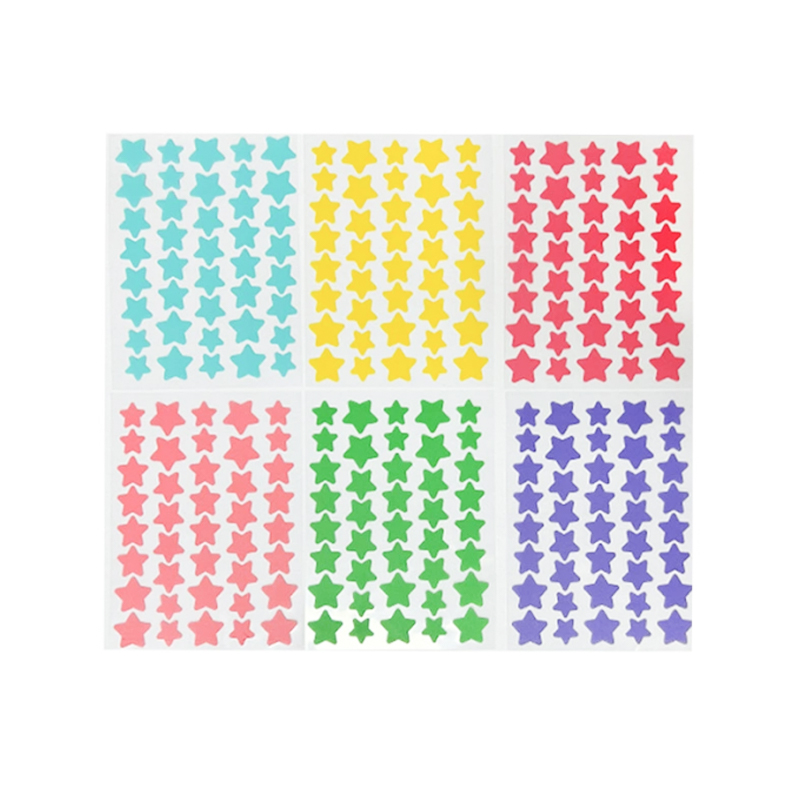 Absorbent, Moisturizing And Non-Irritating Hydrocolloid Acne Patch
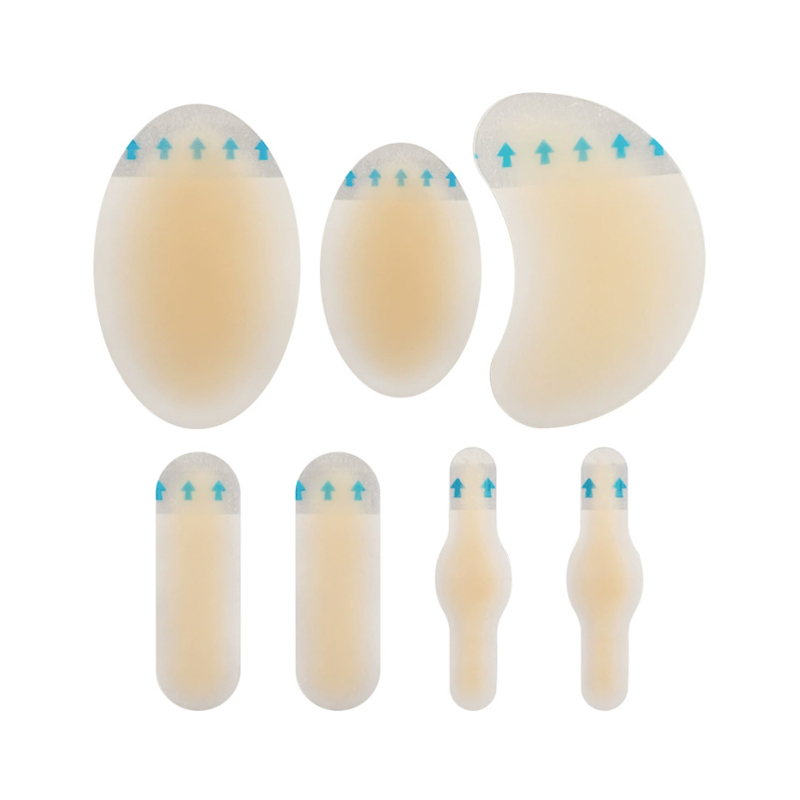 Cushioning, Pressure Reducing, Breathable And Comfortable Heel Patch
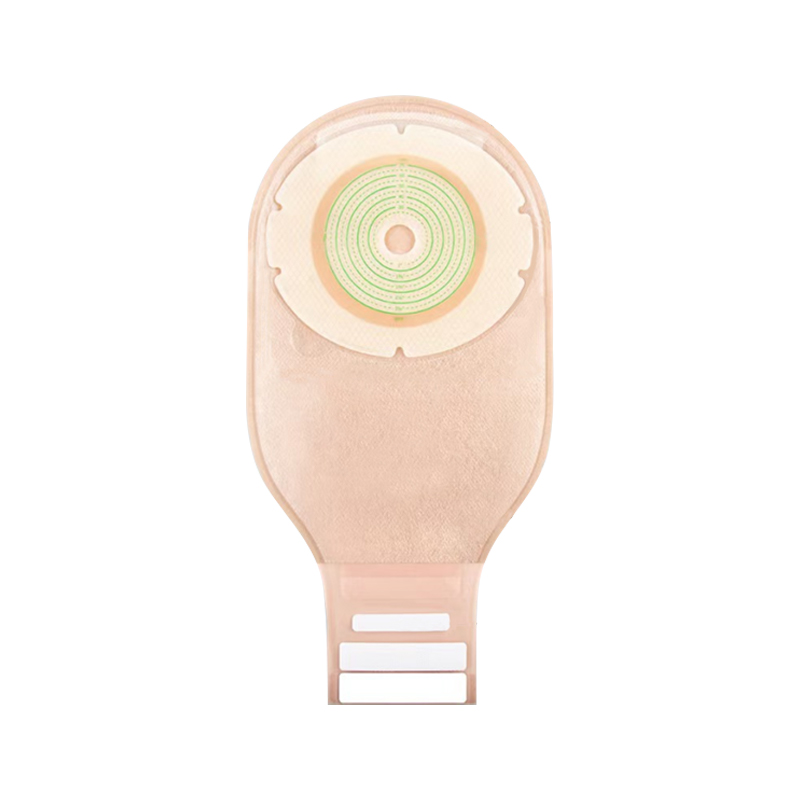 Soft Waterproof and Odor Control Ostomy Pouch
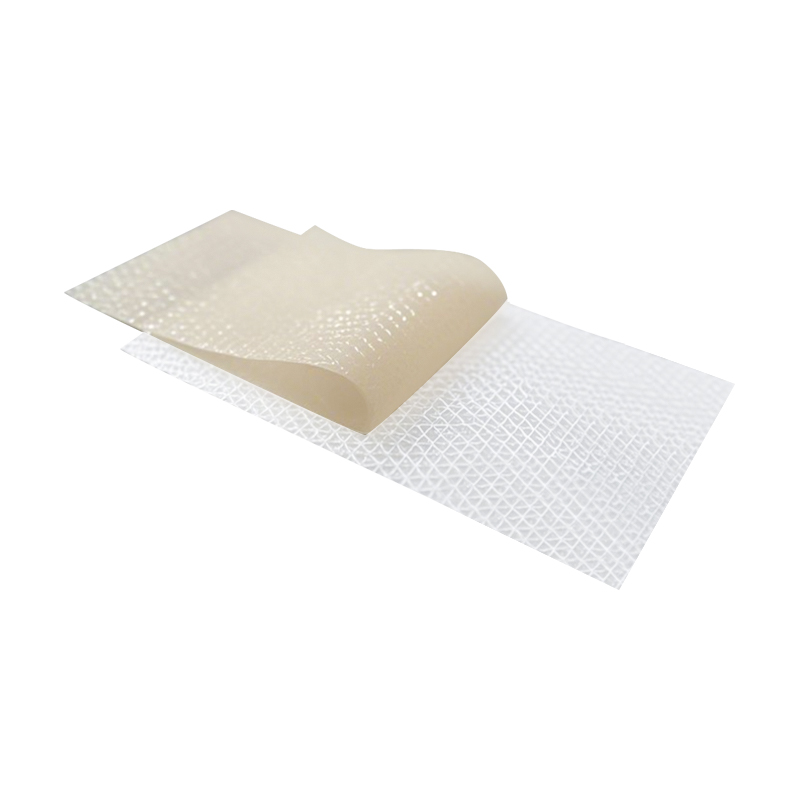 Widely Used Waterproof And Dustproof Silicone Scar Sheets
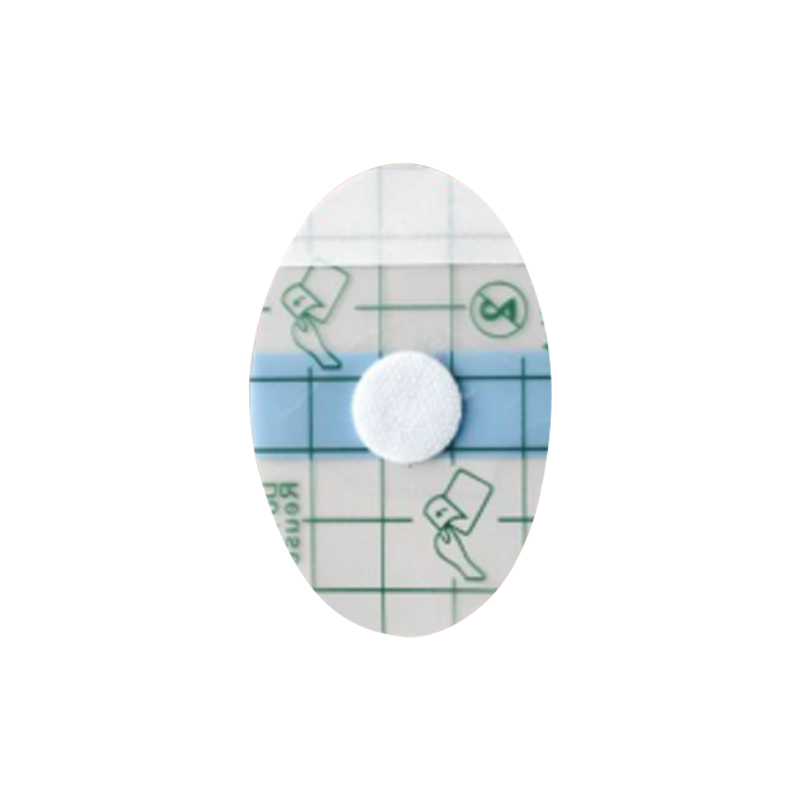 Hypoallergenic Breathable Waterproof Ear Patches
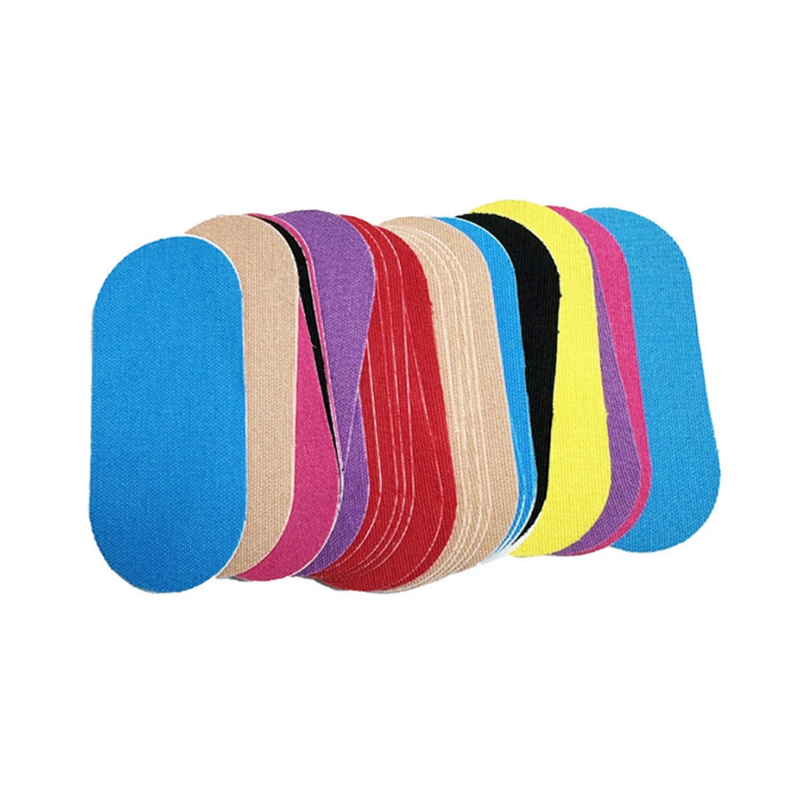 Strong Adhesive And Drug-Free Anti-Snoring Patch
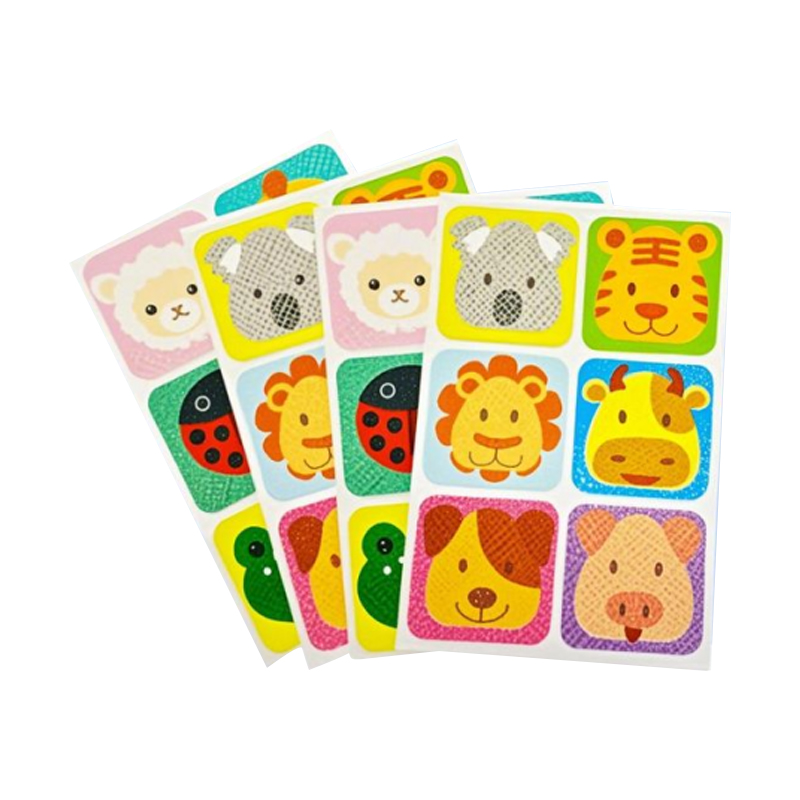 Long-Lasting Mosquito Repellent, Safe And Gentle Mosquito Repellent Stickers
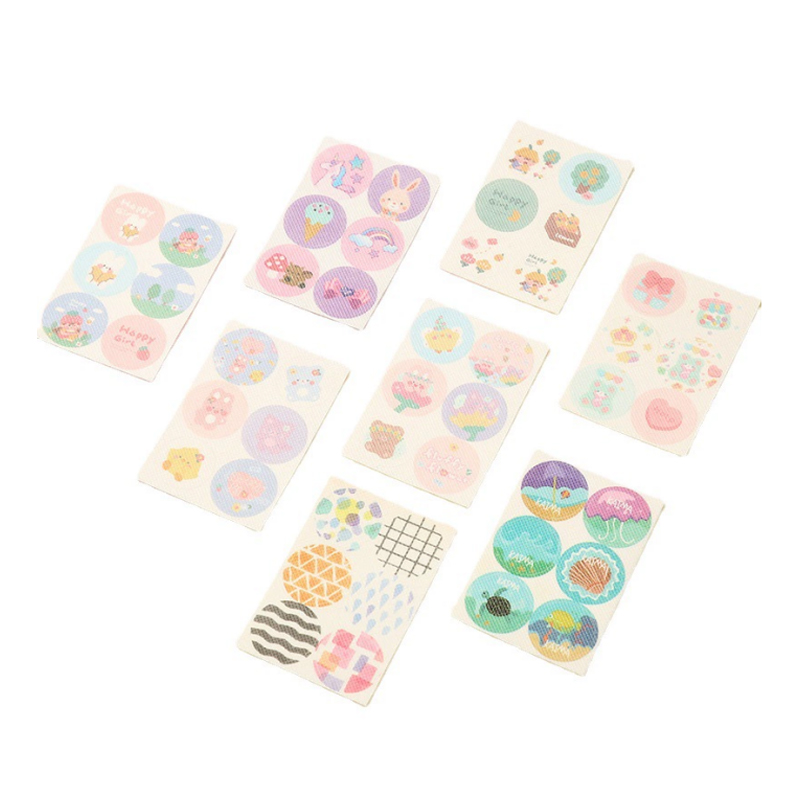 Soothing And Anti-Itching, Mild And Hypoallergenic Soothing Sticker
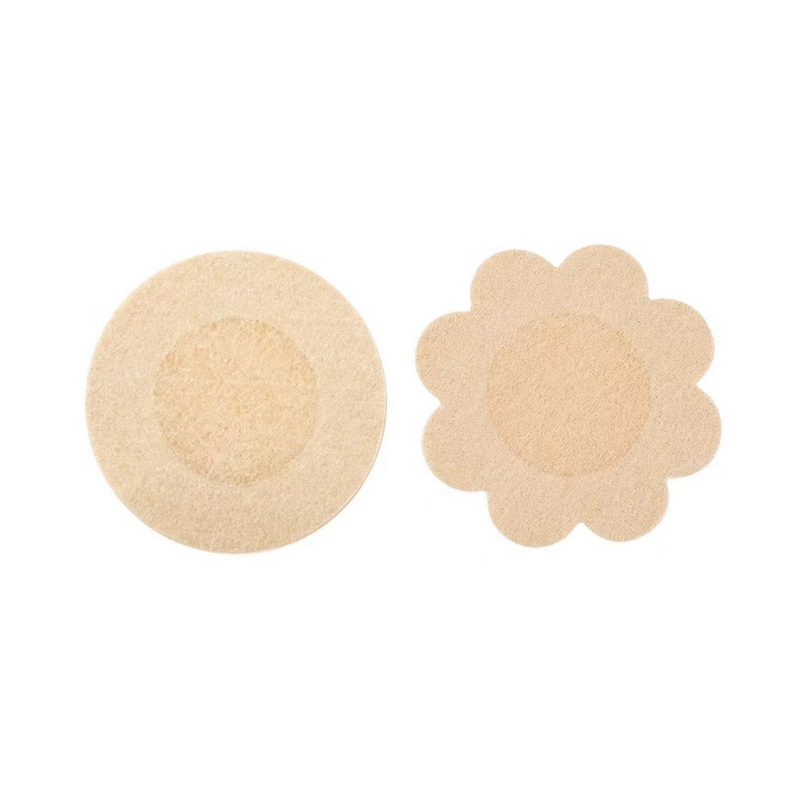 Invisible Non-Slip And Sweat-Proof Nipple Covers
 Portable Design And Reusable Ventilation Nose Strips
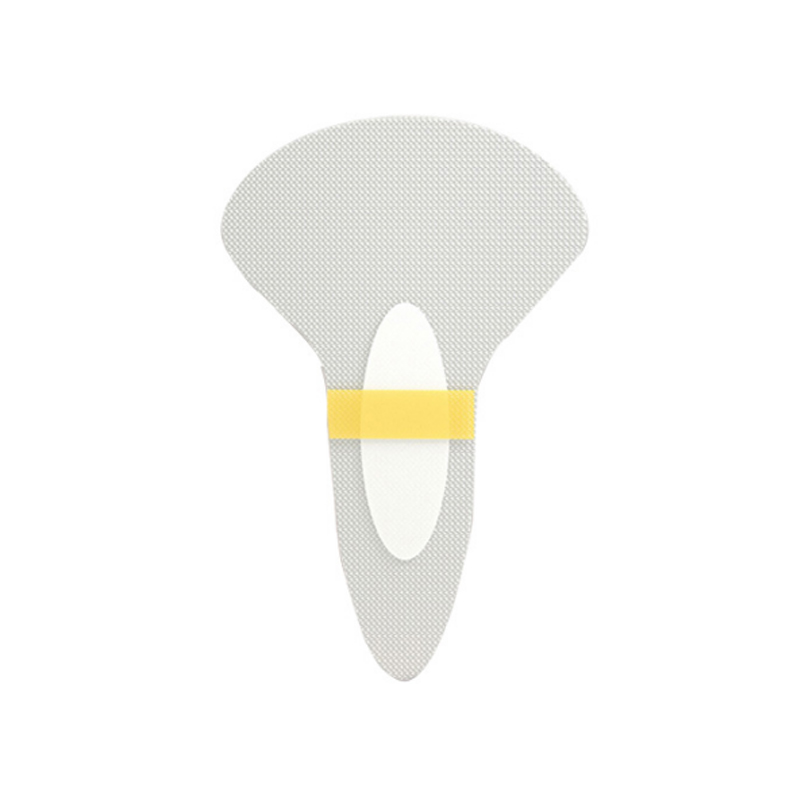 Breathable Comfort Fit Swimming Private Patches
 Strong Adhesion Waterproof And Sweatproof Anti-Exposure Stickers
Copyright © 2024 by Wuxi Xindi Medical Technology Co., Ltd. All Rights Reserved.
medical adhesive tapes manufacturers