
 English
 中文简体
中文简体 日本語
日本語 عربى
عربى русский
 Español
News
Xindi can provide customers with personalized, high-quality products and services to meet the needs of different markets and customers.
1. Introduction to Medical Tapes
Medical tapes are essential tools used in healthcare to secure dressings, bandages, and other medical devices, ensuring that they stay in place while allowing for proper healing. These tapes are specifically designed to be gentle on the skin, offer a secure bond, and provide various benefits, such as breathability, waterproofing, and flexibility. From treating minor wounds to supporting joint injuries, medical tapes are integral to a wide range of medical applications.
1.1. Brief Overview of Medical Tapes and Their Importance in Healthcare
Medical tapes are specialized adhesives that hold medical dressings, catheters, or other medical devices securely in place. Unlike standard adhesive tapes, medical tapes are designed to minimize irritation, promote healing, and be removed without causing damage to the skin. Their importance in healthcare cannot be overstated, as they help prevent infection, manage wounds, and support critical areas of the body in both short-term and long-term treatments.
In the modern medical field, medical tapes are used not only in hospitals but also in home healthcare settings, nursing homes, sports medicine, and even during surgeries. Whether it's for securing a simple bandage, dressing a wound, or stabilizing a joint injury, medical tapes serve as a fundamental tool in promoting effective and safe patient care.
1.2. Historical Context and Evolution of Medical Tapes
The history of medical tapes dates back to the early 20th century, with the first adhesive tapes being made from cloth or paper and coated with simple adhesive substances. These early versions were relatively stiff and not as flexible as today's medical tapes, limiting their applications and comfort.
However, over the decades, significant advancements have been made. The development of synthetic adhesives and the advent of breathable materials revolutionized medical tapes, making them more versatile and effective for various medical uses. For example, in the 1960s, the introduction of hypoallergenic adhesive tapes improved comfort for individuals with sensitive skin. The evolution of medical tapes continued into the 1980s and 1990s with the creation of specialized tapes such as zinc oxide tapes for joint stabilization, and polyurethane tapes that offered waterproof properties for use in surgeries or wound care.
Today, medical tapes are available in various materials and compositions, each designed to meet specific medical needs, such as moisture control, elasticity, and skin protection. The innovation of smart medical tapes, capable of monitoring wound conditions and releasing medication, shows the future potential of this essential healthcare product.
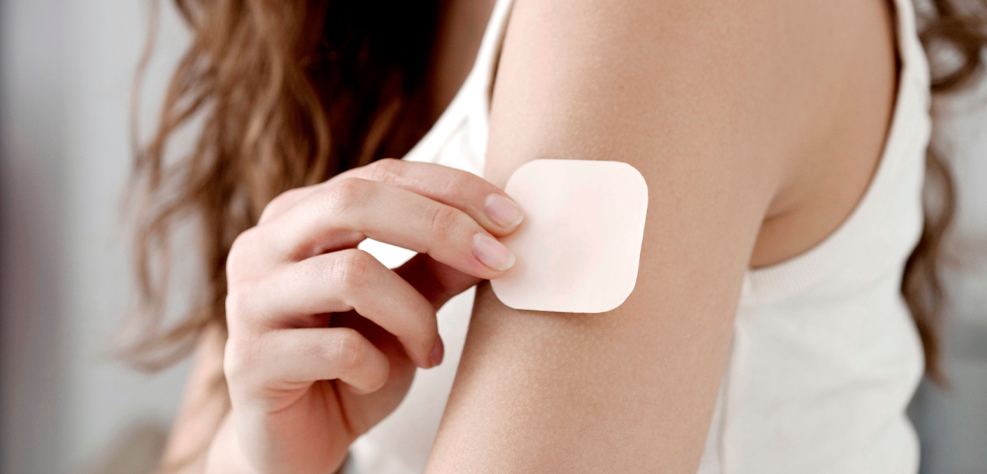
2. Types of Medical Tapes
Medical tapes come in various types, each designed to meet different needs depending on the application. From securing dressings to supporting injuries, each type of tape offers unique features that make it suitable for specific medical situations. Below are some of the most commonly used types of medical tapes:
2.1. Microporous PE Tape
Microporous PE (Polyethylene) tape is a lightweight, breathable tape often used for securing dressings and other medical applications. It’s made from a soft, porous material that allows air to circulate, reducing the risk of skin irritation and infection.
2.1.1. Definition and Composition
Microporous PE tape is typically made from polyethylene, which is coated with a hypoallergenic adhesive that holds securely without damaging the skin upon removal.
2.1.2. Key Features: Breathability, Hypoallergenic Properties
This tape is designed to be breathable, allowing moisture and heat to escape, which helps reduce the buildup of sweat or bacteria underneath the tape. Its hypoallergenic adhesive ensures that individuals with sensitive skin are less likely to experience allergic reactions or irritation.
2.1.3. Common Uses: Securing Dressings, Delicate Skin Applications
Microporous PE tape is commonly used to secure dressings on wounds, especially on areas of delicate skin such as the face, neck, or armpits. It’s also ideal for patients with sensitive skin or those who need long-term wound care.
2.1.4. Pros and Cons
Pros:
Highly breathable, reducing the risk of infection.
Gentle on sensitive skin.
Ideal for use in long-term applications.
Cons:
May not be as strong as other tapes for heavy-duty applications.
Can be more expensive compared to standard tapes.
2.2. Zinc Oxide Tape
Zinc oxide tape is a highly adhesive tape with a strong, rigid composition, commonly used for joint support and wound care. It is typically made with a cotton or polyester fabric, coated with a zinc oxide-based adhesive.
2.2.1. Definition and Composition (Including Zinc Oxide)
Zinc oxide tape is primarily composed of a fabric substrate (usually cotton) that is coated with an adhesive mixture containing zinc oxide. This adhesive provides an excellent bond to the skin, especially for applications requiring strong adhesion.
2.2.2. Key Features: Strong Adhesion, Rigidity
The tape’s strong adhesion ensures it stays in place even during physical activity, making it ideal for use in sports medicine and joint support. Its rigidity makes it effective for stabilizing joints or providing support to sprains or strains.
2.2.3. Common Uses: Sports Injuries, Joint Support, Wound Care
Zinc oxide tape is often used in sports to prevent injuries or provide support to injured muscles and joints. It’s also commonly used for securing dressings in wound care, particularly for more secure, long-lasting coverage.
2.2.4. Pros and Cons
Pros:
Strong adhesion and rigidity for joint support.
Ideal for sports-related injuries and stabilization.
Durable for long-term wear.
Cons:
Can be difficult to remove, potentially causing skin irritation.
Not suitable for delicate skin or areas requiring frequent repositioning of the tape.
2.3. Medical PU Tape (Polyurethane)
Medical PU tape, made from polyurethane, is a highly flexible and waterproof tape designed for use in more specialized applications.
2.3.1. Definition and Composition
This tape is made from a thin, flexible polyurethane film that is coated with a medical-grade adhesive. The combination of materials allows it to be both durable and lightweight, with high levels of flexibility.
2.3.2. Key Features: Waterproof, Flexible
Medical PU tape is particularly noted for its waterproof qualities, which make it ideal for use in wet environments or for patients who need their wounds to stay dry. Its flexibility allows for greater comfort and mobility, particularly on joints or areas of high movement.
2.3.3. Common Uses: Securing IV Lines, Surgical Dressings, Moist Wound Environments
This type of tape is often used in securing IV lines, surgical dressings, and in wound care environments where moisture control is critical. Its flexibility also makes it suitable for applications where the skin needs to stretch, such as in areas around joints.
2.3.4. Pros and Cons
Pros:
Waterproof and moisture-resistant.
Highly flexible, ideal for joint areas.
Ideal for use in surgical or long-term wound care applications.
Cons:
May be more expensive compared to standard medical tapes.
Can be less breathable than other options.
2.4. Other Types of Medical Tapes
In addition to the above, there are several other types of medical tapes that serve specific needs:
2.4.1. Cloth Tape: Strong and Versatile, Good for General Applications
Cloth tape is a highly durable and versatile type of tape made from fabric, often with a rubber or acrylic adhesive. It's typically used for general wound care, securing bandages, and stabilizing equipment in emergency medical settings.
2.4.2. Transparent Tape: Allows Visibility of the Wound Site
Transparent medical tape is often used when it’s important to monitor the condition of a wound or dressing. Its clear design allows healthcare professionals and patients to visually inspect the wound without needing to remove the tape.
2.4.3. Silicone Tape: Gentle Adhesion, Ideal for Sensitive Skin and Scar Management
Silicone tape is a softer, more flexible tape that provides gentle adhesion. It is ideal for patients with sensitive skin or for use in scar management. Its ability to be removed without causing irritation or pain makes it a top choice for post-surgery wound care.
3. Key Considerations When Choosing Medical Tape
When selecting the appropriate medical tape for a specific application, several important factors should be taken into account to ensure optimal effectiveness and patient comfort. Choosing the right tape can make a significant difference in wound healing, skin safety, and overall treatment success. Below are the key considerations to keep in mind:
3.1. Skin Sensitivity and Allergies
Skin sensitivity is one of the most important factors to consider when choosing medical tape. Some individuals may have sensitive skin that reacts to certain adhesives, which can cause irritation, redness, or even allergic reactions.
Hypoallergenic tapes, like microporous or silicone-based tapes, are designed for individuals with sensitive skin or those prone to allergies. It’s essential to check for any known skin sensitivities before applying a new type of medical tape, especially for patients with a history of dermatitis or other skin conditions. In some cases, performing a patch test on a small area of skin before full application is a good practice.
3.2. Adhesion Strength Requirements
Different medical tapes offer varying levels of adhesion strength, and the appropriate choice depends on the specific application. Some situations, like securing a heavy dressing or providing joint support, require a tape with strong adhesive power, while others, such as for securing bandages on sensitive or fragile skin, may call for a gentler adhesive.
For example, zinc oxide tapes are highly adhesive and suitable for demanding situations, such as sports injuries or wound stabilization. On the other hand, microporous tapes provide a more gentle hold, making them better suited for delicate skin areas or long-term use.
3.3. Breathability Needs
Breathability is a crucial factor, especially when dealing with wounds or areas that are prone to moisture accumulation. Tapes that allow air to circulate help prevent moisture buildup, which can lead to skin irritation or infections.
Breathable tapes, like microporous PE tape, are ideal for long-term wound care, as they reduce the risk of skin maceration (softening of the skin due to excessive moisture). Conversely, if moisture control is a priority, medical tapes like polyurethane (PU) tape, which is waterproof, might be the better option.
3.4. Water Resistance Requirements
Certain medical situations require the tape to resist water, particularly in environments where the patient may be exposed to wet conditions. For example, if the tape is securing a surgical dressing or IV line, it’s essential to use a tape that is waterproof and can maintain its integrity in the presence of moisture.
Tapes such as medical PU tape are waterproof and can provide a secure barrier against water, making them perfect for use in wound care that needs to remain dry, such as during showers or baths.
3.5. Application Area (e.g., Joints, Delicate Skin)
The area of application will significantly influence the type of tape selected. Tapes need to be flexible enough for areas that experience a lot of movement, such as joints or limbs, but gentle enough for delicate skin, such as the face or sensitive parts of the body.
For flexible areas like knees, elbows, or ankles, zinc oxide tape or PU tape are ideal because they provide strong support without compromising mobility. For delicate skin, especially in the case of post-surgery or wound care, silicone tapes are often recommended due to their gentle adhesion and ability to minimize skin damage upon removal.
4. How to Apply Medical Tape Properly
Proper application of medical tape is critical for ensuring both the effectiveness of the tape and the safety of the patient. A well-applied tape will help prevent the dressing from shifting, reduce the risk of infection, and provide the necessary support for the healing process. Below is a step-by-step guide on how to apply medical tape, along with tips for proper removal and precautions to take.
4.1. Step-by-Step Guide for Application
Prepare the Area:
Clean and dry the skin thoroughly before applying the tape. Use a gentle cleanser to remove any dirt, oils, or previous adhesive residues. Make sure the skin is completely dry to ensure the tape adheres properly.
If the tape is being applied to a wound, ensure that the wound is properly dressed and the bandage or dressing is secure.
Choose the Right Tape:
Select the appropriate tape based on the factors discussed earlier (adhesion, breathability, flexibility, etc.). For example, if you’re securing a dressing on a joint, a flexible and strong tape like zinc oxide may be appropriate, while a delicate area might require a gentler tape like microporous PE or silicone tape.
Cut the Tape to Size:
Cut the tape to the required length, ensuring it is slightly longer than the edges of the dressing or the area you are covering. This helps secure the edges and prevent the tape from loosening.
Apply the Tape:
Place one end of the tape down on the skin and gently press it into place. Work your way around the wound or area of interest, applying the tape in small sections to ensure a smooth, even application.
Be careful not to pull the skin or stretch the tape, as this can lead to discomfort or skin damage.
Smooth Out the Tape:
Once the tape is in place, press down firmly to ensure it sticks well. Smooth out any wrinkles or bubbles that might create weak points. This ensures that the tape provides a secure and lasting hold.
Check for Comfort:
Ensure the tape is applied securely but not too tightly. If the tape is pulling on the skin or restricting circulation, it could cause discomfort or even lead to injury. You should be able to move the area without feeling excessive tightness.
4.2. Tips for Removing Tape Gently
Loosen the Edges First:
Start by gently lifting the edges of the tape, preferably with your fingers or a gentle tool (like a gauze pad), to avoid damaging the skin. If the tape is stubborn, you can use a little warm water or saline solution to help loosen the adhesive.
Peel Slowly and Gently:
Pull the tape off slowly and at a 45-degree angle to the skin, rather than pulling directly upward. This reduces the risk of causing pain or irritating the skin.
Do Not Rip:
Avoid ripping the tape off quickly, as this can cause damage to the skin or the wound underneath. If you encounter resistance, consider using an adhesive remover solution that is designed to break down the adhesive without harming the skin.
Use Moisture If Necessary:
If the tape is particularly sticky or difficult to remove, dampen the area with a small amount of water or saline solution. This can make the adhesive more pliable and easier to remove.
4.3. Precautions and Contraindications
While applying medical tape is relatively straightforward, there are several precautions to consider to ensure safe and effective use:
Avoid Excessive Tension:
Applying tape with too much tension can cause discomfort and may even lead to skin damage. Always ensure the tape is applied without stretching the skin too much.
Monitor Skin Reactions:
Always check for any signs of irritation, redness, or allergic reaction after applying medical tape, especially if it’s being used for the first time. If any adverse reaction occurs, remove the tape immediately and consult a healthcare provider.
Do Not Apply Over Infected Wounds:
Medical tape should not be applied to wounds that are actively infected or have heavy drainage. In these cases, it is essential to use specialized dressings and tapes that are designed for such conditions, and professional medical advice should be sought.
Avoid Applying Tape on Fragile Skin:
For individuals with extremely fragile or thin skin, like elderly patients, silicone-based tapes or other gentle tapes should be used to prevent injury during removal. Regularly changing the tape is also advisable to avoid causing skin damage.
Consult a Healthcare Professional:
If you are unsure of the type of tape to use or if the patient has specific medical conditions (e.g., diabetes, circulatory issues), consult a healthcare provider before applying medical tape.
5. Common Mistakes to Avoid
While medical tapes are incredibly useful, improper application or misuse can lead to complications, including skin irritation, infection, or ineffective wound care. It's important to be aware of common mistakes that can occur when using medical tape and how to avoid them. Below are some of the most frequent errors and tips for preventing them.
5.1. Applying Tape Too Tightly
One of the most common mistakes is applying medical tape too tightly. While it’s important for the tape to stay in place, too much tension can restrict blood flow, cause discomfort, and even contribute to skin damage.
Why It’s a Problem:
Excessive tension can lead to pressure sores, circulatory issues, or skin tears, especially for people with delicate or aging skin.
It can also increase pain or discomfort, particularly around joints or sensitive areas.
How to Avoid It:
Always apply the tape gently, ensuring that there is enough slack to allow the skin to breathe and move naturally.
When securing a dressing, aim for a snug fit rather than pulling the tape tightly. You should be able to slip a finger underneath the tape without difficulty.
Use flexible tapes for areas with more movement, such as joints, to avoid excessive tightness.
5.2. Using the Wrong Type of Tape for the Application
Another common mistake is selecting the wrong type of medical tape for a particular application. Different tapes are designed for specific purposes, and using the wrong one can reduce the effectiveness of the treatment.
Why It’s a Problem:
Using a tape with too strong an adhesive (like zinc oxide tape) for sensitive areas of the skin (such as the face) can cause irritation or injury.
Conversely, using a tape with insufficient adhesion (like microporous tape) may not hold a dressing in place long enough, which could result in it falling off or becoming loose.
Incorrect tapes can also hinder wound healing, especially if they don’t allow enough breathability or if they trap moisture.
How to Avoid It:
Be sure to choose the correct tape based on the needs of the wound or the area of application (e.g., breathable tape for delicate skin, waterproof tape for surgeries, and stronger adhesive tape for joint support or heavy-duty applications).
Always check the manufacturer's recommendations to ensure that the tape is suitable for the specific medical purpose.
5.3. Ignoring Skin Reactions
Sometimes, skin reactions are overlooked or dismissed when applying medical tape. Redness, irritation, or even allergic reactions can occur, especially with prolonged use. Ignoring these reactions can result in further discomfort and complications.
Why It’s a Problem:
Unnoticed skin reactions can escalate into skin rashes, blisters, or abrasions. Over time, this can cause more serious complications, including infections or delayed wound healing.
Allergic reactions to the adhesive or the materials in the tape can worsen the situation, especially if the tape is left on for too long.
How to Avoid It:
Regularly check the skin under the tape for any signs of irritation, redness, or allergic reaction. If you notice any of these, remove the tape immediately and consult a healthcare provider.
For individuals with sensitive skin, opt for hypoallergenic or gentle adhesive tapes such as silicone-based tapes or microporous tapes.
If the tape needs to stay on for an extended period, be sure to remove it periodically and allow the skin to breathe.
5.4. Not Changing the Tape Regularly
Some people make the mistake of leaving medical tape in place for too long, particularly when it’s being used to secure dressings or bandages. Tapes that are left on for extended periods can cause problems, including skin irritation, infection, and decreased adhesion.
Why It’s a Problem:
Old or dirty tape can lead to bacteria buildup or infection. It may also lose its adhesive properties, making it less effective at securing dressings or wound coverings.
The skin may also become irritated or damaged due to prolonged exposure to adhesive, especially if the tape is not breathable.
How to Avoid It:
Change the tape and dressing regularly, as recommended by a healthcare provider, to prevent complications.
If the tape is no longer sticking securely or is showing signs of wear, replace it with a fresh piece.
In the case of wound care, always follow medical advice on how often dressings and tapes should be changed.
5.5. Overlooking Proper Tape Removal
Improper tape removal is another mistake that can lead to discomfort and skin damage. Ripping the tape off too quickly or aggressively can cause skin tears, pain, and irritation, especially for individuals with fragile skin or wounds.
Why It’s a Problem:
Skin trauma can occur if tape is removed too rapidly, leading to pain, redness, or even scarring.
Adhesive residues left behind can make subsequent tape applications less effective and may irritate the skin further.
How to Avoid It:
Always remove tape gently and slowly. If the tape is difficult to remove, use a moistening agent such as warm water or saline solution to loosen the adhesive.
Apply gentle pressure and slowly peel the tape off at a 45-degree angle, taking care not to tear the skin.
For sensitive skin, consider using silicone-based tapes, which are designed to be easier on the skin during removal.
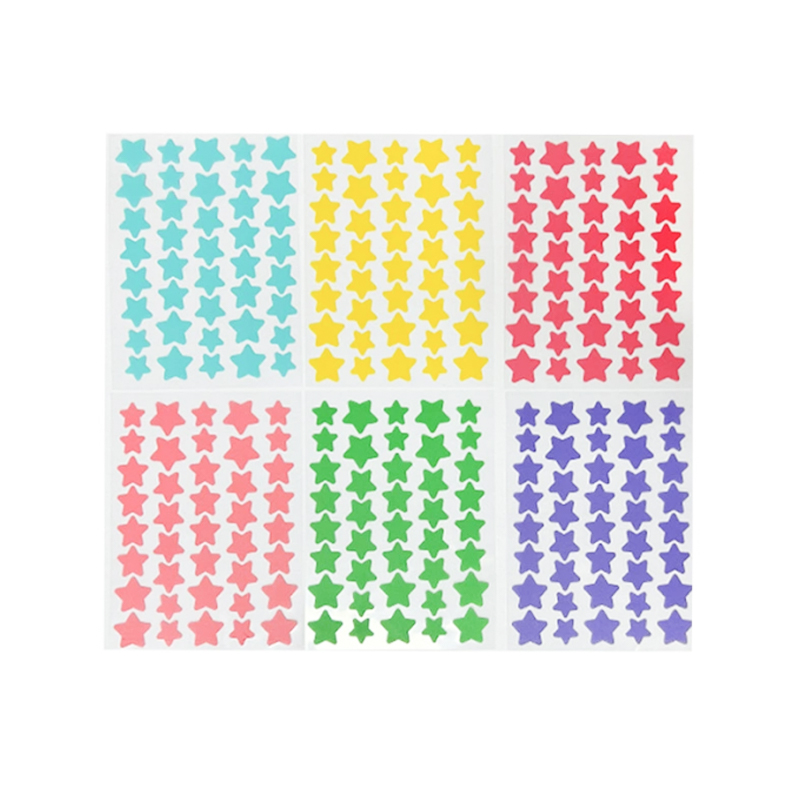 Absorbent, Moisturizing And Non-Irritating Hydrocolloid Acne Patch
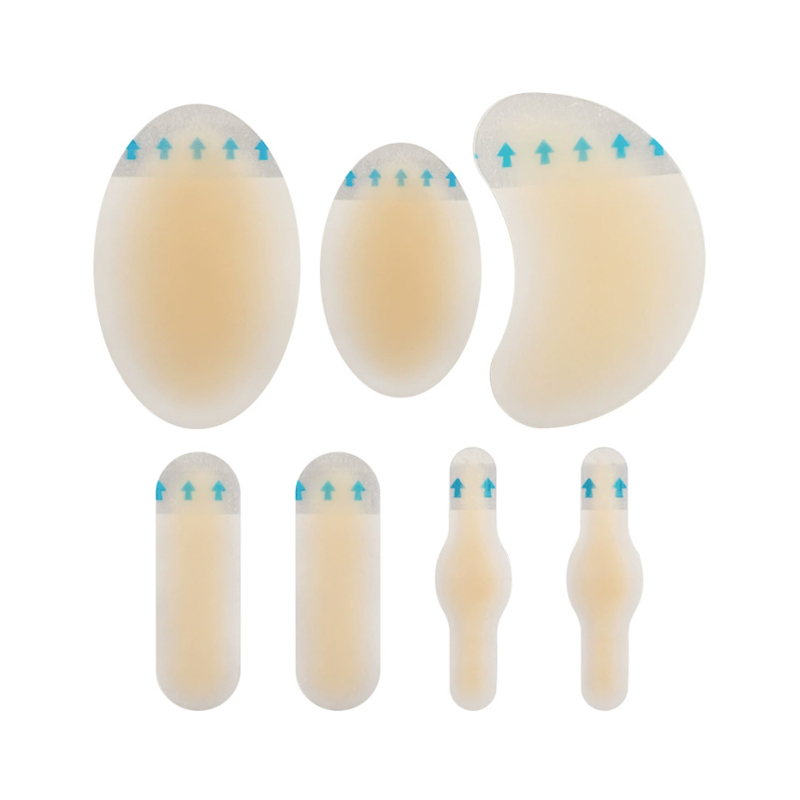 Cushioning, Pressure Reducing, Breathable And Comfortable Heel Patch
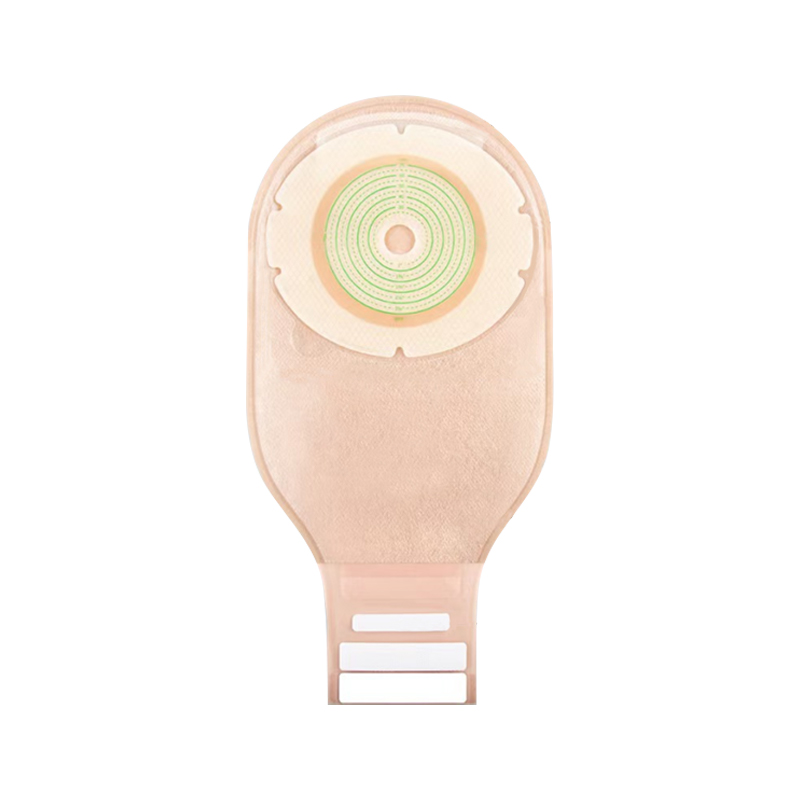 Soft Waterproof and Odor Control Ostomy Pouch
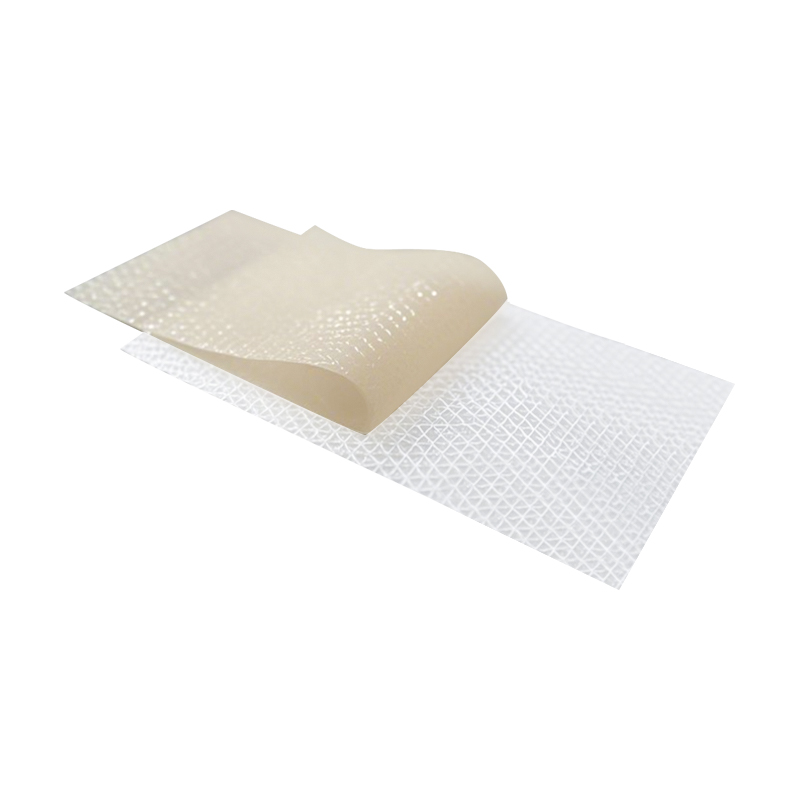 Widely Used Waterproof And Dustproof Silicone Scar Sheets
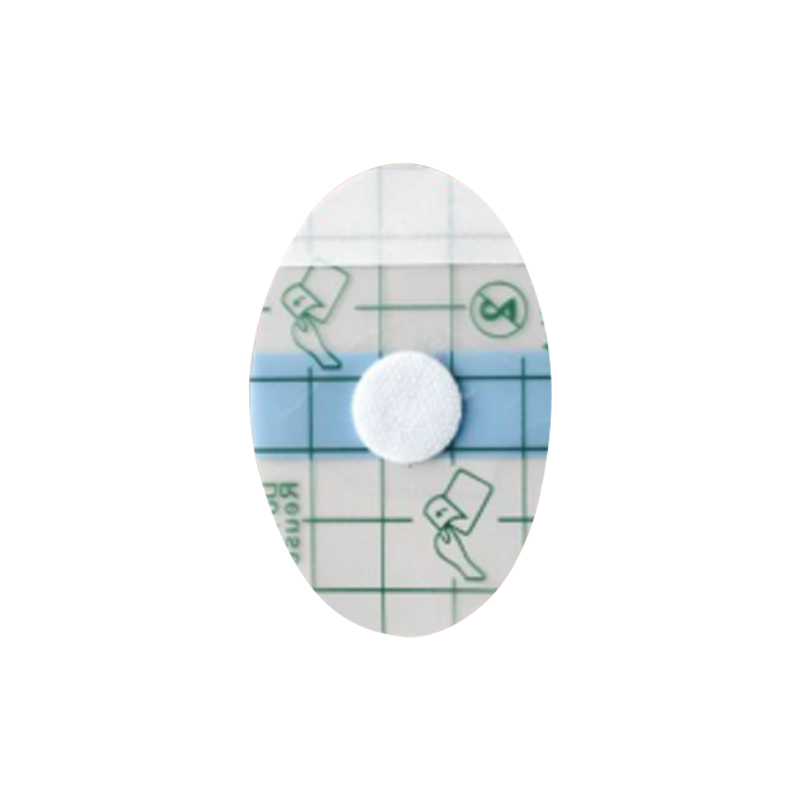 Hypoallergenic Breathable Waterproof Ear Patches
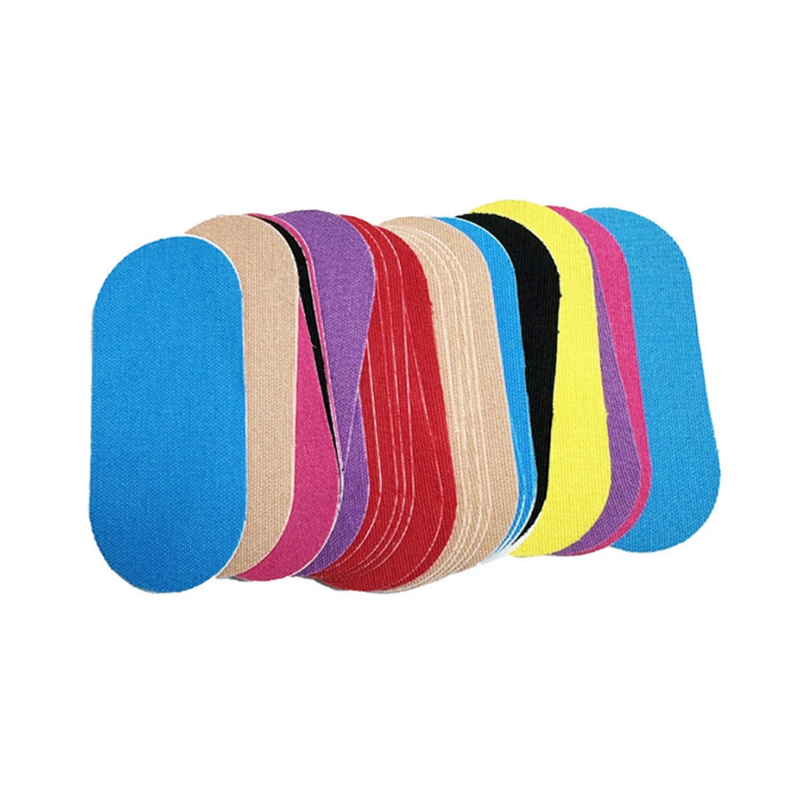 Strong Adhesive And Drug-Free Anti-Snoring Patch
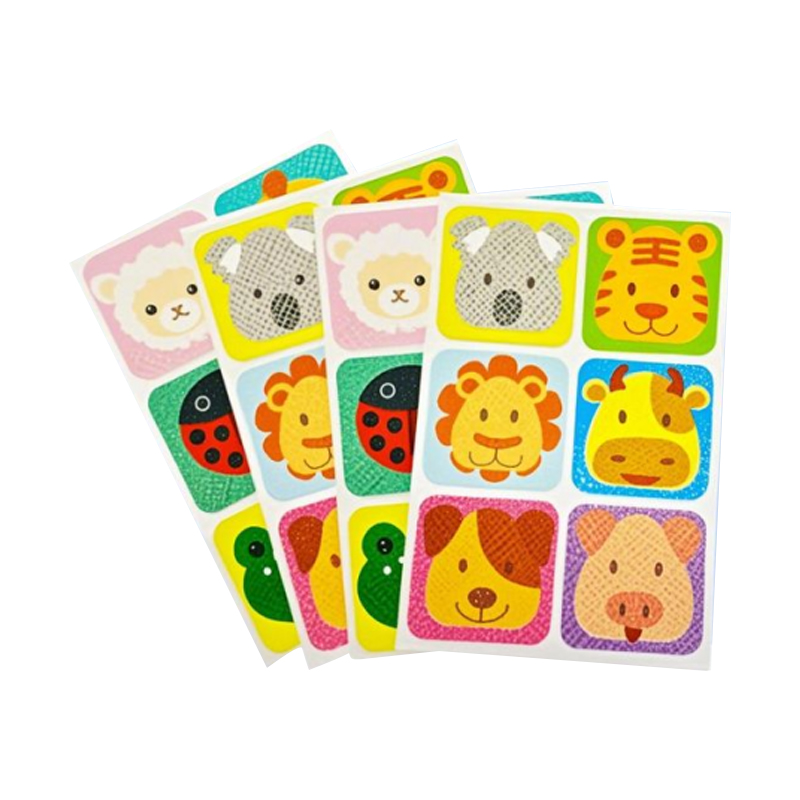 Long-Lasting Mosquito Repellent, Safe And Gentle Mosquito Repellent Stickers
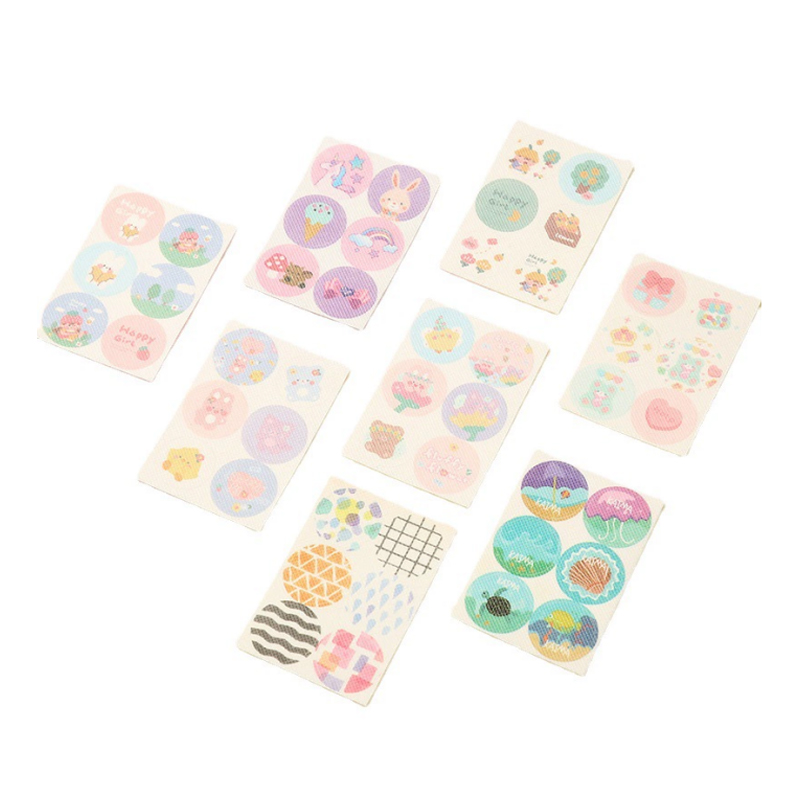 Soothing And Anti-Itching, Mild And Hypoallergenic Soothing Sticker
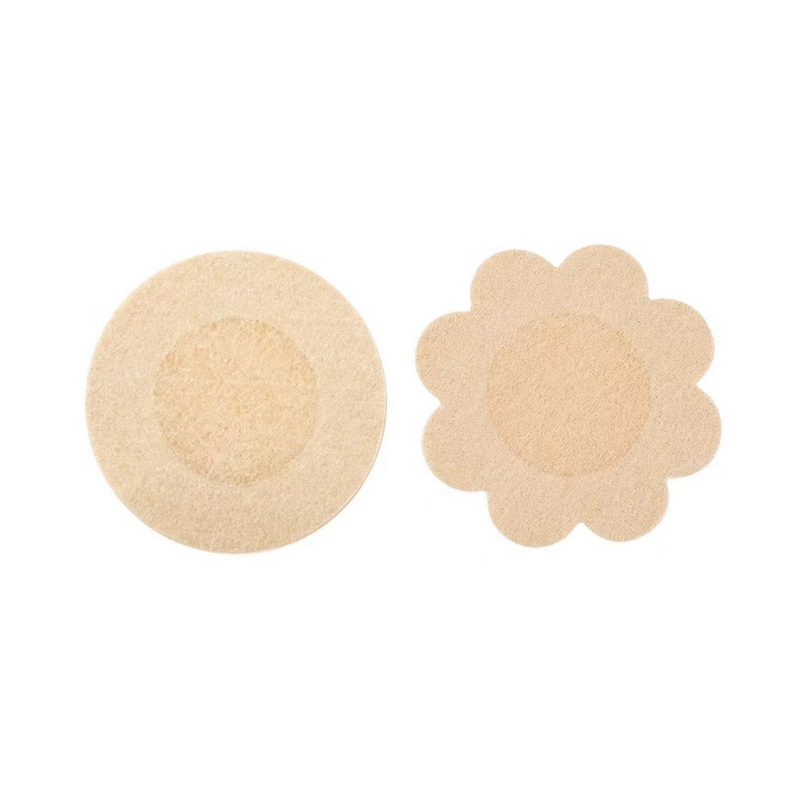 Invisible Non-Slip And Sweat-Proof Nipple Covers
 Portable Design And Reusable Ventilation Nose Strips
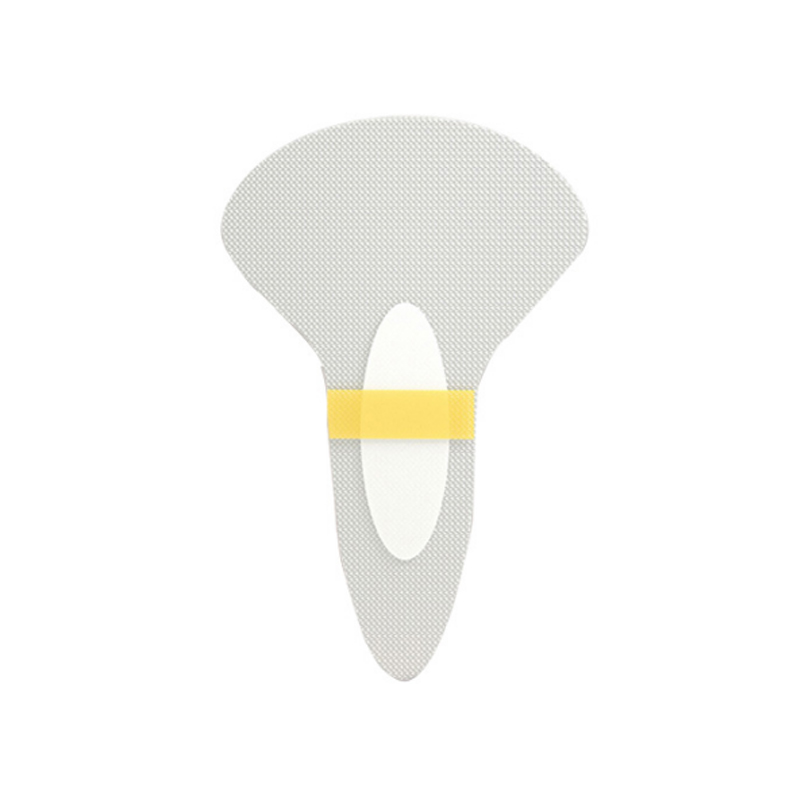 Breathable Comfort Fit Swimming Private Patches
 Strong Adhesion Waterproof And Sweatproof Anti-Exposure Stickers
Copyright © 2024 by Wuxi Xindi Medical Technology Co., Ltd. All Rights Reserved.
medical adhesive tapes manufacturers