
 English
 中文简体
中文简体 日本語
日本語 عربى
عربى русский
 Español
News
Xindi can provide customers with personalized, high-quality products and services to meet the needs of different markets and customers.
1. Introduction to Acne Patches
Acne patches, also known as pimple patches or hydrocolloid stickers, have become a revolutionary skincare solution for individuals struggling with acne. Unlike traditional topical creams or spot treatments, acne patches provide a targeted, non-invasive approach to managing blemishes. Originating in the Asian beauty market, particularly South Korea, these patches have gained international recognition for their convenience, efficacy, and skin-friendly formulation.
The primary function of an acne patch is to protect the blemish from external irritants while promoting faster healing. The patch forms a barrier over the inflamed area, preventing bacteria, dust, or hands from worsening the condition. Its discreet design allows users to apply the patch during the day without interfering with makeup or daily activities, making it a highly practical solution for modern lifestyles.
Beyond convenience, acne patches offer a less harsh alternative compared to chemical treatments. Traditional acne medications, such as benzoyl peroxide or salicylic acid, can sometimes cause dryness, peeling, or skin irritation. In contrast, acne patches create a protective environment conducive to natural healing, reducing redness and preventing scarring.
As the skincare industry continues to innovate, acne patches have diversified in both design and functionality. From transparent, barely noticeable patches to infused varieties with soothing or anti-inflammatory ingredients, the range of products caters to different skin types and acne severity. Understanding what acne patches are, their purpose, and how they differ from conventional treatments is the first step toward making informed choices for blemish care.
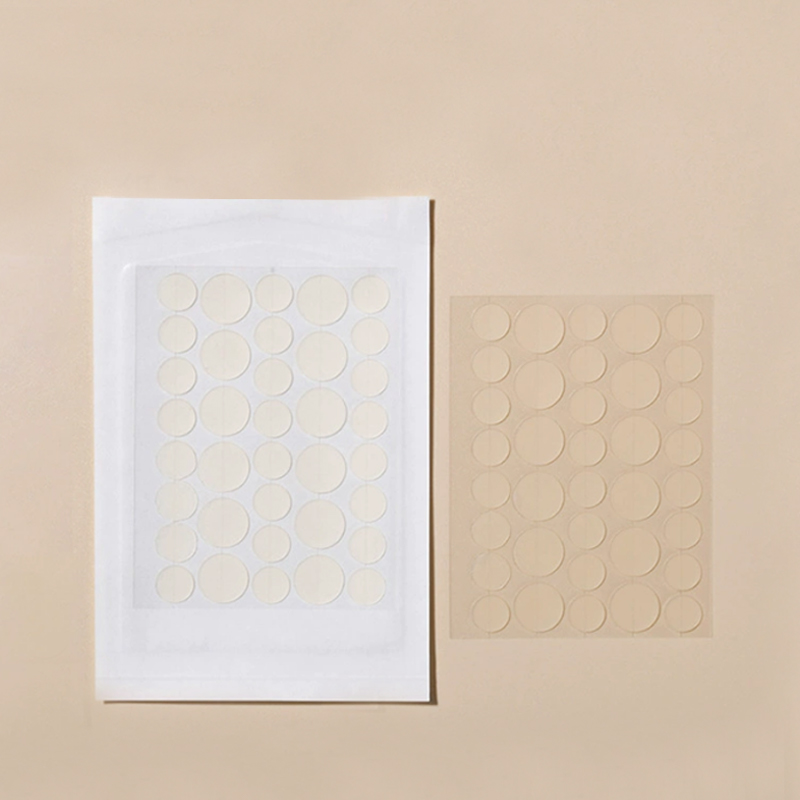
2. Core Ingredients and Mechanism of Action
The effectiveness of acne patches lies in their carefully designed materials and active ingredients. Most patches are made of hydrocolloid or similar transparent adhesive materials, which act as a moisture-retentive dressing. Hydrocolloid technology allows the patch to absorb exudate — the fluid that leaks from inflamed or pus-filled pimples — without damaging surrounding skin. By maintaining a moist healing environment, hydrocolloid patches accelerate recovery, minimize scabbing, and reduce the risk of scarring.
Some acne patches are infused with active ingredients for additional benefits. Tea tree oil, known for its antimicrobial and anti-inflammatory properties, can help reduce bacteria on the pimple surface. Niacinamide, or vitamin B3, contributes to calming redness, regulating oil production, and strengthening the skin barrier. Hyaluronic acid provides hydration, preventing dryness that may occur with traditional spot treatments.
The mechanism of action involves both physical and biochemical processes. Physically, the patch shields the blemish from friction, contamination, and irritation. Biochemically, the absorption of fluids and incorporation of active compounds create an optimized healing microenvironment. This dual-action mechanism allows acne patches to address symptoms — swelling, redness, and pus accumulation — without aggressive interventions that might compromise skin health.
Some advanced formulations include micro-needle patches, which penetrate superficial layers to deliver ingredients directly into the affected area. These patches are particularly effective for deep inflammatory pimples, offering targeted treatment while remaining minimally invasive.
By understanding the ingredients and mechanisms, users can better select patches suitable for their skin type and acne severity. Hydrocolloid patches excel in reducing inflammation and protecting skin, while infused or medicated varieties can actively target bacterial growth and pigmentation.
3. Types of Acne Patches
Acne patches have evolved into a diverse range of products, each designed to address different needs and preferences. Broadly, they can be categorized based on material, appearance, and functionality.
(1) Transparent vs Colored: Transparent patches are discreet and ideal for daytime use, blending seamlessly with the skin. Colored or skin-toned patches, often marketed for cosmetic purposes, help camouflage the blemish and may contain additional soothing ingredients.
(2) Single-Use vs Multi-Use: Most hydrocolloid patches are designed for single use, ensuring hygiene and optimal adhesion. However, some newer formulations allow multiple applications if the patch remains intact, offering convenience and cost-effectiveness.
(3) Functional Variants: Functional acne patches target specific issues:
Anti-inflammatory patches: Reduce redness and swelling using ingredients like tea tree oil or allantoin.
Healing/repair patches: Contain hyaluronic acid, centella asiatica, or collagen to accelerate tissue repair.
Brightening patches: Infused with niacinamide or vitamin C derivatives to prevent post-acne pigmentation.
(4) Specialty Designs: Innovations include micro-needle patches, overnight patches, and extra-thin variants. Micro-needle patches deliver active compounds directly into inflamed skin for rapid results. Overnight patches are thicker, providing prolonged protection and absorption while sleeping. Extra-thin patches prioritize aesthetics, making them virtually invisible for all-day use.
By understanding the types available, users can tailor their acne patch selection to match their daily routine, skin type, and the specific characteristics of their blemishes. Choosing the wrong patch might compromise effectiveness or comfort, so being informed is crucial.
4. How to Use Acne Patches Effectively
Proper application of acne patches is essential to achieving desired results. Misuse can lead to reduced efficacy or even irritation. Here is a step-by-step guide:
Cleanse the skin thoroughly: Remove makeup, dirt, and excess oil around the blemish. A clean surface ensures optimal adhesion and prevents trapping bacteria under the patch.
Dry the area completely: Moisture can reduce the patch’s ability to stick, so gently pat the area dry after cleansing.
Apply the patch directly over the blemish: Center the patch on the pimple to fully cover it. Avoid stretching the patch, which may reduce adhesion.
Leave the patch in place: Most hydrocolloid patches should be worn for 6–8 hours, often overnight, to maximize absorption of exudate and active ingredients.
Remove gently: When saturated, remove the patch carefully, then dispose of it. Avoid reusing single-use patches.
Follow up with skincare: After removal, lightly moisturize or continue with a gentle skincare routine. Avoid aggressive scrubbing or chemical treatments immediately afterward.
It is important to note that acne patches are most effective on pustules or inflammatory acne rather than blackheads or cystic acne deep under the skin. Consistency and proper hygiene play a critical role in effectiveness.
5. Benefits and Limitations
Benefits:
Protects blemishes: Creates a barrier against bacteria, dirt, and hands.
Reduces inflammation: Absorbs pus and excess oil, reducing swelling.
Minimizes scarring: Prevents scratching and promotes faster healing.
Convenient and discreet: Can be worn during the day under makeup or overnight.
Non-invasive: No harsh chemicals required for basic healing.
Limitations:
Limited depth of action: Deep cystic acne may not respond to surface patches.
Not a standalone treatment: Patches complement but do not replace systemic or topical therapies.
Adhesion issues: May not stick well on oily or sweaty skin.
Cost: Frequent use can be more expensive than traditional creams.
6. Common Misconceptions
Despite their popularity, acne patches are often misunderstood:
“They can cure all acne” — In reality, they primarily target surface blemishes, not hormonal or deep-seated acne.
“Leaving them on longer speeds healing” — Once saturated, leaving the patch can trap bacteria and cause irritation.
“No need to cleanse before use” — Skipping cleansing reduces effectiveness and may worsen acne.
“They prevent all scarring” — They reduce risk but cannot guarantee scar-free results for severe acne.
Understanding these limitations helps set realistic expectations and prevents misuse.
7. How to Choose the Right Acne Patch
Selecting the right patch depends on skin type, acne severity, and lifestyle:
For sensitive skin: Opt for fragrance-free, hypoallergenic patches.
For inflamed pimples: Choose anti-inflammatory patches with tea tree oil or centella asiatica.
For pigmentation prevention: Brightening patches with niacinamide or vitamin C derivatives are suitable.
For daytime use: Transparent, thin patches for discreet wear.
For overnight treatment: Thicker, highly absorbent patches for extended protection.
Price and brand reputation also matter. Well-known brands often ensure consistent quality, while budget options may compromise adhesion or ingredient quality.
8. Skincare Tips to Complement Acne Patch Use
Acne patches work best in combination with a comprehensive skincare routine:
Gentle cleansing: Avoid harsh scrubs that can irritate acne-prone skin.
Moisturizing: Use lightweight, non-comedogenic moisturizers to maintain skin barrier health.
Sun protection: Daily sunscreen prevents post-acne marks and hyperpigmentation.
Avoid picking or squeezing: Let the patch do its job instead of manually extracting pus.
Healthy habits: Balanced diet, hydration, and stress management support overall skin health.
By combining patches with routine care, users can maximize their effectiveness and reduce recurrence.
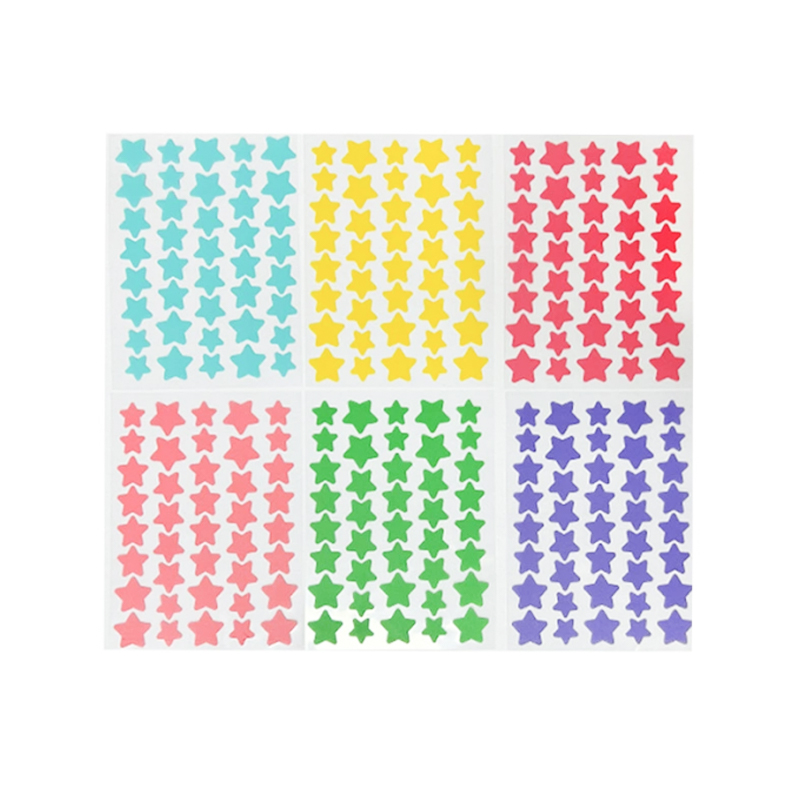 Absorbent, Moisturizing And Non-Irritating Hydrocolloid Acne Patch
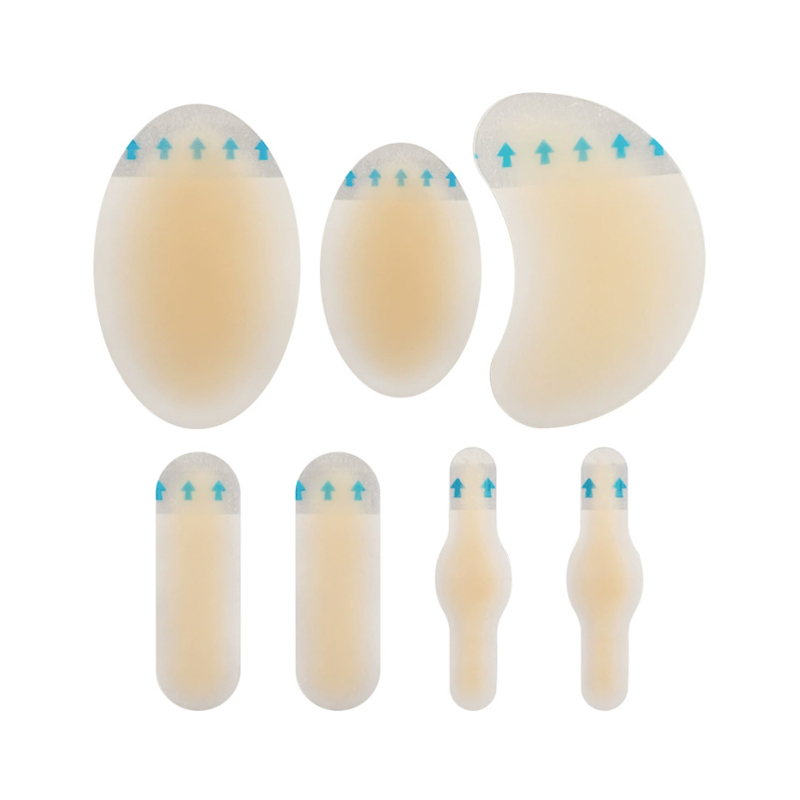 Cushioning, Pressure Reducing, Breathable And Comfortable Heel Patch
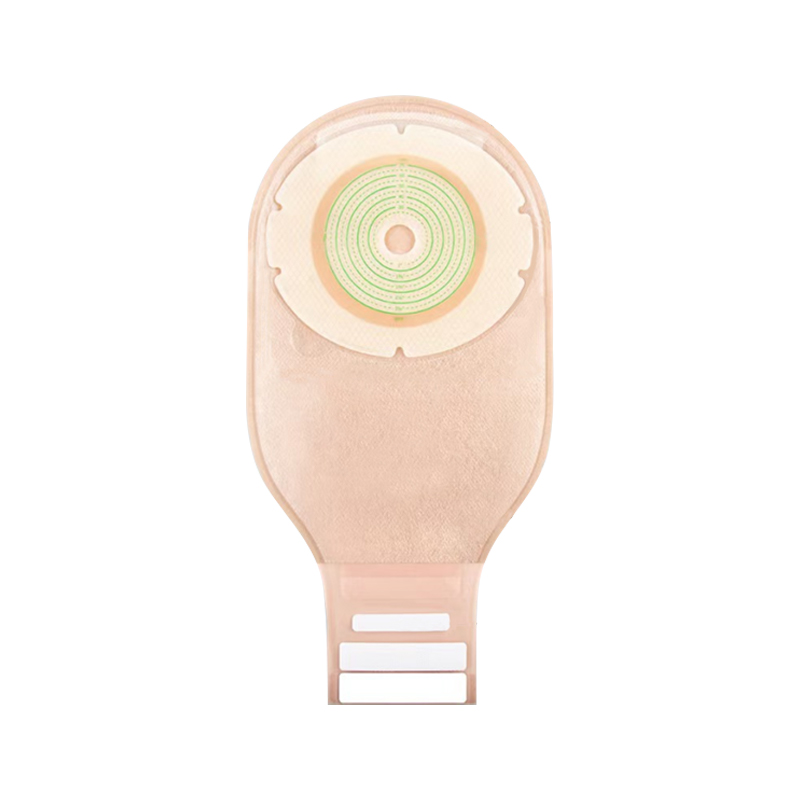 Soft Waterproof and Odor Control Ostomy Pouch
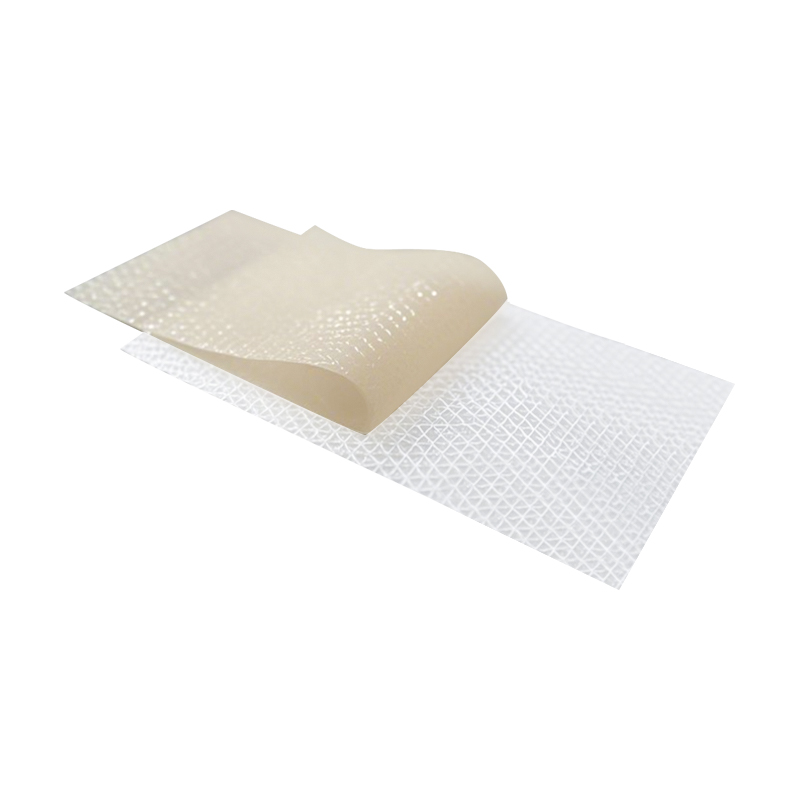 Widely Used Waterproof And Dustproof Silicone Scar Sheets
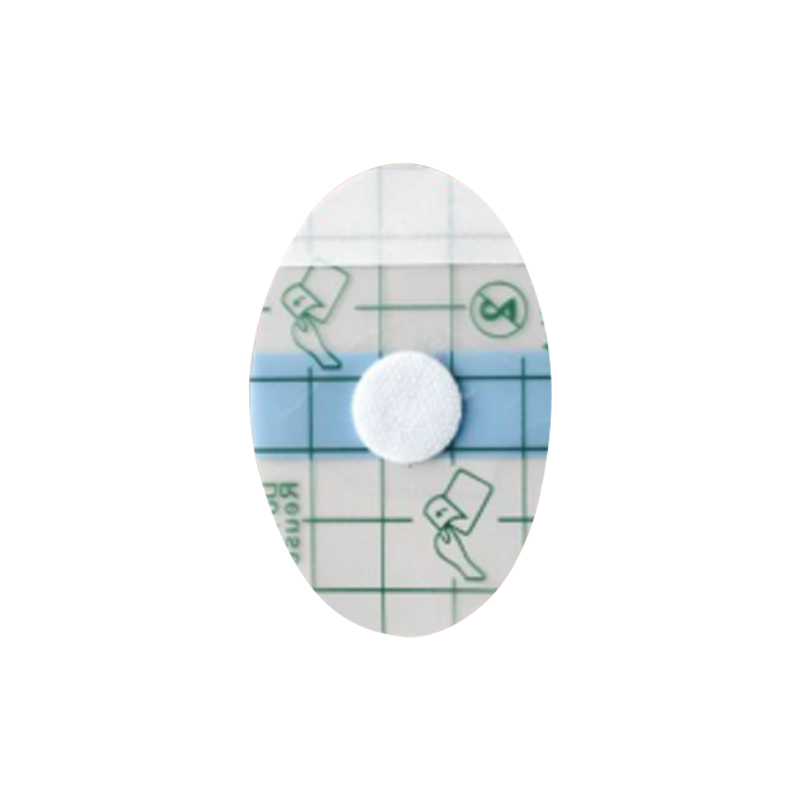 Hypoallergenic Breathable Waterproof Ear Patches
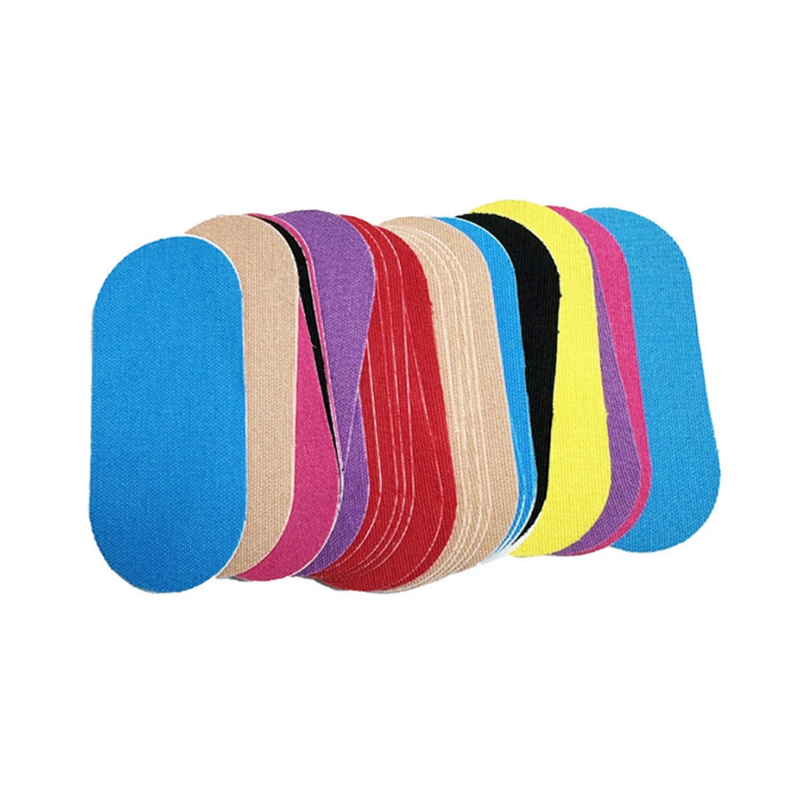 Strong Adhesive And Drug-Free Anti-Snoring Patch
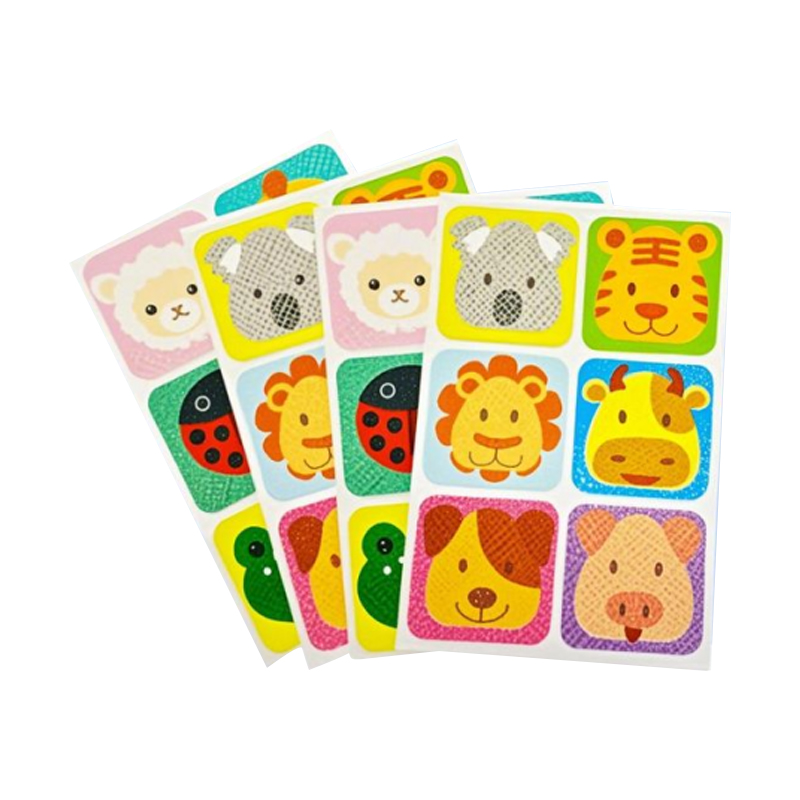 Long-Lasting Mosquito Repellent, Safe And Gentle Mosquito Repellent Stickers
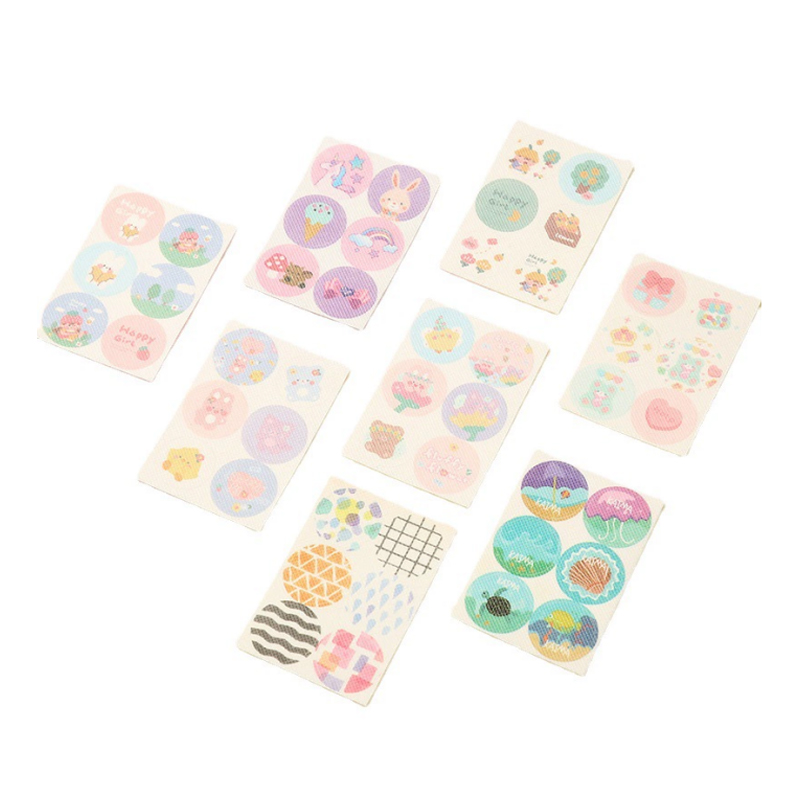 Soothing And Anti-Itching, Mild And Hypoallergenic Soothing Sticker
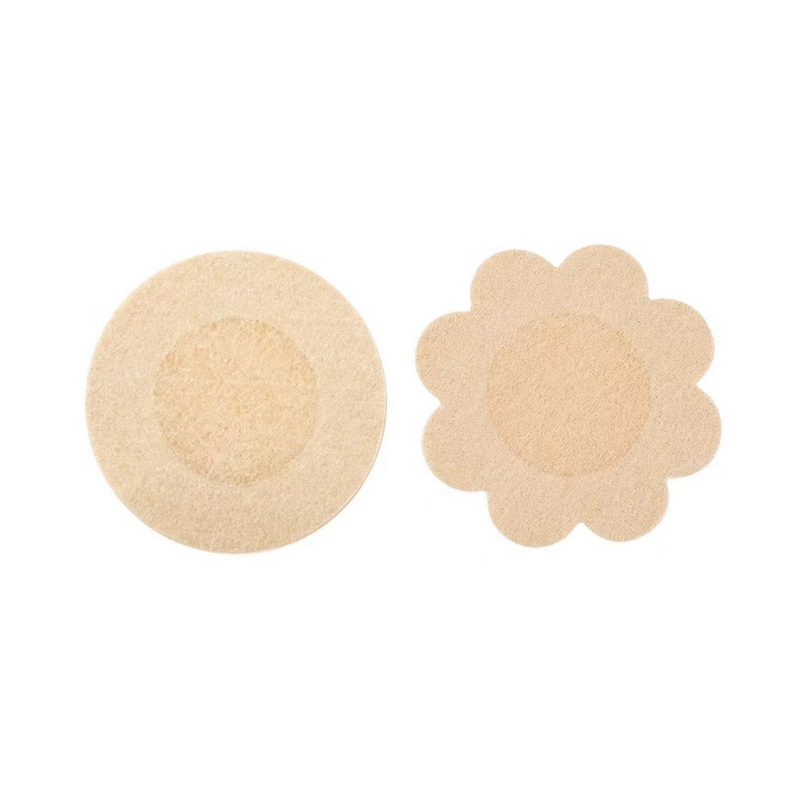 Invisible Non-Slip And Sweat-Proof Nipple Covers
 Portable Design And Reusable Ventilation Nose Strips
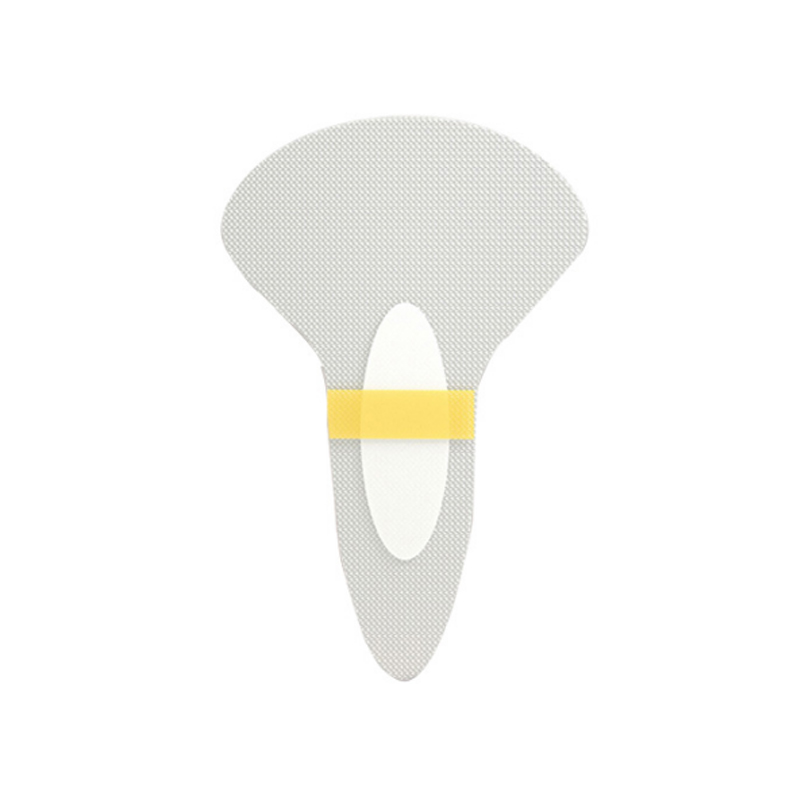 Breathable Comfort Fit Swimming Private Patches
 Strong Adhesion Waterproof And Sweatproof Anti-Exposure Stickers
Copyright © 2024 by Wuxi Xindi Medical Technology Co., Ltd. All Rights Reserved.
medical adhesive tapes manufacturers