
 English
 中文简体
中文简体 日本語
日本語 عربى
عربى русский
 Español
News
Xindi can provide customers with personalized, high-quality products and services to meet the needs of different markets and customers.
Content
Sports bandages are specialized wrapping materials designed to protect, compress, and support muscles, joints, and soft tissues during physical activity. Unlike standard medical bandages used in clinical wound care, sports bandages are engineered for the dynamic demands of athletic performance — they must flex with the body during explosive movements, maintain consistent compression over extended activity periods, and resist moisture from sweat without losing structural integrity. They form a core component of the broader Sports Protection Series alongside athletic tapes, kinesiology tape, and position-specific products like baseball wrist tape, each addressing different stages of athletic need from pre-activity preparation through post-exercise recovery.
The appeal of sports bandages extends well beyond professional athletes. Recreational runners, gym users, team sport players, and anyone engaging in regular high-intensity physical activity benefits from the targeted protection they provide. The underlying mechanism is straightforward: by adding a compressive layer around a vulnerable joint or muscle group, sports bandages reduce excessive range of motion that leads to sprains, absorb some of the mechanical shock that would otherwise be transmitted to soft tissue, and provide proprioceptive feedback — the physical sensation of support that helps athletes move with greater confidence and precision, particularly when returning from a previous injury.
Not all sports bandages are interchangeable. The market offers several distinct categories, each with a different material composition, elasticity level, and intended use case. Selecting the wrong type for a given application reduces effectiveness and can even create problems — excessive rigidity in a compression wrap intended for dynamic activity, for example, can restrict circulation rather than enhance it.
Cohesive elastic bandages — sometimes called self-adherent or self-adhesive bandages — are among the most widely used sports bandage formats. They are made from a non-woven fabric base with a cohesive coating that bonds the bandage to itself without adhesive glue, meaning they do not stick to skin or hair and can be removed quickly without causing discomfort. The elastic construction allows them to conform closely to the contours of ankles, knees, wrists, and elbows while maintaining consistent compression throughout movement. They are particularly valued in contact sports such as rugby, American football, and martial arts, where rapid application and removal at the sideline is a practical necessity. Cohesive bandages are also commonly used in animal sports medicine — their gentle, skin-friendly removal makes them standard equipment in equestrian and veterinary applications.
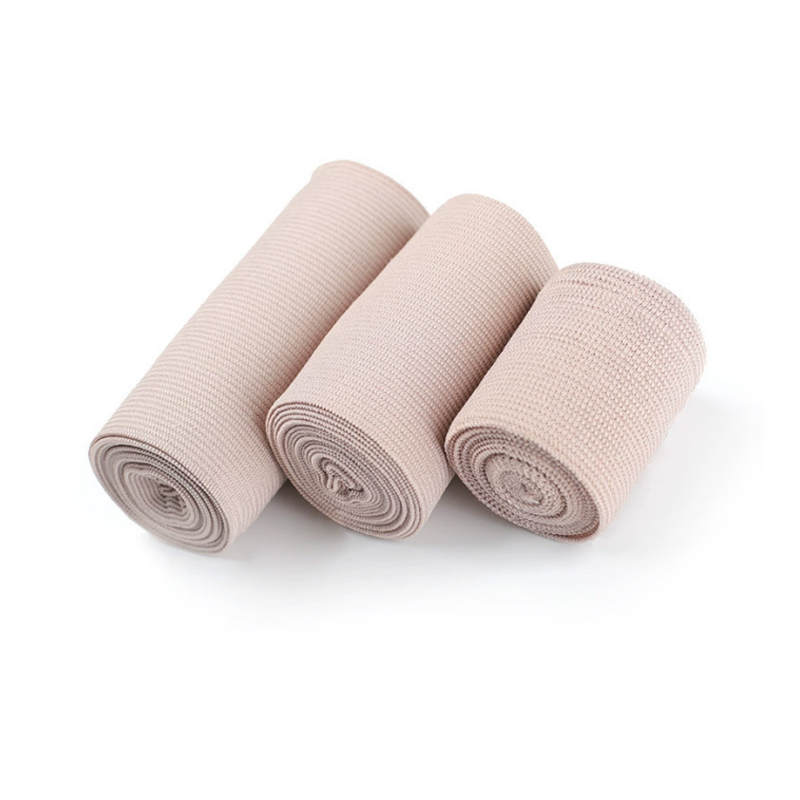
Elastic compression bandages are constructed from woven cotton or cotton-polyester blends with inherent stretch properties. They apply graduated compression to a limb or joint, helping to manage swelling and edema following acute soft tissue injuries such as ankle sprains, muscle strains, and contusions. In sports contexts, they serve a dual role: used preventatively as a light supportive wrap before activity, and therapeutically as part of the RICE (Rest, Ice, Compression, Elevation) protocol immediately after injury. High-quality elastic compression bandages maintain their compression characteristics through repeated washing and reuse, making them a cost-effective long-term addition to any athlete's kit bag.
Crepe bandages are recognizable by their distinctive crinkled texture, produced by a specific weaving pattern that creates natural stretch and recovery. They offer moderate, even compression and are frequently used as an underlayer beneath rigid athletic tape to protect skin and improve overall comfort during extended wear. Crepe bandages are also used standalone for supporting minor sprains in training environments where the athlete needs to continue some level of movement without full immobilization. Their breathable construction makes them suitable for extended wear periods without the skin irritation or moisture buildup that can occur with less breathable wrapping materials.
At the opposite end of the elasticity spectrum, rigid strapping bandages provide firm, non-stretch support that significantly limits joint range of motion in a specific direction. These are used when the clinical priority is to prevent the movement pattern that caused an injury — such as inversion of the ankle following a lateral ankle sprain — while still allowing the athlete to bear weight and move in safer planes of motion. Application requires knowledge of specific strapping techniques, as incorrect application can create pressure points or restrict blood flow. Rigid strapping is commonly applied by sports physiotherapists and athletic trainers rather than by athletes self-applying, and it represents the closest that bandaging approaches the mechanical restriction typically associated with bracing.
Sports bandages are used across virtually every body region that is mechanically loaded during physical activity. The following table maps common body regions to the injury risks addressed and the most appropriate bandage type for each context:
| Body Region | Common Sports Injuries | Recommended Bandage Type | Primary Sports |
| Ankle | Lateral sprain, Achilles strain | Cohesive elastic / Rigid strapping | Basketball, football, trail running |
| Knee | Patella tendinopathy, ligament stress | Elastic compression / Cohesive | Running, cycling, volleyball |
| Wrist | Sprain, carpal tunnel stress | Cohesive elastic / Rigid strapping | Baseball, tennis, gymnastics |
| Elbow | Lateral epicondylitis, UCL stress | Crepe / Elastic compression | Tennis, cricket, throwing sports |
| Thumb and Fingers | Ulnar collateral sprain, jammed fingers | Cohesive elastic (narrow) | Rugby, handball, climbing |
| Calf and Shin | Muscle strain, shin splints | Elastic compression | Distance running, soccer, triathlon |
Sports bandages are most effective when understood as one component within a complete sports protection system rather than a standalone solution. The Sports Protection Series recognizes that different athletes in different situations require different tools, and that optimizing protection often means combining products strategically rather than relying on a single item.
Athletic tapes, for example, provide rigid or semi-rigid joint stabilization that complements the compression function of sports bandages. A common clinical approach pairs a cohesive bandage underlayer — applied directly to the skin to protect it — with rigid athletic tape applied over the top to deliver the directional restriction needed for a specific injury pattern. This layered approach is standard in ankle strapping protocols used by professional sports teams globally, combining the comfort of the inner bandage layer with the mechanical precision of the outer tape structure.
Kinesiology tape serves a different but complementary purpose. While sports bandages primarily provide passive mechanical support and compression, kinesiology tape works by lifting the skin microscopically, improving local circulation and lymphatic drainage, and providing proprioceptive feedback that enhances neuromuscular control. Athletes recovering from muscle strains or managing chronic tendinopathy often benefit from kinesiology tape applied directly to the affected muscle or tendon, with a sports bandage applied over the top for additional joint protection during return-to-sport activities. Understanding this distinction allows athletes and medical staff to build truly individualized protection strategies rather than applying one-size-fits-all solutions.
Even the highest-quality sports bandage delivers suboptimal results if applied incorrectly. The following principles apply across most sports bandage applications and should be understood before wrapping any joint or muscle group:
With multiple bandage types and a wide range of products available in the market, narrowing down the right choice requires evaluating several factors specific to the intended application rather than purchasing based on price or brand alone.
If the goal is preventative support for a healthy joint entering high-risk activity — such as an ankle wrap before a basketball game — a lightweight cohesive elastic bandage provides adequate proprioceptive support without restricting performance. If the goal is managing an active injury with swelling or acute pain, an elastic compression bandage delivering graduated compression is the more appropriate tool, potentially combined with guidance from a physiotherapist before return to sport.
High-intensity, short-duration activities such as sprinting, weightlifting, or combat sports demand bandages with excellent elastic recovery — the ability to return to original dimensions after stretching — so that compression remains consistent throughout the activity. Endurance sports such as long-distance running, cycling, or triathlon demand bandages with superior breathability and moisture management to prevent skin maceration over multi-hour wear periods. Reviewing the technical specifications of any bandage for these properties before purchasing for a specific application prevents performance disappointment in the field.
Athletes with sensitive skin or latex allergies must verify that the bandage they select is latex-free — a specification that reputable manufacturers clearly label on product packaging. For frequent users who apply bandages daily during training blocks, reusable elastic compression bandages that can be washed and rewrapped offer significant cost savings over disposable cohesive bandages, provided the elastic compression properties are verified to be maintained after repeated washing cycles per the manufacturer's laundering guidelines.
 Absorbent, Moisturizing And Non-Irritating Hydrocolloid Acne Patch
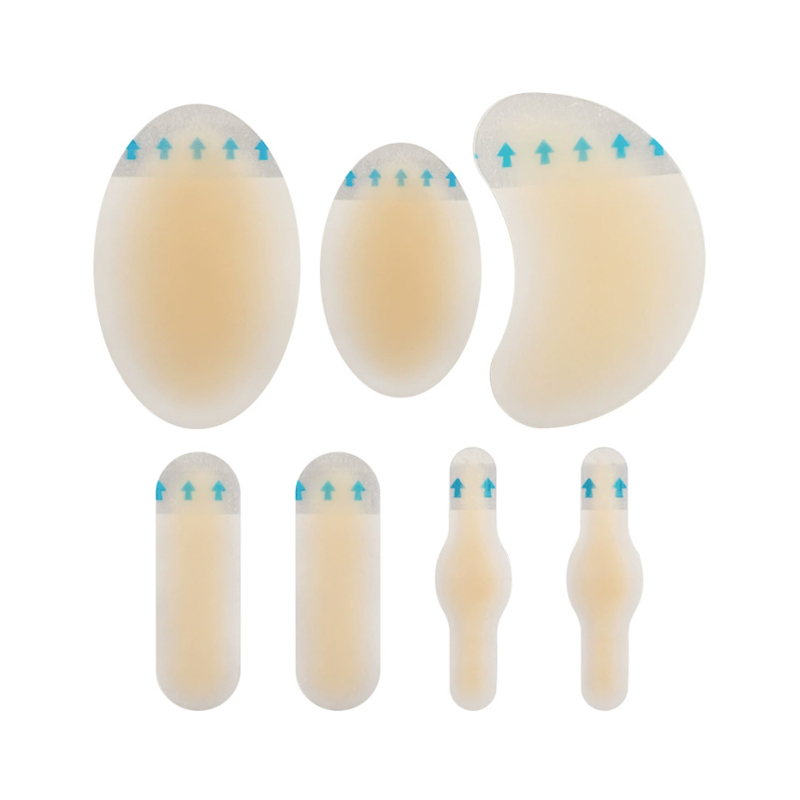 Cushioning, Pressure Reducing, Breathable And Comfortable Heel Patch
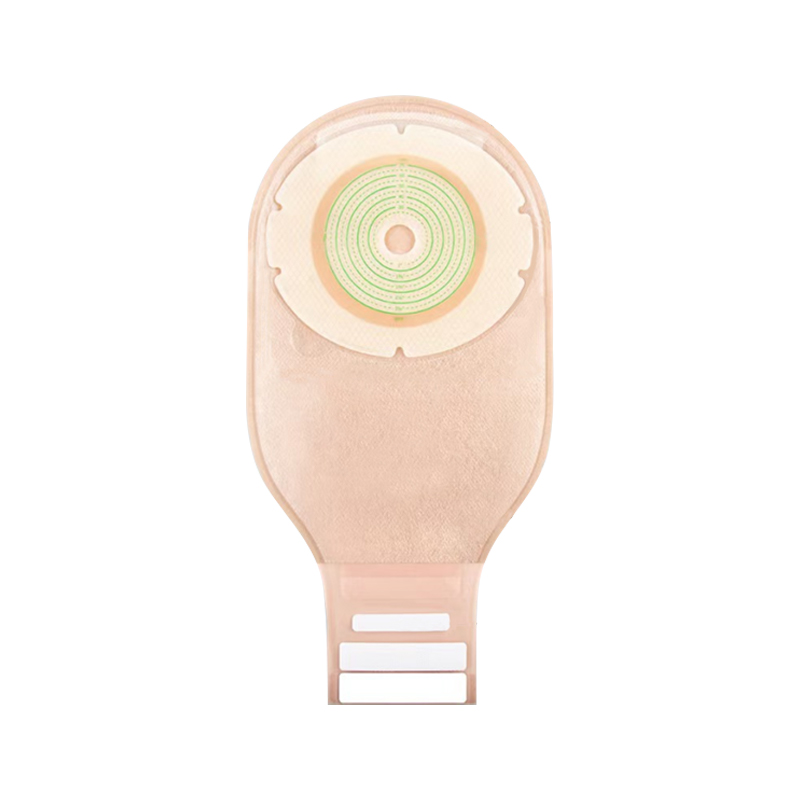 Soft Waterproof and Odor Control Ostomy Pouch
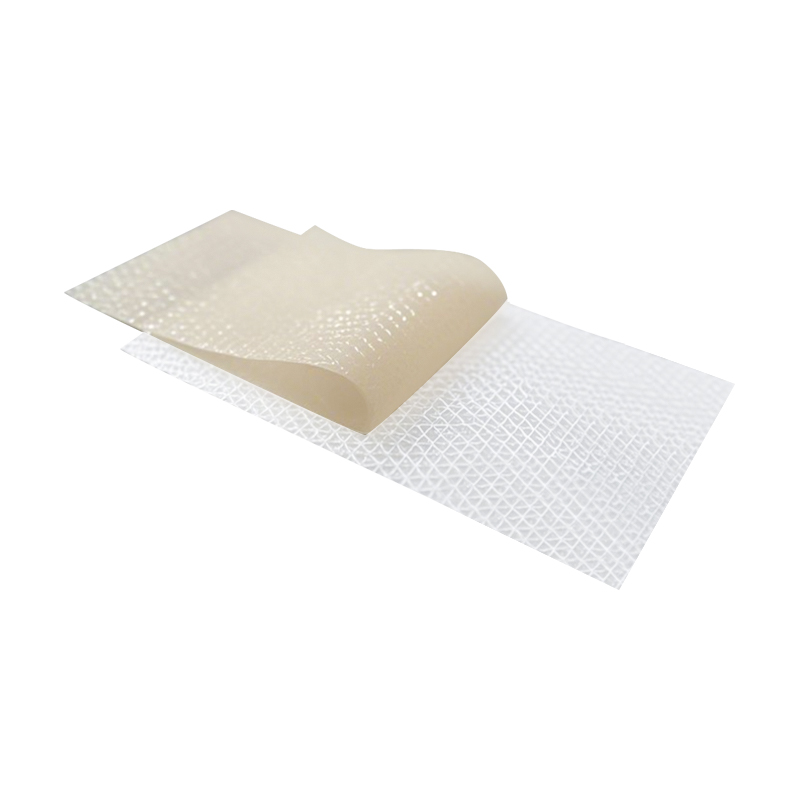 Widely Used Waterproof And Dustproof Silicone Scar Sheets
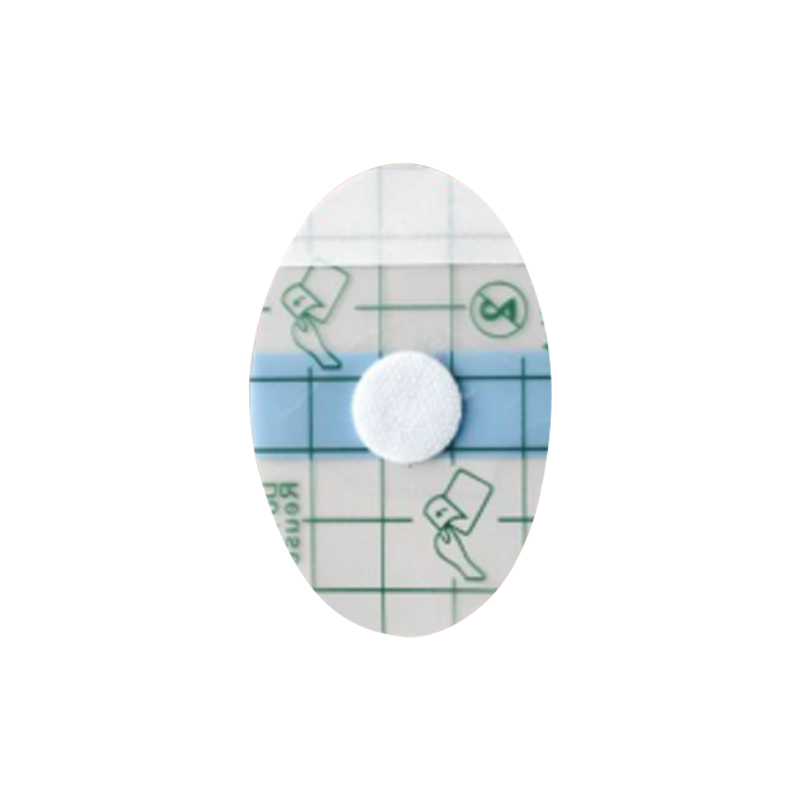 Hypoallergenic Breathable Waterproof Ear Patches
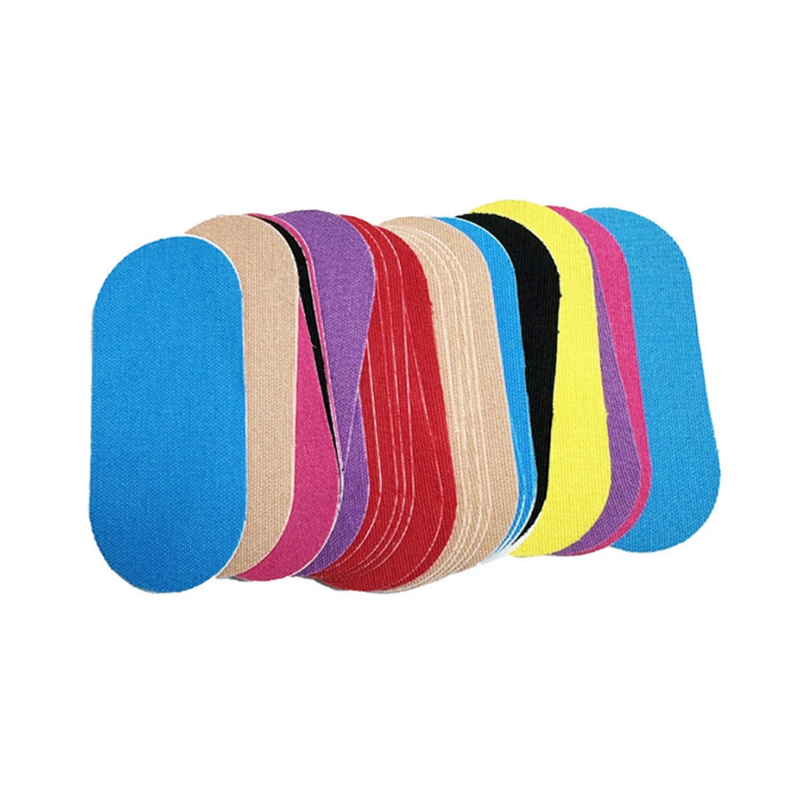 Strong Adhesive And Drug-Free Anti-Snoring Patch
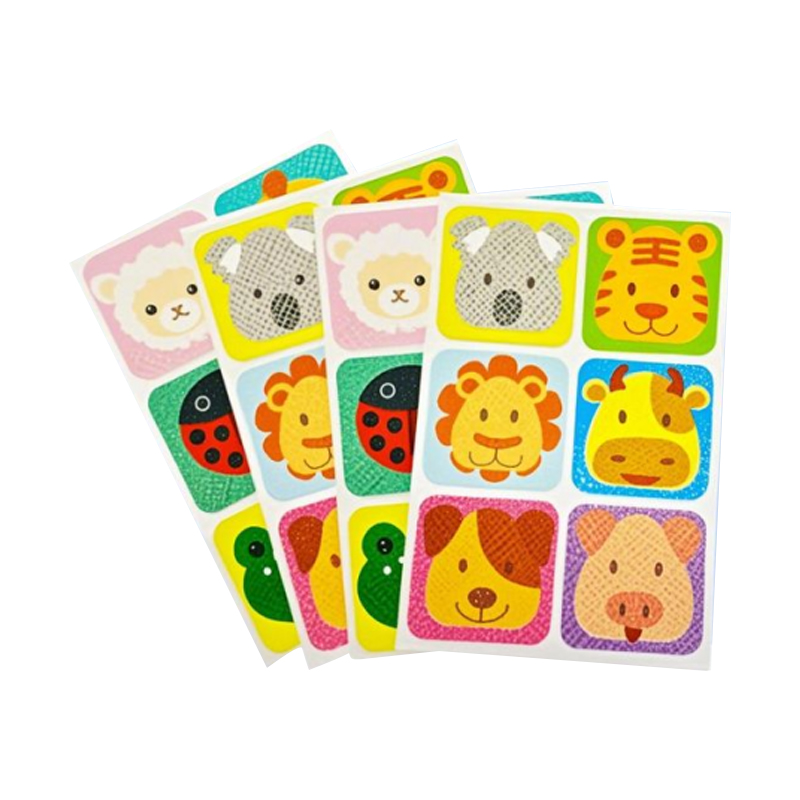 Long-Lasting Mosquito Repellent, Safe And Gentle Mosquito Repellent Stickers
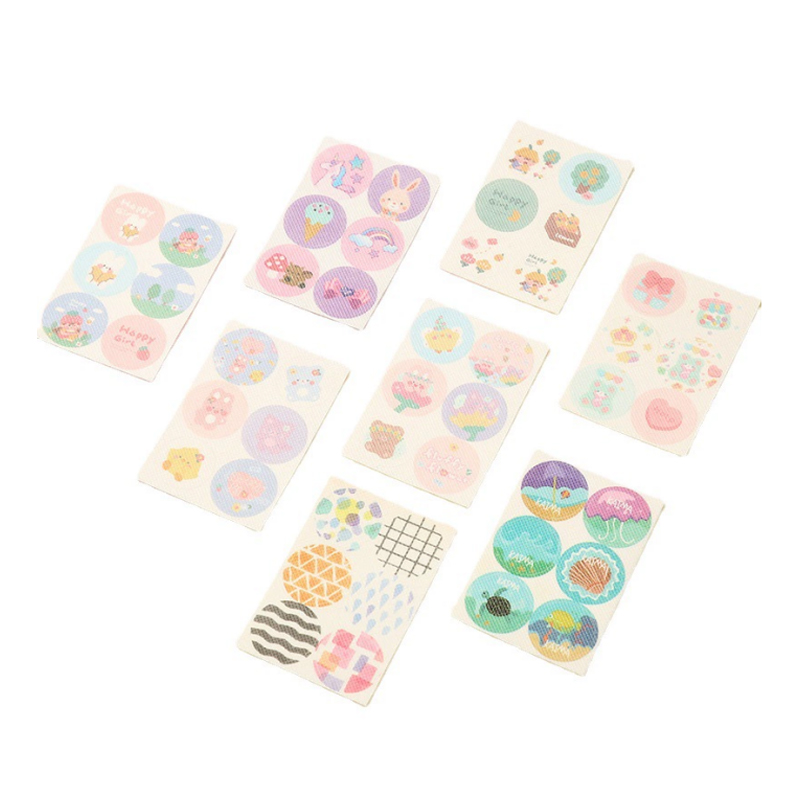 Soothing And Anti-Itching, Mild And Hypoallergenic Soothing Sticker
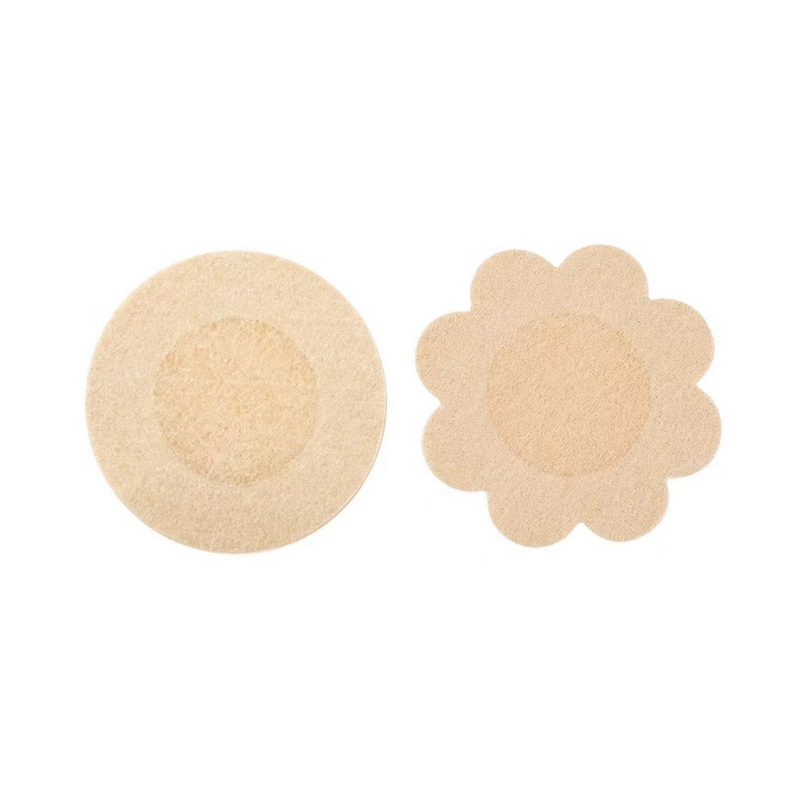 Invisible Non-Slip And Sweat-Proof Nipple Covers
 Portable Design And Reusable Ventilation Nose Strips
 Breathable Comfort Fit Swimming Private Patches
 Strong Adhesion Waterproof And Sweatproof Anti-Exposure Stickers
Copyright © 2024 by Wuxi Xindi Medical Technology Co., Ltd. All Rights Reserved.
medical adhesive tapes manufacturers