
 English
 中文简体
中文简体 日本語
日本語 عربى
عربى русский
 Español
News
Xindi can provide customers with personalized, high-quality products and services to meet the needs of different markets and customers.
Content
When athletes, coaches, and medical professionals refer to a sports bandage with good plasticity, they are describing a bandage that combines controlled elasticity, shape retention, and conformability — the ability to mold precisely to complex body contours such as ankles, wrists, knees, and shoulders without bunching, slipping, or losing its supportive structure during movement. Plasticity in this context is not simply about stretchability. A truly high-plasticity sports bandage returns to its intended form after being stretched and maintains consistent compression throughout an activity, whether that involves explosive sprints, heavy lifting, or sustained endurance effort.
The distinction between a high-plasticity bandage and a basic elastic wrap is significant. A low-quality elastic bandage may stretch freely but then either loses tension rapidly — providing inadequate support after the first 20 minutes of activity — or restricts circulation by applying uneven pressure as the joint moves through its range of motion. A good plasticity sports bandage, by contrast, is engineered with a defined stretch ratio (commonly 50–150% elongation at rest), a recovery rate above 90%, and a multi-directional weave structure that adapts to three-dimensional movement without compromising the compression gradient it is designed to maintain.
The plasticity of a sports bandage is fundamentally determined by its fiber composition and weave construction. Understanding the materials used helps athletes and medical users make informed purchasing decisions based on their specific activity demands.
Spandex (also marketed as Lycra or elastane) is the primary fiber responsible for the elastic recovery in most premium sports bandages. When integrated at concentrations of 15–30% with cotton, polyester, or nylon base fibers, spandex provides excellent stretch recovery while the base fiber contributes breathability, moisture management, and durability. Bandages with higher spandex content tend to offer more aggressive compression and faster recovery, making them suitable for high-intensity sports such as basketball, football, and martial arts.
Many high-plasticity sports bandages use a cohesive structure — the bandage adheres to itself but not to skin or hair, allowing secure layered application without clips or tape. The cohesive layer is typically made from natural latex or latex-free synthetic polymer and is applied to a woven elastic substrate. This construction allows the bandage to maintain its applied tension far more reliably than non-cohesive wraps, particularly during multi-directional athletic movements where traditional bandages tend to unravel or shift.
For general sports use and post-exercise recovery applications, cotton-elastic hybrid bandages offer a balance of soft skin feel, breathability, and moderate plasticity. These bandages are ideal for lower-intensity sports, recreational athletes, and situations where the bandage will be worn for extended periods such as overnight joint support following a training session. The cotton component wicks perspiration effectively, reducing the risk of skin maceration under the bandage during prolonged wear.
A good plasticity sports bandage serves multiple overlapping functions simultaneously, which is what separates it from simple padding or rigid taping methods. Each function directly contributes to athletic performance, injury prevention, or recovery outcomes.
Good plasticity sports bandages are not a one-size-fits-all solution. Their application is most effective when matched to the specific biomechanical demands of the sport and the anatomical characteristics of the target body region.
| Body Part | Common Sports | Primary Bandage Function |
| Ankle | Basketball, Football, Trail Running | Inversion prevention, post-sprain support |
| Knee | Volleyball, Cycling, Skiing | Patellar tracking, ligament protection |
| Wrist | Tennis, Weightlifting, Boxing | Hyperextension prevention, tendon support |
| Shoulder | Swimming, Baseball, Handball | Rotator cuff support, instability management |
| Elbow | Tennis, Golf, Climbing | Epicondylitis compression, hyperextension guard |
| Calf and Shin | Marathon Running, Soccer, Rugby | Muscle vibration reduction, shin splint management |
| Hand and Fingers | Martial Arts, Rock Climbing, Cricket | Buddy taping, metacarpal protection |
Even the highest quality bandage will fail to deliver its intended benefits if applied incorrectly. Proper application technique is essential to achieving the right compression gradient, ensuring the bandage stays in place during activity, and avoiding the circulation problems that can result from excessively tight wrapping.
Ensure the skin is clean, dry, and free from lotions or oils that could reduce bandage adhesion. For latex-cohesive bandages, no skin preparation tape is needed. However, for non-cohesive elastic bandages applied over bony prominences such as the malleolus of the ankle or the patella, a thin layer of foam underwrap protects against pressure sores and abrasion during prolonged activity. Position the joint in its functional or neutral position before beginning the wrap to ensure the finished bandage allows comfortable movement without excessive restriction.
Begin wrapping distally (furthest from the body core) and progress proximally to encourage venous return and prevent distal swelling. Apply the bandage with consistent tension — typically 50–70% of the bandage's maximum stretch for general support, or up to 80–90% for acute injury compression. Overlap each layer by 50% of the bandage width to ensure even pressure distribution and avoid gaps in coverage. Complete the wrap with two or three anchor turns at the proximal end and secure with the self-adhesive cohesive finish or a metal clip, checking that two fingers can be slid underneath the bandage with mild resistance as a tension calibration check.
After applying the bandage, check for signs of excessive compression including tingling, numbness, skin color changes (pallor or cyanosis), or the inability to actively move fingers or toes distal to the wrap. These signs indicate the bandage is too tight and must be immediately removed and reapplied with less tension. During exercise, monitor for bandage migration or loosening, particularly in high-sweat conditions where cohesive properties may be partially compromised, and rewrap if support quality diminishes.
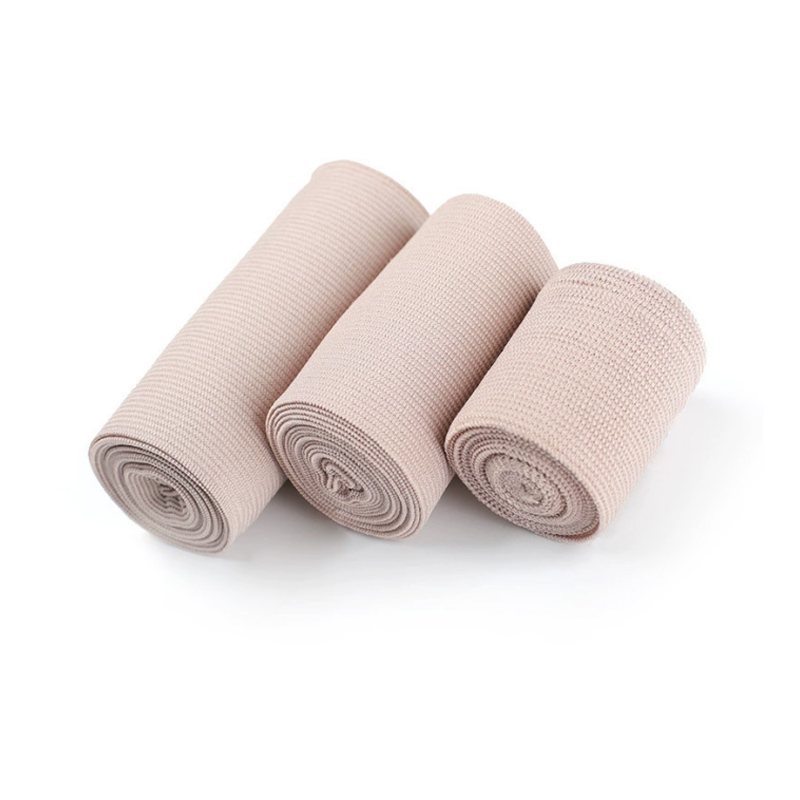
With a wide variety of sports bandages available across different price points, widths, and materials, selecting the most appropriate product requires matching the bandage specification to the intended application.
Good plasticity sports bandages occupy a uniquely important position in athletic performance and injury management — they are simultaneously preventive tools, therapeutic devices, and performance accessories. The defining characteristic of plasticity — the ability to conform, support, and recover without losing functional tension — is what separates a truly effective sports bandage from a generic elastic wrap. Whether you are a competitive athlete managing a chronic joint issue, a weekend warrior recovering from an acute sprain, or a sports medicine professional supporting a full team roster, investing in a high-plasticity sports bandage matched to the specific demands of your sport and anatomy will deliver measurable benefits in protection, performance, and recovery efficiency across every training session and competition.
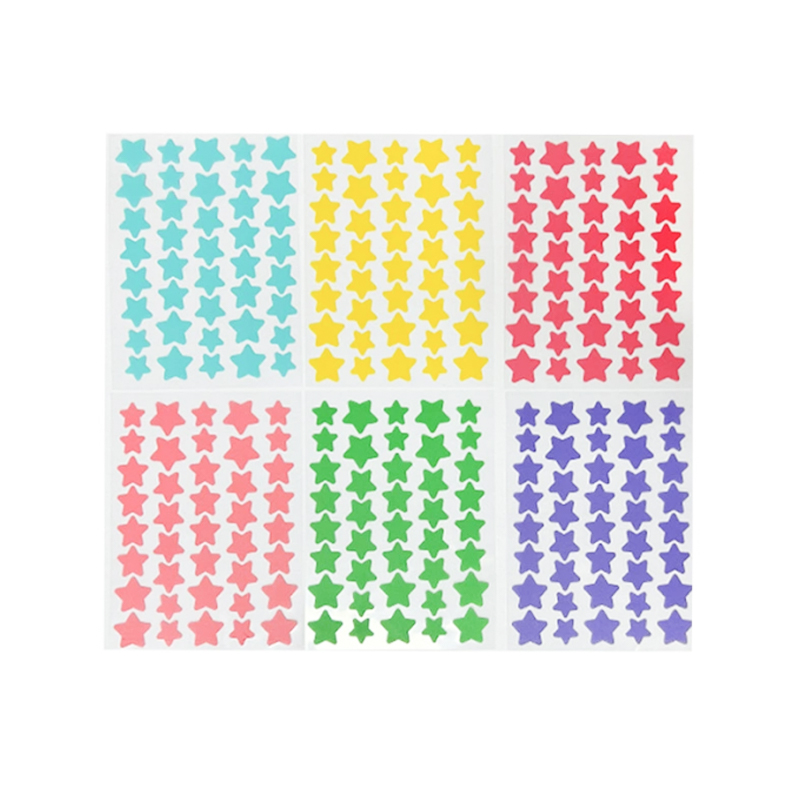 Absorbent, Moisturizing And Non-Irritating Hydrocolloid Acne Patch
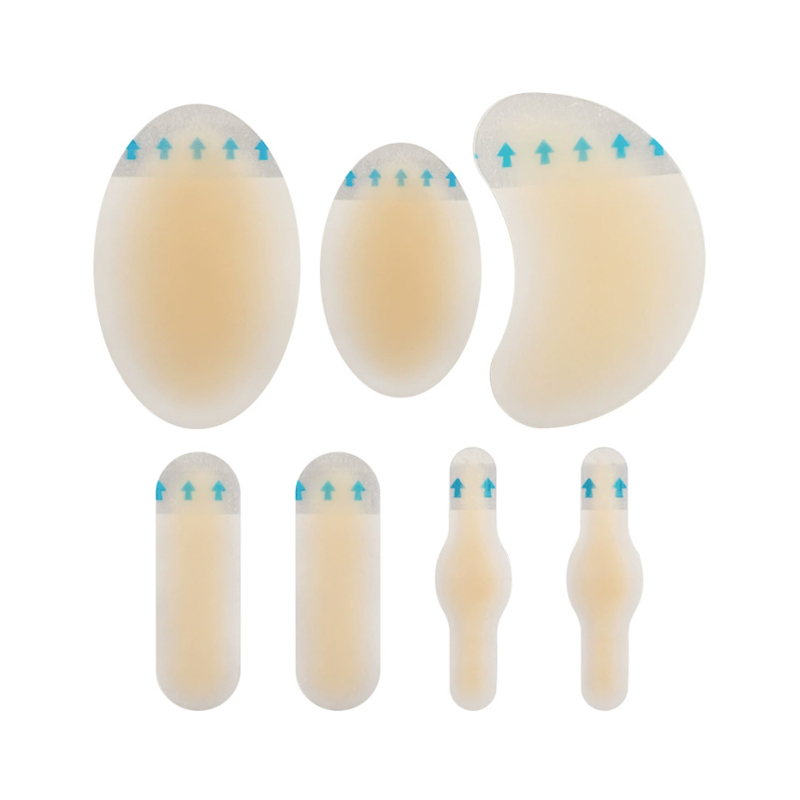 Cushioning, Pressure Reducing, Breathable And Comfortable Heel Patch
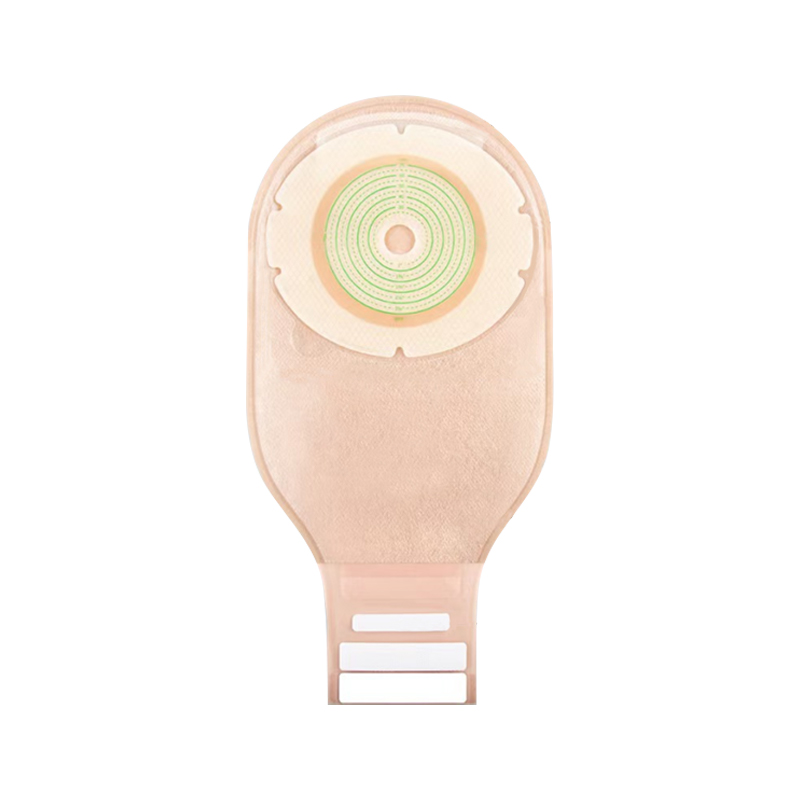 Soft Waterproof and Odor Control Ostomy Pouch
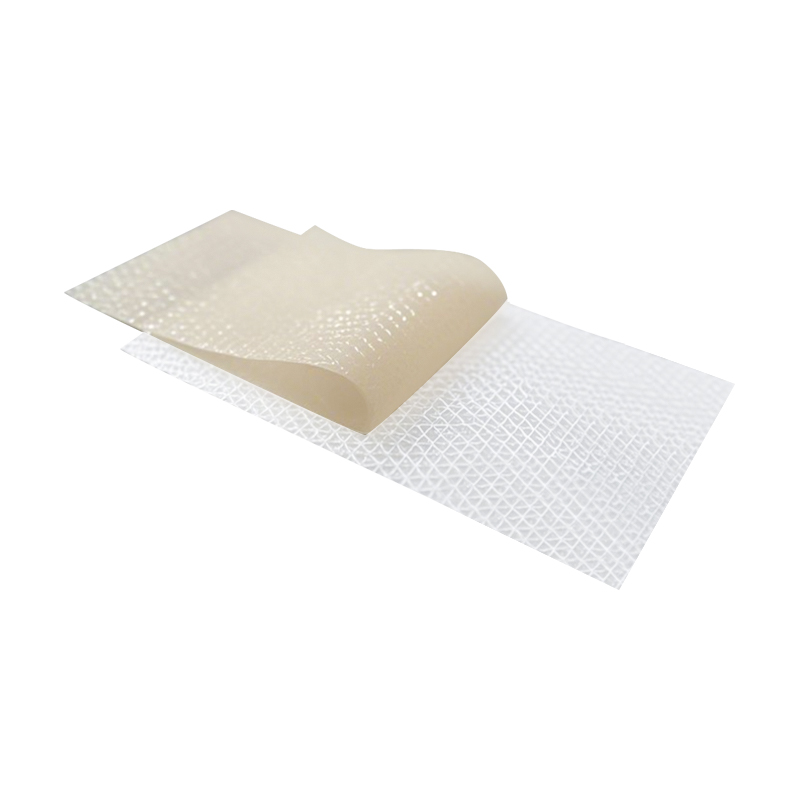 Widely Used Waterproof And Dustproof Silicone Scar Sheets
 Hypoallergenic Breathable Waterproof Ear Patches
 Strong Adhesive And Drug-Free Anti-Snoring Patch
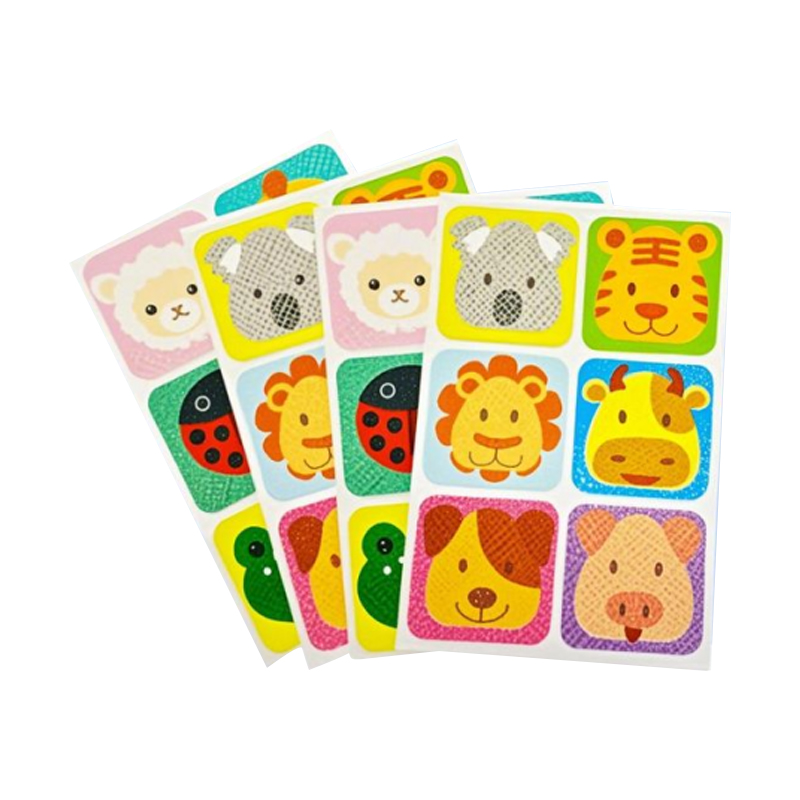 Long-Lasting Mosquito Repellent, Safe And Gentle Mosquito Repellent Stickers
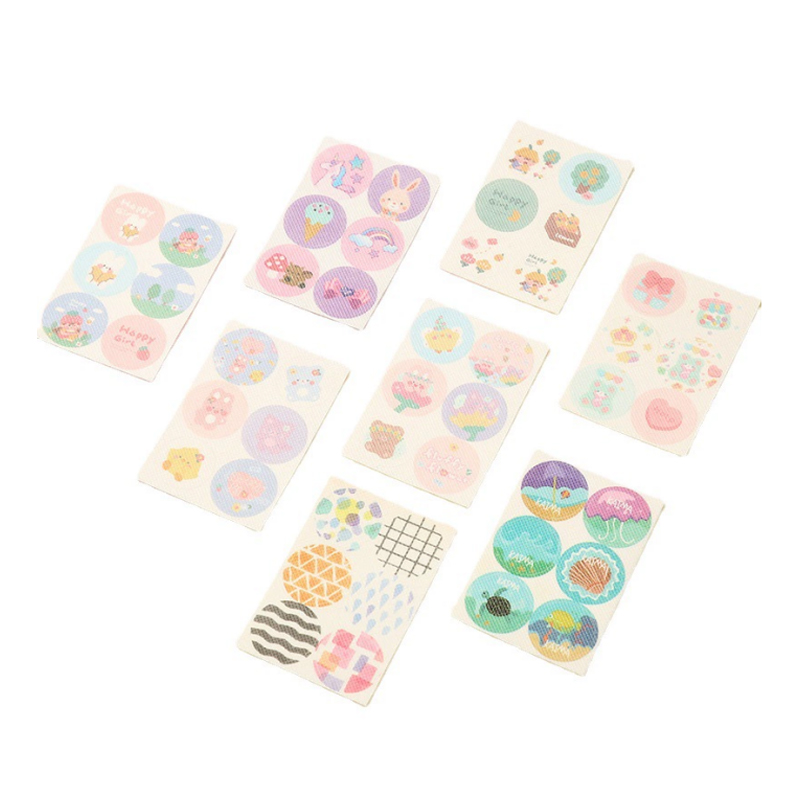 Soothing And Anti-Itching, Mild And Hypoallergenic Soothing Sticker
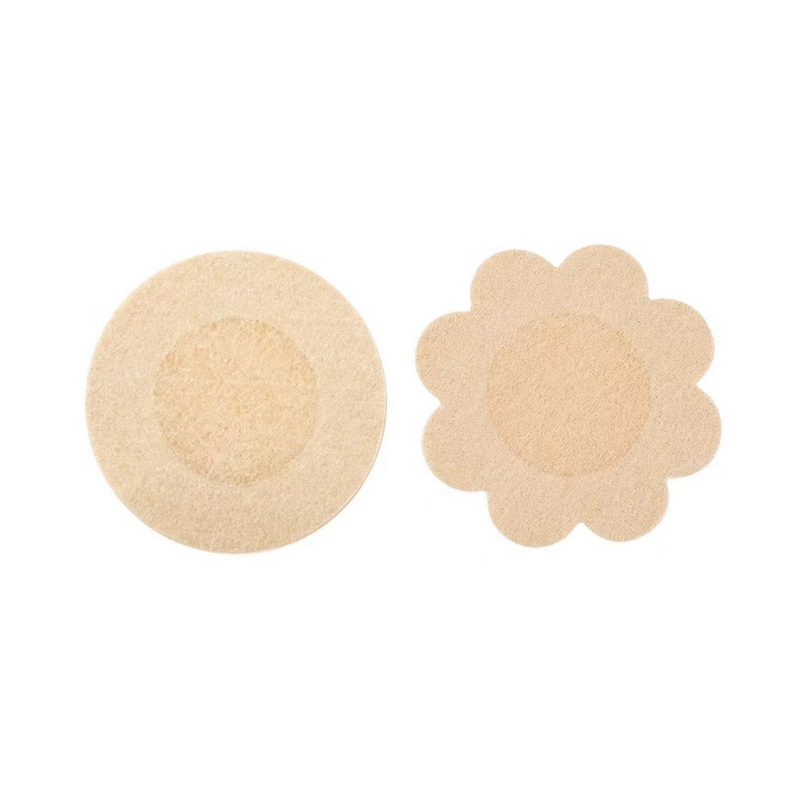 Invisible Non-Slip And Sweat-Proof Nipple Covers
 Portable Design And Reusable Ventilation Nose Strips
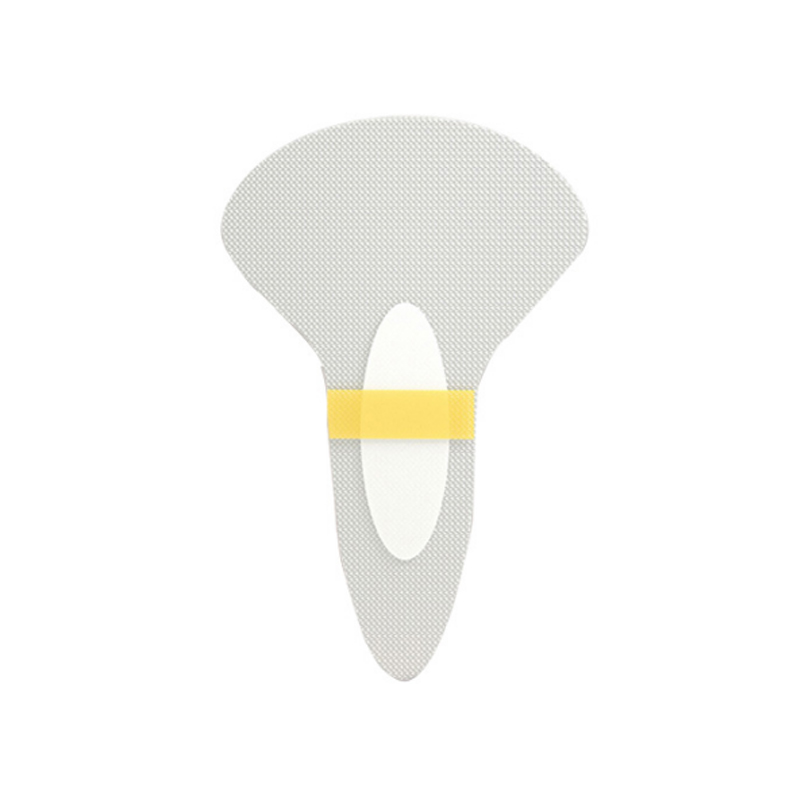 Breathable Comfort Fit Swimming Private Patches
 Strong Adhesion Waterproof And Sweatproof Anti-Exposure Stickers
Copyright © 2024 by Wuxi Xindi Medical Technology Co., Ltd. All Rights Reserved.
medical adhesive tapes manufacturers