English
 中文简体
中文简体 日本語
日本語 عربى
عربى русский
 Español
Good Plasticity Sports Bandages Manufacturers
Xindi can provide customers with personalized, high-quality products and services to meet the needs of different markets and customers.
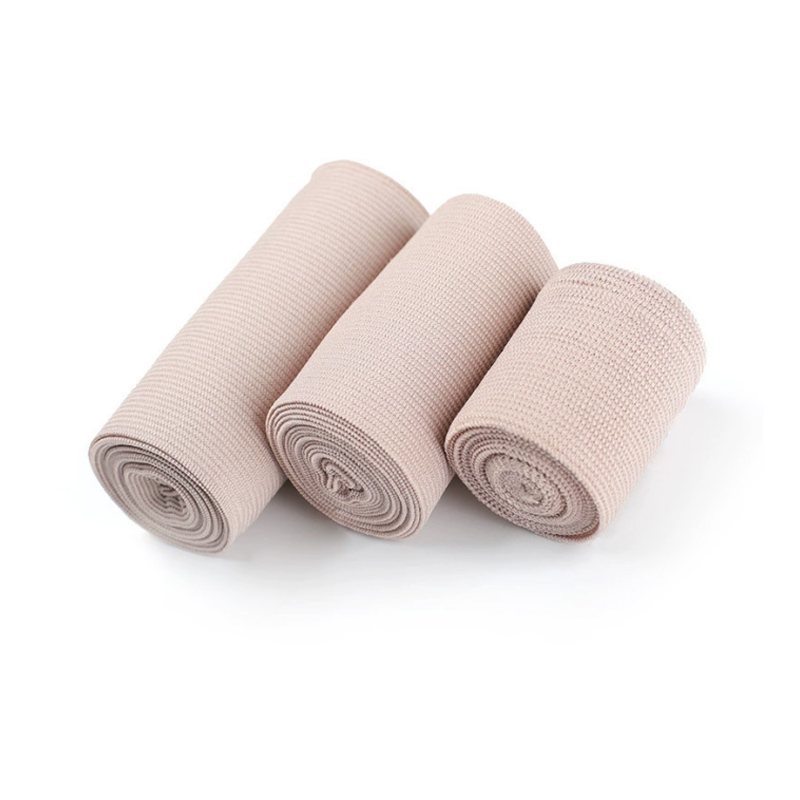
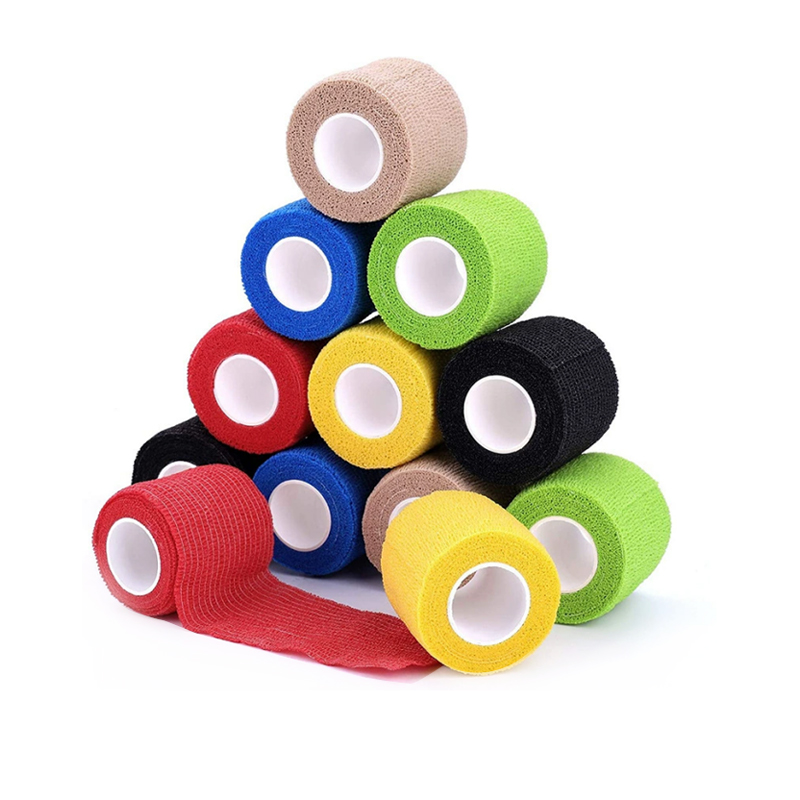
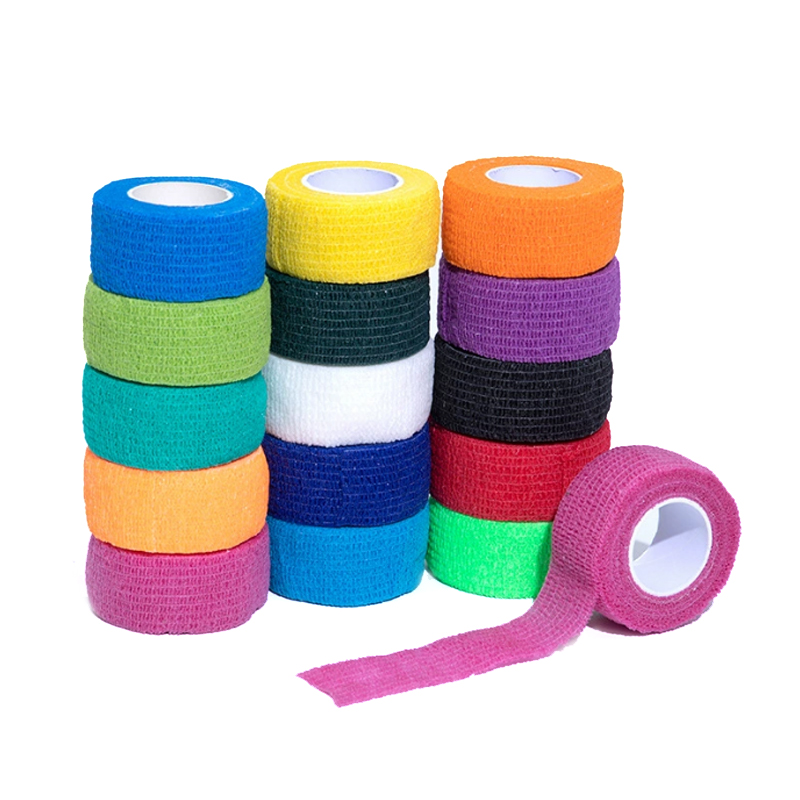
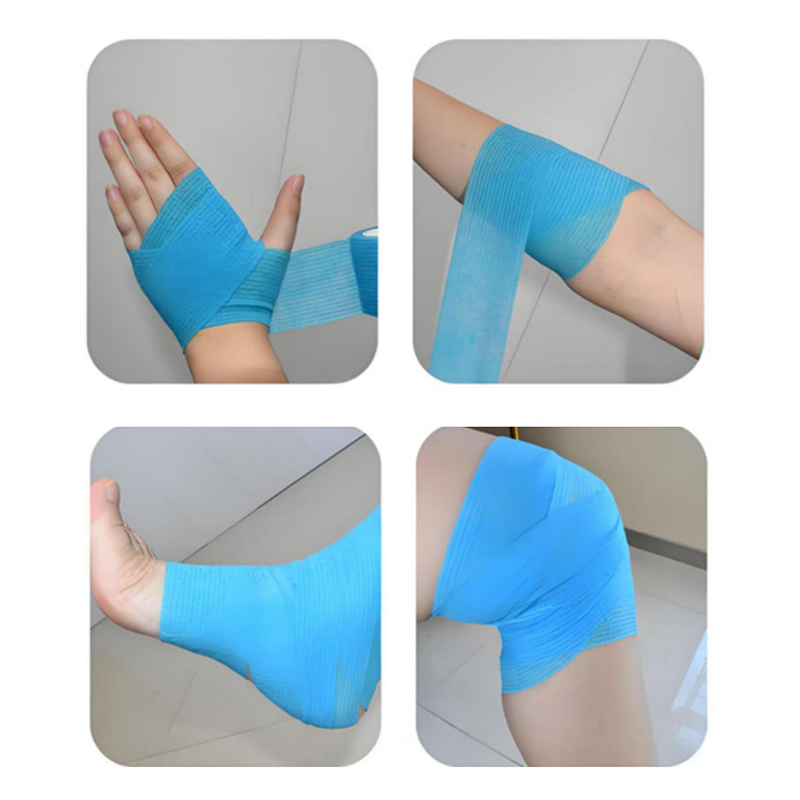
Characteristic:
1. High elasticity: It is usually made by blending elastic fiber materials such as spandex, latex, etc. with cotton materials, which have excellent elasticity.
2. Good breathability: It allows air to circulate freely, allowing the skin to "breathe" and quickly excrete sweat and moisture during exercise, keeping the skin dry.
3. Soft and comfortable: The texture is soft and feels smooth when in contact with the skin, without causing friction or irritation to the skin.
4. Strong support: With a certain thickness and strength, it can provide effective support for muscles, joints, and other parts, helping to reduce joint pressure, share muscle load, and reduce the possibility of injury during exercise.
5. Good plasticity: It can be wrapped according to different needs, closely fitting the body curve, ensuring that it will not shift or loosen during movement.
6. Good durability: It can withstand various external forces such as stretching, friction, and twisting during exercise, is not easily damaged, and can be reused multiple times.
7. Easy to operate: The method of use is simple, and it can be quickly wrapped and fixed without complex skills, providing support for the parts that need protection in a short period of time.
8. Diverse colors: Generally, there are multiple colors to choose from, and you can choose the appropriate color according to your own needs.
9. Lightweight and portable: It can be placed in a backpack and can be easily used in various scenarios.
Application scenarios:
1. Sports injury prevention: In basketball, football, athletics, gymnastics and other sports, it is used to fix and support joints and muscles in advance to prevent possible injuries such as strains and sprains during exercise.
2. Sports injury treatment: For acute injuries such as muscle strains and joint sprains during exercise, or for some chronic sports injuries, sports bandages can be used for emergency treatment or auxiliary recovery, such as fixing the injured area, reducing pain, and promoting recovery.
3. Rehabilitation training assistance: During the rehabilitation training phase after injury, help stabilize the injured area, provide support for muscles and joints, assist in the progress of rehabilitation training, improve training effectiveness, and prevent secondary injuries.
4. Special sports requirements: In extreme sports such as rock climbing and mountaineering, specific parts can be reinforced and fixed; In strength training such as weightlifting, it helps stabilize the wrist, waist, and other areas, improving strength transmission and body stability.
How Wound Type Determines Which Dressing Patch Actually Works Choosing a dressing patch based on wh...
View MoreUnderstanding the Role of Neutral Electrode Pads in Electrosurgery In monopolar electrosurgical proc...
View MoreMedical-grade silicone gel products have become a standard recommendation in post-surgical care and ...
View MoreA blister is one of the body's simplest defense mechanisms, yet it can turn a normal day into an unc...
View MoreWhat Are Sports Bandages and Why Do Athletes Rely on Them? Sports bandages are specialized wrapping ...
View MoreCopyright © 2024 by Wuxi Xindi Medical Technology Co., Ltd. All Rights Reserved.
Good Plasticity Sports Bandages Wholesale