
 English
 中文简体
中文简体 日本語
日本語 عربى
عربى русский
 Español
News
Xindi can provide customers with personalized, high-quality products and services to meet the needs of different markets and customers.
Content
In monopolar electrosurgical procedures, electrical current must travel from the active electrode through the patient's body and return safely to the generator. The neutral electrode pad, also known as a return electrode or dispersive pad, is the component responsible for completing this circuit without causing thermal injury. Its job is deceptively simple in concept but demanding in execution: spread current density evenly across the skin's surface so that no single point overheats. A well-designed disposable neutral electrode pad accomplishes this through a combination of conductive gel, adhesive backing, and a low-resistance return path built into the pad itself.
Because these pads sit in direct, prolonged contact with patient skin during procedures that can last anywhere from a few minutes to several hours, the materials and construction directly influence patient outcomes. Poor adhesion, uneven gel distribution, or inadequate conductive surface area can lead to burns, one of the more preventable but still reported complications in electrosurgery. This is why hospitals, ambulatory surgical centers, and procurement teams pay close attention to the specifications behind what might look like a simple adhesive pad.
A typical disposable neutral electrode pad consists of several layered components working together. The base layer is usually a non-woven or foam substrate that flexes with the body's contours, allowing consistent skin contact even over curved or moving areas like the thigh or shoulder. Bonded to this substrate is a conductive element, often a thin layer of aluminum foil or a printed conductive ink, which carries the electrical current to the return cable connector.
Covering the conductive layer is a hydrogel or wet-gel material that makes direct contact with the skin. This gel serves two purposes: it lowers skin impedance for efficient current transfer, and it provides adhesion strong enough to keep the pad in place during patient repositioning. Around the gel area, a medical-grade adhesive border secures the pad to skin without irritating surrounding tissue. Some designs incorporate a split or dual-zone pad, which divides the conductive area into two sections connected to a monitoring circuit that can detect if part of the pad loses contact, triggering an alarm before current density becomes concentrated in a smaller area.
| Component | Typical Material | Function |
| Backing layer | Non-woven foam or fabric | Flexibility and comfort |
| Conductive layer | Aluminum foil or conductive ink | Current transmission |
| Contact gel | Hydrogel or wet-gel | Impedance reduction, adhesion |
| Border adhesive | Medical-grade acrylic adhesive | Skin fixation |
Split, or dual-zone, neutral electrode pads have become the standard in most modern operating rooms because they enable Return Electrode Contact Quality Monitoring (RECQM). This system continuously measures impedance across the two halves of the pad. If the impedance between the two zones becomes uneven, indicating that part of the pad has lifted or lost contact, the generator either alarms or automatically halts current delivery. This real-time feedback loop is one of the most significant safety advances in electrosurgery over the past several decades, and it places specific engineering demands on the pad itself: the two conductive zones must be electrically isolated from each other while remaining close enough together that the monitoring signal reads accurately.
Single-piece pads without this monitoring function still exist and are used in some lower-risk procedures, but they rely entirely on correct placement and periodic visual checks by clinical staff. For procedures involving significant patient movement, extended duration, or high-power settings, split-pad designs with monitoring capability are generally preferred.
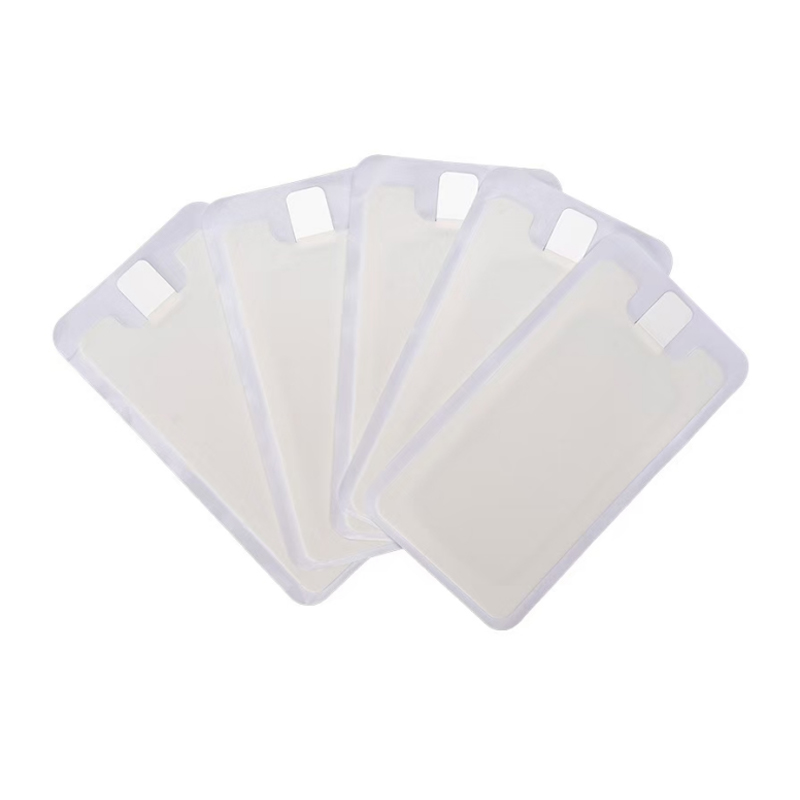
Correct placement is just as important as pad quality. The ideal site is a well-vascularized, muscular area free of bony prominences, scar tissue, and excessive hair. Common placement sites include the thigh, upper arm, and back, chosen based on the surgical site and the need to keep the pad within a reasonable distance of the active electrode to minimize current pathway resistance.
One frequently overlooked factor is pad expiration. Hydrogel formulations are designed to retain a specific moisture content, and as that moisture evaporates over time, even within sealed packaging, impedance rises and adhesion weakens. Using expired stock, even by a short margin, can compromise both circuit integrity and skin safety.
Not every clinical environment has the same requirements. High-volume operating rooms performing lengthy procedures such as cardiac or orthopedic surgery typically prioritize split-pad designs with contact quality monitoring, larger conductive surface areas to accommodate higher power settings, and hypoallergenic adhesives suited for extended wear. Outpatient and same-day procedure centers, where surgeries are generally shorter and lower power, may opt for cost-efficient single-piece pads while still meeting baseline conductivity standards.
Pediatric care introduces additional considerations. Smaller pad sizes reduce the risk of the pad extending beyond appropriate anatomical boundaries, and gentler adhesives help protect thinner, more sensitive skin. Facilities that serve mixed patient populations often stock multiple pad sizes and adhesive strengths to match these varying needs rather than relying on a single universal product.
| Specification | Consideration |
| Conductive surface area | Matches expected power output and procedure duration |
| Monitoring compatibility | Must match generator's RECQM system, if applicable |
| Adhesive strength | Adjusted for skin sensitivity and procedure length |
| Shelf life | Affects inventory turnover and storage planning |
Disposable neutral electrode pads are regulated as medical devices in most markets, meaning manufacturers must demonstrate compliance with recognized standards for electrical safety and biocompatibility. Testing typically covers impedance thresholds across the pad surface, adhesive peel strength, and skin sensitization risk of the gel and adhesive components. Facilities purchasing these pads should request documentation confirming compliance with relevant standards such as IEC 60601 series requirements for electrosurgical accessories, along with biocompatibility testing results under ISO 10993.
Batch consistency is another practical concern. Because these pads are single-use and ordered in bulk, variation between production batches, whether in gel moisture content or adhesive coating thickness, can affect performance even when the product nominally meets specification. Working with suppliers that maintain tight process controls and provide batch testing records helps reduce this variability and supports more predictable clinical outcomes.
Proper storage extends pad performance and reduces waste. Hydrogel pads should be kept in a cool, dry environment away from direct sunlight and temperature extremes, both of which accelerate gel dehydration. Packaging should remain sealed until immediate use, and pads should be stored flat rather than folded to avoid stressing the adhesive layer. Facilities managing large inventories benefit from first-in, first-out rotation practices to ensure older stock is used before newer shipments, minimizing the chance of pads reaching the shelf near or past their expiration window.
Ultimately, the disposable neutral electrode pad is a small component with an outsized role in surgical safety. Its performance depends on a combination of sound material engineering, correct clinical application, and disciplined inventory management. Facilities that treat pad selection and handling with the same rigor applied to other surgical instruments are better positioned to maintain consistent, safe electrosurgical outcomes across every procedure.
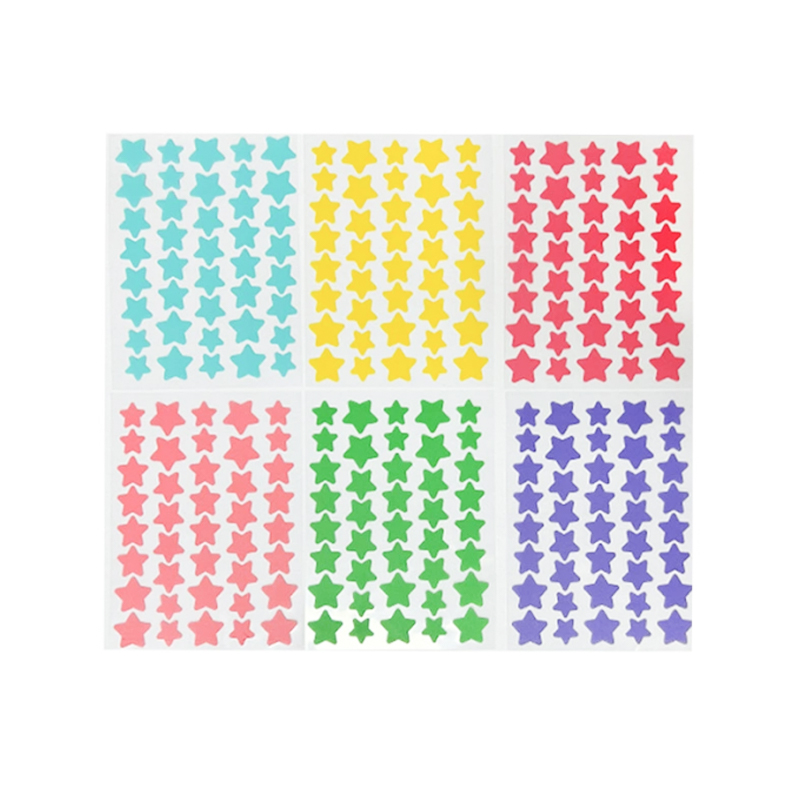 Absorbent, Moisturizing And Non-Irritating Hydrocolloid Acne Patch
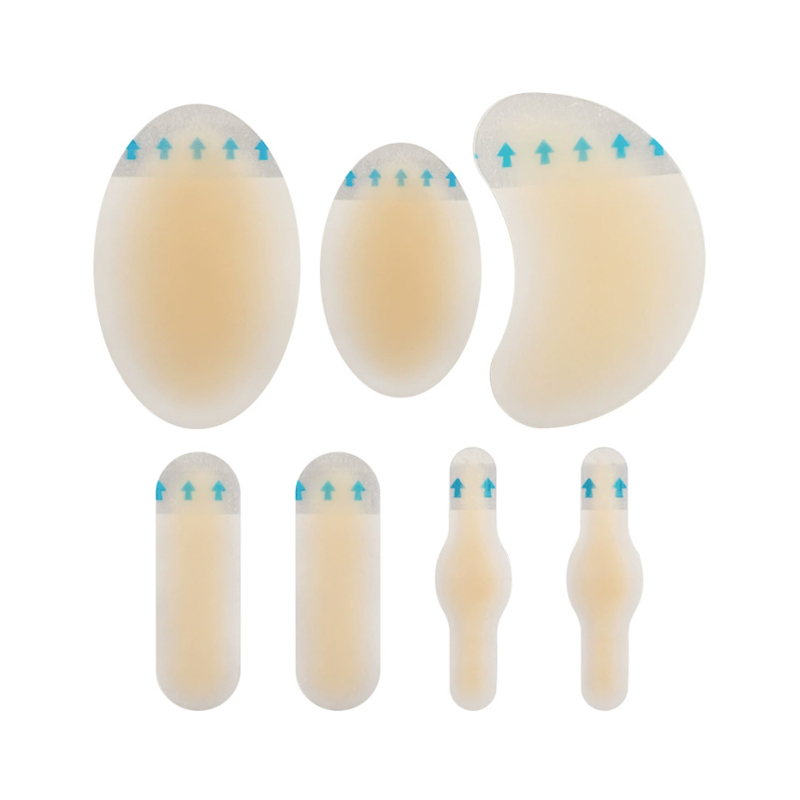 Cushioning, Pressure Reducing, Breathable And Comfortable Heel Patch
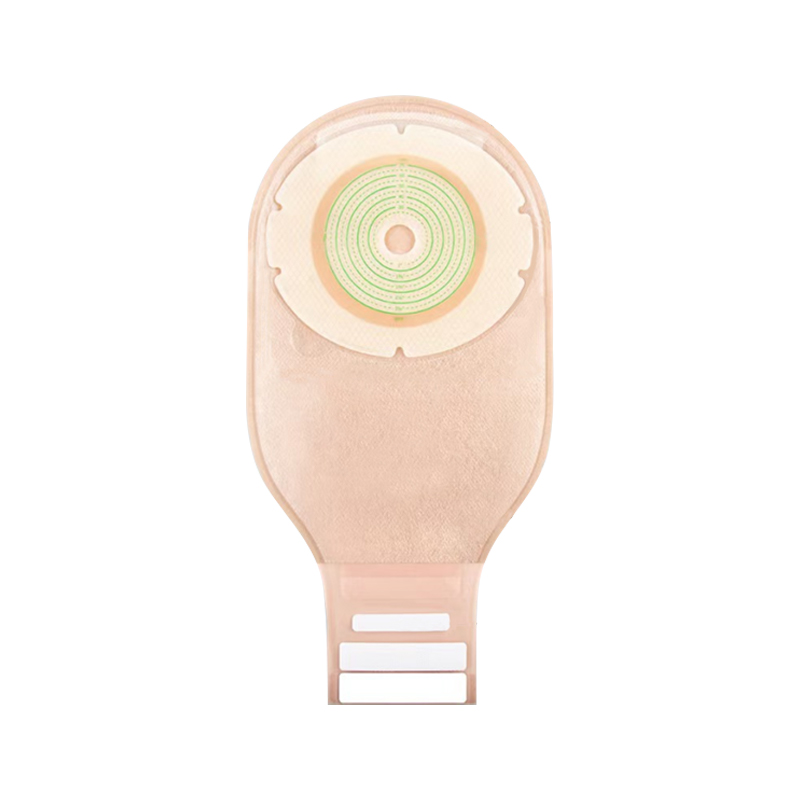 Soft Waterproof and Odor Control Ostomy Pouch
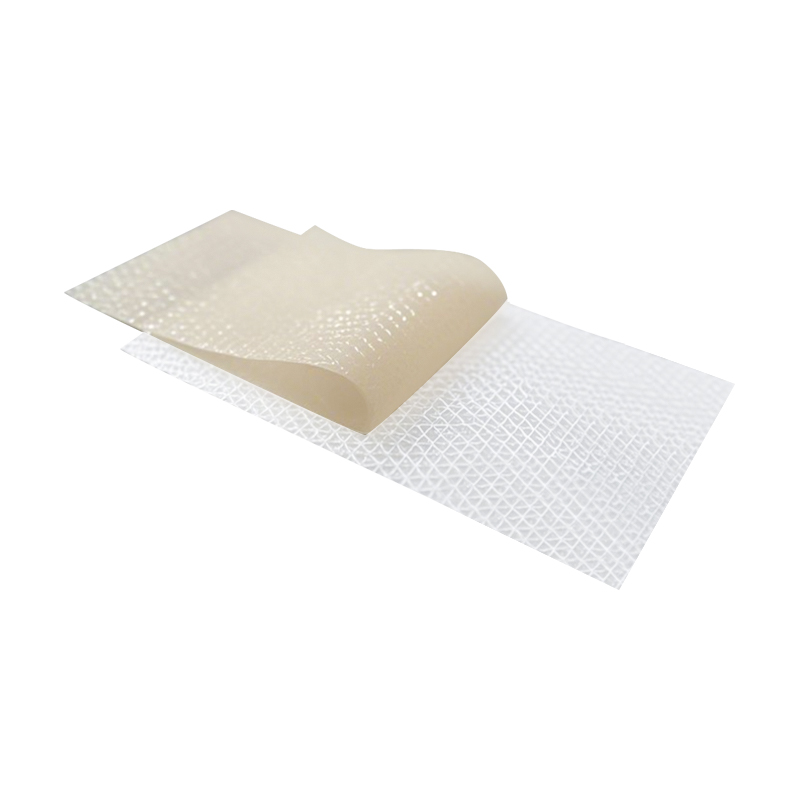 Widely Used Waterproof And Dustproof Silicone Scar Sheets
 Hypoallergenic Breathable Waterproof Ear Patches
 Strong Adhesive And Drug-Free Anti-Snoring Patch
 Long-Lasting Mosquito Repellent, Safe And Gentle Mosquito Repellent Stickers
 Soothing And Anti-Itching, Mild And Hypoallergenic Soothing Sticker
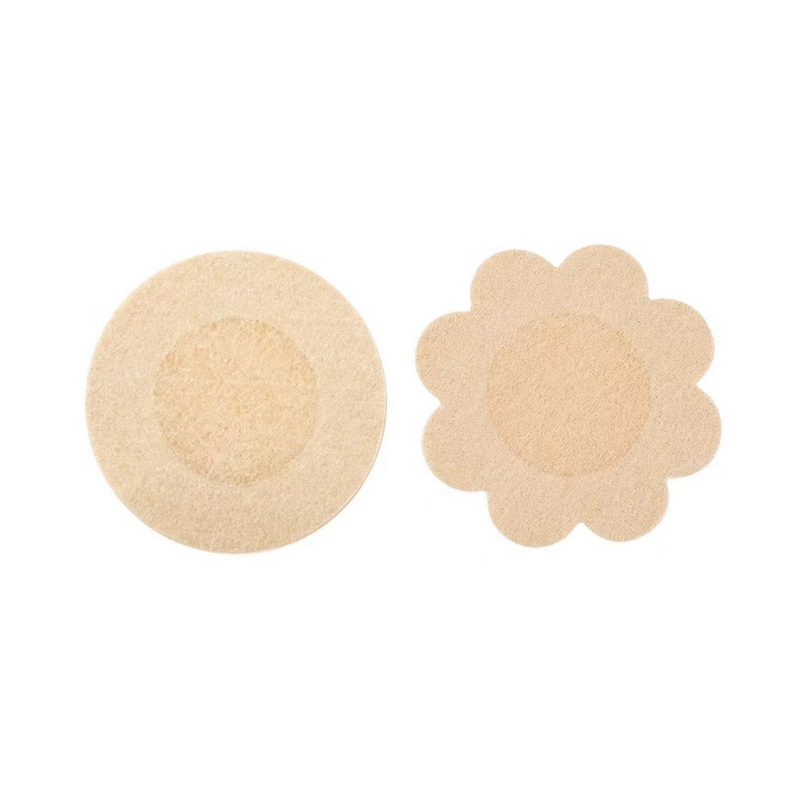 Invisible Non-Slip And Sweat-Proof Nipple Covers
 Portable Design And Reusable Ventilation Nose Strips
 Breathable Comfort Fit Swimming Private Patches
 Strong Adhesion Waterproof And Sweatproof Anti-Exposure Stickers
Copyright © 2024 by Wuxi Xindi Medical Technology Co., Ltd. All Rights Reserved.
medical adhesive tapes manufacturers