
 English
 中文简体
中文简体 日本語
日本語 عربى
عربى русский
 Español
News
Xindi can provide customers with personalized, high-quality products and services to meet the needs of different markets and customers.
Medical-grade silicone gel products have become a standard recommendation in post-surgical care and scar management, valued for their ability to support wound protection, scar healing, and skin renewal without the irritation associated with older bandage materials. A well-rounded silicone gel product line typically spans several distinct formats, each engineered for a specific clinical or consumer use case, from targeted scar patches to waterproof ear coverings and compression bands. This article examines the core product types within a silicone gel sheet lineup, the science behind how they work, and the technical factors that matter most when evaluating a supplier for these products.
Content
Silicone gel has become the preferred material for scar management largely because of how it interacts with the skin's natural healing process. Unlike traditional dressings that rely on absorption or physical barriers alone, medical-grade silicone forms a semi-occlusive layer over the treated area, helping to regulate moisture at the skin's surface. This moisture balance is important because dehydrated scar tissue tends to produce excess collagen, which is one of the primary mechanisms behind raised, thickened scarring. By maintaining an optimal hydration level, silicone gel helps soften and flatten scar tissue over time while reducing associated redness and discoloration.
Medical-grade silicone is also valued for its biocompatibility, meaning it is formulated to minimize allergic reactions and skin sensitivity even with prolonged, direct contact. This makes it suitable for use on sensitive, healing skin immediately following surgery, as well as for extended daily wear in scar management routines that may continue for weeks or months.
Scar patches are designed for direct application over surgical incisions, acne scarring, or other localized areas of raised or discolored tissue. The patch works by softening raised tissue through consistent moisture balance while forming a protective layer that shields the healing area from friction, UV exposure, and environmental contaminants. Because scar tissue remains vulnerable to irritation for an extended period after the initial wound closes, maintaining consistent coverage with a scar patch supports a more even healing outcome compared to leaving the area unprotected.
These patches are commonly cut or sized to fit specific treatment areas, allowing for precise application over linear surgical scars, keloid formations, or smaller acne scarring on the face or body. Reusable options are also common in this category, as the silicone material can typically be gently cleaned and reapplied multiple times before replacement is needed.
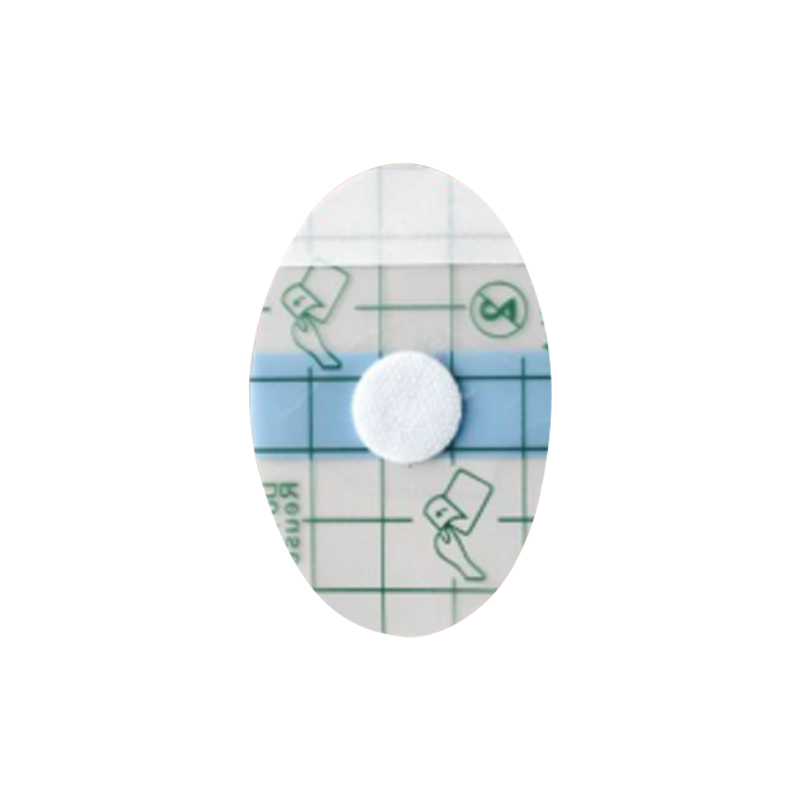
Waterproof ear patches address a specific but common need: keeping water out of the ear canal while still allowing the skin underneath to breathe and heal. Built with a medical-grade seal, these patches are frequently recommended following ear surgery, piercing procedures, or for individuals who need to keep incision sites dry during bathing or swimming. The seal's design prevents moisture infiltration that could otherwise introduce bacteria and increase infection risk in a healing surgical site.
Beyond post-operative applications, waterproof ear patches are also used more broadly for recreational swimming by individuals prone to ear infections or those managing conditions like eardrum perforations, where consistent water exposure could otherwise complicate recovery or general ear health.
Silicone gel bands combine the moisture-regulating properties of silicone gel with gentle, consistent compression, making them particularly suited to larger or linear scarring where a small patch would not provide adequate coverage. This format is frequently recommended for C-section scars, which typically run the width of the lower abdomen, as well as for extensive injuries covering larger areas of the body where compression therapy has been shown to support flatter, softer scar formation over time.
The combination of hydration and compression addresses two mechanisms of scar formation simultaneously: moisture balance limits excess collagen production at the surface, while gentle pressure helps regulate blood flow to the healing tissue, both of which contribute to a smoother long-term scar appearance.
Silicone dressings use gel-infused technology to protect delicate, newly regenerating skin during the earliest and most vulnerable stages of wound healing. Unlike scar patches, which are often applied once a wound has largely closed, silicone dressings are frequently used earlier in the healing timeline, covering open or recently closed wounds to promote a moist healing environment while minimizing the risk of the dressing adhering to and disrupting fragile new tissue upon removal.
This non-adherent quality is one of the more clinically significant advantages of silicone dressings compared to traditional gauze or adhesive bandages, since dressing changes can otherwise cause repeated trauma to healing skin, slowing recovery and increasing the likelihood of scarring.
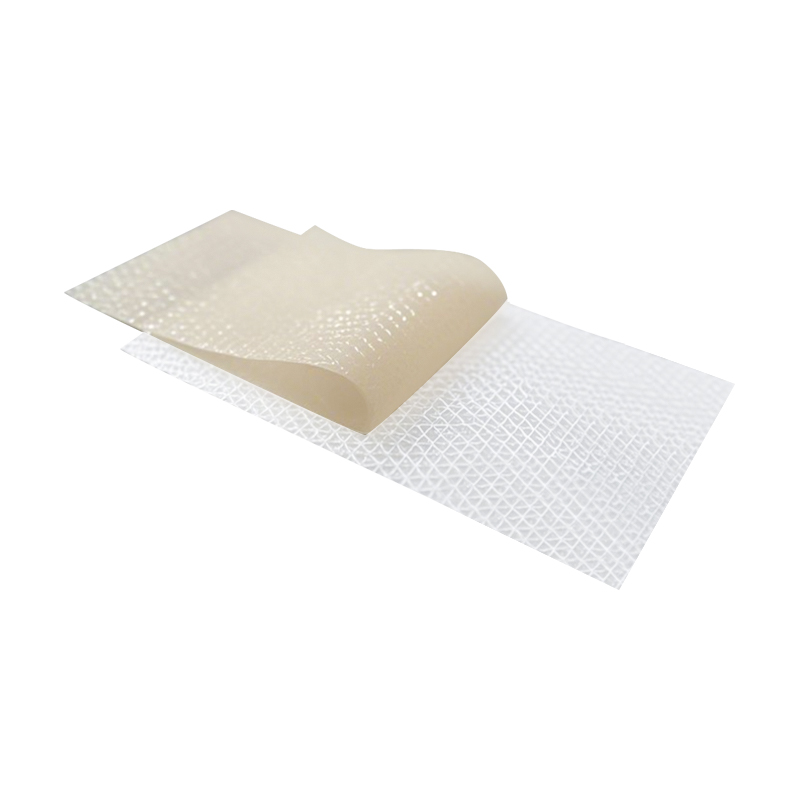
The table below summarizes the primary use case and key benefit of each product format within a typical silicone gel product lineup.
| Product Type | Primary Use Case | Key Benefit |
| Scar Patches | Surgical marks, acne scars | Softens raised tissue, reduces scar appearance |
| Waterproof Ear Patches | Post-op care, swimming | Prevents water infiltration and infection |
| Silicone Gel Bands | C-section scars, extensive injuries | Combines hydration with compression therapy |
| Silicone Dressings | Regenerating or open wounds | Non-adherent protection during early healing |
When comparing silicone gel product lines, several technical and quality-related factors should be reviewed closely to ensure the products meet clinical or consumer safety expectations.
Silicone gel products are most effective when used as part of a consistent, extended routine rather than a short-term treatment. Clinical guidance generally recommends daily use over a period of several weeks to months for visible improvement in scar texture and appearance, meaning product comfort, wearability, and skin compatibility all play a significant role in whether patients or consumers maintain consistent use. Products that combine strong adhesion with breathable, skin-friendly materials tend to see better adherence to recommended wear schedules, which directly correlates with improved outcomes in scar softening and flattening over time.
A well-designed silicone gel product line addresses the full spectrum of post-surgical and daily skincare needs, from early-stage wound protection with silicone dressings to long-term scar softening with patches and compression bands. Understanding how each format functions, along with the material and manufacturing specifications that distinguish higher-quality products, allows buyers to make informed decisions when evaluating a silicone gel sheet supplier for clinical or retail use.
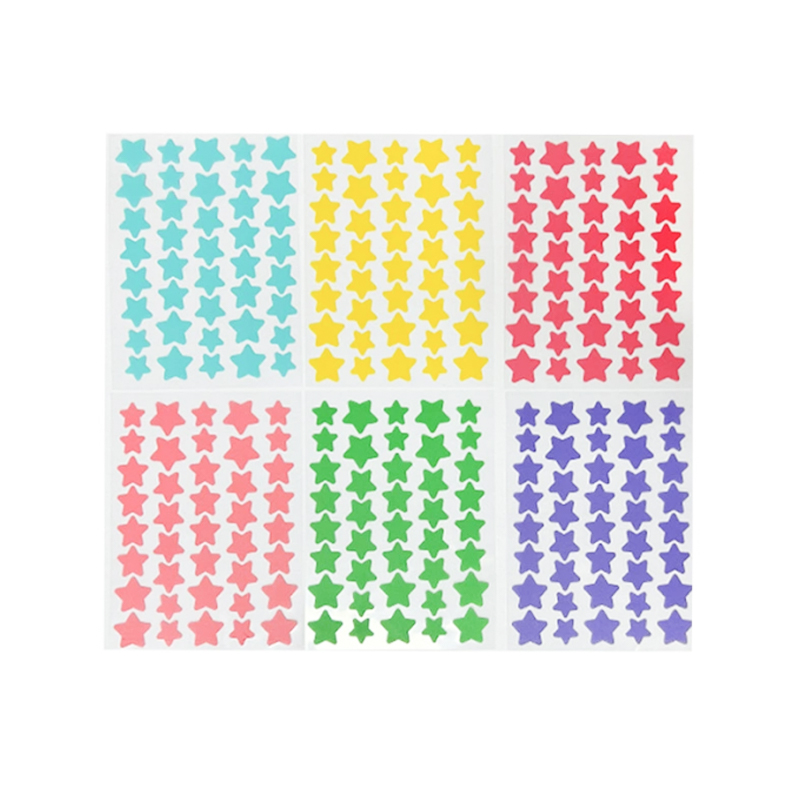 Absorbent, Moisturizing And Non-Irritating Hydrocolloid Acne Patch
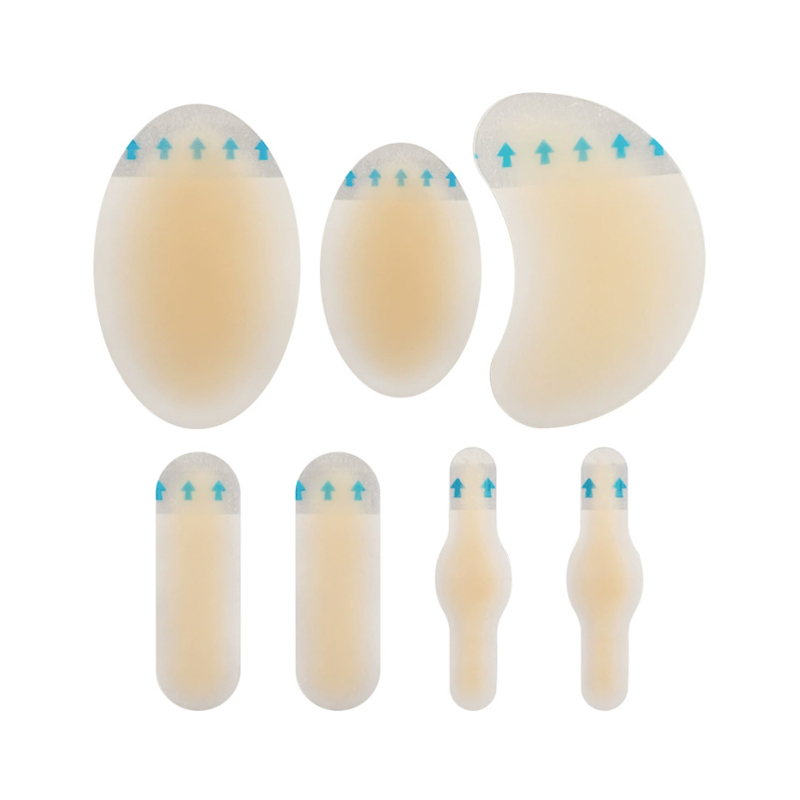 Cushioning, Pressure Reducing, Breathable And Comfortable Heel Patch
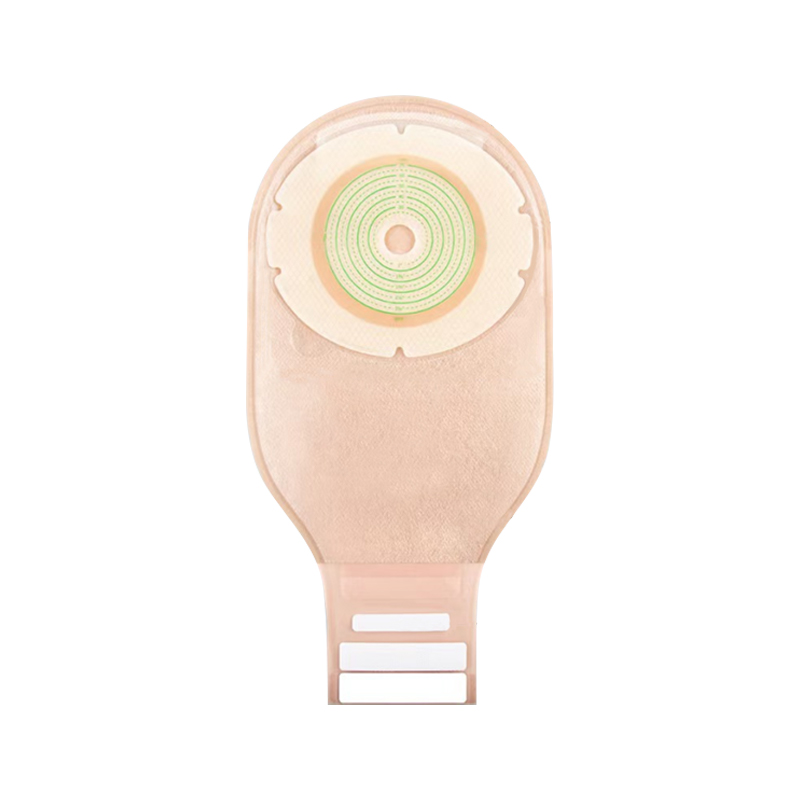 Soft Waterproof and Odor Control Ostomy Pouch
 Widely Used Waterproof And Dustproof Silicone Scar Sheets
 Hypoallergenic Breathable Waterproof Ear Patches
 Strong Adhesive And Drug-Free Anti-Snoring Patch
 Long-Lasting Mosquito Repellent, Safe And Gentle Mosquito Repellent Stickers
 Soothing And Anti-Itching, Mild And Hypoallergenic Soothing Sticker
 Invisible Non-Slip And Sweat-Proof Nipple Covers
 Portable Design And Reusable Ventilation Nose Strips
 Breathable Comfort Fit Swimming Private Patches
 Strong Adhesion Waterproof And Sweatproof Anti-Exposure Stickers
Copyright © 2024 by Wuxi Xindi Medical Technology Co., Ltd. All Rights Reserved.
medical adhesive tapes manufacturers