
 English
 中文简体
中文简体 日本語
日本語 عربى
عربى русский
 Español
News
Xindi can provide customers with personalized, high-quality products and services to meet the needs of different markets and customers.
Content
Choosing a dressing patch based on what's available in the cabinet rather than what the wound actually needs is one of the most common reasons healing takes longer than it should. A dry, low-exudate wound like a fresh minor cut needs a dressing that keeps moisture in to support cell migration, while a heavily weeping wound needs the opposite — a dressing built to pull excess fluid away from the skin so it doesn't pool and cause maceration, where surrounding skin becomes soft, white, and prone to breaking down. Wound depth matters too: a shallow abrasion heals fine under a thin, flexible dressing, but a deeper wound with uneven tissue often needs a cushioned dressing that conforms to the wound bed without leaving gaps where bacteria can collect.
The healing stage also shifts what's needed over time. A wound in its early inflammatory phase typically produces more exudate and benefits from an absorbent dressing, while the same wound in its later proliferative phase, once new tissue is forming, often does better under a thinner, moisture-retentive dressing that won't disturb fragile new tissue during changes. Reassessing dressing choice every few days as a wound progresses — rather than using the same type from day one to closure — is a habit that measurably improves healing outcomes according to most wound care guidance.
The three most common dressing patch categories each solve a different exudate problem, and understanding the distinction prevents both under- and over-treatment. Non-woven dressings are lightweight and breathable, built primarily for low to moderate exudate — think minor cuts, abrasions, or post-procedure sites where airflow matters more than heavy absorption. Their soft fiber construction also makes them a reasonable default for sensitive skin, since they create less friction against the wound margin during normal movement.
Foam dressings step in where non-woven options fall short — wounds producing moderate to heavy exudate, such as pressure ulcers, surgical wounds in the early healing stage, or venous leg ulcers. The foam layer absorbs and locks fluid away from the wound bed rather than letting it sit against the skin, and the cushioned structure also reduces pressure and friction, which matters for wounds located over bony areas or joints prone to repeated contact. PU (polyurethane) film dressings solve a third, different problem: they're thin, transparent, and largely waterproof, making them suited to wounds with little to no exudate that mainly need protection from external moisture and bacteria while still allowing clinicians or caregivers to visually monitor healing progress without removing the dressing.
| Dressing Type | Best Exudate Level | Typical Use Case |
|---|---|---|
| Non-Woven | Low to moderate | Minor cuts, abrasions, general skin protection |
| Foam | Moderate to heavy | Pressure ulcers, surgical wounds, leg ulcers |
| PU Film | Minimal to none | Superficial wounds needing moisture protection and visual monitoring |
Using a low-absorbency dressing on a heavily weeping wound leads to frequent, disruptive changes that can damage newly formed tissue, while using a high-absorbency foam dressing on a nearly dry wound can pull too much moisture away, slowing the natural healing process instead of supporting it.
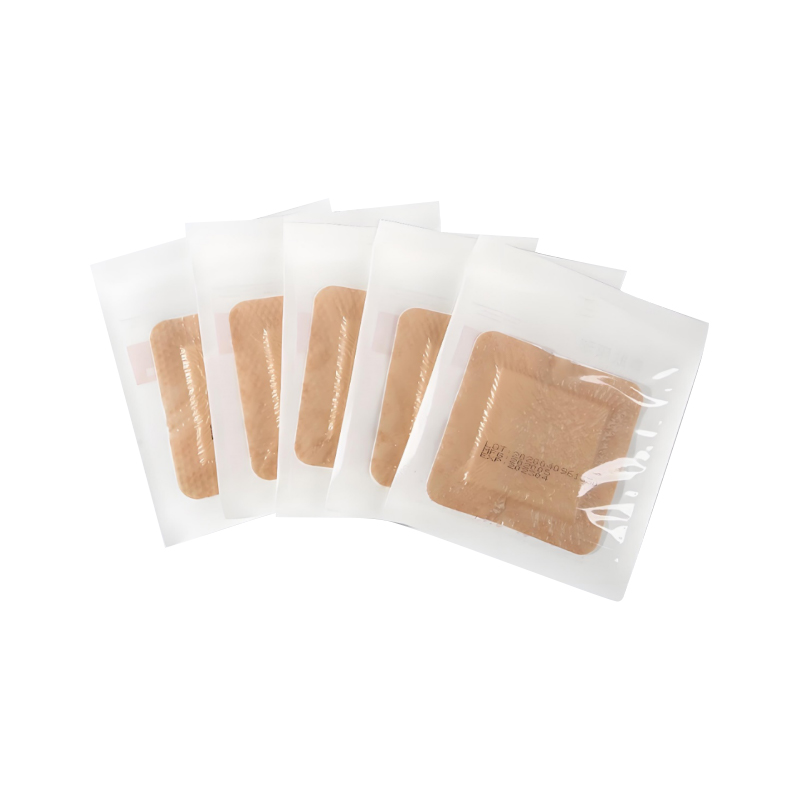
Change frequency isn't a fixed schedule; it depends on dressing type and how much fluid the wound is producing. A PU film dressing can often stay in place for several days at a time precisely because it's designed for low-exudate wounds, and unnecessary changes only increase the risk of disturbing the healing surface. Foam dressings, absorbing more fluid, typically need changing every one to three days depending on saturation, while non-woven dressings on actively healing minor wounds often fall somewhere in between, guided more by visible saturation than a strict calendar.
Changing a dressing too frequently out of caution isn't harmless either — repeated removal can strip away newly formed tissue and increase discomfort, so following the rated wear time for the specific dressing type, rather than defaulting to daily changes, generally supports better outcomes.
Adhesive-related skin irritation is one of the most common complaints with extended-wear dressings, and it's often mistaken for a wound complication rather than a reaction to the adhesive itself. Redness that appears specifically in the shape of the dressing border, rather than spreading from the wound outward, is usually a sign of adhesive irritation instead of infection — a distinction worth noting before assuming the worst. Softer silicone-based adhesives generally cause less irritation on fragile or aging skin compared to standard acrylic adhesives, though they can also provide a slightly weaker initial bond, which matters for wounds in high-movement areas like joints.
For patients requiring repeated dressing changes over weeks or months, rotating the exact placement of the dressing slightly with each change — rather than applying it to the identical patch of skin every time — reduces cumulative adhesive stress on any one area. This is a particularly useful practice for chronic wound management, where the same skin may otherwise be exposed to dozens of adhesive applications over a treatment course.
Dressing patches are designed for wound management, not for correcting a wound that's already showing signs of complication, and recognizing that difference early prevents a manageable issue from becoming a serious one. Wounds that continue producing increasing amounts of exudate after the first few days, rather than tapering off, may indicate an underlying issue such as infection or poor circulation rather than simply needing a more absorbent dressing. Similarly, a wound edge that appears to be widening or deepening instead of gradually closing, despite consistent dressing changes, is a signal that the current care approach isn't addressing the underlying cause.
Chronic wounds such as long-standing ulcers often need a layered care approach that goes beyond a single dressing type, sometimes combining an absorbent primary dressing with a secondary compression or protective layer under professional guidance. Recognizing when a wound has moved from routine home care into this category is what ultimately protects healing time rather than delaying it.
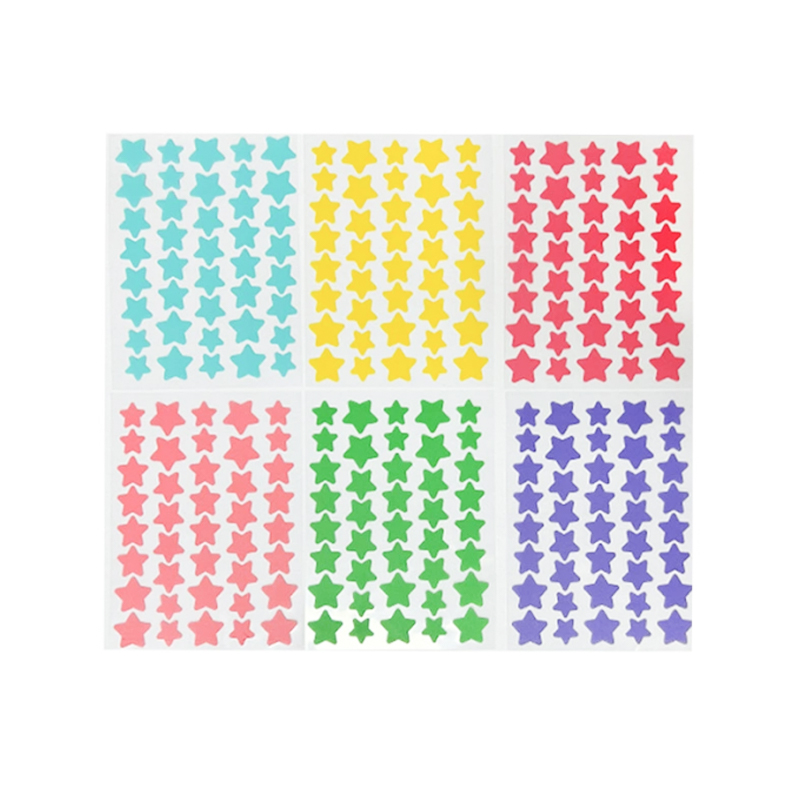 Absorbent, Moisturizing And Non-Irritating Hydrocolloid Acne Patch
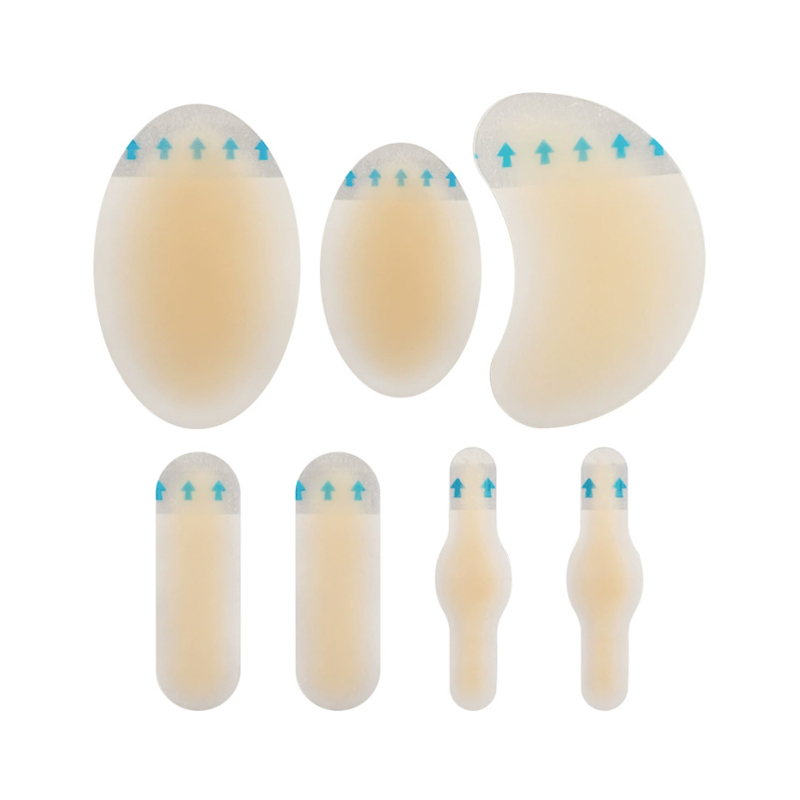 Cushioning, Pressure Reducing, Breathable And Comfortable Heel Patch
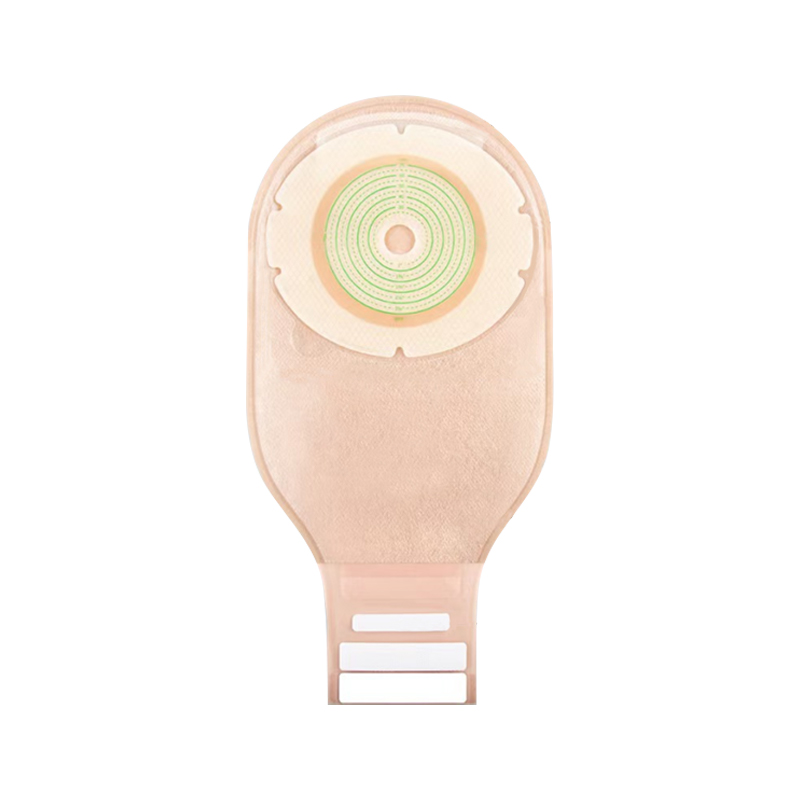 Soft Waterproof and Odor Control Ostomy Pouch
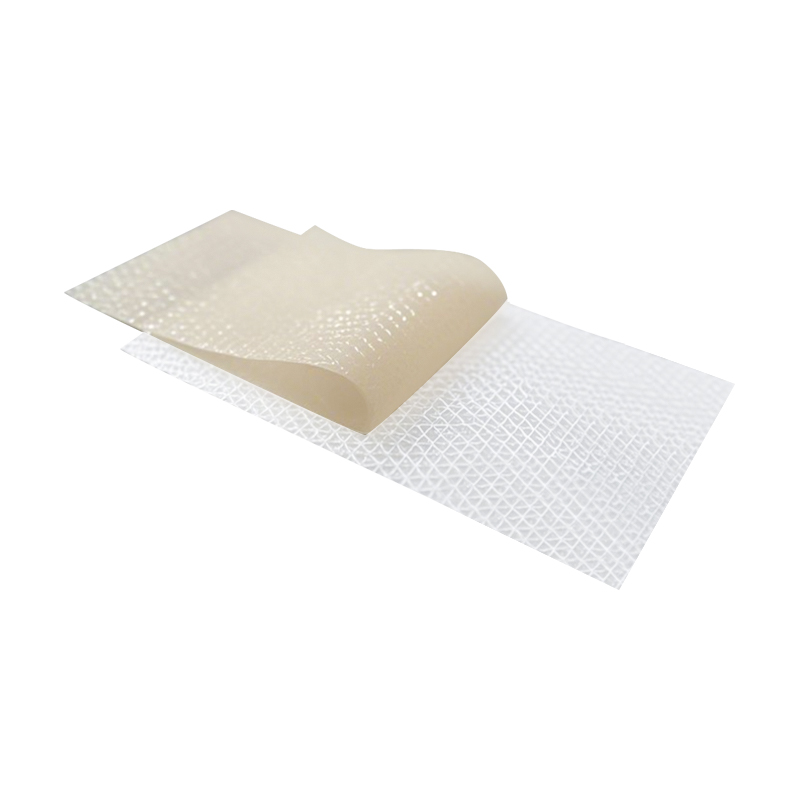 Widely Used Waterproof And Dustproof Silicone Scar Sheets
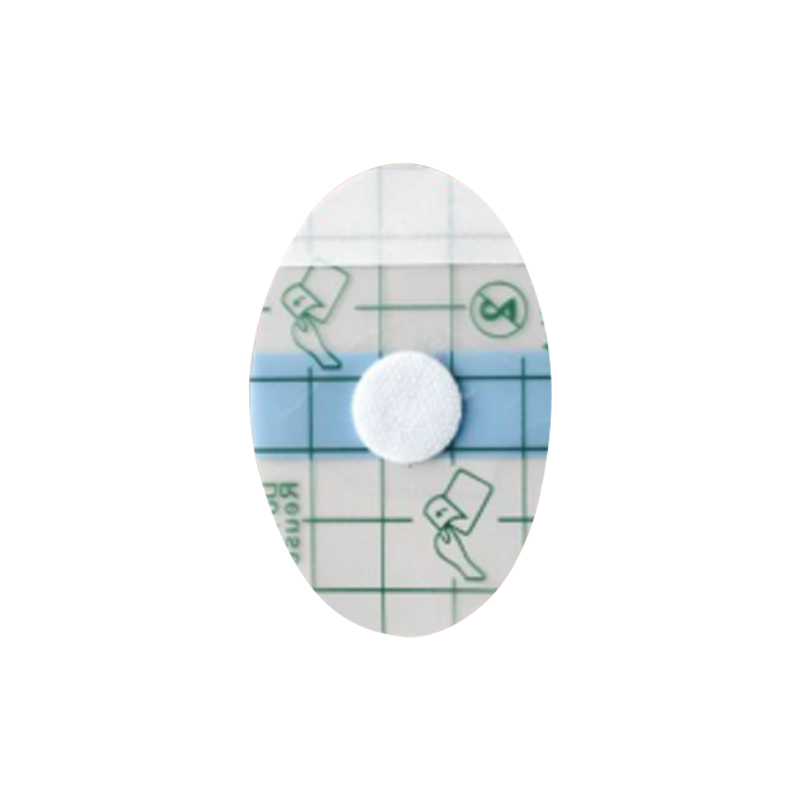 Hypoallergenic Breathable Waterproof Ear Patches
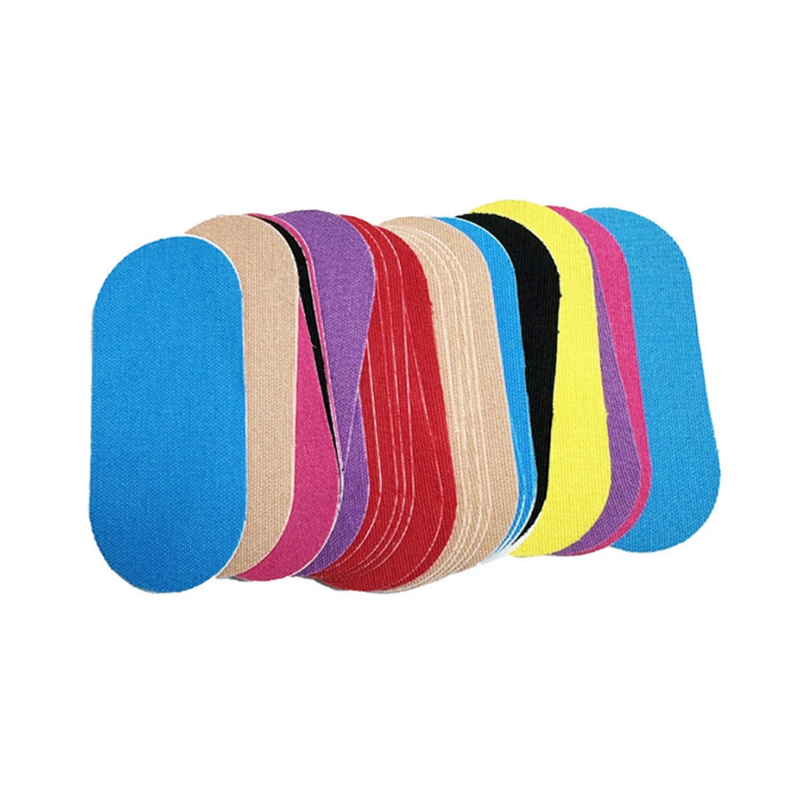 Strong Adhesive And Drug-Free Anti-Snoring Patch
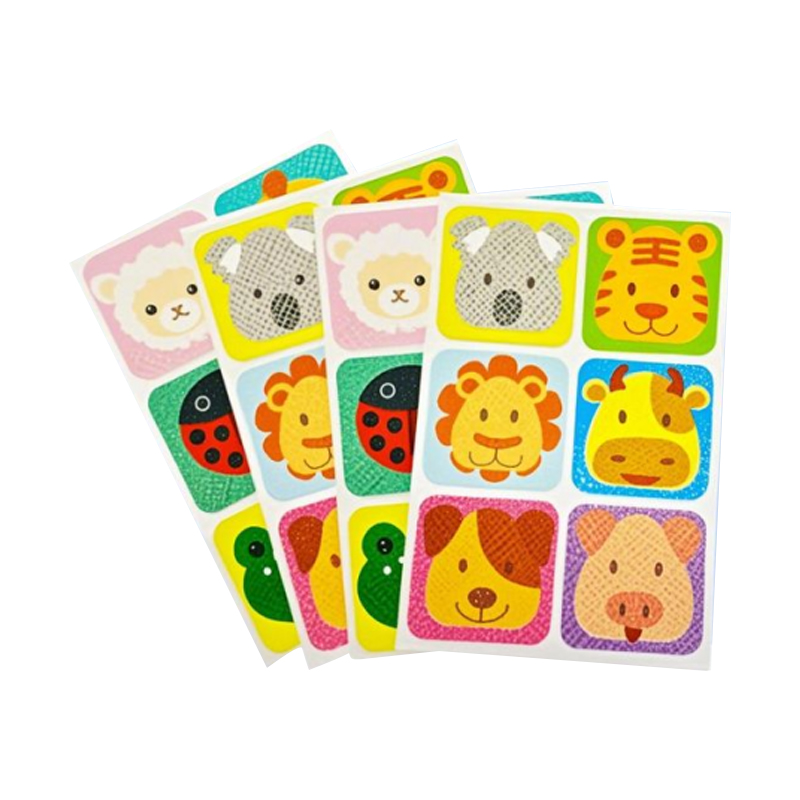 Long-Lasting Mosquito Repellent, Safe And Gentle Mosquito Repellent Stickers
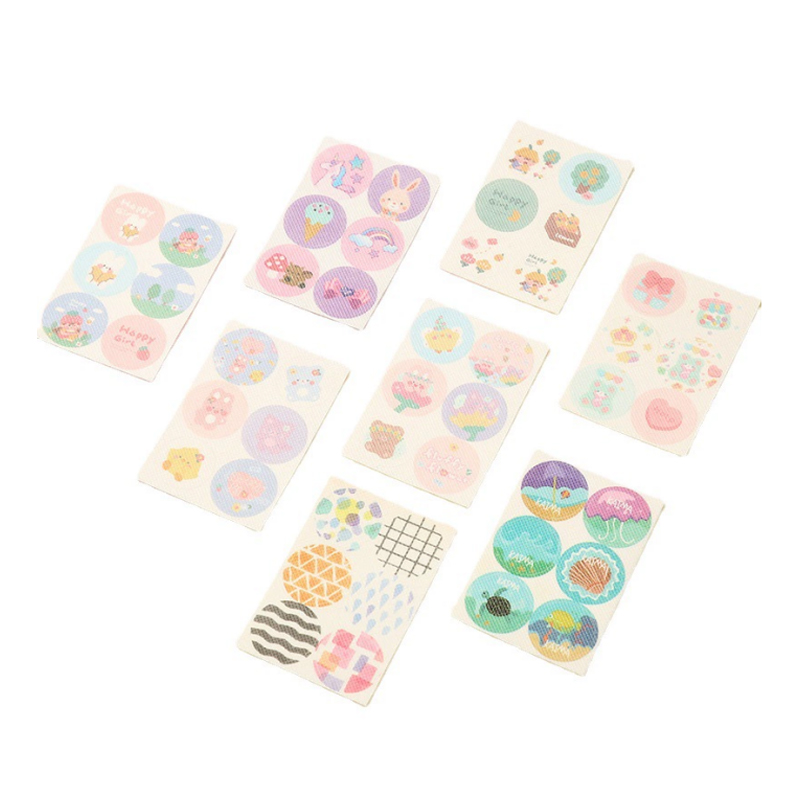 Soothing And Anti-Itching, Mild And Hypoallergenic Soothing Sticker
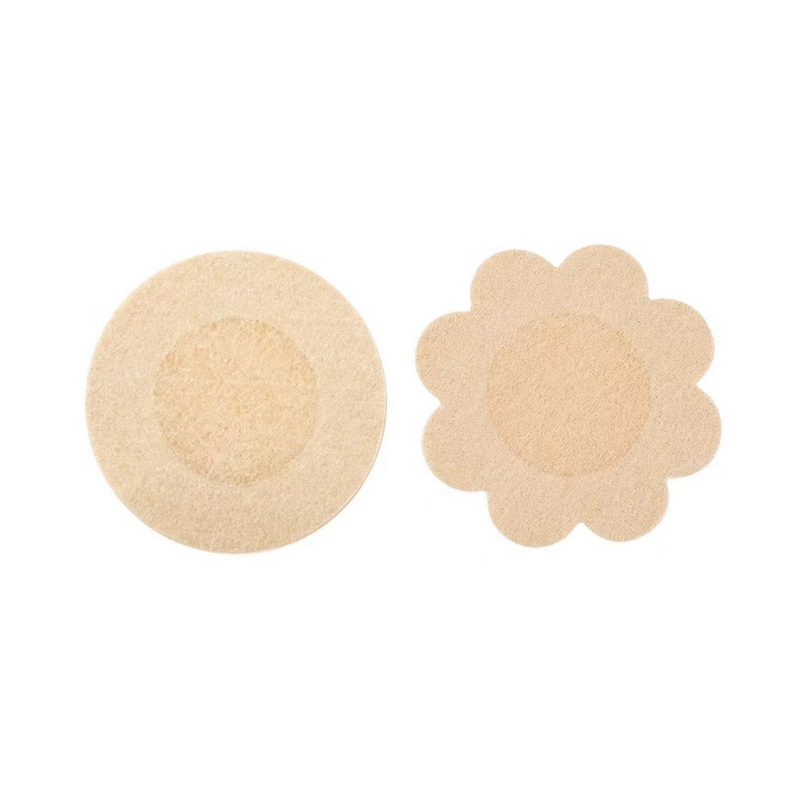 Invisible Non-Slip And Sweat-Proof Nipple Covers
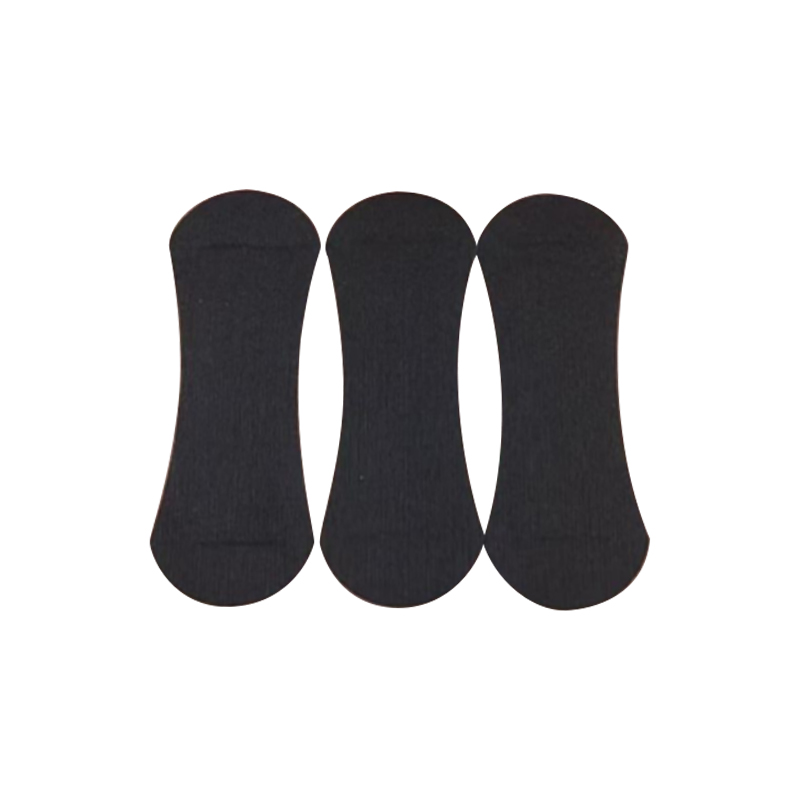 Portable Design And Reusable Ventilation Nose Strips
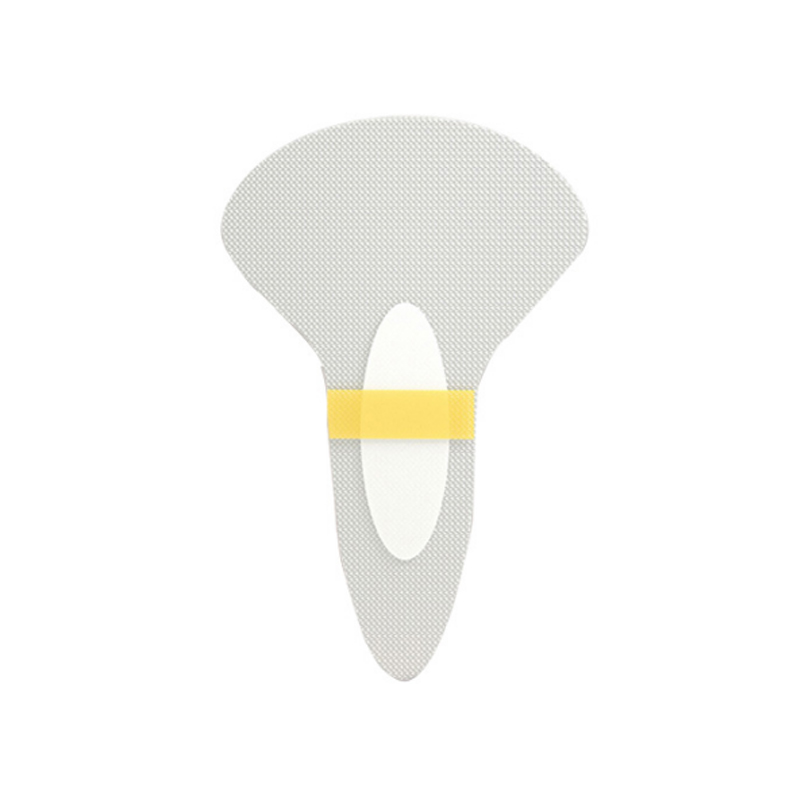 Breathable Comfort Fit Swimming Private Patches
 Strong Adhesion Waterproof And Sweatproof Anti-Exposure Stickers
Copyright © 2024 by Wuxi Xindi Medical Technology Co., Ltd. All Rights Reserved.
medical adhesive tapes manufacturers