
 English
 中文简体
中文简体 日本語
日本語 عربى
عربى русский
 Español
News
Xindi can provide customers with personalized, high-quality products and services to meet the needs of different markets and customers.
Content
The heel is one of the most heavily stressed areas of the human foot. Every step places significant pressure on the heel as it absorbs impact and supports body weight. Whether walking, running, standing for extended periods, or wearing shoes with rigid heel counters, the heel is constantly exposed to friction, compression, and repetitive stress. Over time, these forces can cause discomfort, blisters, calluses, skin irritation, and even pain that affects daily activities.
A cushioning heel patch is specifically designed to address these challenges. By providing an additional layer of protection between the heel and footwear, the patch helps reduce pressure concentration, minimize friction, and improve overall comfort. Modern heel patches often combine cushioning materials with breathable construction, creating a solution that not only protects the skin but also enhances the wearing experience throughout the day.
For individuals who spend long hours on their feet, participate in sports, recover from minor heel irritation, or simply want greater comfort in their footwear, a cushioning heel patch can be a practical and effective accessory.
The heel serves as the primary point of contact when the foot strikes the ground during walking and running. As a result, it experiences substantial forces with every step. While the body's natural heel pad absorbs some of this impact, repeated loading can eventually lead to discomfort, especially when footwear does not provide adequate support or cushioning.
Pressure problems often become more noticeable under the following conditions:
A cushioning heel patch helps redistribute these forces across a broader surface area. Instead of pressure concentrating on a small portion of the heel, the cushioning material absorbs and disperses impact more evenly, reducing localized stress and enhancing comfort.
Cushioning is one of the most valuable features of a high-quality heel patch. Effective cushioning materials are designed to absorb shock generated during movement while maintaining their shape and performance over time.
Every step creates an impact force that travels through the heel and up the lower body. Repeated exposure to these forces can contribute to fatigue and discomfort. Cushioning heel patches act as a protective buffer, reducing the intensity of impact before it reaches sensitive tissues.
This benefit is particularly useful for runners, healthcare professionals, retail employees, warehouse workers, and anyone whose daily routine involves extensive standing or walking.
Foot fatigue often develops gradually throughout the day. As pressure accumulates, the heel may become sore, tender, or tired. Additional cushioning helps decrease repetitive stress, allowing the foot to remain more comfortable even during extended periods of activity.
Many users find that properly designed heel patches provide noticeable comfort improvements without requiring changes to their preferred footwear.
Beyond cushioning, one of the primary functions of a heel patch is pressure reduction. Excessive pressure can contribute to skin irritation, soreness, and localized discomfort. By redistributing force across a larger contact area, heel patches help reduce stress concentration points.
Hot spots are areas where pressure and friction combine to create discomfort before a blister develops. These areas often occur at the back or bottom of the heel. A pressure-reducing heel patch helps decrease mechanical stress and may prevent hot spots from progressing into more serious skin problems.
Individuals with sensitive skin, aging heel pads, or previous irritation can benefit from additional pressure relief. The cushioning layer serves as a protective barrier that reduces direct contact between the shoe and vulnerable tissue.
| Heel Challenge | Benefit of Heel Patch |
| Impact Stress | Shock absorption and cushioning |
| Pressure Points | Improved load distribution |
| Shoe Friction | Reduced rubbing against skin |
| Blister Risk | Protective barrier function |
| Daily Fatigue | Enhanced comfort throughout the day |
Comfort is not determined solely by cushioning. Breathability plays an equally important role in maintaining healthy skin conditions inside footwear. Feet naturally produce moisture throughout the day, and excessive heat or humidity can contribute to discomfort, odor, and skin irritation.
Breathable heel patches are designed to allow airflow while maintaining protective performance. This balance helps create a more comfortable microenvironment around the heel.
Sweat trapped inside shoes can soften the skin and increase susceptibility to friction-related injuries. Breathable materials help regulate moisture levels, reducing the likelihood of excessive skin maceration and discomfort.
A breathable design helps prevent heat buildup around the heel. Cooler feet often feel more comfortable during prolonged wear, particularly in warm climates or physically demanding environments.
Friction is one of the leading causes of heel discomfort. When the heel repeatedly rubs against the inside of a shoe, the skin may become irritated, leading to redness, tenderness, and blister formation.
A cushioning heel patch functions as a friction-reducing interface. Rather than allowing direct contact between skin and footwear, the patch absorbs movement and reduces shear forces.
Heel patches are versatile products that can benefit a wide range of users. Their combination of cushioning, pressure relief, and breathable comfort makes them useful in many daily situations.
Sports activities expose the heel to repetitive impact and friction. Heel patches provide additional protection that can improve comfort during training, competition, and recovery periods.
Healthcare workers, teachers, retail employees, hospitality staff, and industrial workers often spend most of the day on their feet. Additional heel cushioning can help reduce fatigue and maintain comfort throughout long shifts.
New footwear frequently causes friction until the materials soften and adapt to the foot. Heel patches offer temporary protection during this adjustment period and help prevent painful blisters.
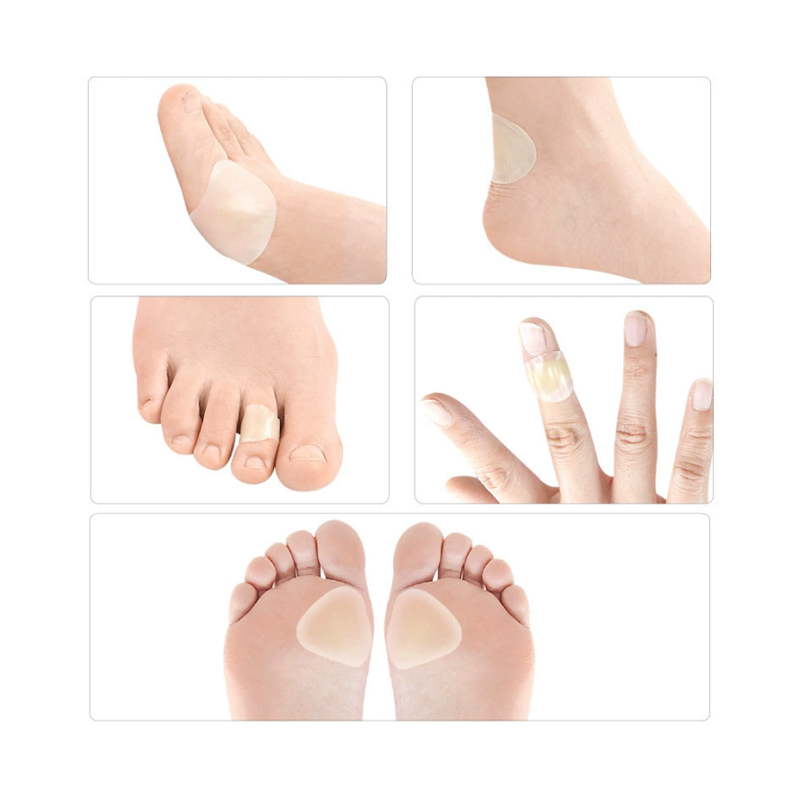
Not all heel patches provide the same level of comfort and protection. Several characteristics should be considered when selecting a product.
Selecting a high-quality product ensures consistent performance and maximizes the benefits of cushioning, pressure reduction, and skin protection.
A cushioning, pressure-reducing, breathable, and comfortable heel patch offers a simple yet highly effective solution for managing everyday foot stress. By absorbing impact, distributing pressure more evenly, reducing friction, and promoting airflow, these patches help protect the heel from common sources of discomfort. Whether used for athletic performance, occupational support, new shoe adaptation, or general foot care, a well-designed heel patch can significantly improve comfort and contribute to healthier, happier feet throughout the day.
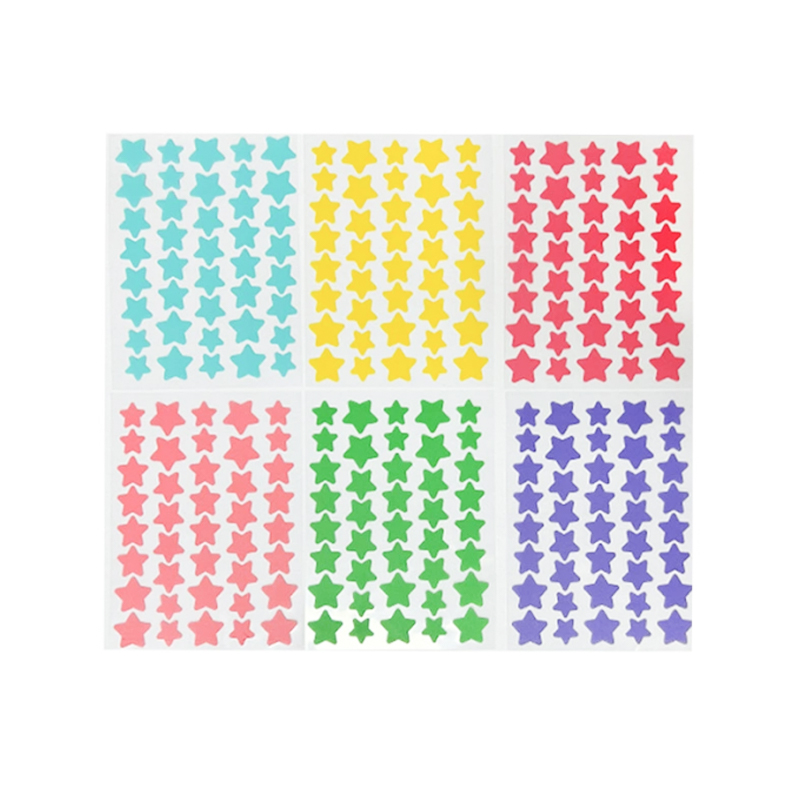 Absorbent, Moisturizing And Non-Irritating Hydrocolloid Acne Patch
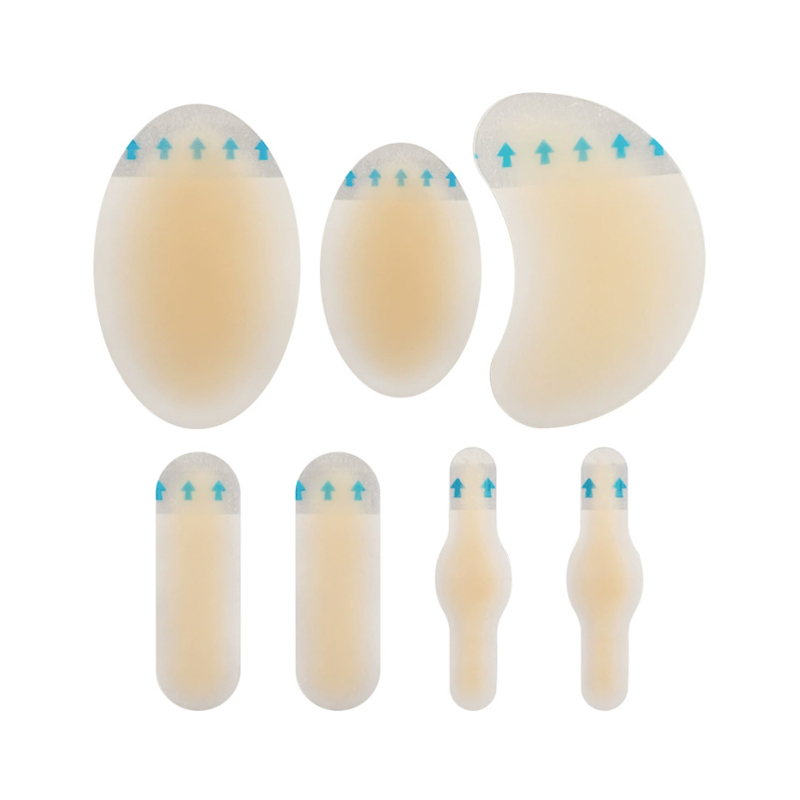 Cushioning, Pressure Reducing, Breathable And Comfortable Heel Patch
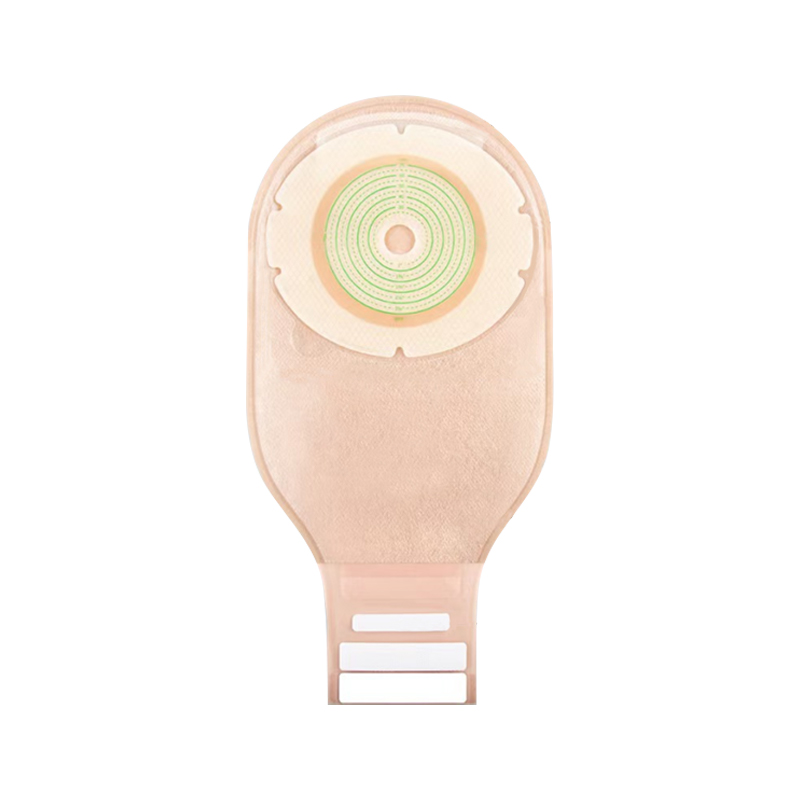 Soft Waterproof and Odor Control Ostomy Pouch
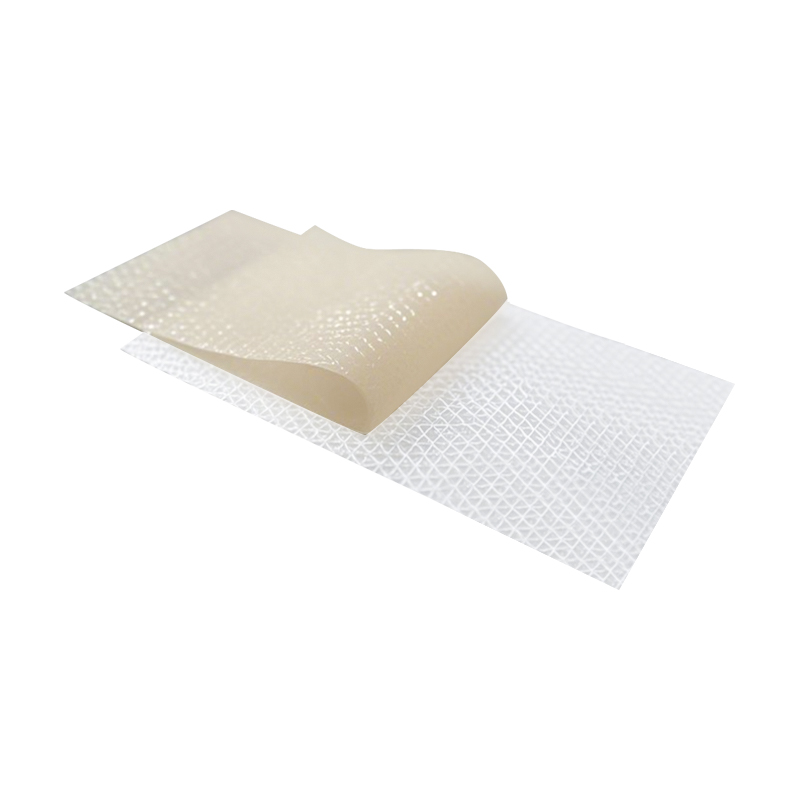 Widely Used Waterproof And Dustproof Silicone Scar Sheets
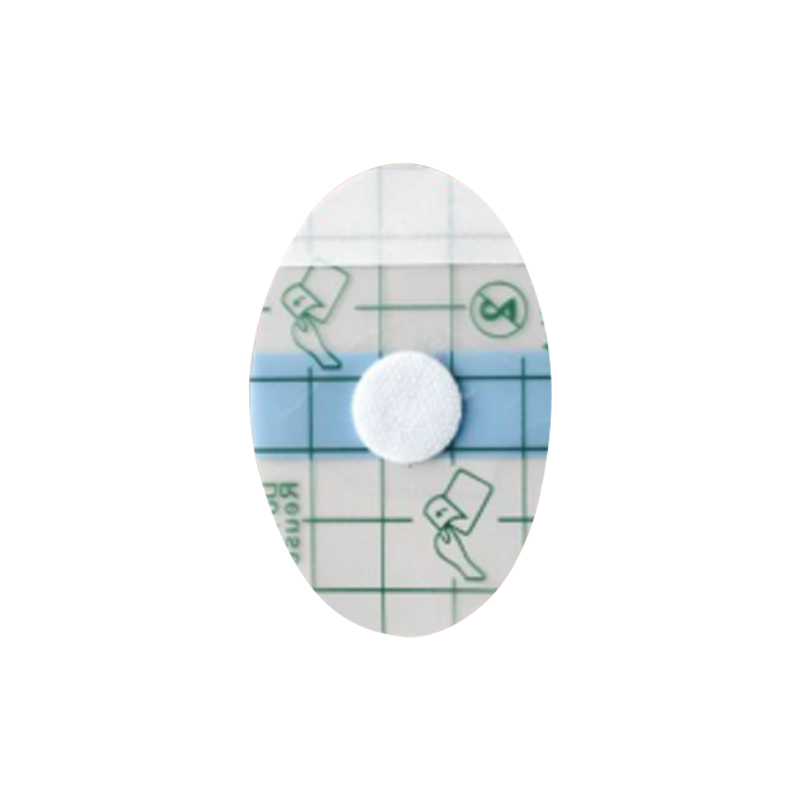 Hypoallergenic Breathable Waterproof Ear Patches
 Strong Adhesive And Drug-Free Anti-Snoring Patch
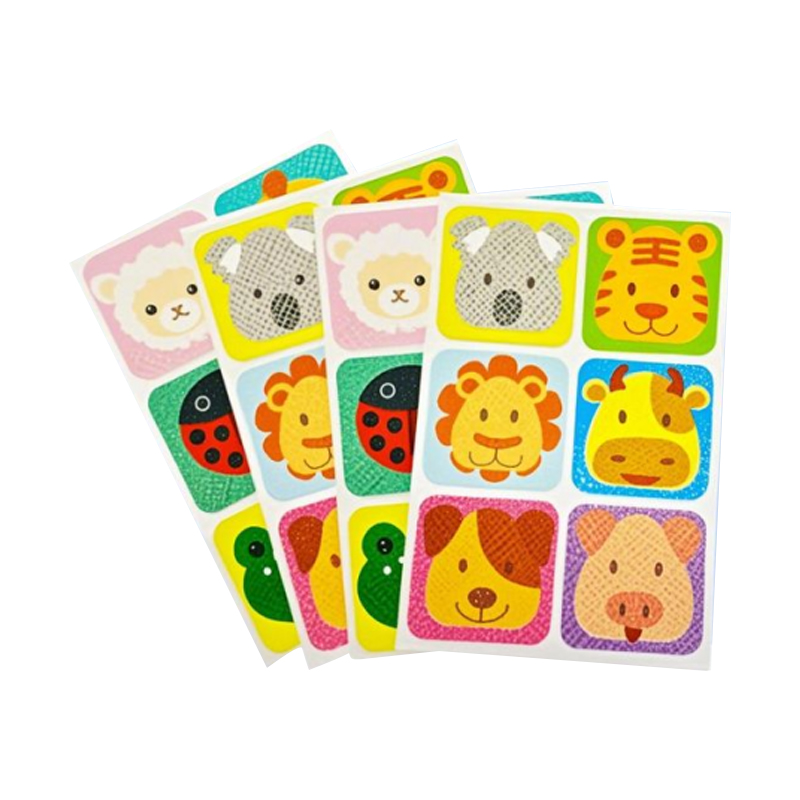 Long-Lasting Mosquito Repellent, Safe And Gentle Mosquito Repellent Stickers
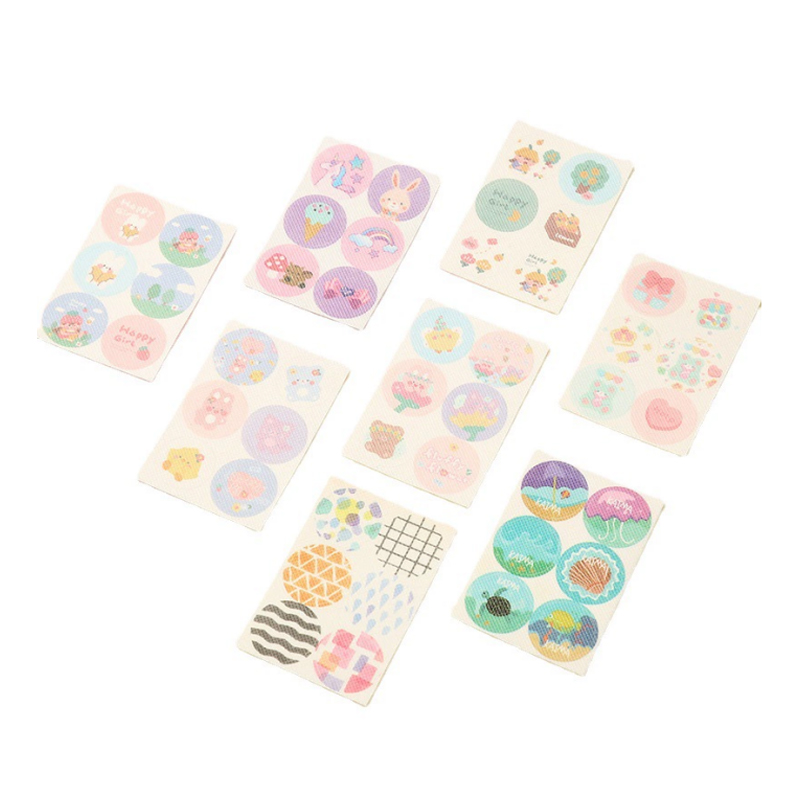 Soothing And Anti-Itching, Mild And Hypoallergenic Soothing Sticker
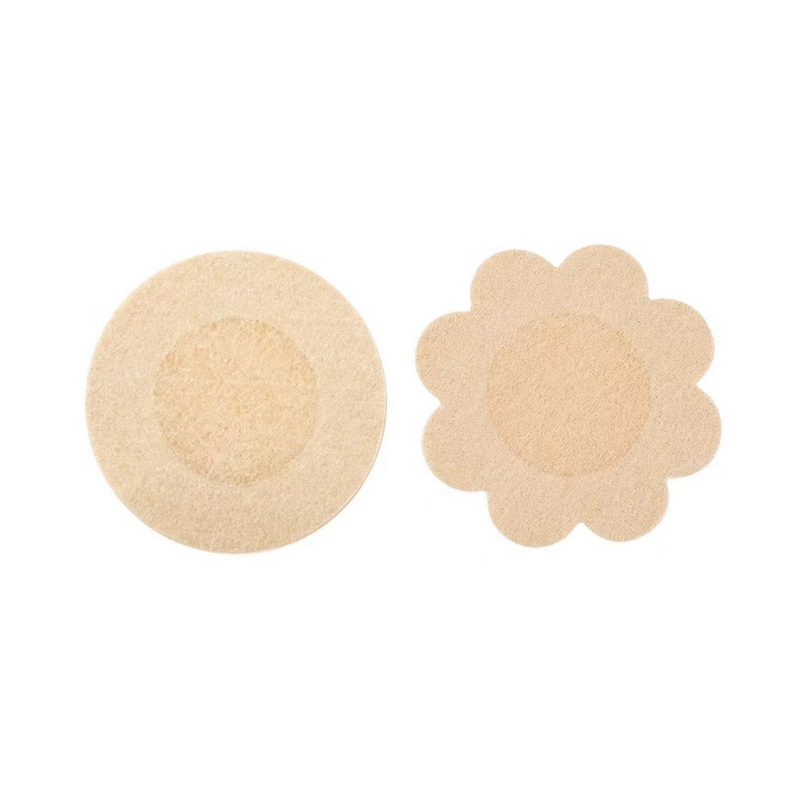 Invisible Non-Slip And Sweat-Proof Nipple Covers
 Portable Design And Reusable Ventilation Nose Strips
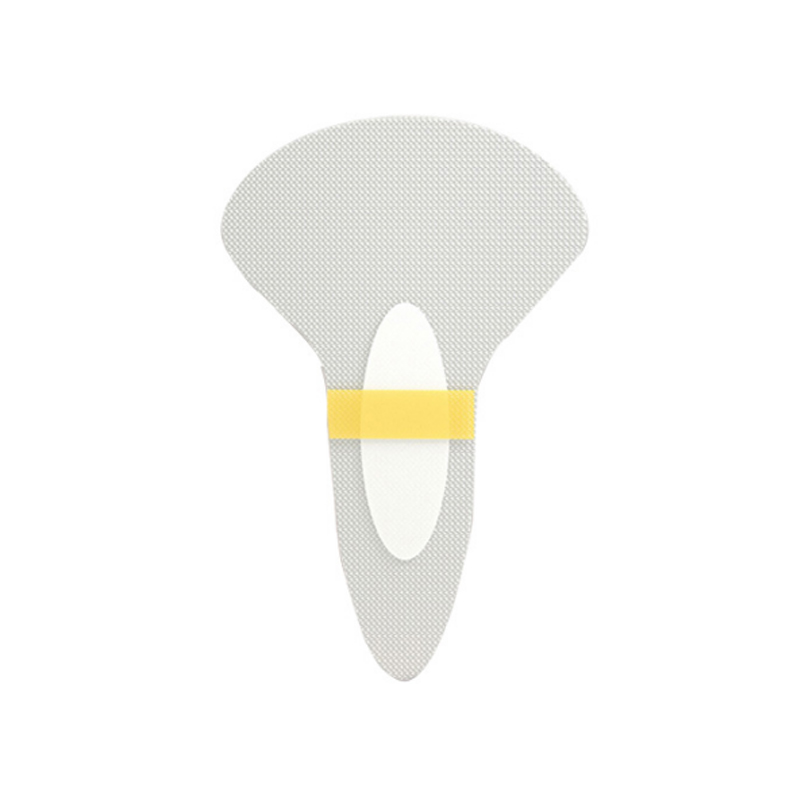 Breathable Comfort Fit Swimming Private Patches
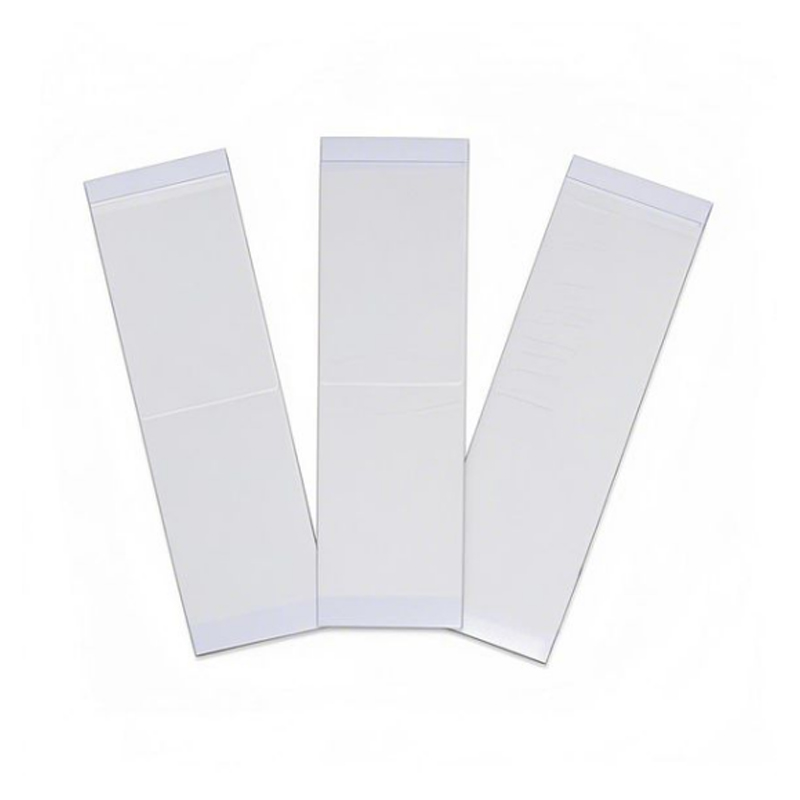 Strong Adhesion Waterproof And Sweatproof Anti-Exposure Stickers
Copyright © 2024 by Wuxi Xindi Medical Technology Co., Ltd. All Rights Reserved.
medical adhesive tapes manufacturers