English
 中文简体
中文简体 日本語
日本語 عربى
عربى русский
 Español
Economical High Absorbent Non-Woven Dressing Patch Manufacturers
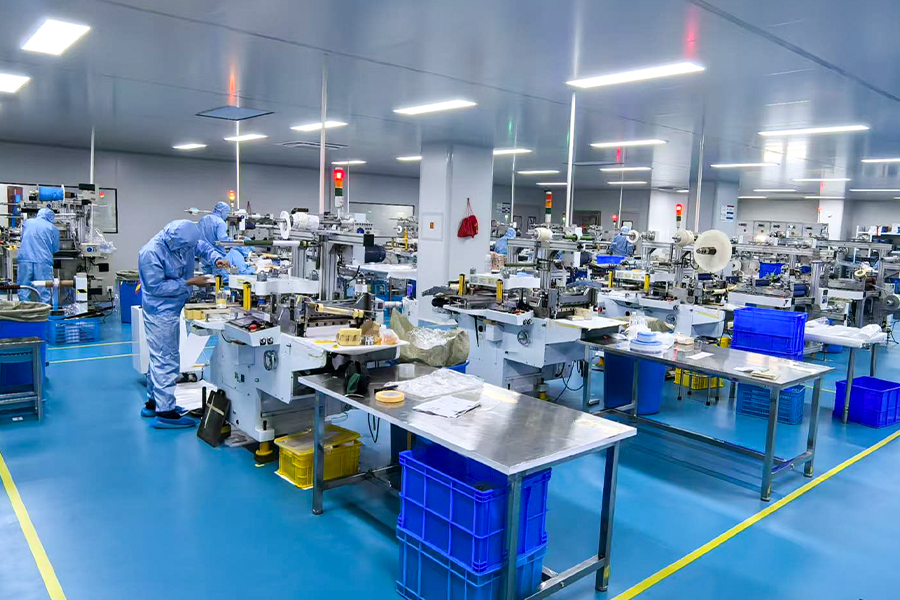
Xindi can provide customers with personalized, high-quality products and services to meet the needs of different markets and customers.
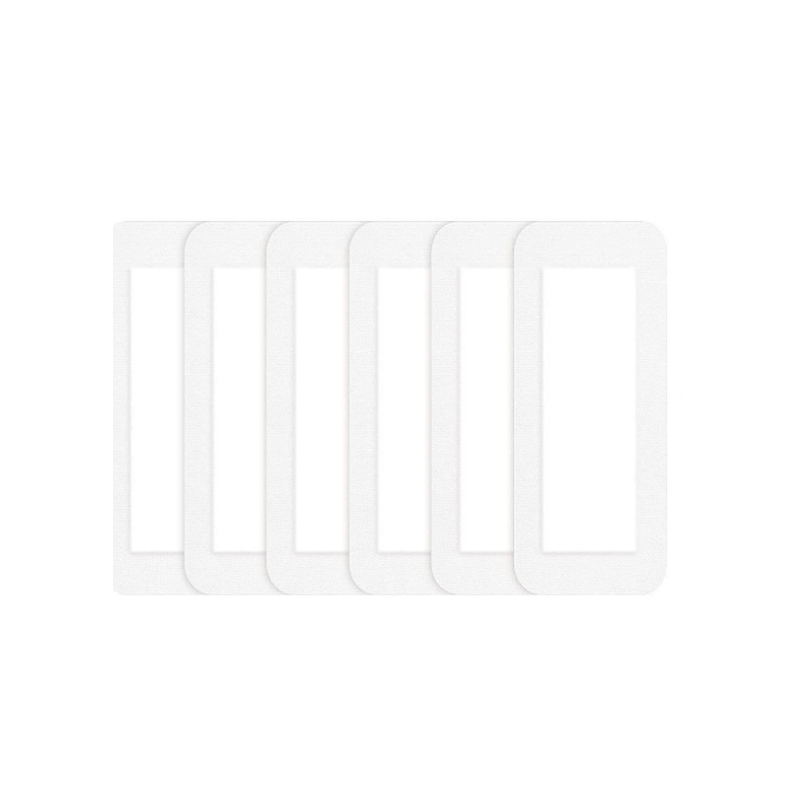
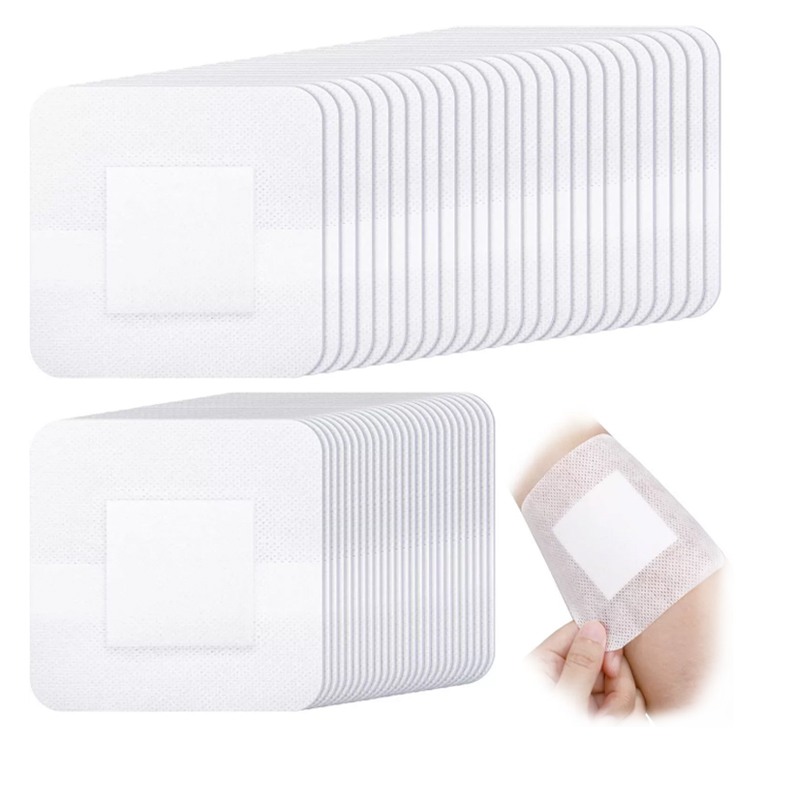
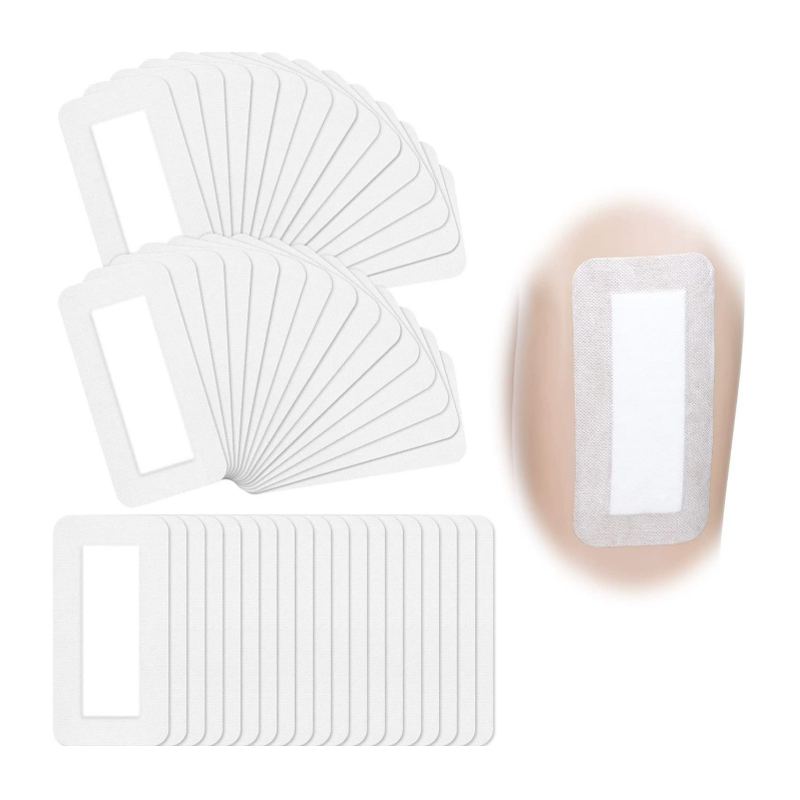
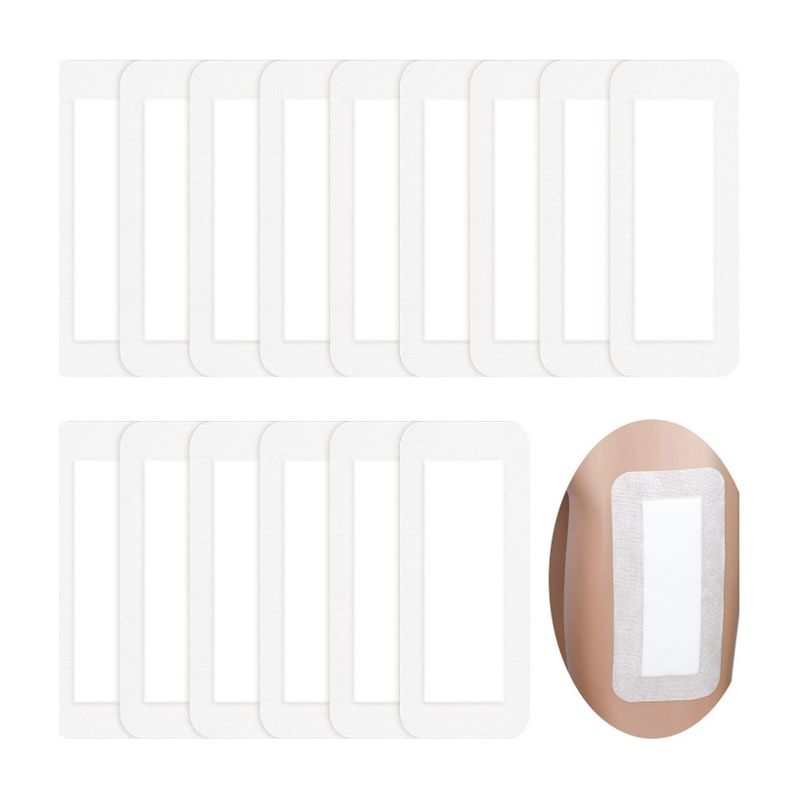
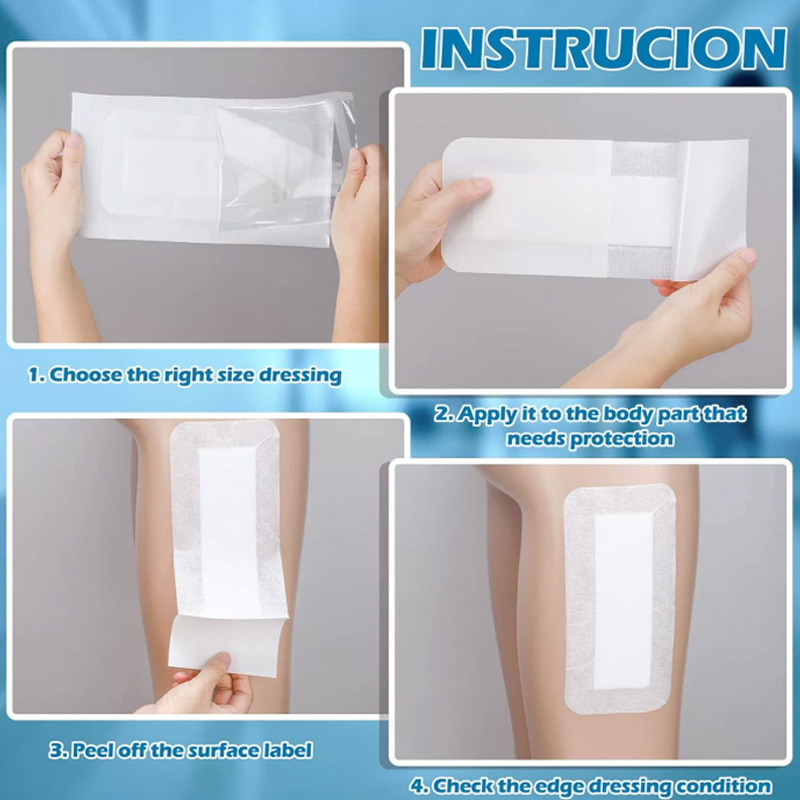
Characteristic:
1. Good breathability: The porous structure of non-woven fabric material allows air circulation, which helps keep the wound dry and promotes healing.
2. Soft and comfortable: The non-woven fabric has a soft texture and will not cause discomfort when applied to the skin, making it suitable for long-term use.
3. Hypoallergenicity: Non woven fabrics are usually specially treated to reduce irritation to the skin and are suitable for sensitive skin.
4. Strong absorbency: It can effectively absorb wound exudate and keep the wound clean.
5. Easy to use: Non woven dressing stickers usually have adhesive edges, making them easy to fix and use.
6. Lightweight: Non woven fabric material is lightweight and will not bring additional burden to patients.
7. Affordable: Compared to other high-end dressings, non-woven dressings have lower costs and higher cost-effectiveness.
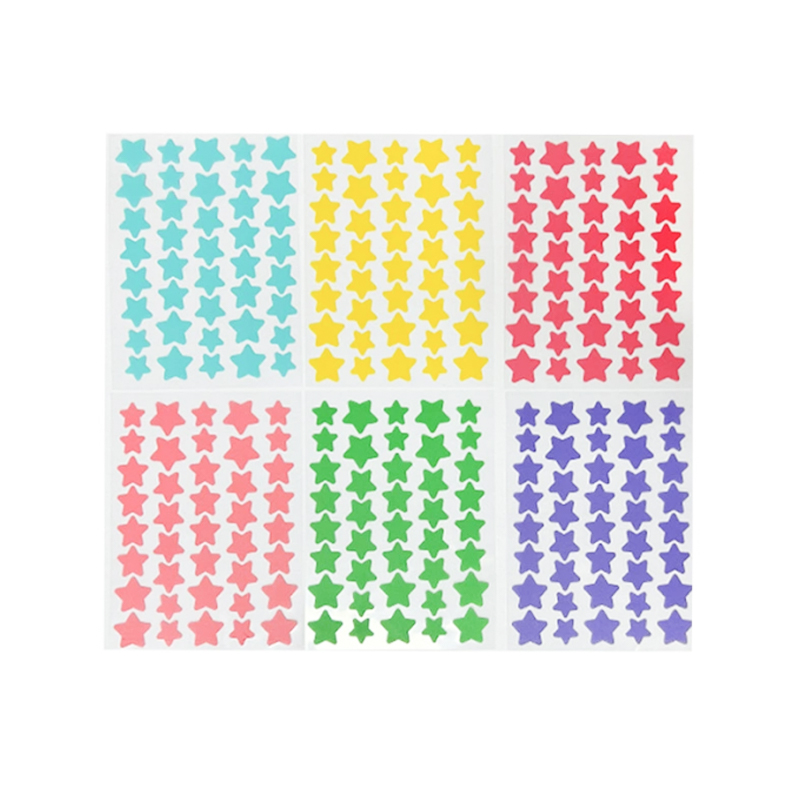
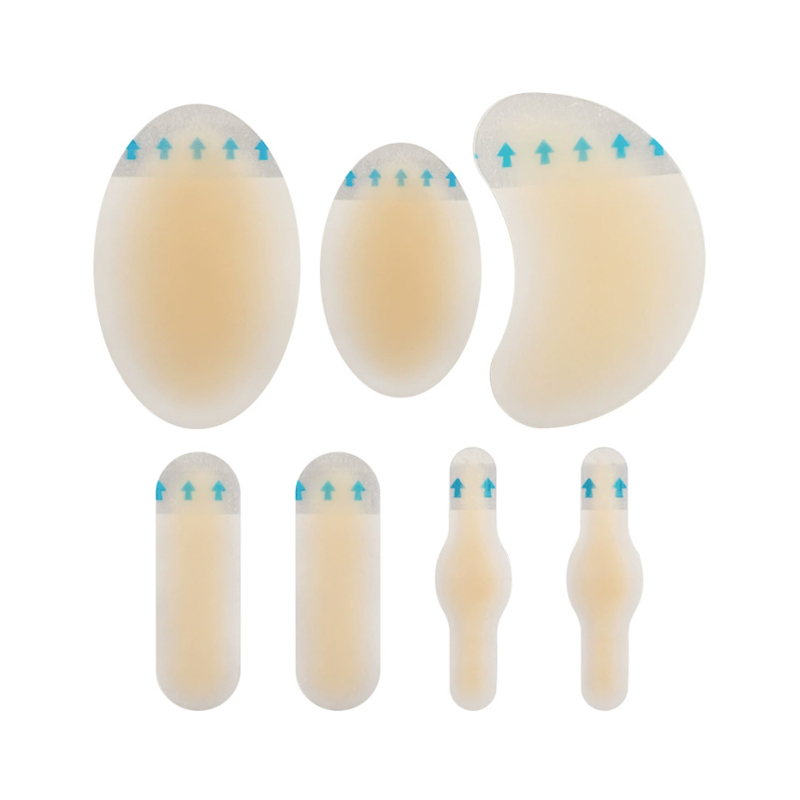
8. Diverse choices: Various specifications and shapes can meet different wound needs.
9. Environmentally friendly and biodegradable: Some non-woven fabric materials are biodegradable and environmentally friendly.
10. Sterility: Medical non-woven fabric dressings are usually sterilized to ensure safe use.
Application scenarios:
1. Minor trauma: such as cuts, abrasions, etc., non-woven fabric dressings can provide protection and prevent infection.
2. Surgical wound: Used to cover the incision after surgery, help absorb exudate, and keep the wound clean.
3. Burns and scalds: For small area burns or scalds, non-woven fabric dressings can protect the wound and reduce pain.
4. Chronic wounds: such as diabetes ulcers, pressure ulcers, etc., non-woven dressing patches help absorb exudates and promote healing.
5. Intravenous infusion and injection: used to fix the needle, prevent needle movement, and absorb possible small amounts of bleeding.
6. Laser therapy and minimally invasive surgery: used to cover the treatment area after treatment, protect the skin, and promote recovery.
7. Sports injuries: When athletes are injured during training or competition, non-woven dressings can provide immediate wound protection.
8. Daily home care: Used for treating small wounds in the home, such as kitchen cuts, children's abrasions, etc.
9. Animal care: When pets are injured, non-woven fabric dressings can be used for simple wound care.
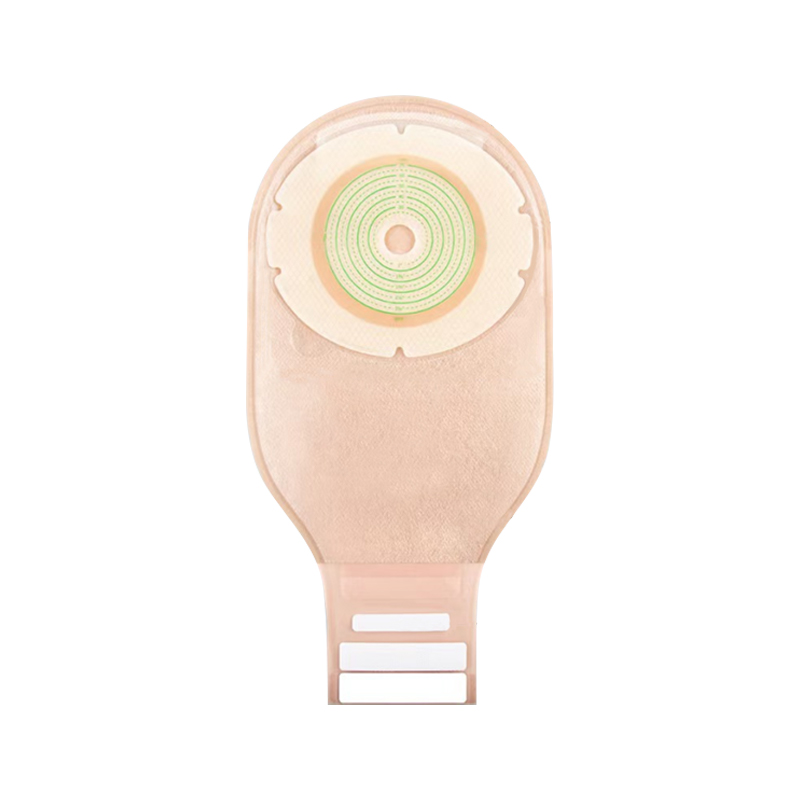
10. Special medical uses: Non woven dressing patches also have their specific applications, such as stoma care, gynecological care, etc.
How Wound Type Determines Which Dressing Patch Actually Works Choosing a dressing patch based on wh...
View MoreUnderstanding the Role of Neutral Electrode Pads in Electrosurgery In monopolar electrosurgical proc...
View MoreMedical-grade silicone gel products have become a standard recommendation in post-surgical care and ...
View MoreA blister is one of the body's simplest defense mechanisms, yet it can turn a normal day into an unc...
View MoreWhat Are Sports Bandages and Why Do Athletes Rely on Them? Sports bandages are specialized wrapping ...
View MoreCopyright © 2024 by Wuxi Xindi Medical Technology Co., Ltd. All Rights Reserved.
Economical High Absorbent Non-Woven Dressing Patch Wholesale