
 English
 中文简体
中文简体 日本語
日本語 عربى
عربى русский
 Español
News
Xindi can provide customers with personalized, high-quality products and services to meet the needs of different markets and customers.
Content
Summer brings longer days, outdoor gatherings, travel, and increased time spent in gardens, parks, and recreational areas — environments where mosquito activity peaks. Beyond the immediate irritation of bites, mosquitoes are vectors for a range of serious diseases including dengue fever, malaria, Zika virus, chikungunya, and West Nile virus. According to the World Health Organization, mosquito-borne diseases affect hundreds of millions of people annually, making effective personal protection a genuine public health priority rather than a matter of comfort alone.
The challenge for families, outdoor workers, travellers, and caregivers is finding a repellent format that combines reliable protection with a safety and tolerability profile appropriate for the people using it — particularly children and individuals with sensitive skin. This is precisely where mosquito repellent stickers have gained significant traction as a practical, mess-free, and skin-friendly alternative to conventional spray and lotion repellents. Understanding what makes these products effective, how long they last, and what safety credentials to look for is essential knowledge for anyone planning meaningful summer protection.
Mosquito repellent stickers are adhesive patches — typically 3–6 cm in diameter — that contain a reservoir of active repellent compounds embedded within a porous or microporous carrier material. When applied to clothing, bags, pushchair canopies, wristbands, or other surfaces near the body, they release repellent vapour continuously into the microenvironment surrounding the wearer. This vapour creates a protective zone that disrupts the olfactory receptors mosquitoes use to locate hosts, reducing the likelihood of landing and biting without requiring direct skin contact with the repellent compound.
The active ingredients in sticker repellents vary by product and target market. The most widely used natural actives include citronella oil (from Cymbopogon nardus), eucalyptus oil (particularly the refined p-menthane-3,8-diol or PMD fraction derived from lemon eucalyptus), lavender oil, and geraniol. Synthetic options include icaridin (also known as picaridin), which is recognised by the WHO as an effective and well-tolerated repellent active. The concentration and formulation of these actives within the sticker's carrier matrix determines both the intensity and the duration of protection — key variables that separate high-quality products from lower-grade alternatives.
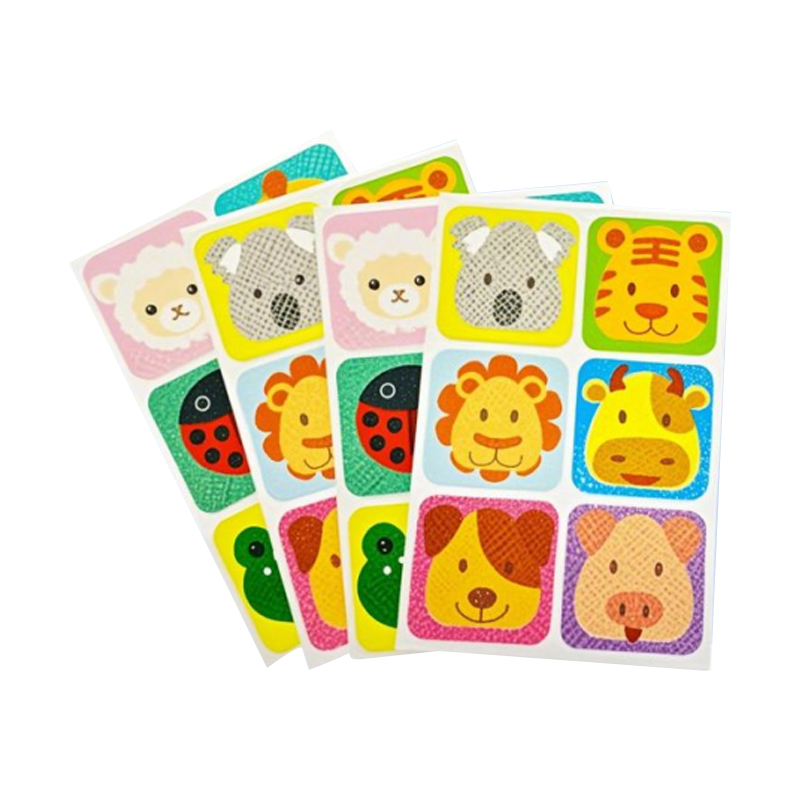
A mosquito repellent that loses its efficacy within an hour provides only superficial reassurance. Real-world summer activities — a full day at the beach, a hiking trip, an outdoor birthday party, or an evening barbecue — demand protection that persists for the duration of the activity without requiring the user to reapply every 60–90 minutes. The duration of protection from a repellent sticker depends on three primary factors: the concentration of active ingredient loaded into the carrier, the release rate engineered into the carrier matrix, and the ambient conditions (temperature and airflow) during use.
Premium mosquito repellent stickers are formulated to deliver 8–24 hours of continuous protection per patch under normal outdoor conditions. This is achieved through microencapsulation technology, where the active repellent is enclosed in microscopic polymer shells that rupture progressively under the pressure of vapour generation, releasing the active at a controlled rate rather than all at once. Compared to simple impregnated patches that exhaust their active within a few hours, microencapsulated stickers provide consistent protection across a full day of outdoor activity — a meaningful practical advantage for parents managing children's outdoor time and for professionals working in mosquito-prone environments.
Even a high-quality sticker will underperform if used incorrectly. The following conditions accelerate active ingredient depletion and reduce effective protection duration:
Understanding these factors allows users to position stickers optimally — typically on smooth outer clothing surfaces, bag straps, or hat brims — and to carry spare stickers for extended activities in hot or windy conditions.
Safety is the most important criterion for any repellent product used around children, pregnant women, or individuals with compromised health. The safety of a mosquito repellent sticker must be evaluated across three dimensions: the toxicological profile of the active ingredients, the safety of the adhesive and carrier materials, and the regulatory compliance status of the product in the market where it is sold.
Natural plant-derived actives such as citronella, geraniol, and lavender oil have well-established safety records when used at appropriate concentrations and applied to clothing rather than directly to skin. PMD (p-menthane-3,8-diol) from lemon eucalyptus is endorsed by the US Centers for Disease Control and Prevention (CDC) as an effective repellent and has a good dermal safety profile in adults, though it is not recommended for children under three years of age. Icaridin is considered one of the safest synthetic repellents available, with a low skin sensitisation potential and no evidence of systemic toxicity at use concentrations — making it a preferred active in products positioned for family use.
Products carrying repellent claims in the European Union must be registered under the EU Biocidal Products Regulation (BPR), which requires manufacturers to demonstrate efficacy and safety before market authorisation. In the United States, EPA registration is required for products making public health pest control claims. These regulatory frameworks provide a baseline assurance of safety that unregistered or informally marketed products cannot offer — a practical check consumers should apply when evaluating unfamiliar brands.
The adhesive layer of a sticker designed for use on clothing should be skin-safe in incidental contact scenarios, hypoallergenic, and free from sensitising compounds such as formaldehyde-releasing agents or certain acrylate monomers. Reputable manufacturers use medical-grade or hypoallergenic adhesives and clearly state on packaging that the sticker is intended for clothing application only — not direct skin adhesion — which eliminates the risk of occlusive skin reactions from prolonged adhesive contact.
Conventional DEET-based spray and lotion repellents are highly effective but carry well-documented concerns around dermal absorption, particularly in infants and young children. DEET is absorbed through the skin and, at high concentrations or with frequent application, has been associated with skin irritation, contact dermatitis, and — in rare cases of misuse — neurological effects in children. Many paediatricians recommend limiting DEET concentration to 10–30% for children and avoiding products with DEET entirely for infants under two months.
Mosquito repellent stickers resolve this concern entirely by design: the active ingredient is released as vapour into the air rather than deposited onto the skin. This means there is no dermal absorption pathway for the repellent compound, no residue on hands that can transfer to eyes or mouth, and no risk of accidental over-application to sensitive facial or mucosal areas. For parents of infants and toddlers — who touch their faces constantly and are difficult to keep from putting their hands in their mouths — this zero-skin-contact application method is a genuinely significant safety advantage over topical formats.
The same advantage applies to individuals with eczema, psoriasis, or other inflammatory skin conditions, for whom topical repellents frequently provoke flare-ups. Applying a sticker to a clothing hem, collar, or bag strap provides protection without any contact with compromised skin, enabling outdoor activity during summer that would otherwise require a difficult choice between mosquito exposure and skin irritation.
Beyond their safety profile, mosquito repellent stickers offer a range of practical advantages that explain their growing adoption across consumer markets globally.
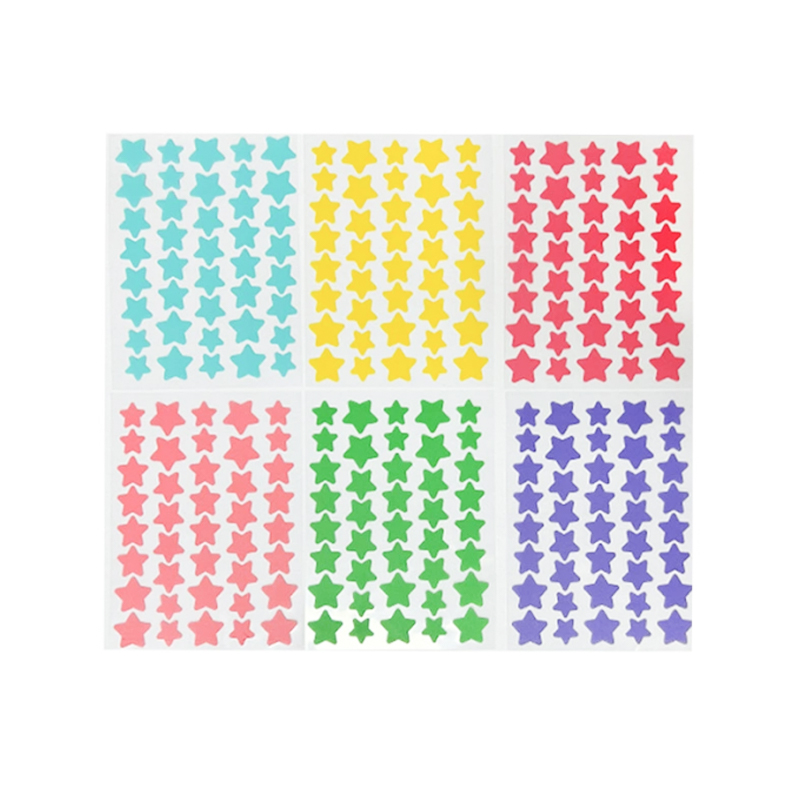 Absorbent, Moisturizing And Non-Irritating Hydrocolloid Acne Patch
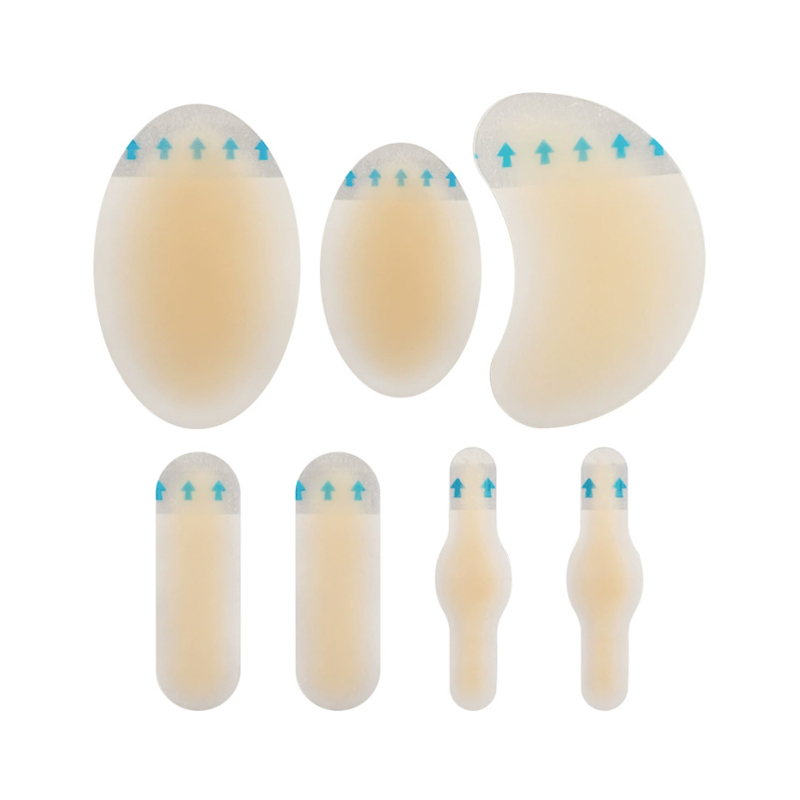 Cushioning, Pressure Reducing, Breathable And Comfortable Heel Patch
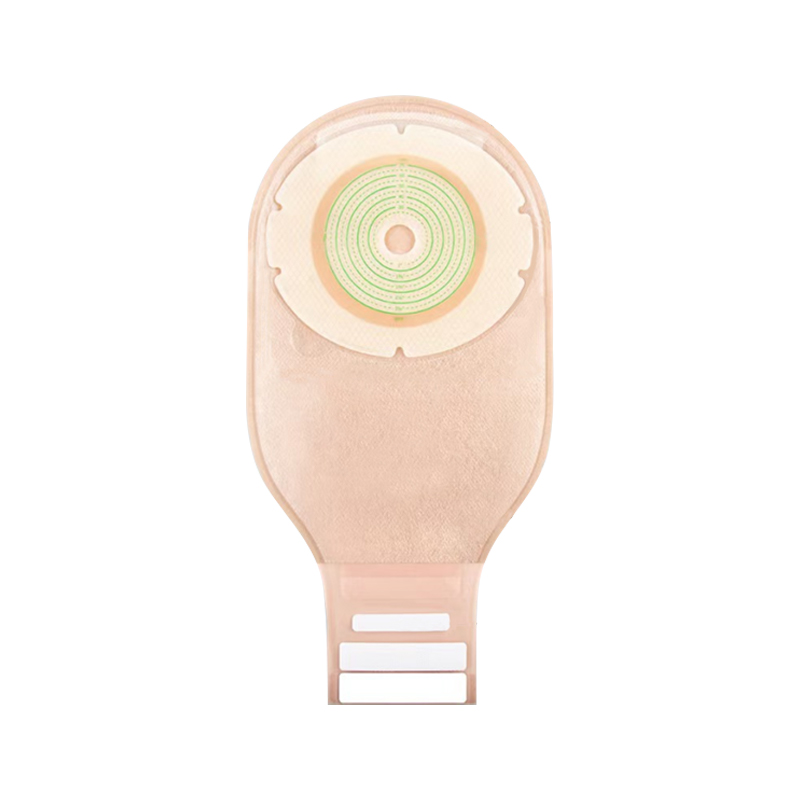 Soft Waterproof and Odor Control Ostomy Pouch
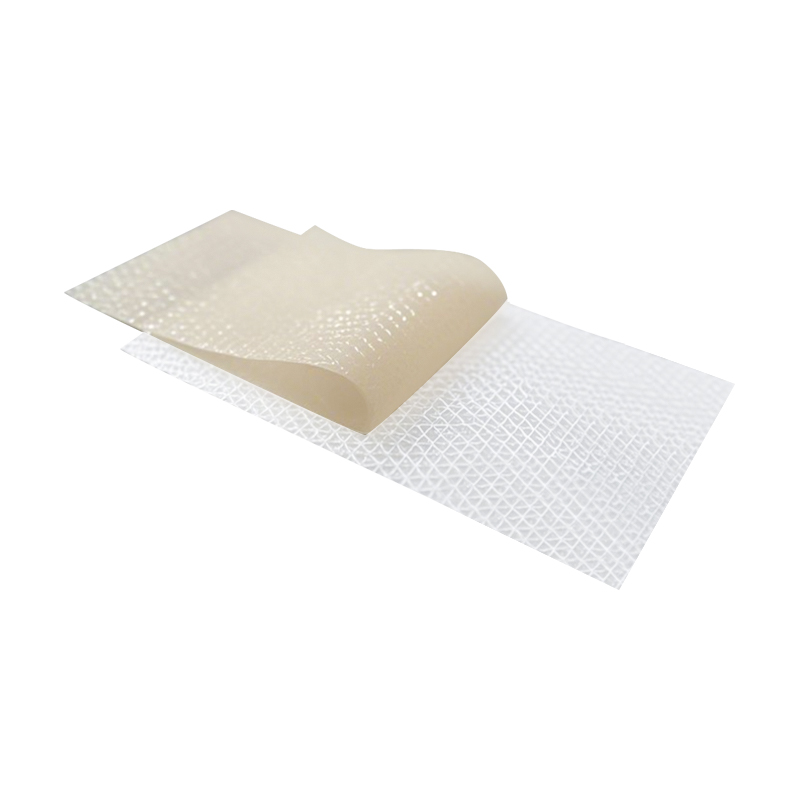 Widely Used Waterproof And Dustproof Silicone Scar Sheets
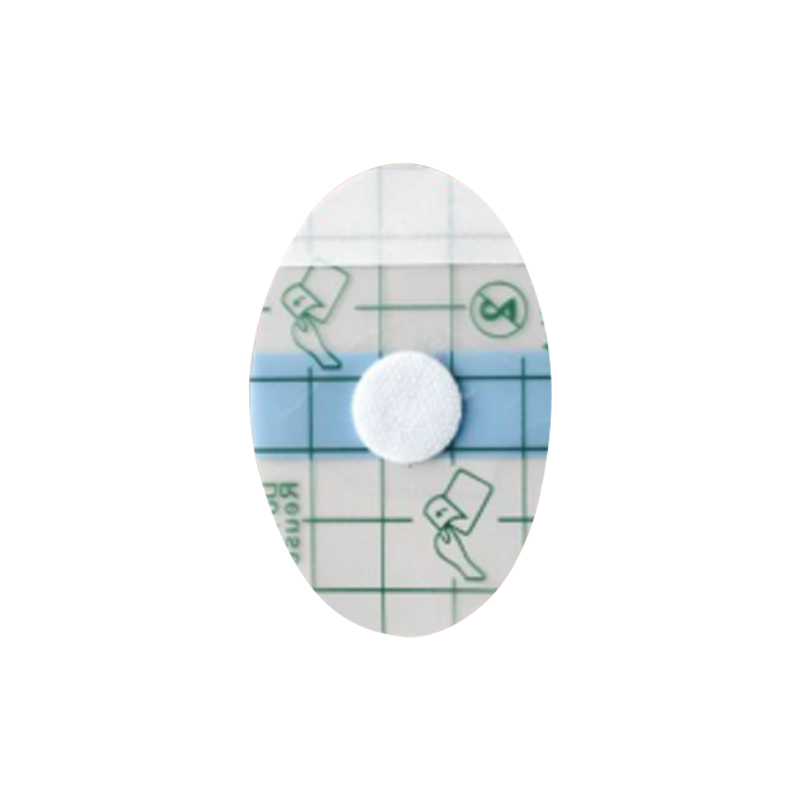 Hypoallergenic Breathable Waterproof Ear Patches
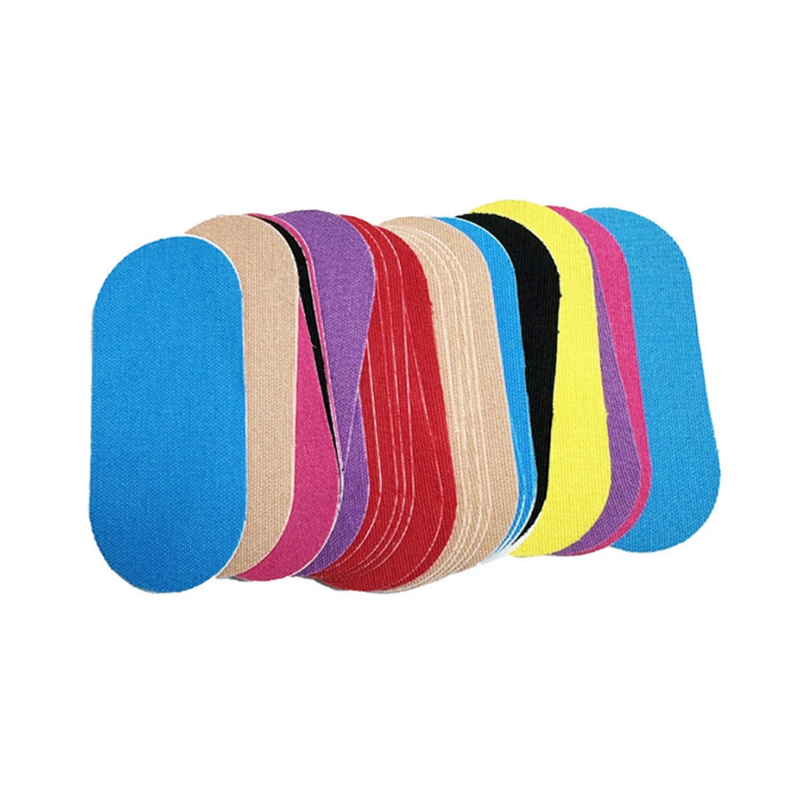 Strong Adhesive And Drug-Free Anti-Snoring Patch
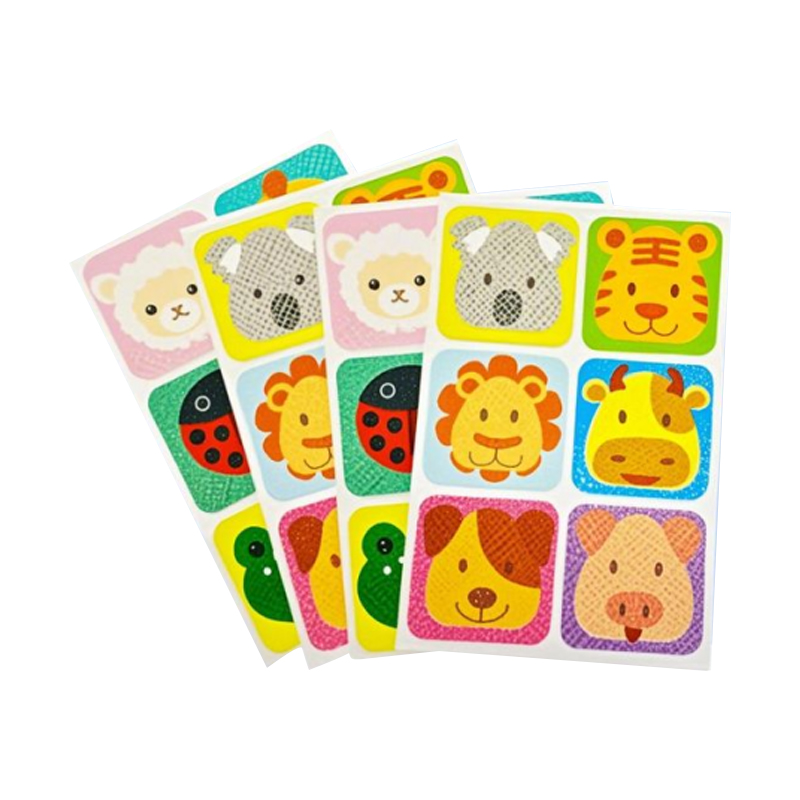 Long-Lasting Mosquito Repellent, Safe And Gentle Mosquito Repellent Stickers
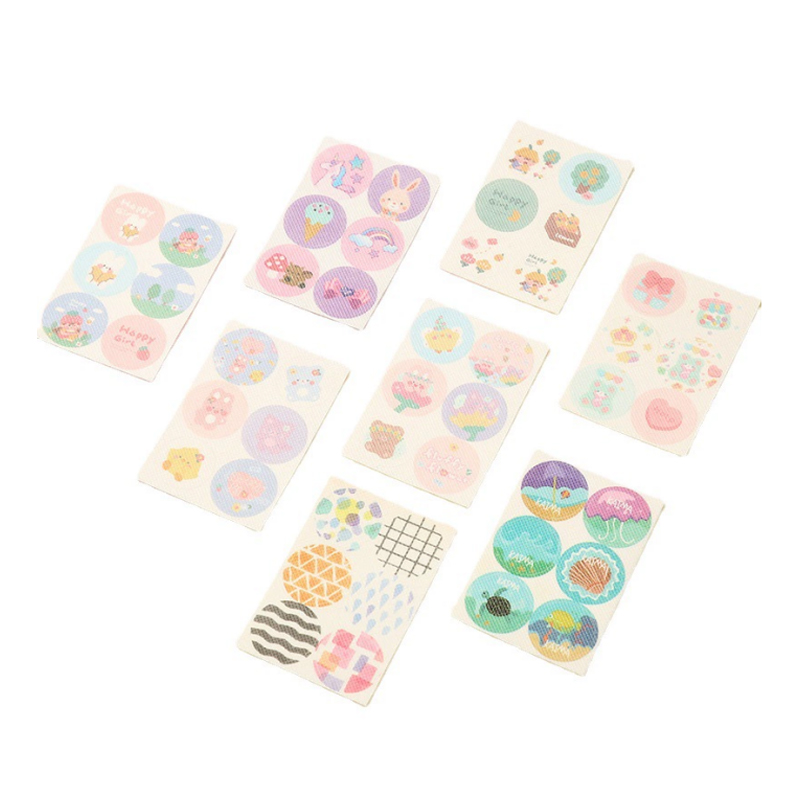 Soothing And Anti-Itching, Mild And Hypoallergenic Soothing Sticker
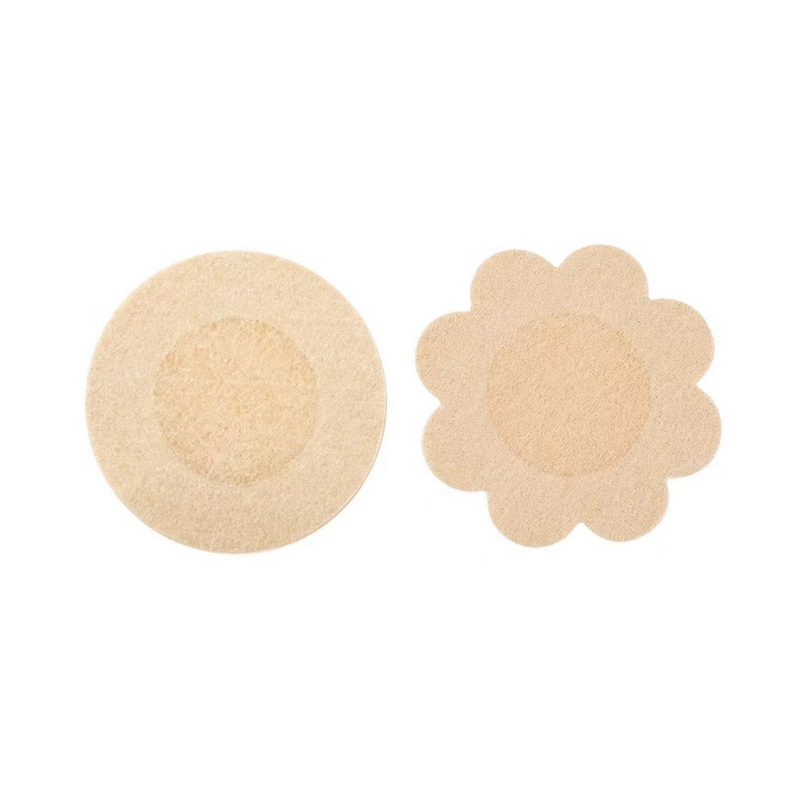 Invisible Non-Slip And Sweat-Proof Nipple Covers
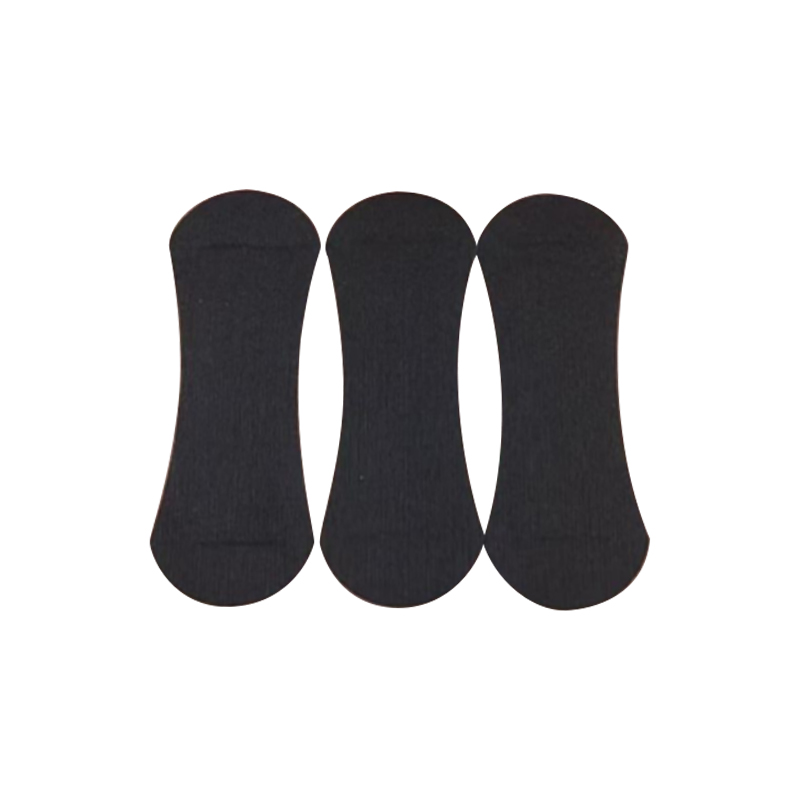 Portable Design And Reusable Ventilation Nose Strips
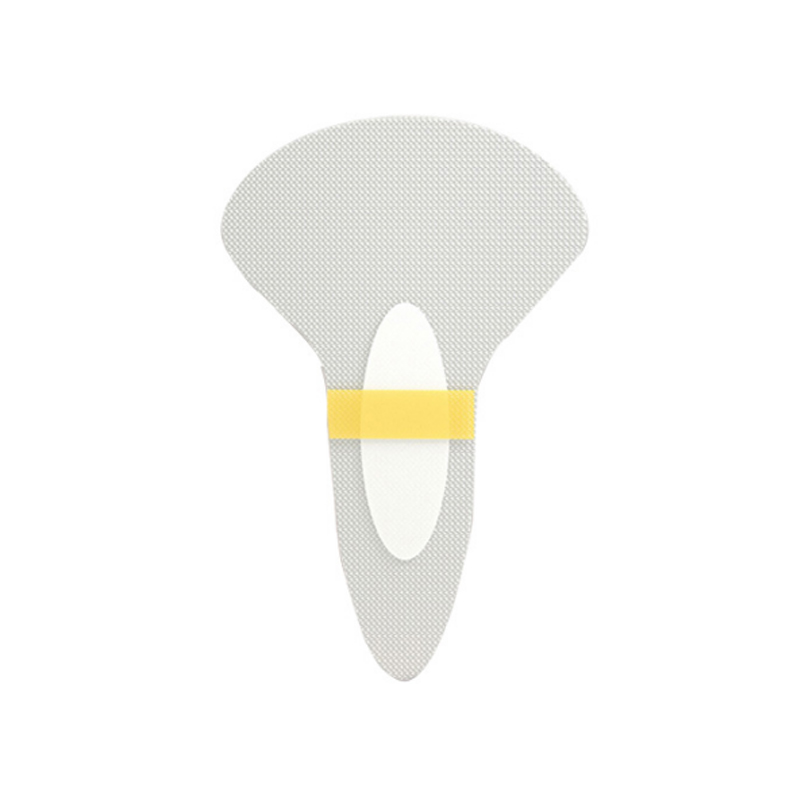 Breathable Comfort Fit Swimming Private Patches
 Strong Adhesion Waterproof And Sweatproof Anti-Exposure Stickers
Copyright © 2024 by Wuxi Xindi Medical Technology Co., Ltd. All Rights Reserved.
medical adhesive tapes manufacturers