
 English
 中文简体
中文简体 日本語
日本語 عربى
عربى русский
 Español
News
Xindi can provide customers with personalized, high-quality products and services to meet the needs of different markets and customers.
Content
Lightweight and breathable athletic tapes have become an essential tool in modern sports training and competition. Designed to provide support without restricting movement, these tapes are widely used by athletes across disciplines to prevent injuries, enhance performance, and aid recovery. Unlike traditional rigid taping methods, modern athletic tapes are engineered with flexible, skin-friendly materials that adapt to body movement while maintaining stability.
The “quickly apply” aspect is particularly valuable in high-intensity environments where time is limited. Athletes and trainers can apply the tape efficiently before or even during competition, ensuring immediate support. The breathable structure allows airflow, reducing discomfort and preventing skin irritation during prolonged use.
One of the primary benefits of athletic tape is its ability to enhance performance without compromising mobility. Properly applied tape supports muscles and joints, allowing athletes to perform at their best while minimizing the risk of strain.
Lightweight tapes provide targeted support to muscles, helping maintain proper alignment during movement. This reduces unnecessary strain and allows for more efficient energy use, which is critical in endurance sports and high-performance activities.
Unlike bulky braces, breathable athletic tapes are designed to stretch and move with the body. This ensures that athletes retain their full range of motion, which is essential for activities requiring speed, agility, and precision.
Injury prevention is a major concern for athletes at all levels. Lightweight and breathable athletic tapes play a significant role in reducing the risk of injuries by stabilizing joints and supporting vulnerable areas.
Taping provides additional support to joints such as ankles, knees, and wrists. This is particularly important in sports that involve sudden changes in direction or high-impact movements, where joints are more susceptible to injury.
Athletes often experience minor strains that, if left untreated, can develop into more serious injuries. Quick application of athletic tape allows for immediate support, helping prevent further damage and enabling continued participation.
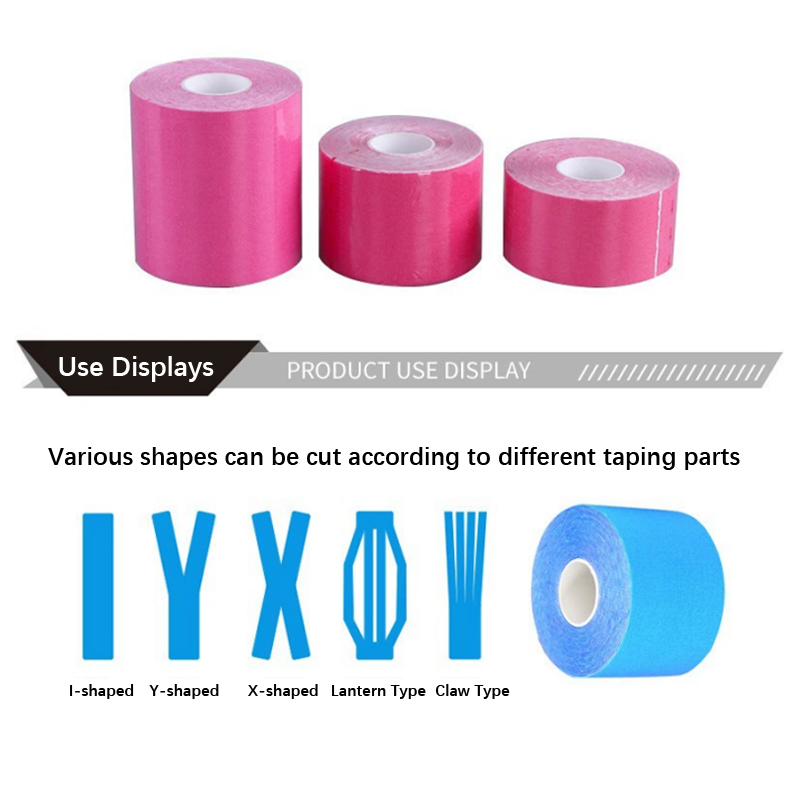
Athletic tapes are not only used during performance but also play a crucial role in recovery and rehabilitation. Their ability to provide gentle support and improve circulation makes them an effective tool for managing injuries.
Breathable tapes help lift the skin slightly, promoting better blood flow and lymphatic drainage. This can reduce swelling and accelerate the healing process for injured tissues.
By supporting affected areas, athletic tapes can alleviate pressure on muscles and joints, reducing pain. This allows athletes to recover more comfortably and return to activity sooner.
| Function | Benefit |
| Circulation Support | Reduces swelling and speeds healing |
| Muscle Support | Relieves strain and discomfort |
| Joint Stabilization | Prevents further injury |
| Comfortable Wear | Supports long-term use |
Breathability is a critical factor in athletic tape design, especially for athletes who train and compete for extended periods. Non-breathable materials can trap moisture, leading to discomfort and skin irritation.
Breathable tapes allow sweat to evaporate, keeping the skin dry and reducing the risk of irritation. This is particularly important in hot or humid conditions where moisture buildup is more likely.
High-quality athletic tapes are made from hypoallergenic materials that minimize the risk of allergic reactions. This ensures that athletes can use the tape regularly without adverse effects.
To fully benefit from athletic tapes, proper application techniques are essential. Incorrect application can reduce effectiveness or even cause discomfort.
The skin should be clean and dry before applying the tape. Proper placement ensures that the tape provides support where it is needed most without restricting movement.
Applying the correct amount of tension is crucial. Too much tension can restrict circulation, while too little may not provide adequate support.
Lightweight and breathable athletic tapes have become indispensable in modern sports. Their ability to provide support, prevent injuries, and aid recovery makes them a valuable tool for athletes at all levels. By combining comfort, flexibility, and functionality, these tapes address the diverse needs of today’s athletic environment.
As sports continue to evolve and performance demands increase, the importance of effective support solutions will only grow. Athletes who incorporate high-quality athletic tapes into their routines can benefit from improved performance, reduced injury risk, and faster recovery, ultimately achieving better results in their respective fields.
 Absorbent, Moisturizing And Non-Irritating Hydrocolloid Acne Patch
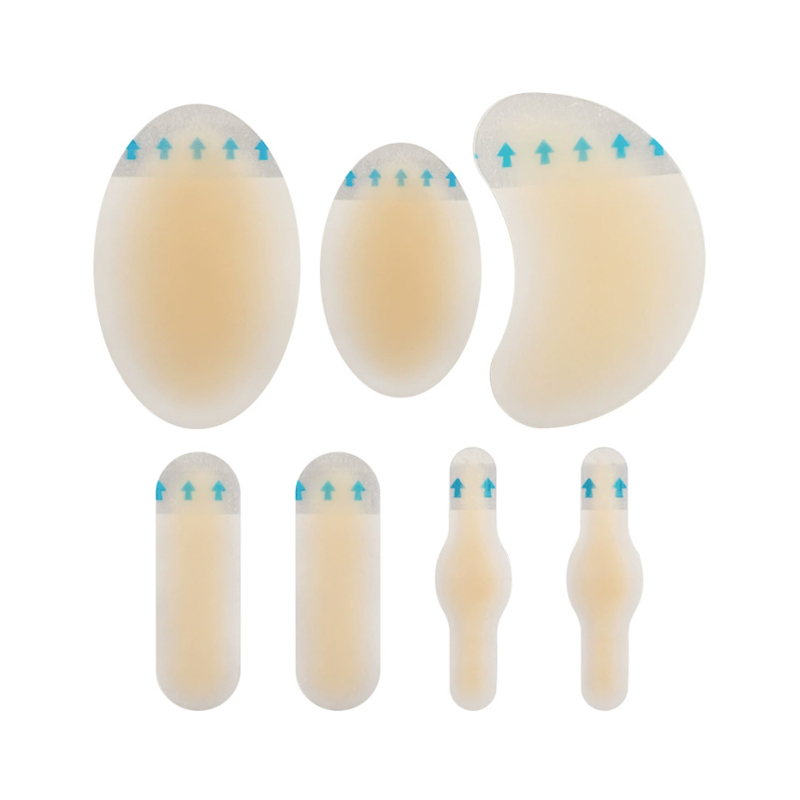 Cushioning, Pressure Reducing, Breathable And Comfortable Heel Patch
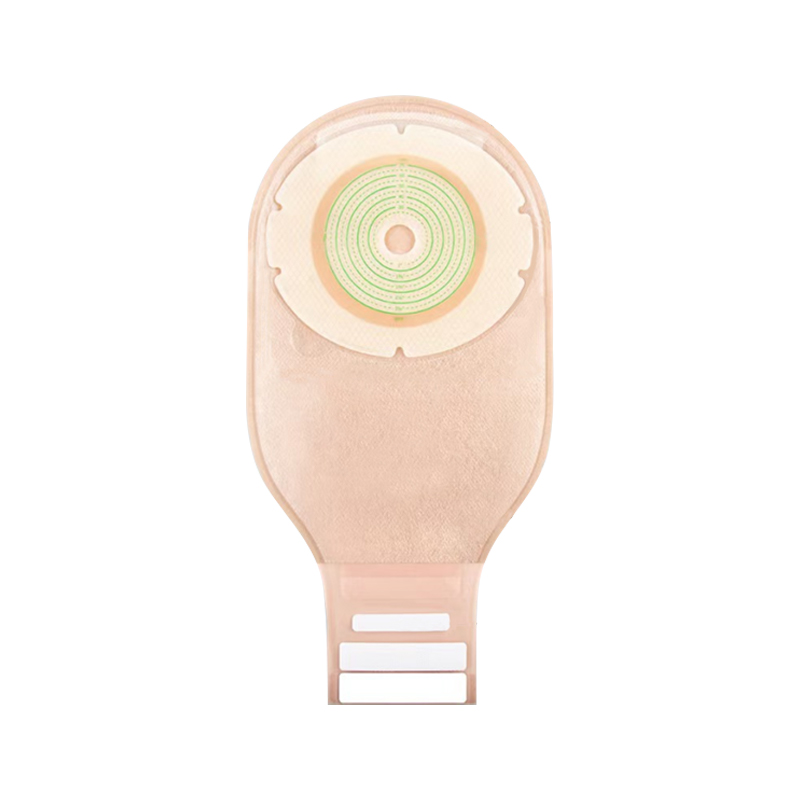 Soft Waterproof and Odor Control Ostomy Pouch
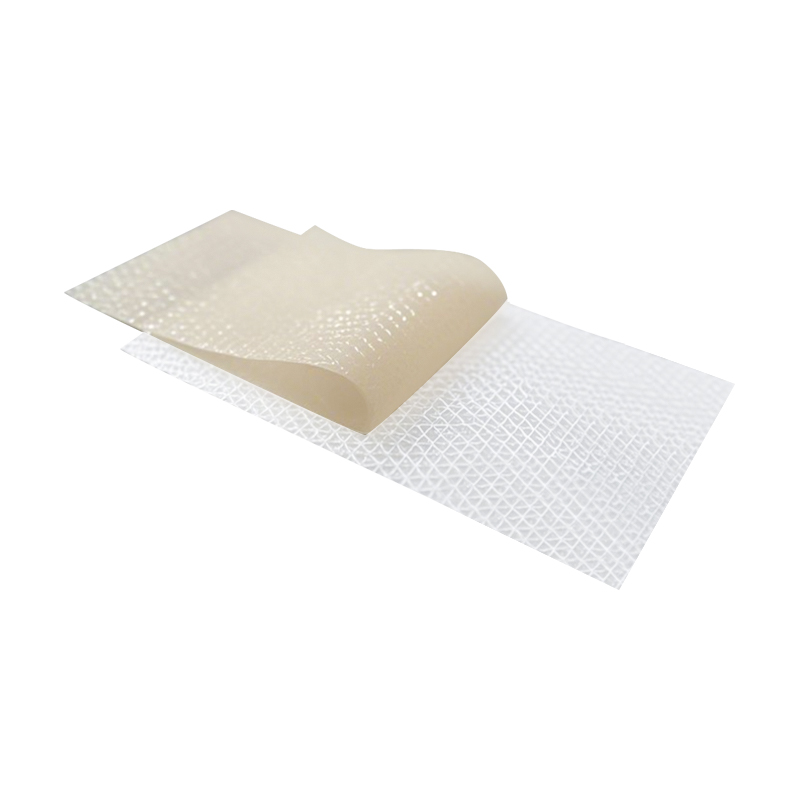 Widely Used Waterproof And Dustproof Silicone Scar Sheets
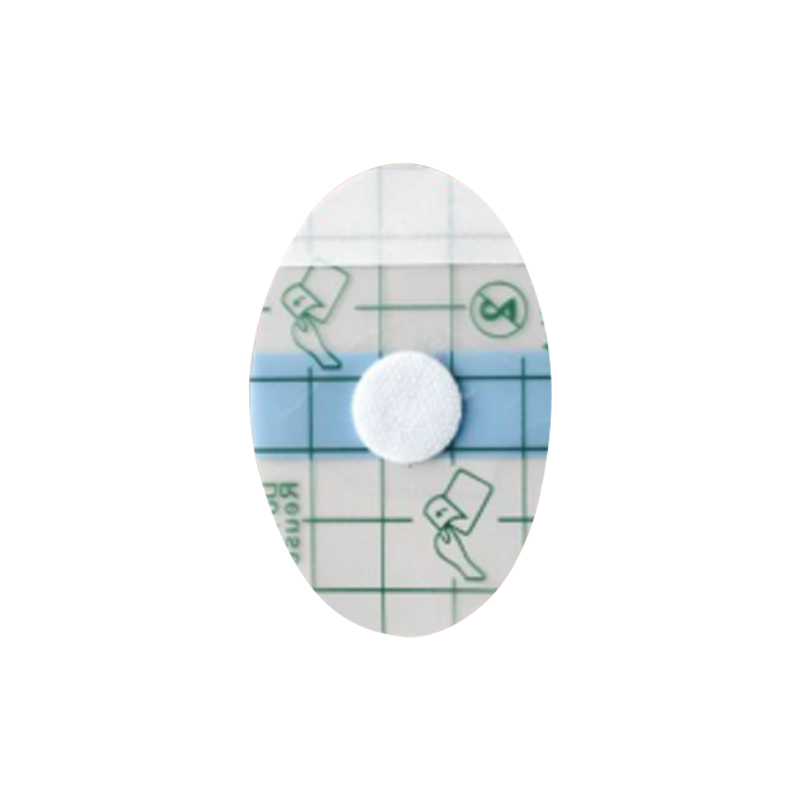 Hypoallergenic Breathable Waterproof Ear Patches
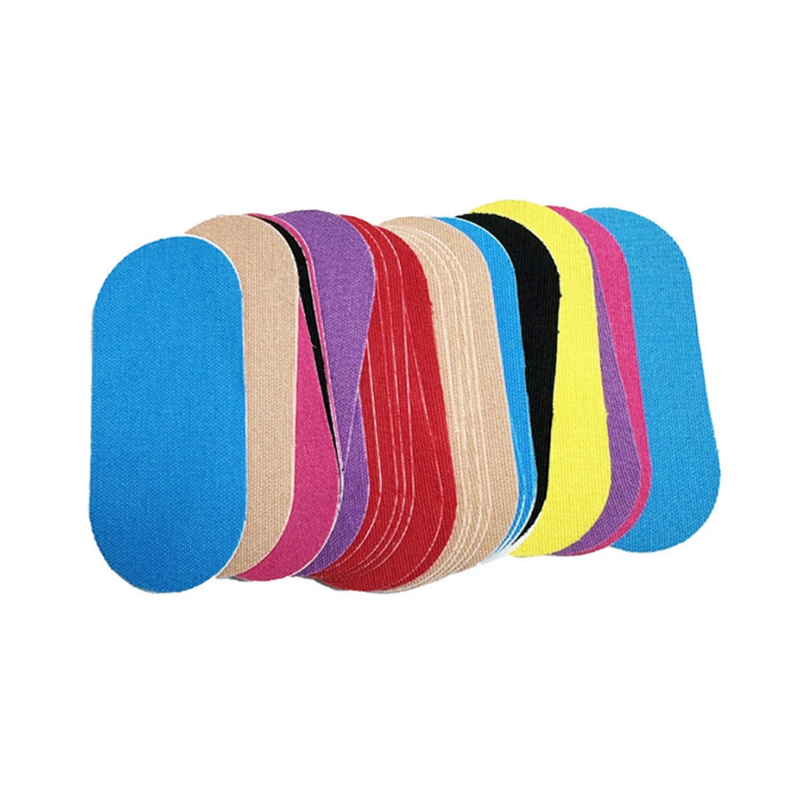 Strong Adhesive And Drug-Free Anti-Snoring Patch
 Long-Lasting Mosquito Repellent, Safe And Gentle Mosquito Repellent Stickers
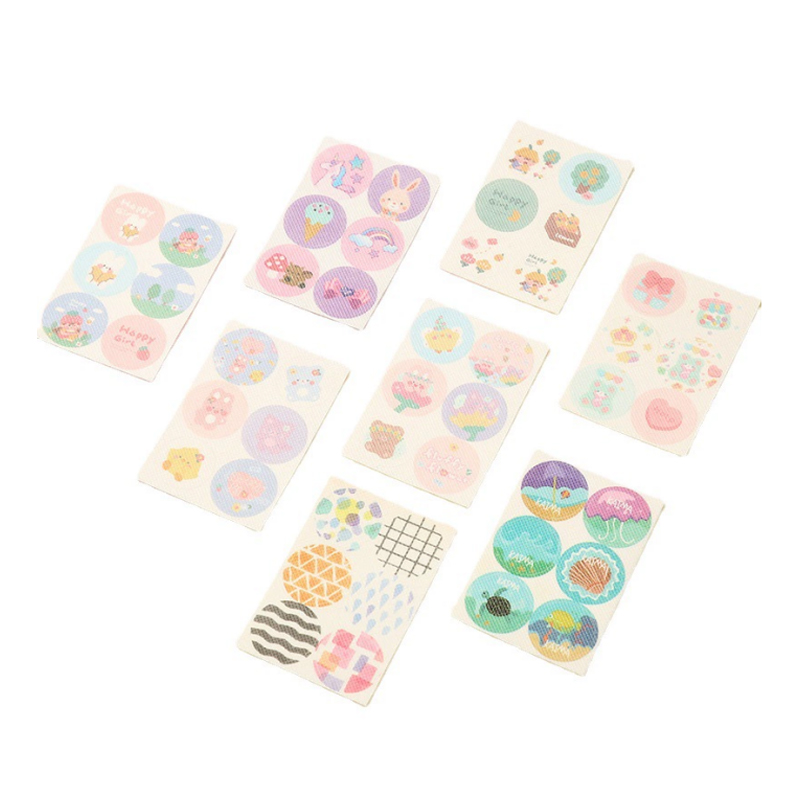 Soothing And Anti-Itching, Mild And Hypoallergenic Soothing Sticker
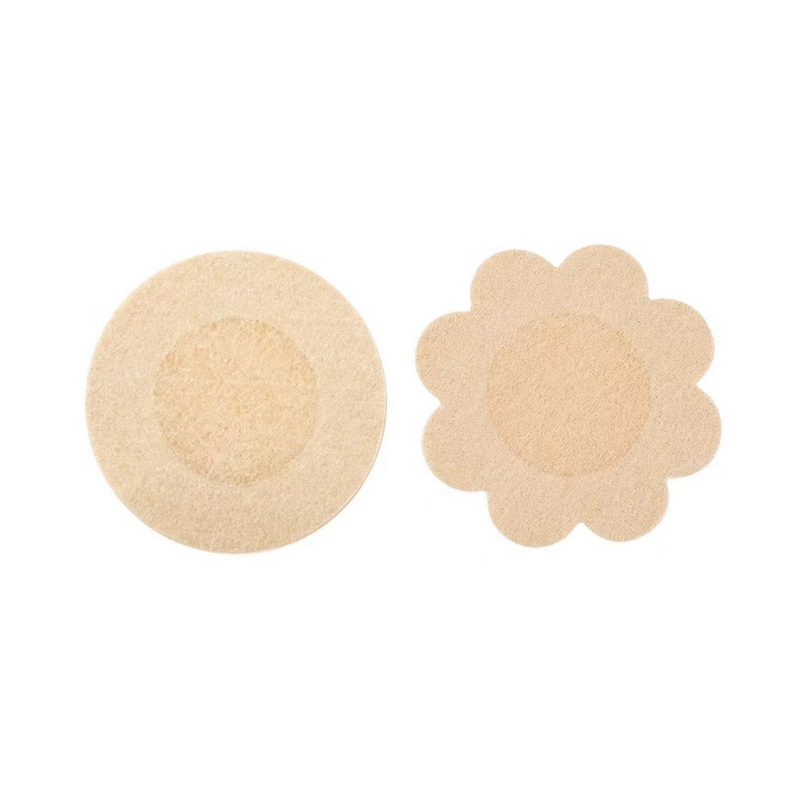 Invisible Non-Slip And Sweat-Proof Nipple Covers
 Portable Design And Reusable Ventilation Nose Strips
 Breathable Comfort Fit Swimming Private Patches
 Strong Adhesion Waterproof And Sweatproof Anti-Exposure Stickers
Copyright © 2024 by Wuxi Xindi Medical Technology Co., Ltd. All Rights Reserved.
medical adhesive tapes manufacturers