
 English
 中文简体
中文简体 日本語
日本語 عربى
عربى русский
 Español
News
Xindi can provide customers with personalized, high-quality products and services to meet the needs of different markets and customers.
Content
Highly breathable elastic polyurethane (PU) wound dressings represent a significant advancement over conventional gauze pads, adhesive bandages, and occlusive films. These dressings are manufactured from a thin, conformable polyurethane film that has been engineered at the microscopic level to allow water vapor and oxygen to pass through while blocking liquid water, bacteria, and external contaminants. The result is a dressing that actively supports the wound environment rather than simply covering it. The elasticity of the material allows it to stretch and flex with body movement, making it suitable for application over joints, curved surfaces, and anatomically complex areas where rigid dressings would lift, wrinkle, or lose adhesion.
The breathability of these dressings is measured by their Moisture Vapor Transmission Rate (MVTR), which quantifies how much water vapor passes through the film per square meter per 24 hours. High-performance PU wound dressings typically achieve MVTR values ranging from 3,000 to over 10,000 g/m²/24h, compared to standard plastic films that may fall below 500 g/m²/24h. This difference in breathability has direct, measurable consequences for wound healing speed, infection rates, skin maceration, and patient comfort — all of which are explored in depth throughout this article.
One of the most well-established principles in modern wound care is that wounds heal significantly faster in a moist environment than in a dry one. Clinical research dating back to the landmark studies of George Winter in the 1960s consistently demonstrates that moist wound healing accelerates re-epithelialization by up to 50 percent compared to wounds left exposed to air. Highly breathable elastic PU dressings strike the precise balance needed: they retain enough moisture at the wound surface to keep cells hydrated, active, and capable of migration across the wound bed, while simultaneously transmitting excess moisture vapor away from the skin to prevent fluid accumulation.
This controlled moisture balance directly benefits several key healing processes. Fibroblasts — the cells responsible for producing collagen and new connective tissue — function optimally in a hydrated environment. Neutrophils and macrophages, which clear debris and bacteria from the wound site, maintain their enzymatic activity longer when moisture is preserved. Growth factors that signal tissue repair remain active and available at the wound surface rather than drying out and becoming denatured. Each of these biological advantages translates into a measurably shorter healing timeline, reduced scarring, and a lower likelihood of wound complications progressing to chronic wound status.
A critical challenge with any wound dressing that retains moisture is the risk of maceration — the softening and breakdown of peri-wound skin caused by prolonged exposure to excess fluid. Macerated skin loses its structural integrity, becomes vulnerable to bacterial colonization, and can extend wound edges outward, enlarging rather than reducing the wound area. This is a frequent complication associated with hydrocolloid dressings, low-MVTR films, and foam dressings used on highly exudative wounds without adequate absorption management.
Highly breathable elastic PU dressings address this problem directly through their high MVTR. By continuously moving excess water vapor away from the skin surface, these dressings prevent the buildup of fluid that leads to maceration while maintaining the therapeutic level of moisture within the wound itself. The peri-wound skin remains dry, intact, and undamaged, which preserves the structural boundary of the wound and supports inward cell migration during healing. The gas exchange capability also ensures that sufficient oxygen reaches the wound environment — an important factor for aerobic cellular metabolism and the formation of new blood vessels through angiogenesis.
Despite their high permeability to water vapor and gases, highly breathable elastic PU dressings maintain an effective barrier against bacteria, viruses, and environmental contaminants. The physical structure of the polyurethane membrane — with pores sized to allow vapor molecules through while blocking particles — provides protection that is critical in both clinical and everyday wound management settings. Wound infection is one of the primary causes of delayed healing, chronic wound development, and in serious cases, systemic sepsis.
Studies evaluating bacterial strike-through on PU film dressings show that intact high-quality PU membranes effectively resist penetration by Staphylococcus aureus, Pseudomonas aeruginosa, and other common wound pathogens even under wet conditions. This protection is particularly important in environments where the wound is exposed to repeated moisture — such as during bathing, perspiration, or wound irrigation — where lower-grade dressings would fail. The ability to maintain a sterile wound environment without restricting breathability removes one of the fundamental trade-offs that previously forced clinicians to choose between moisture management and infection control.
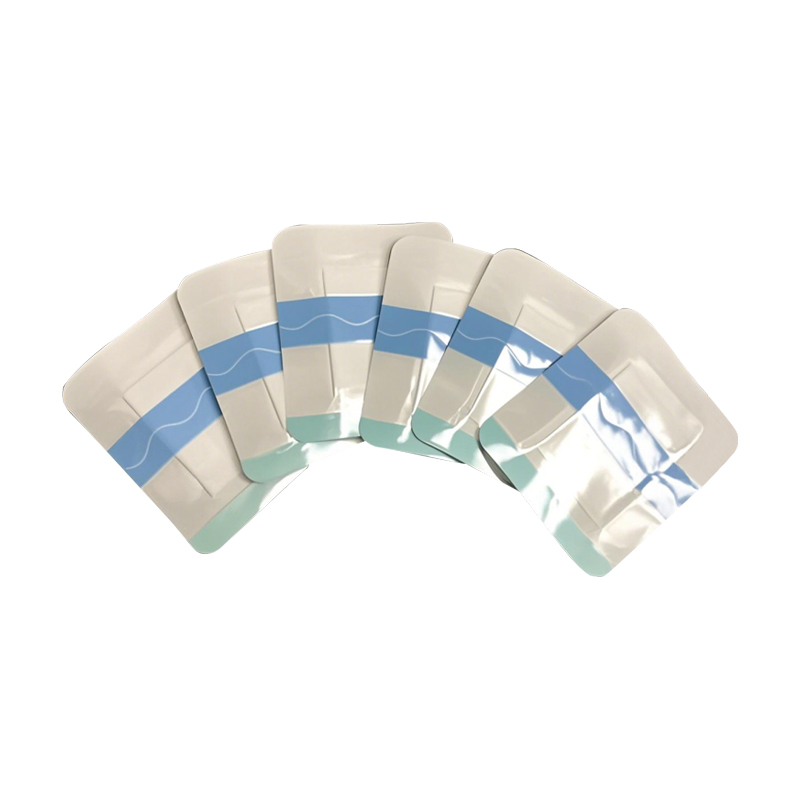
The elastic properties of PU wound dressings make them uniquely suited to wound sites that experience constant movement, stretching, or flexion. Standard rigid dressings applied over joints such as knees, elbows, knuckles, or shoulders face a fundamental mechanical challenge: as the joint moves, the dressing is subjected to repeated mechanical stress that causes the edges to peel away, the adhesive to fail, and the dressing to wrinkle or bunch up over the wound surface. Each time a dressing partially detaches, it creates gaps through which bacteria can enter, disrupts the moist wound environment, and often requires earlier-than-necessary dressing changes that further disturb the healing tissue.
Highly breathable elastic PU dressings conform naturally to body contours and move with the skin during flexion and extension without losing adhesion or wrinkling over the wound bed. Their elongation at break — typically ranging from 300 to 700 percent depending on the specific formulation — far exceeds the mechanical demands placed on them by normal human movement. This means the dressing remains securely in place for its full intended wear time, maintaining consistent barrier function and moisture management throughout. For patients with wounds on the hands, feet, neck, or any joint region, this mechanical compatibility significantly improves both clinical outcomes and the practical experience of wearing the dressing through daily activities.
One of the most practically valuable features of highly breathable elastic PU wound dressings is their ability to be simultaneously waterproof and highly breathable — two properties that seem contradictory but are achieved through the specific engineering of the PU membrane. The dressing repels liquid water from the outside, meaning patients can shower, wash, and even swim without water penetrating to the wound, while still allowing the internal moisture generated by wound exudate and skin perspiration to escape as vapor from the inside out.
This waterproof-yet-breathable property removes one of the most common sources of patient non-compliance with wound care: the inconvenience of protecting wounds from water during bathing and daily hygiene routines. When patients can maintain normal hygiene without risk of contaminating the wound, adherence to the recommended wear schedule improves dramatically. From a clinical perspective, consistent dressing wear reduces the frequency of wound contamination events and avoids the disruption to healing tissue caused by premature dressing changes necessitated by water damage.
Dressing change trauma — the pain, bleeding, and tissue disruption that occurs when a dressing adheres to healing wound tissue and is then removed — is a significant clinical problem with many traditional dressings. Gauze, in particular, is notorious for bonding with granulating tissue and dried exudate, tearing away newly formed epithelium when removed and effectively setting back the healing process at each change. This mechanical disruption also triggers an inflammatory response that temporarily redirects the body's resources away from tissue regeneration.
Highly breathable elastic PU dressings are designed with gentle silicone or acrylic adhesive systems that adhere securely to intact peri-wound skin while minimizing bonding to the moist wound surface itself. Because the dressing maintains appropriate moisture levels at the wound bed, tissue desiccation and adherence are prevented from the start. Removal is significantly less traumatic, less painful, and less disruptive to the healing tissue layer. For patients with fragile skin — including the elderly, those undergoing chemotherapy, or individuals with chronic skin conditions — this atraumatic removal characteristic is not merely a comfort benefit but a clinical necessity that directly protects the progress made between dressing changes.
The combination of breathability, elasticity, waterproofing, and moist wound management makes highly breathable elastic PU dressings applicable across a wide range of wound types and clinical scenarios. The table below summarizes the key applications and the specific benefits each wound type derives from this dressing category:
| Wound / Application Type | Primary Benefit of PU Dressing | Clinical Outcome |
| Post-surgical incisions | Waterproof barrier + breathability | Lower SSI rates, earlier patient mobilization |
| Superficial and partial thickness burns | Moist environment + gas exchange | Faster re-epithelialization, reduced scarring |
| Abrasions and skin tears | Atraumatic removal + conformability | Preserved new epithelium at each dressing change |
| Wounds over joints | Elasticity + sustained adhesion | Consistent wound coverage throughout movement |
| IV and catheter insertion sites | Bacterial barrier + skin maceration prevention | Reduced catheter-related bloodstream infections |
| Donor sites and skin grafts | Moist healing + low trauma removal | Improved graft take rates, reduced donor site pain |
Beyond the purely clinical metrics of healing speed and infection rates, highly breathable elastic PU dressings deliver measurable improvements to the patient experience during wound recovery. Their thin, low-profile construction means they are barely perceptible under clothing, allowing patients to dress normally without bulky padding or visible wound care materials. The transparent or semi-transparent nature of most PU dressing films allows clinical staff and patients to visually inspect the wound without removing the dressing, reducing unnecessary interventions and the associated discomfort.
The breathable construction also eliminates the heat and humidity buildup that makes occlusive dressings uncomfortable over extended wear periods. Patients report significantly less itching, sweating, and skin irritation under breathable PU dressings compared to non-breathable alternatives, which improves compliance and reduces the temptation to remove the dressing prematurely. For pediatric patients or elderly individuals who are particularly sensitive to dressing-related discomfort, these comfort advantages translate directly into better wound management outcomes by keeping the dressing in place and the wound protected throughout the full recommended healing period.
Not all PU wound dressings perform equally, and selecting the right product for a specific wound requires evaluating several key parameters beyond basic breathability claims. Consider the following factors when making a clinical or personal selection:
When these factors are matched carefully to wound characteristics, highly breathable elastic PU dressings consistently outperform conventional alternatives in healing speed, patient comfort, and practical wearability — making them one of the most versatile and clinically effective dressing technologies available in modern wound management.
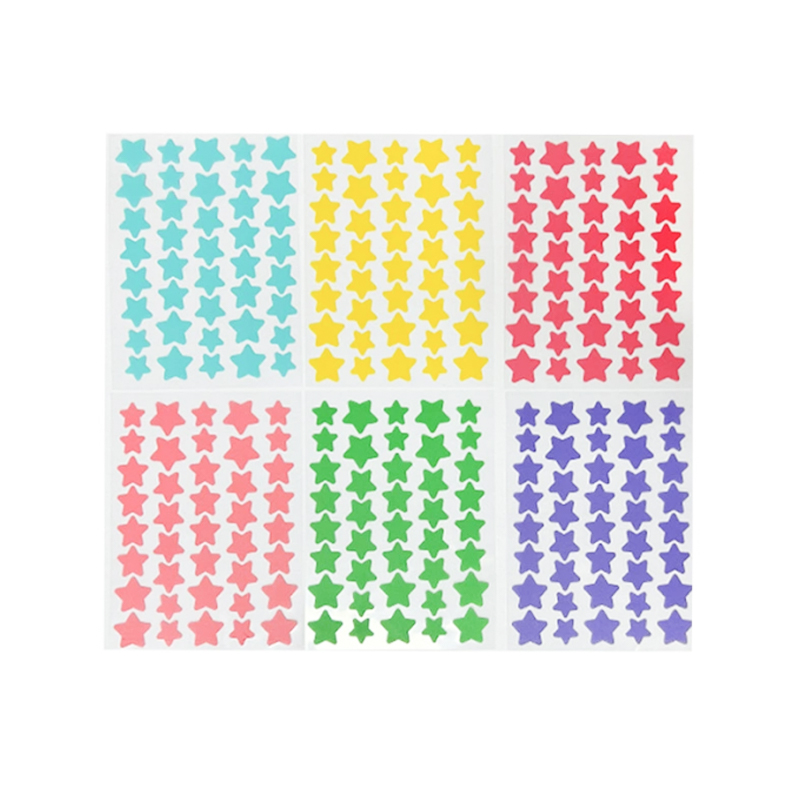 Absorbent, Moisturizing And Non-Irritating Hydrocolloid Acne Patch
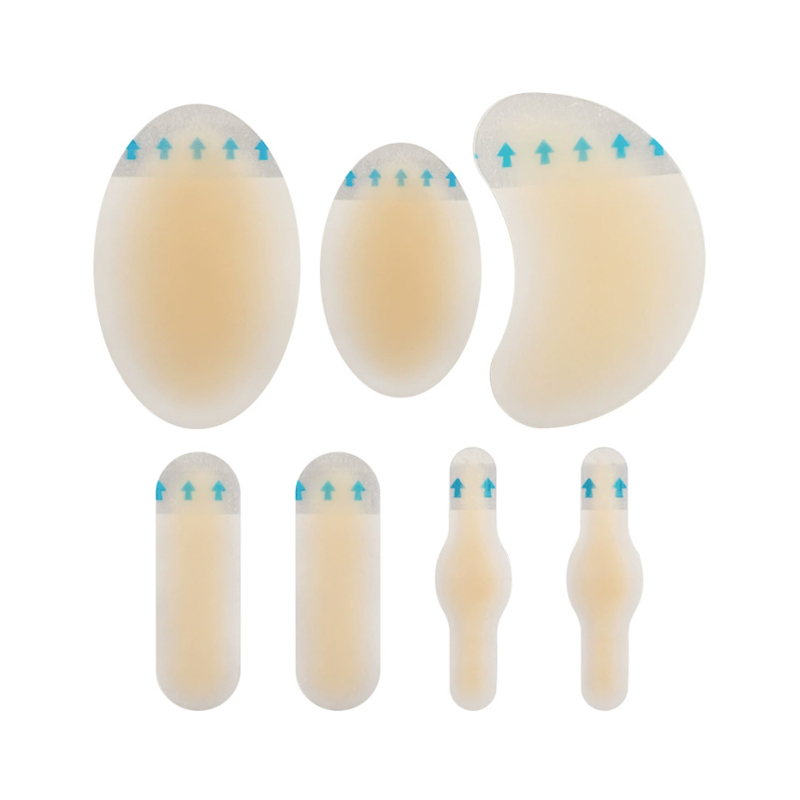 Cushioning, Pressure Reducing, Breathable And Comfortable Heel Patch
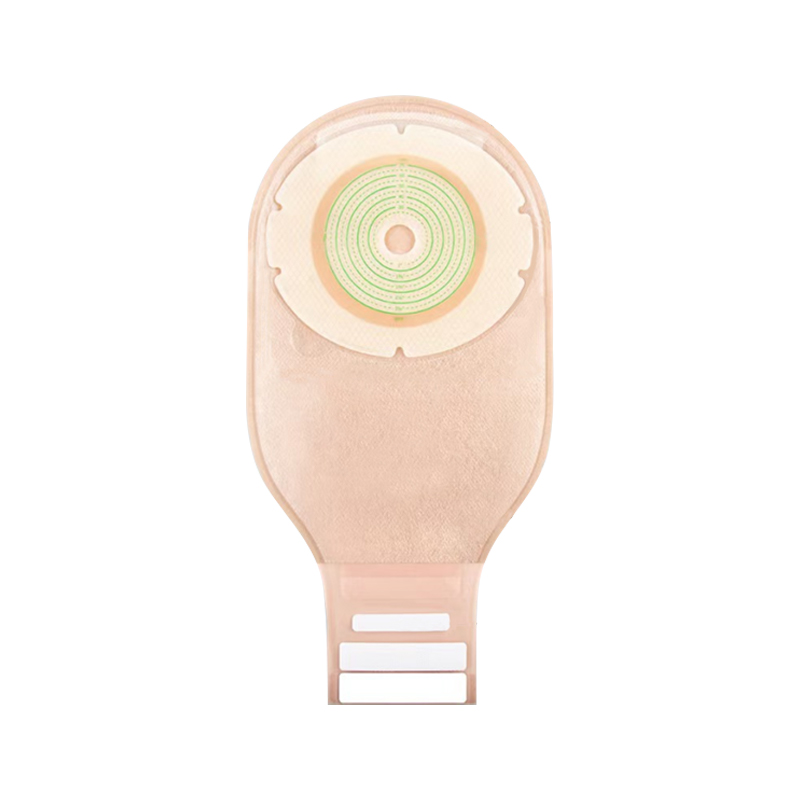 Soft Waterproof and Odor Control Ostomy Pouch
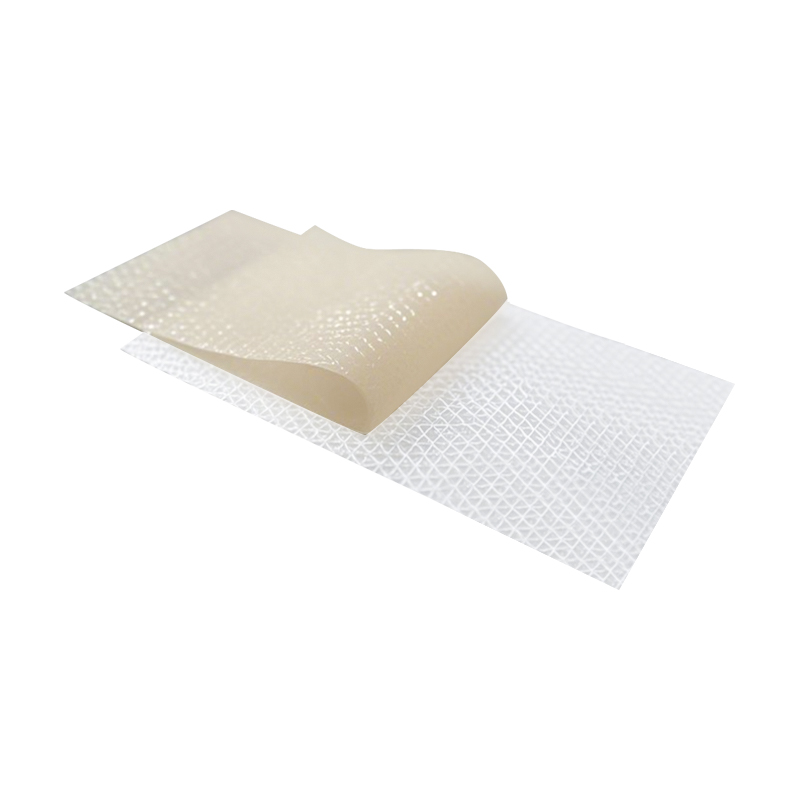 Widely Used Waterproof And Dustproof Silicone Scar Sheets
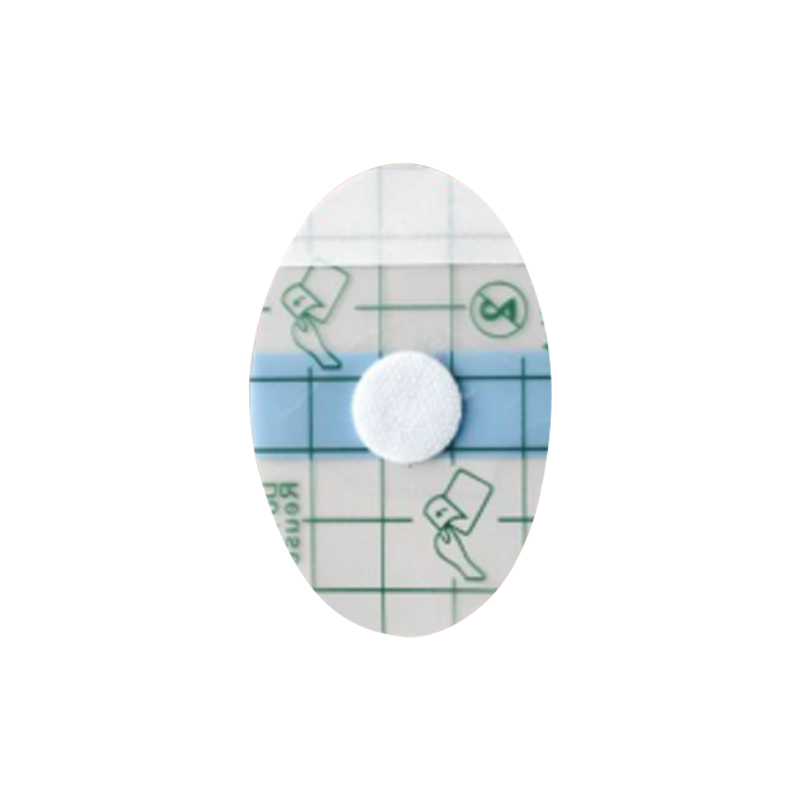 Hypoallergenic Breathable Waterproof Ear Patches
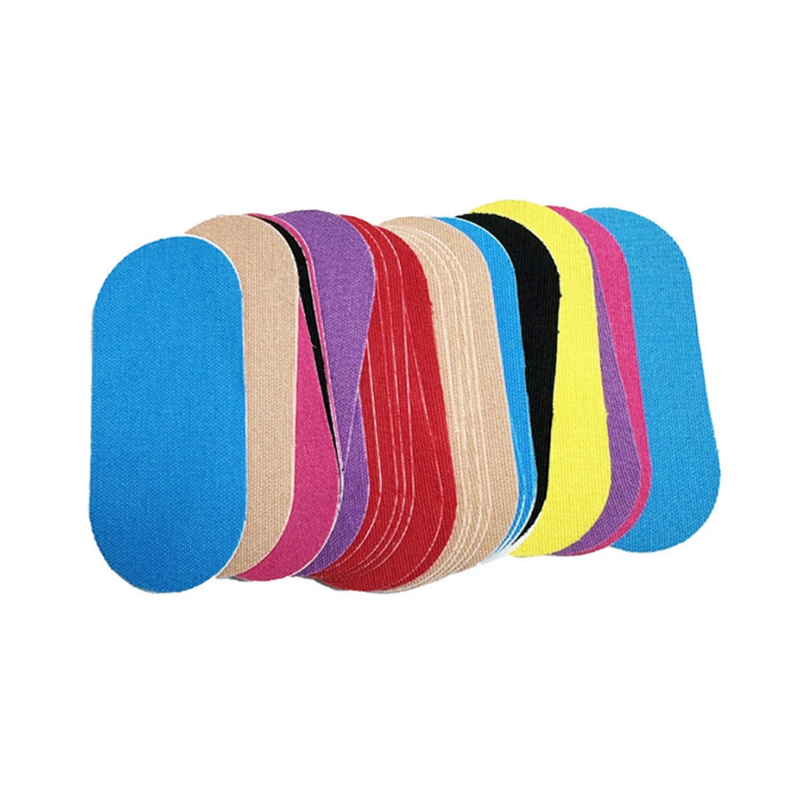 Strong Adhesive And Drug-Free Anti-Snoring Patch
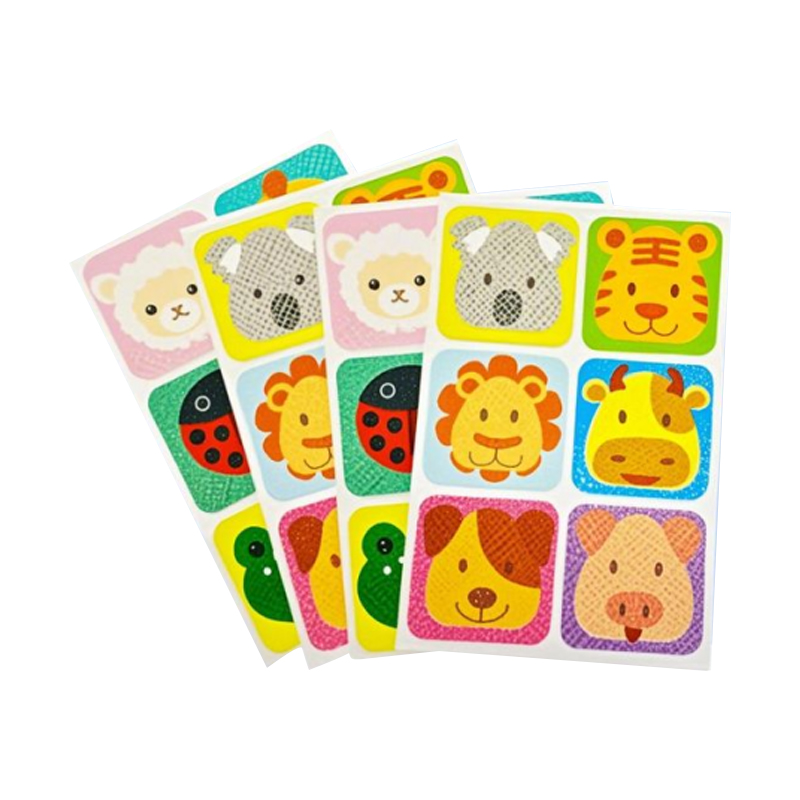 Long-Lasting Mosquito Repellent, Safe And Gentle Mosquito Repellent Stickers
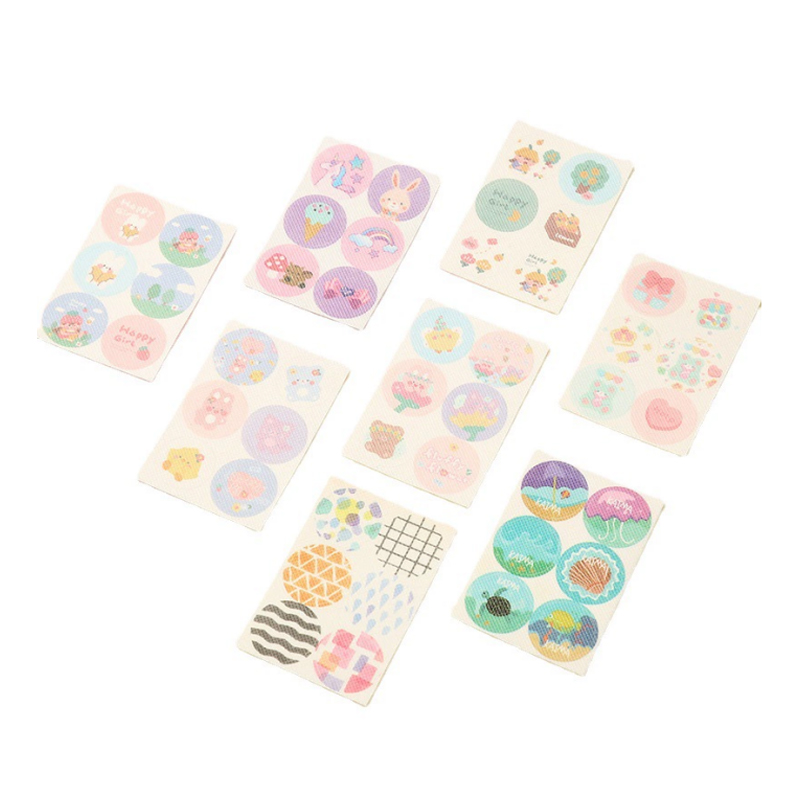 Soothing And Anti-Itching, Mild And Hypoallergenic Soothing Sticker
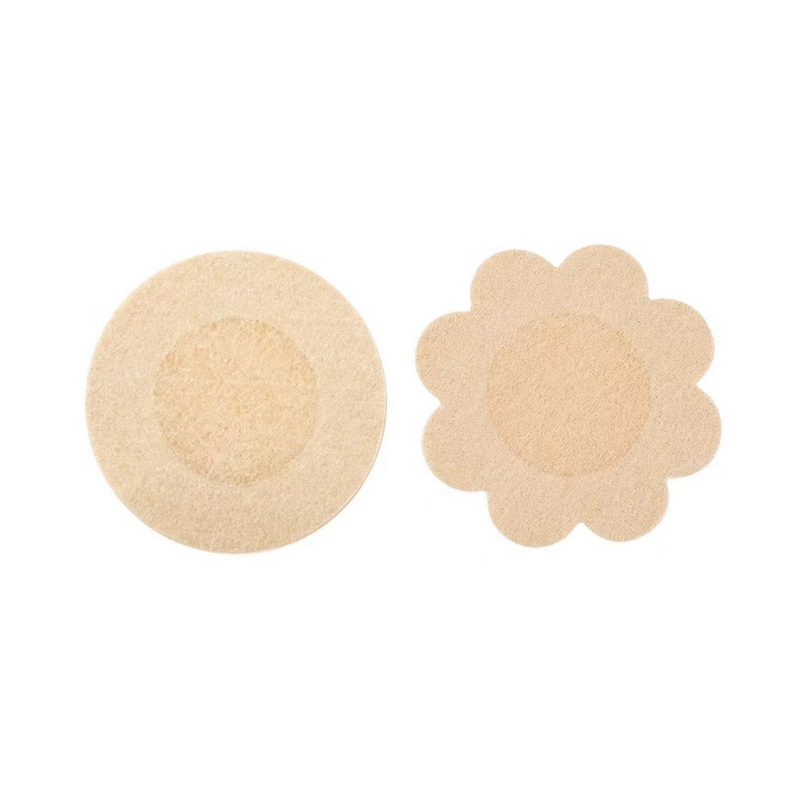 Invisible Non-Slip And Sweat-Proof Nipple Covers
 Portable Design And Reusable Ventilation Nose Strips
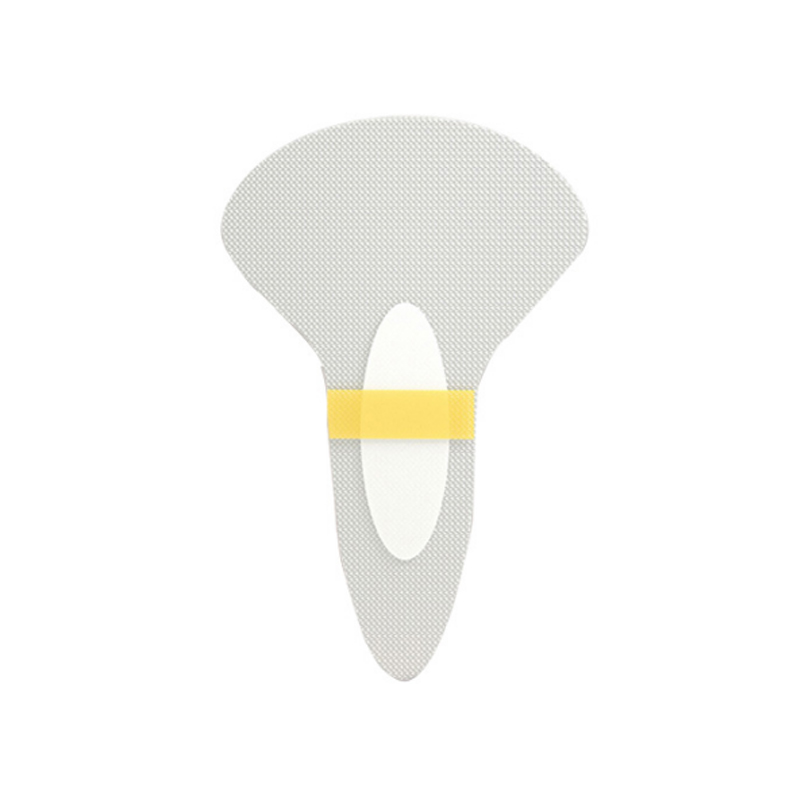 Breathable Comfort Fit Swimming Private Patches
 Strong Adhesion Waterproof And Sweatproof Anti-Exposure Stickers
Copyright © 2024 by Wuxi Xindi Medical Technology Co., Ltd. All Rights Reserved.
medical adhesive tapes manufacturers