
 English
 中文简体
中文简体 日本語
日本語 عربى
عربى русский
 Español
News
Xindi can provide customers with personalized, high-quality products and services to meet the needs of different markets and customers.
Content
Medical tape is a critical component in healthcare, used for securing dressings, catheters, and medical devices on the skin. Its performance is essential for patient safety, comfort, and effective treatment. The quality of medical tape is determined by strict manufacturing standards and specific material properties that ensure its adhesion, flexibility, and hypoallergenic characteristics.
Medical tape must meet stringent quality standards to ensure safety and reliability. These standards are set by international and regional organizations such as ISO, ASTM, and the FDA. Compliance ensures that tapes are safe for human skin, maintain adhesion under various conditions, and do not introduce contaminants or toxins.
ISO 10993 provides guidelines for evaluating the biocompatibility of medical tapes, ensuring that the materials do not cause skin irritation, sensitization, or toxicity. ISO 13485 governs the overall quality management system for medical device manufacturing, including tapes, ensuring consistent production quality.
ASTM standards, such as ASTM D3330 for peel adhesion and ASTM D257 for electrical properties (for conductive tapes), provide specific performance testing methods. These tests verify that medical tape performs reliably in its intended applications.
In the United States, the FDA regulates medical tapes as Class I medical devices. Tapes must meet biocompatibility requirements and labeling standards. Proper documentation of testing, production processes, and quality control is mandatory to ensure compliance.
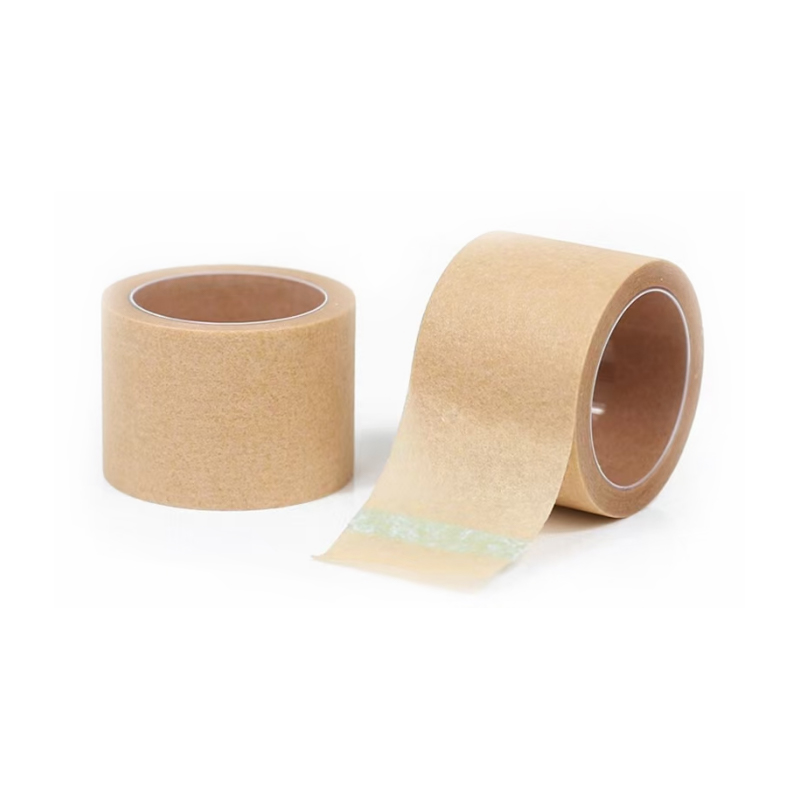
The performance of medical tape largely depends on its materials. Manufacturers carefully select backing materials, adhesives, and release liners to achieve desired characteristics.
Common backing materials include paper, cloth, and plastic films such as polyethylene or polyurethane. Each material offers distinct flexibility, breathability, and water resistance. For example, cloth-backed tape is highly flexible and comfortable for joint areas, while plastic-backed tapes offer superior moisture resistance.
Medical tape adhesives must balance strong adhesion with gentle removal to prevent skin damage. Acrylic adhesives are widely used for their strong bond and low allergenic potential. Silicone adhesives provide excellent skin sensitivity performance, ideal for neonatal and elderly care.
Release liners protect adhesive surfaces before use and ensure easy application. They are typically made from silicone-coated paper or plastic film, providing smooth release and maintaining adhesive integrity.
Medical tapes are evaluated based on multiple performance metrics that ensure safety, comfort, and efficacy. These characteristics guide users in selecting the appropriate tape for specific medical applications.
Peel adhesion measures the force required to remove tape from the skin or a medical device. High adhesion ensures dressings stay in place, while excessive adhesion can cause skin trauma. Balance is critical, and testing standards like ASTM D3330 define acceptable ranges.
Medical tape must conform to body contours and joint movements without peeling. Elasticity and backing material selection affect conformability. Cloth and foam tapes offer superior flexibility, suitable for high-movement areas like elbows and knees.
Breathable tapes allow air circulation to reduce maceration of the skin, while waterproof tapes resist moisture and fluids. Manufacturers design specific tapes for wound care, catheter fixation, or waterproof applications.
Hypoallergenic tapes minimize skin irritation and allergic reactions. Silicone-based adhesives are commonly used for sensitive skin, including neonates, elderly patients, or individuals with dermatological conditions.
Quality control in medical tape manufacturing ensures consistent performance and regulatory compliance. Key testing methods include:
Medical tapes are used across a broad spectrum of healthcare applications. These include:
Understanding medical tape manufacturing standards and performance characteristics is essential for healthcare providers, procurement specialists, and manufacturers. Compliance with ISO, ASTM, and FDA regulations ensures patient safety and product reliability. By selecting tapes with appropriate materials, adhesives, and performance features, medical professionals can enhance treatment outcomes and reduce complications.
 Absorbent, Moisturizing And Non-Irritating Hydrocolloid Acne Patch
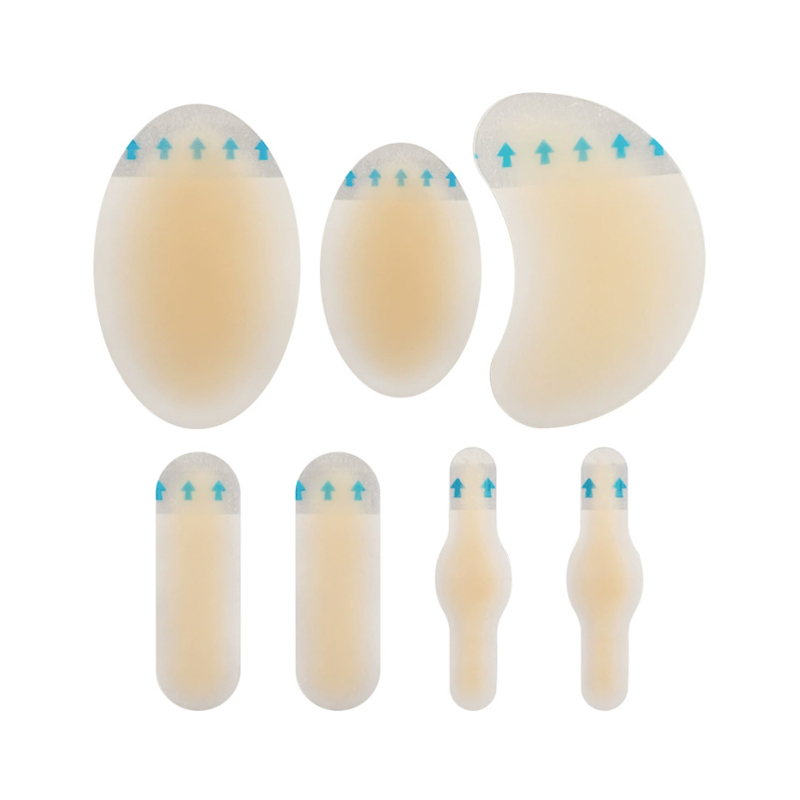 Cushioning, Pressure Reducing, Breathable And Comfortable Heel Patch
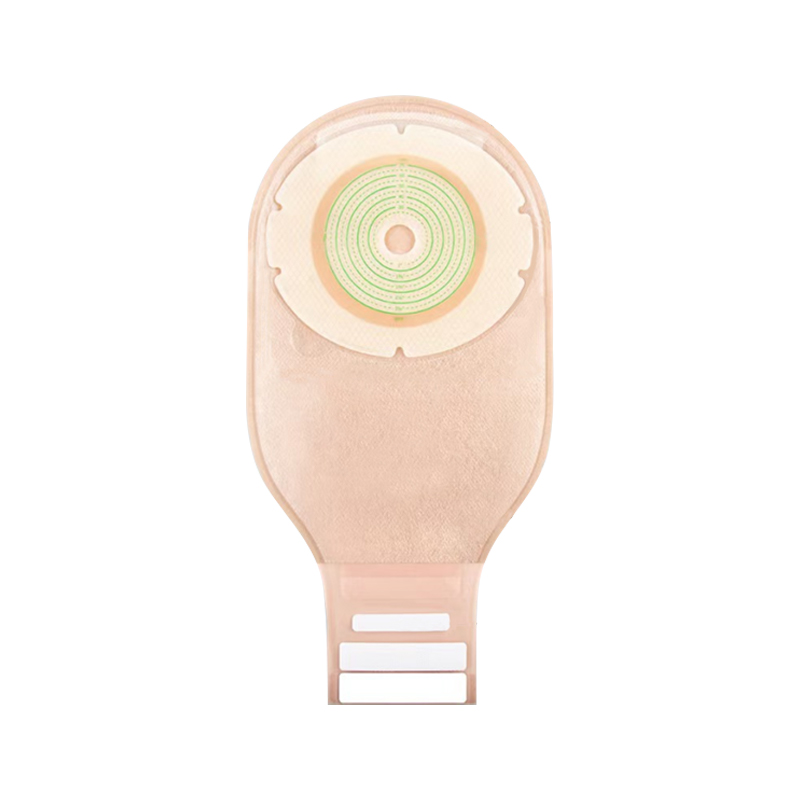 Soft Waterproof and Odor Control Ostomy Pouch
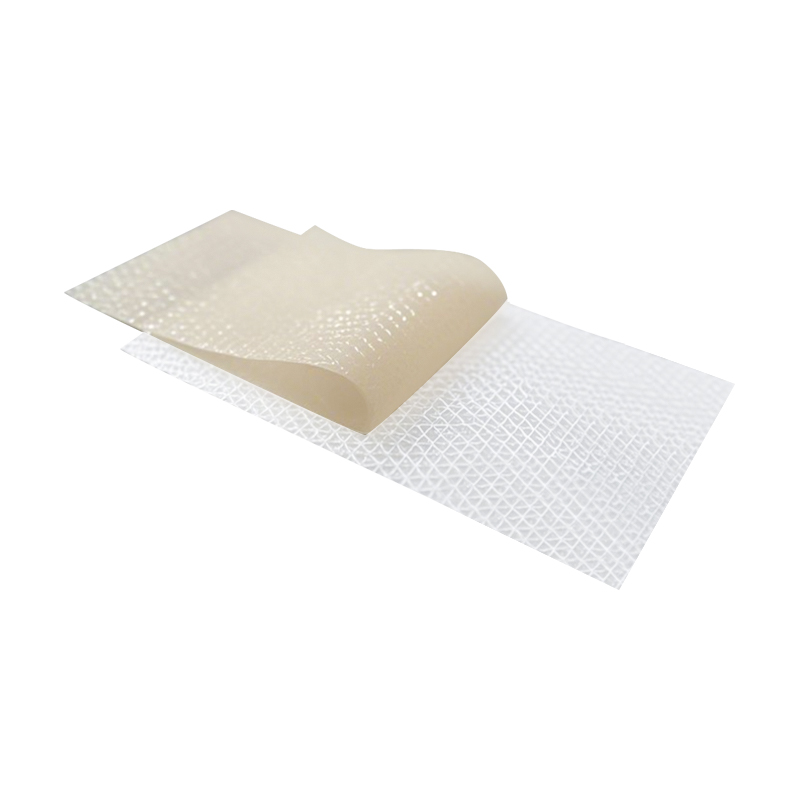 Widely Used Waterproof And Dustproof Silicone Scar Sheets
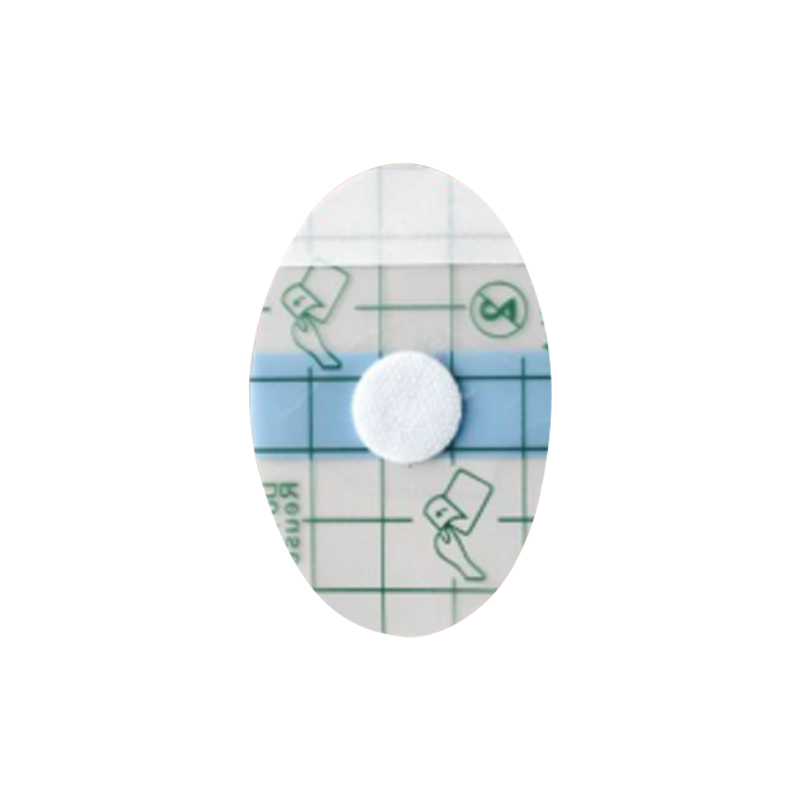 Hypoallergenic Breathable Waterproof Ear Patches
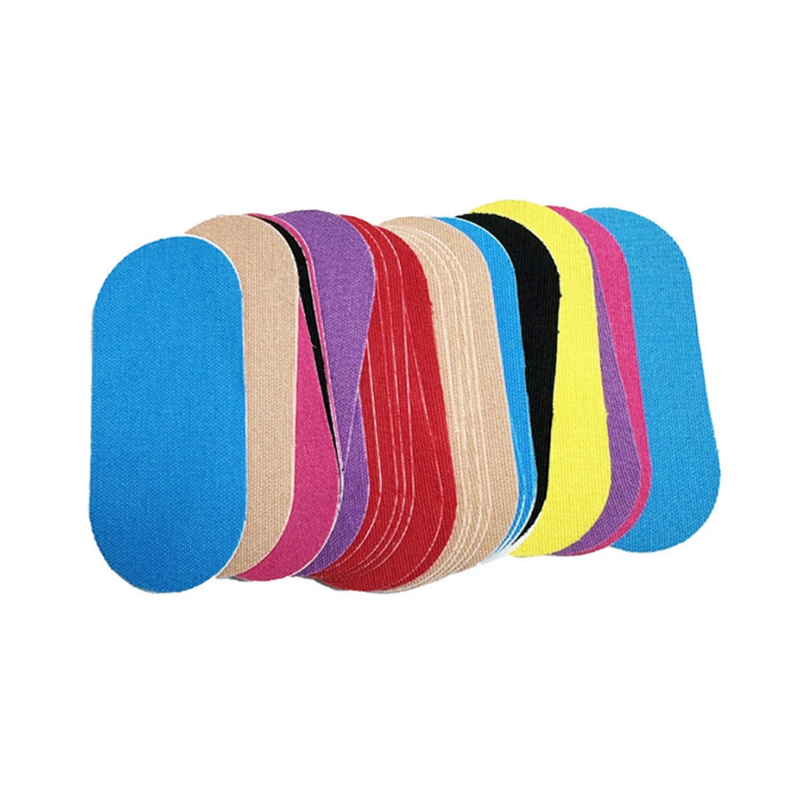 Strong Adhesive And Drug-Free Anti-Snoring Patch
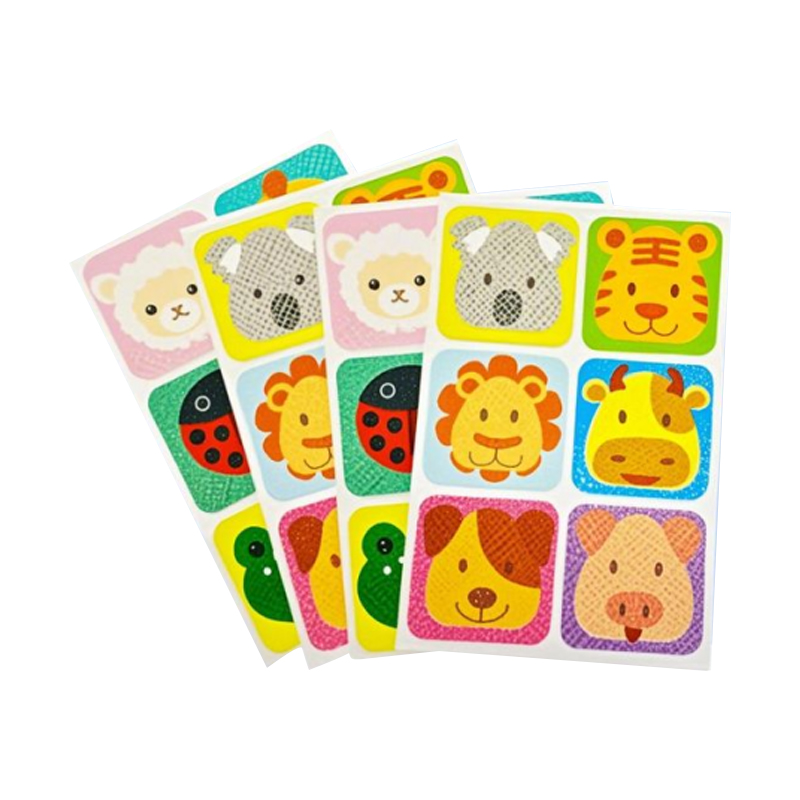 Long-Lasting Mosquito Repellent, Safe And Gentle Mosquito Repellent Stickers
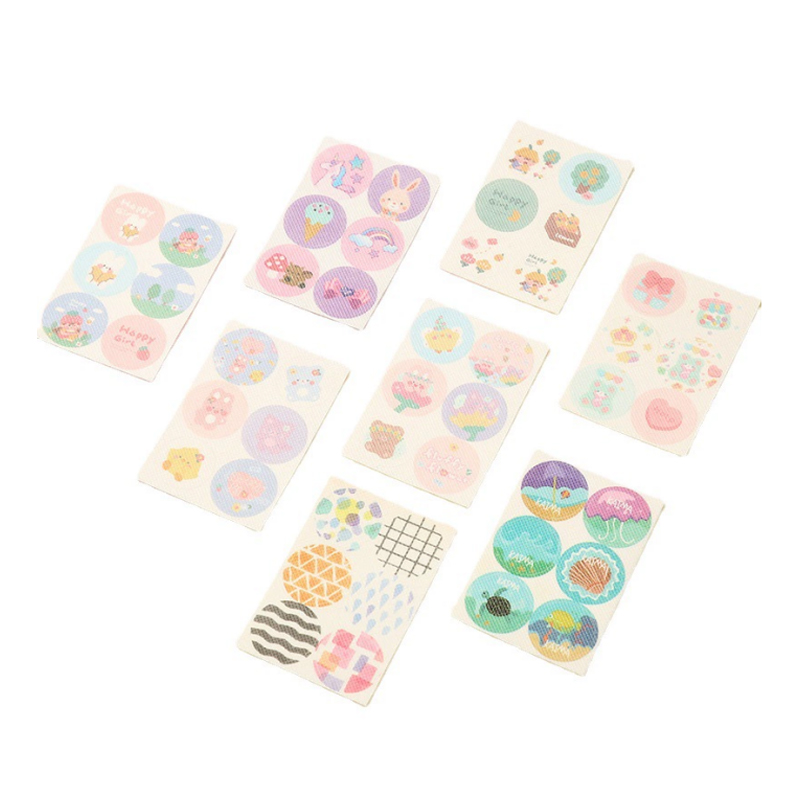 Soothing And Anti-Itching, Mild And Hypoallergenic Soothing Sticker
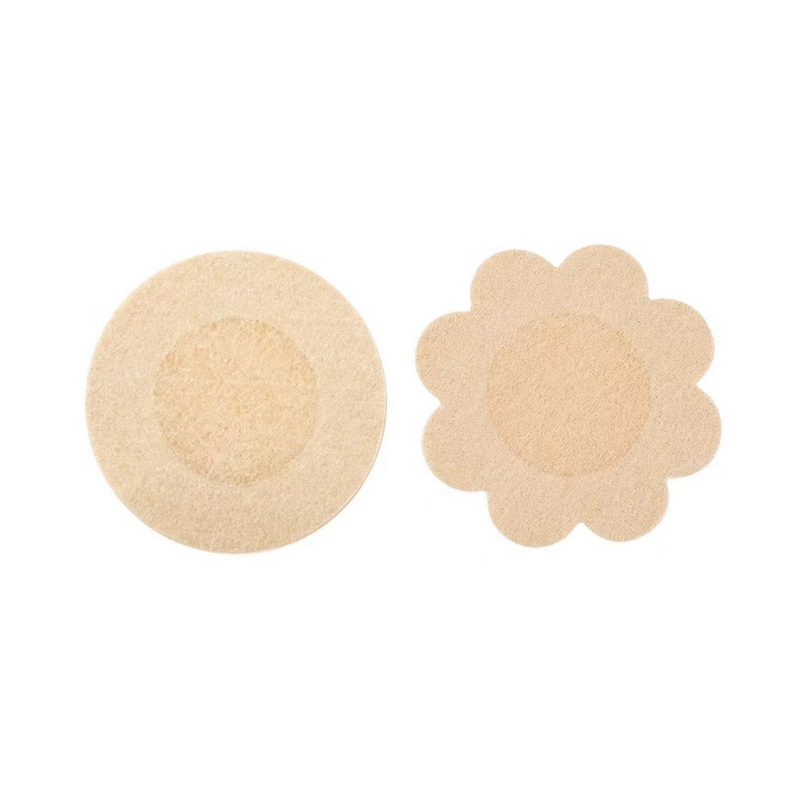 Invisible Non-Slip And Sweat-Proof Nipple Covers
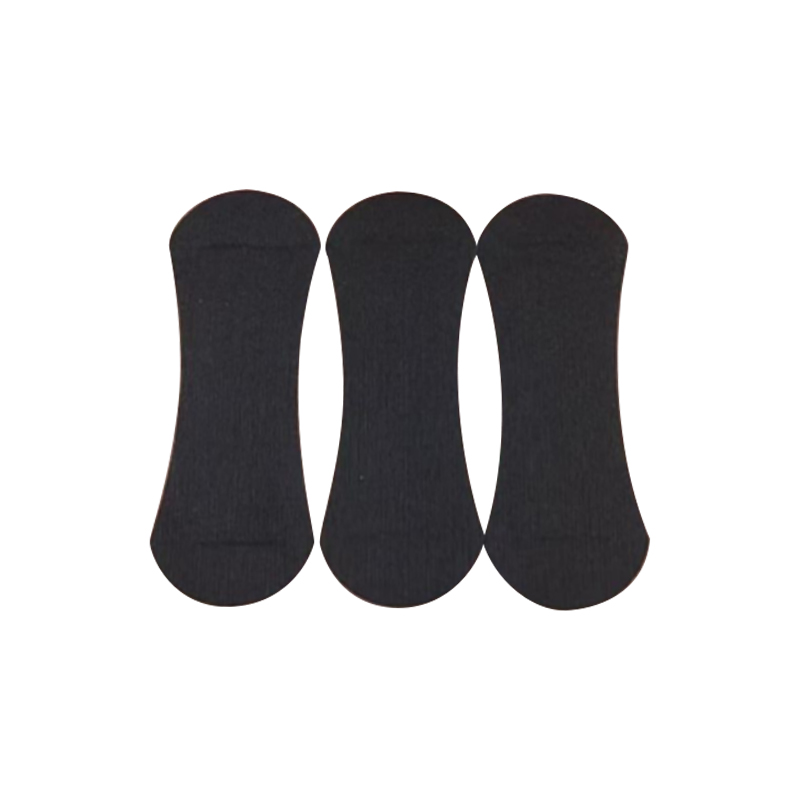 Portable Design And Reusable Ventilation Nose Strips
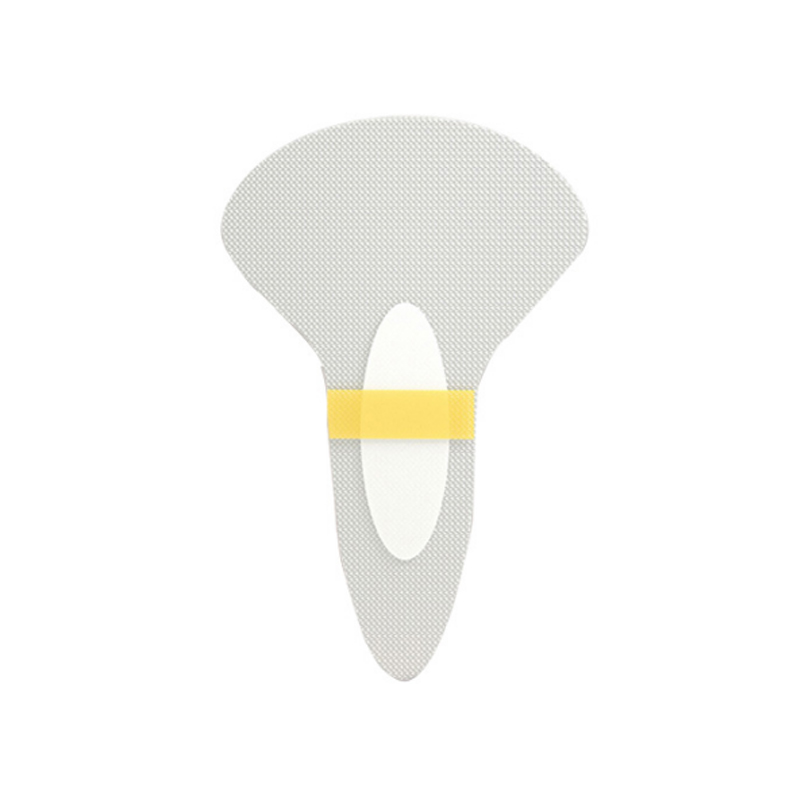 Breathable Comfort Fit Swimming Private Patches
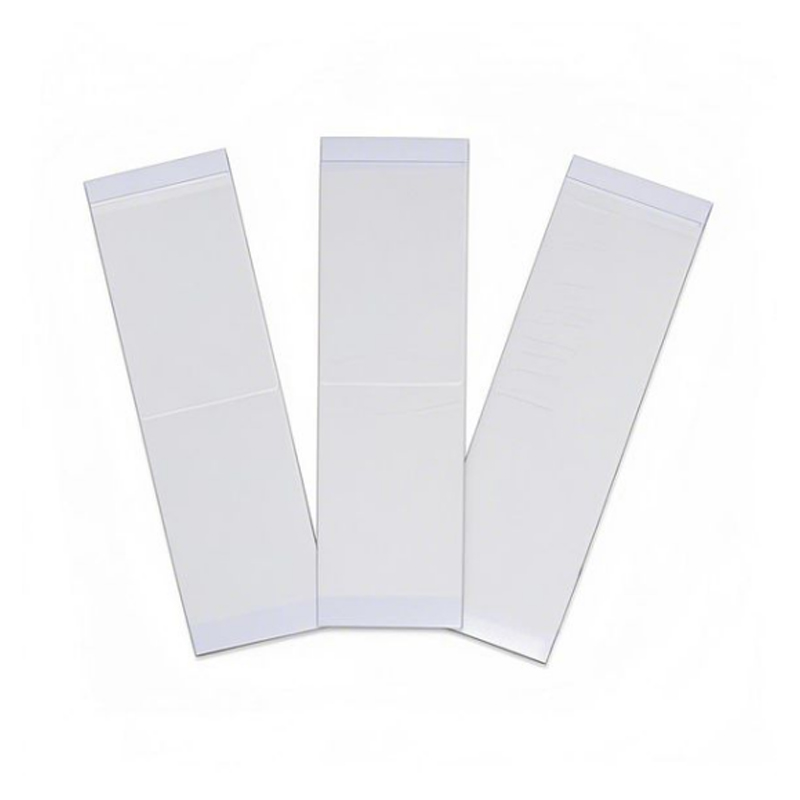 Strong Adhesion Waterproof And Sweatproof Anti-Exposure Stickers
Copyright © 2024 by Wuxi Xindi Medical Technology Co., Ltd. All Rights Reserved.
medical adhesive tapes manufacturers