
 English
 中文简体
中文简体 日本語
日本語 عربى
عربى русский
 Español
News
Xindi can provide customers with personalized, high-quality products and services to meet the needs of different markets and customers.
Content
Insect bites are among the most universal minor discomforts -- the itch from a mosquito bite, the localized swelling from a midge, the irritation from a flea or sand fly -- and the traditional responses have ranged from antihistamine creams to hydrocortisone ointments to calamine lotion. Each of these works, to varying degrees, by either blocking the histamine response, reducing inflammation through steroid action, or simply cooling the skin surface. But they all share practical limitations: they rub off, they require repeated reapplication, they can stain clothing, and in the case of hydrocortisone, they carry specific restrictions on frequency and duration of use and are not recommended for children without medical guidance.
The natural itch relief patch addresses these practical limitations while providing targeted, sustained delivery of active ingredients directly at the bite site. A patch adheres to the skin over the bite, protects it from scratching, and releases its active ingredients continuously over several hours -- without rubbing off, without requiring reapplication, and without the steroid content that limits the use of hydrocortisone products.
The market for these patches has grown significantly as parents, travelers, and outdoor enthusiasts seek effective bite relief options that do not rely on pharmaceutical steroids or synthetic antihistamines, particularly for use on children and for situations where a clean, no-mess application is preferable to cream or lotion. Understanding what makes these patches effective -- their active ingredients, their delivery mechanism, and how they compare to conventional options -- is the basis for choosing the right product for a specific need.
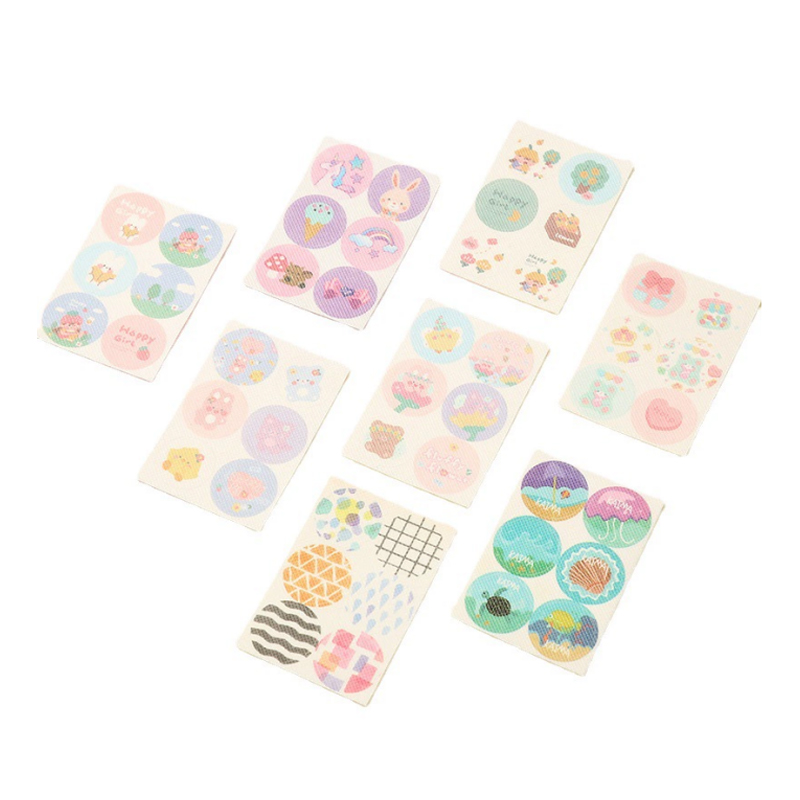
An insect bite patch is an adhesive disc or square applied directly over the bite site. Its action combines a physical protective barrier with transdermal delivery of active ingredients into the skin at the site of inflammation. The two elements work together: the physical barrier prevents scratching (which spreads allergen from the bite wound deeper into the skin and introduces secondary infection risk), while the active ingredients address the underlying causes of itching and swelling.
When a mosquito or other biting insect pierces the skin, it injects saliva containing proteins that trigger an immune response. The body releases histamine from mast cells in the skin around the bite site, which causes vasodilation (the characteristic redness and wheal), increased vascular permeability (the swelling), and stimulation of the nerve endings responsible for the itch sensation. The itch-scratch cycle -- in which scratching temporarily reduces itch by providing a competing sensation but then re-stimulates histamine release and worsens the inflammatory response -- perpetuates the discomfort.
Effective bite relief must interrupt this cycle by either reducing histamine activity, reducing the inflammatory response, providing cooling sensory input that competes with the itch signal, or physically preventing scratching that perpetuates the cycle. Natural insect bite patches target one or more of these mechanisms using plant-derived and mineral active ingredients rather than synthetic pharmaceuticals.
The patch format provides a distinct delivery advantage over creams and gels: the occluded environment under the adhesive patch increases the permeability of the skin to the active ingredients (a well-established principle in transdermal drug delivery) and maintains the active ingredient in continuous contact with the bite site rather than allowing it to evaporate, rub off, or be absorbed and dispersed over a broad skin area. The result is higher local concentration of the active at the site of inflammation for a longer period than a cream application achieves before the next reapplication is due.
The active ingredient profile of a natural insect bite patch defines its mechanism of action, its suitability for different users (including children), and its effectiveness across different types of bites and skin reactions. The following ingredients appear most commonly in evidence-supported natural bite relief formulations.
Tea tree oil (Melaleuca alternifolia) is one of the most extensively studied antimicrobial and anti-inflammatory plant extracts. At the concentrations used in topical preparations (typically 5% to 15%), tea tree oil reduces the local inflammatory response at the bite site by inhibiting the production of pro-inflammatory cytokines and providing antimicrobial protection against secondary infection of scratched or broken bite wounds. Its characteristic aroma also appears to have a mild deterrent effect on certain insects, though its primary role in a bite patch is therapeutic rather than preventive. Tea tree oil is well-tolerated in most adults and older children at low concentrations, though it should be used with caution in infants and young children due to potential skin sensitivity.
Menthol -- whether isolated or as the primary active constituent of peppermint oil -- provides the cooling sensation that is one of the most effective immediate itch relief mechanisms available. Menthol activates TRPM8, a cold-sensitive ion channel in the skin's sensory nerve endings, producing a cooling signal that competes with and partially overrides the itch signal in the same nerve pathways. This counter-irritant mechanism provides rapid itch relief without any pharmaceutical action and without systemic effects. The cooling sensation from menthol in a bite patch is typically described as lasting 30 to 90 minutes from initial application, after which the underlying anti-inflammatory ingredients continue to work without the cooling effect. Menthol concentration in children's products is generally kept lower than in adult formulations to reduce the intensity of the cooling sensation, which some young children find uncomfortable.
Aloe vera gel contains multiple active compounds -- acemannan (a polysaccharide with anti-inflammatory properties), anthraquinones (with analgesic properties), and salicylates (with mild antipruritic and anti-inflammatory action) -- that work synergistically to reduce the redness, swelling, and itching of insect bites. Aloe vera is one of the safest topical botanical ingredients across all age groups, making it particularly valuable in formulations intended for children and sensitive skin users. Its soothing and cooling character also supports skin barrier recovery in bites that have been scratched and require gentle healing support alongside itch relief.
Calendula officinalis (pot marigold) flower extract is a traditional European herbal remedy for skin inflammation with a well-documented safety profile and established anti-inflammatory and wound-healing properties. Its active constituents include flavonoids, triterpenoids, and essential oils that inhibit inflammatory mediators including prostaglandins and leukotrienes at the bite site. Calendula extract is a particularly common ingredient in children's natural bite relief formulations because of its very low sensitization potential and its long history of safe use on infant and pediatric skin.
Broadleaf plantain is one of the oldest documented herbal remedies for insect stings and bites in the European and North American traditional botanical traditions. The fresh leaf was historically applied directly to a sting or bite site as a poultice. The active compounds responsible for its antipruritic and anti-inflammatory effects include aucubin (an iridoid glycoside with anti-inflammatory properties), allantoin (which promotes cell regeneration and reduces irritation), and mucilage (which forms a soothing film on the skin surface). Plantain extract in bite patches combines itch relief with mild skin healing support.
German chamomile (Matricaria recutita) provides alpha-bisabolol and azulene -- two compounds with potent anti-inflammatory and antiallergic properties that specifically reduce histamine-mediated skin reactions. Chamomile extract is extensively used in pediatric skin products because of its effectiveness on sensitive and reactive skin and its low sensitization potential. Its antiallergic mechanism is particularly relevant for bite relief because it targets the histamine pathway directly, addressing the root cause of bite itch rather than merely masking the sensation.
Colloidal oatmeal (finely milled oats) has been recognized by the FDA as a skin protectant active ingredient for the temporary relief of minor skin irritations, itching, and rash. Its antipruritic mechanism involves the formation of a protective film on the skin surface that retains moisture and reduces the transepidermal water loss that worsens dry, irritated skin. Beta-glucan polysaccharides in colloidal oatmeal also have direct anti-inflammatory activity. Colloidal oatmeal is one of the most broadly safe topical ingredients available, with no known age restrictions, making it a standard base ingredient in many natural bite patches intended for children and adults with sensitive or atopic skin.
Hydrocortisone cream is the most widely recommended over-the-counter treatment for insect bite itch in many markets, and for good reason -- it is an effective topical anti-inflammatory that reduces histamine-mediated skin reactions rapidly and reliably. However, hydrocortisone is a corticosteroid, and its use carries specific restrictions that make a hydrocortisone-free alternative preferable for many users in many situations.
In most regulatory frameworks, hydrocortisone cream is not recommended for use on children under two years of age without medical advice, and use in children up to age 10 is recommended under medical supervision only or for very limited duration. It should not be applied to broken, infected, or weeping skin, to skin around the eyes, or to large body surface areas. Maximum recommended duration of use without medical review is typically two to seven days, and repeated courses are discouraged because prolonged or frequent topical steroid use can cause skin thinning (atrophy), altered skin pigmentation, and increased sensitivity -- effects that become relevant in the context of a summer of repeated mosquito bites requiring repeated applications.
For families with young children who encounter insect bites frequently during outdoor activities, camping, and travel, these restrictions represent a practical problem. A hydrocortisone-free bite patch that is safe for use on young children, can be used for as many bites as occur without daily application limits, and does not require monitoring for skin effects provides a more convenient and worry-free solution for managing bite discomfort in this context.
For the typical mild to moderate mosquito bite in a healthy individual, natural ingredient patches with anti-inflammatory botanicals and cooling agents provide meaningful itch relief that is adequate for most users' needs without the restriction profile of hydrocortisone. For more severe reactions -- large wheals, significant swelling, or allergic responses to bites -- hydrocortisone or oral antihistamines remain clinically more effective, and severe or systemic reactions to insect bites should always be assessed by a healthcare professional. The natural patch is well-positioned for the everyday, minor bite scenario that accounts for the vast majority of consumer demand in this category.
A subset of natural insect bite patches specifically emphasizes a cooling gel matrix as both the delivery vehicle and an active element of the itch relief mechanism. These cooling gel patches differ from standard adhesive patches in their structure: instead of a dry or semi-dry adhesive layer, the patch contains a hydrogel or gel matrix that is intrinsically cooling to the touch and maintains that cooling contact with the skin throughout the wear period.
The cooling sensation from a gel patch derives from two sources. First, the high water content of the hydrogel creates an evaporative cooling effect as water molecules gradually pass through the gel structure -- similar to the way that pressing a damp cloth against a bite provides temporary cooling, but sustained over a much longer period by the structure of the gel matrix. Second, the inclusion of menthol, peppermint oil, or other TRPM8-activating compounds in the gel layer provides a pharmacological cooling signal in addition to the physical evaporative effect.
The combination of physical evaporative cooling and menthol's sensory cooling action in a gel patch format provides a more intense and longer-lasting cooling experience than a simple adhesive patch with menthol alone, because the gel maintains direct, intimate contact with the entire bite site area rather than only the specific points where an adhesive matrix contacts the skin surface.
Beyond its direct cooling effect, the hydrogel matrix of a cooling gel patch serves as an effective carrier for dissolved active ingredients. Herbal extracts, plant-derived anti-inflammatory compounds, and other water-soluble actives are incorporated into the gel during manufacturing and are released progressively as the gel maintains contact with the skin. The hydration effect of the gel matrix also increases the permeability of the stratum corneum (the outermost layer of the skin), facilitating delivery of the active ingredients into the deeper layers of the skin where the inflammatory response to the bite is occurring.
The use of plants to treat insect bites and stings is documented across virtually every traditional botanical medicine system worldwide. The herbal insect bite patch represents the modernization of this tradition -- standardized extracts of well-characterized plant materials incorporated into a controlled-delivery patch format that provides consistent dosing and sustained application rather than the variable potency and inconvenient preparation of raw botanical materials.
Witch hazel distillate and extract are classic astringent anti-inflammatory botanicals used in North American and European folk medicine for skin irritations including insect bites, minor burns, and rashes. The tannins in witch hazel constrict skin tissue (astringent action), reducing swelling at the bite site, while gallic acid and catechins provide antioxidant and anti-inflammatory activity. Witch hazel is a common ingredient in adult and children's bite relief preparations and is well-supported by both traditional use history and laboratory evidence for its anti-inflammatory mechanism.
Lavender essential oil is used in insect bite preparations for its analgesic, anti-inflammatory, and antimicrobial properties. Linalool and linalyl acetate, the primary active components of true lavender oil, inhibit voltage-gated ion channels in sensory neurons, producing local analgesia that reduces the intensity of the itch and pain signals from the bite site. Lavender oil at low concentrations (0.5% to 2%) is generally considered safe for use on children's skin, though as with all essential oils, concentration and age-appropriateness should be verified in the product's formulation documentation.
Arnica extract is a widely used European herbal remedy for bruising, swelling, and localized inflammation. Helenalin, its primary sesquiterpene lactone constituent, inhibits NF-kB-mediated inflammatory signaling, reducing the production of pro-inflammatory cytokines at the bite site. Arnica is more commonly used in bite and sting preparations for adults than for children because helenalin can be sensitizing at higher concentrations, and pediatric formulations typically use milder anti-inflammatory botanicals with better-established pediatric safety profiles.
Neem oil is a traditional Ayurvedic remedy for insect bites, skin inflammation, and wound healing. Its active compounds include nimbidin (anti-inflammatory), nimbin (antihistaminic), and azadirachtin (insect deterrent). In bite relief patches, neem oil contributes both therapeutic action on the existing bite and a deterrent effect on insects that may approach the treated area. It is used in several herbal insect bite patch formulations positioned specifically in the Ayurvedic and natural wellness market segments.
Children are among the most frequent sufferers of insect bites -- their active outdoor play, thinner and more sensitive skin, and less robust immune modulation of the histamine response often result in more pronounced bite reactions than adults experience from the same insect. They are also the users for whom parental concern about ingredient safety is most acute, and for whom the restriction profile of hydrocortisone is most practically limiting.
A kids-safe mosquito bite patch formulation differs from adult formulations in several specific ways:
For children specifically, the physical barrier function of the bite patch may be as important as its active ingredient delivery. Children are less able to resist the urge to scratch insect bites, and scratching introduces bacteria from under the fingernails into the bite wound, significantly increasing the risk of secondary bacterial infection -- impetigo being the most common complication of infected scratched bites in children. A patch applied over the bite site physically prevents access to the bite, protecting it while the active ingredients work to reduce the itch stimulus itself.
From a practical parenting perspective, the patch also creates a visual indicator -- the child knows the bite has been treated and covered, which provides its own reassurance and can reduce the anxiety and repeated attention-seeking that an uncomfortable bite site generates. The patch format is also more engaging for children than a cream, with colorful, character-themed designs in many children's bite patch products making the application less distressing and more of a positive experience.
The effectiveness of a bite patch depends not only on its formulation but on correct application and use. The following guidance applies to most natural insect bite patch products.
With the growing market for natural bite relief products, the range of available products is wide and the quality variable. The following criteria help identify well-formulated, appropriately tested products from among the options available.
Finally, it is worth noting that no topical product -- natural or pharmaceutical -- should be used to treat severe allergic reactions to insect stings or bites. Symptoms including widespread hives, swelling of the face or throat, difficulty breathing, dizziness, or rapid heartbeat after an insect bite or sting indicate anaphylaxis or a severe systemic reaction requiring immediate emergency medical treatment, not topical bite relief products of any kind.
 Absorbent, Moisturizing And Non-Irritating Hydrocolloid Acne Patch
 Cushioning, Pressure Reducing, Breathable And Comfortable Heel Patch
 Soft Waterproof and Odor Control Ostomy Pouch
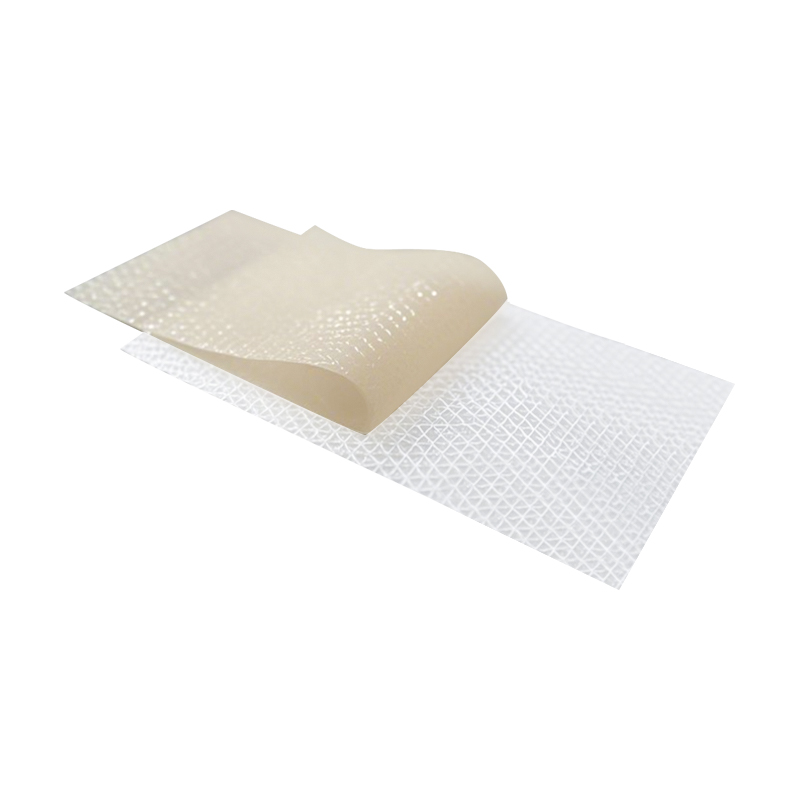 Widely Used Waterproof And Dustproof Silicone Scar Sheets
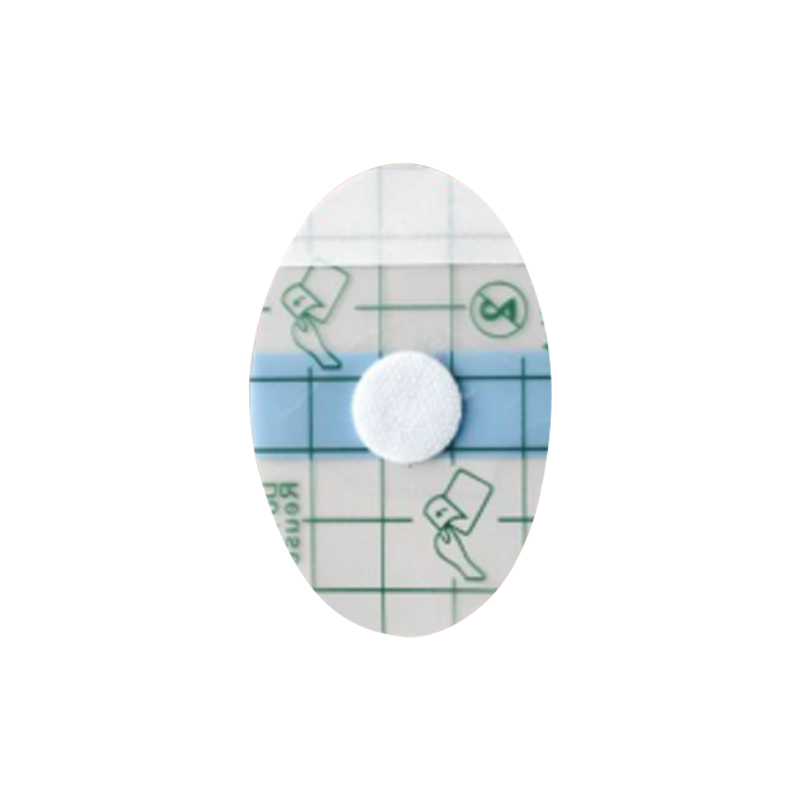 Hypoallergenic Breathable Waterproof Ear Patches
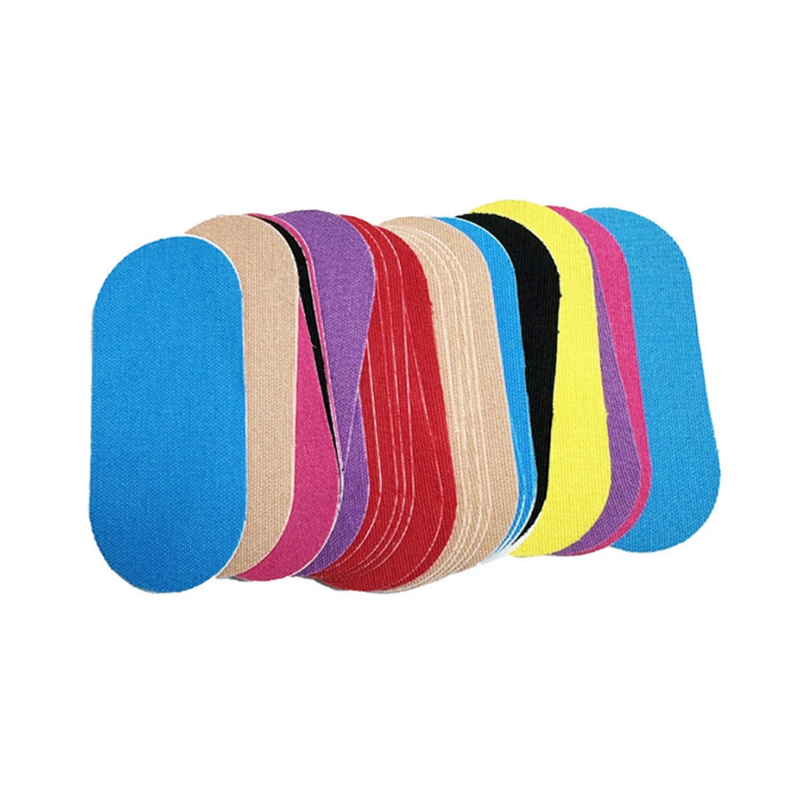 Strong Adhesive And Drug-Free Anti-Snoring Patch
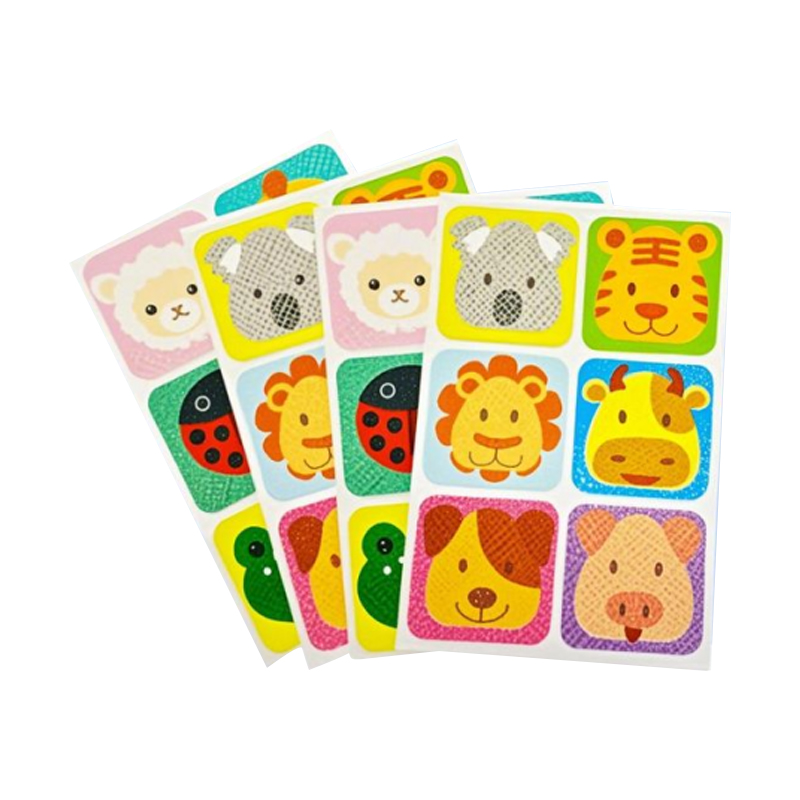 Long-Lasting Mosquito Repellent, Safe And Gentle Mosquito Repellent Stickers
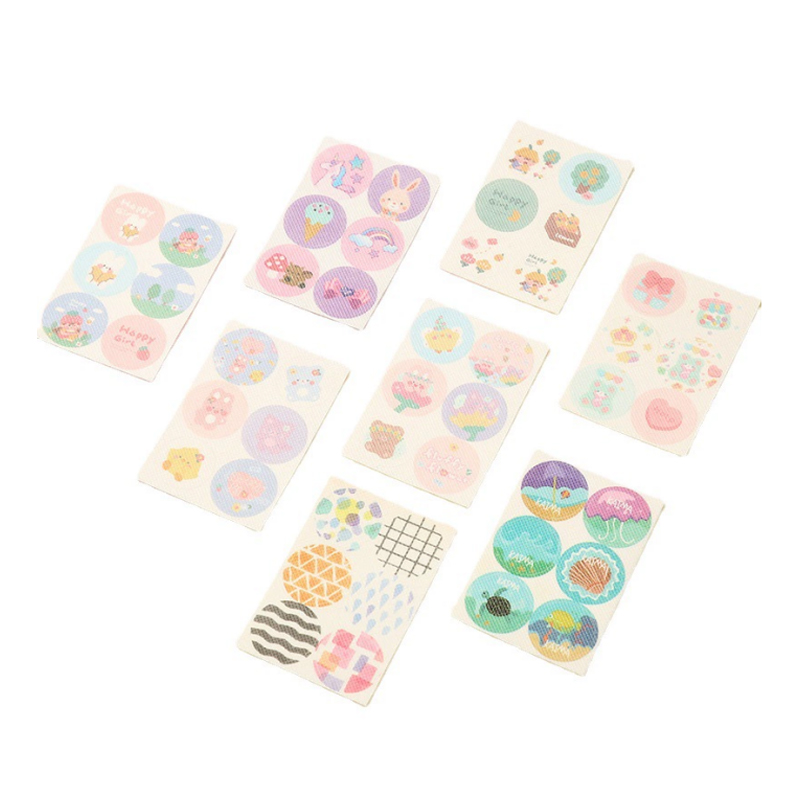 Soothing And Anti-Itching, Mild And Hypoallergenic Soothing Sticker
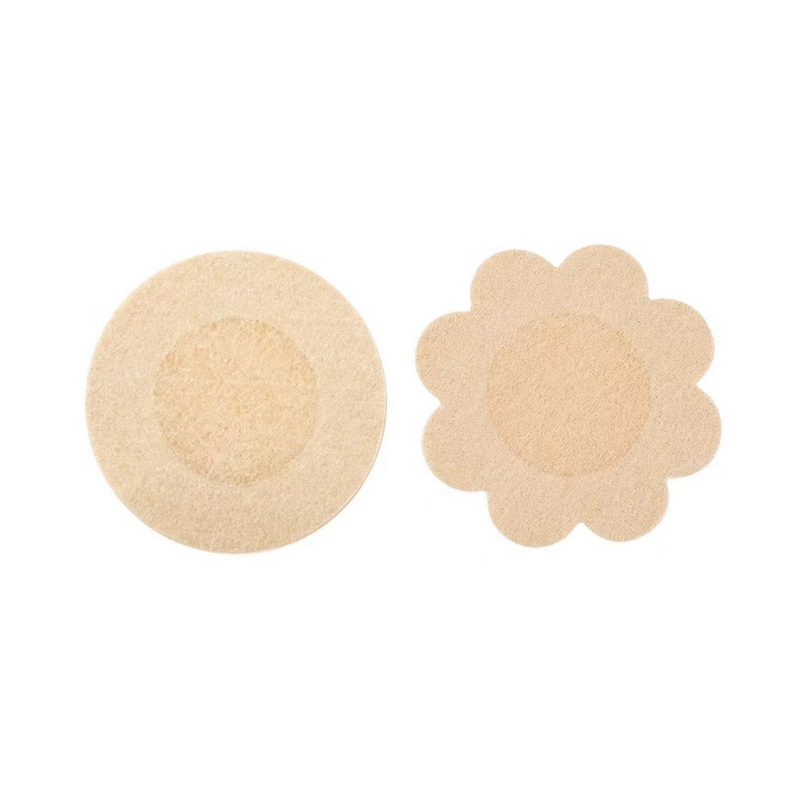 Invisible Non-Slip And Sweat-Proof Nipple Covers
 Portable Design And Reusable Ventilation Nose Strips
 Breathable Comfort Fit Swimming Private Patches
 Strong Adhesion Waterproof And Sweatproof Anti-Exposure Stickers
Copyright © 2024 by Wuxi Xindi Medical Technology Co., Ltd. All Rights Reserved.
medical adhesive tapes manufacturers