
 English
 中文简体
中文简体 日本語
日本語 عربى
عربى русский
 Español
News
Xindi can provide customers with personalized, high-quality products and services to meet the needs of different markets and customers.
Content
Mosquito patches are adhesive stickers infused with insect-repelling active ingredients that are worn on clothing, strollers, car seats, or other surfaces near the body. Unlike sprays and lotions that are applied directly to skin — a method that raises absorption concerns for parents of young children — patches work by releasing repellent compounds into the air immediately surrounding the wearer, creating a protective zone without direct skin contact with the active ingredient.
The appeal is practical as much as chemical. A patch stays in place through movement, sweat, and outdoor activity in ways that a topical lotion cannot guarantee. For caregivers managing an active toddler at a park or a sleeping infant in a stroller, the set-and-forget simplicity of a mosquito patch removes the need to reapply throughout the day and eliminates the risk of a child rubbing lotion from skin into eyes or mouth.
That said, not all patches are formulated equally. The active ingredient, concentration, carrier material, adhesive strength, and duration of efficacy vary considerably across products, and these differences matter more for infant and toddler use than for adults. Understanding what to look for — and what to avoid — is the foundation of selecting a patch that actually delivers protection.

Selecting a mosquito patch for baby requires a different level of scrutiny than selecting one for older children or adults. Infants have thinner, more permeable skin, a higher surface-area-to-body-weight ratio, and developing nervous and immune systems that make ingredient safety a priority over all other product attributes.
The most important guidance from pediatric health organizations is age-based: DEET-containing products are generally not recommended for infants under 2 months, and concentration limits apply for older infants. Picaridin is considered safer for younger children than high-concentration DEET but still carries age recommendations. For the youngest age groups — and for parents who prefer to minimize synthetic chemical exposure entirely — plant-derived active ingredients have become the mainstream choice in purpose-formulated infant patches.
Natural mosquito repellent patches for babies with sensitive skin rely on plant-derived essential oils rather than synthetic chemical compounds. The most commonly used active ingredients in this category are citronella oil, eucalyptus oil (excluding eucalyptus globulus for children under 2), lavender oil, lemon eucalyptus extract, peppermint oil, and geraniol — a naturally occurring alcohol found in rose and geranium oils that has demonstrated repellent efficacy in controlled studies.
For babies with eczema, contact dermatitis, or known skin sensitivities, the adhesive backing of a patch is as important as its active ingredient. Low-quality adhesives can cause localized skin reactions when the patch is positioned on or near skin. Look for patches that specify hypoallergenic, latex-free adhesive and, ideally, a soft fabric or foam backing material rather than a plastic film carrier, which is more likely to trap heat and moisture against the contact surface.
A practical patch-test approach applies to sensitive-skin babies just as it does to topical products: apply a single patch to a test area — the inside of the elbow or the back of the knee — for 30 minutes and monitor for redness, swelling, or irritation before regular use. This extra step takes minutes and provides meaningful reassurance before the product becomes part of a daily routine.
| Active Ingredient | Origin | Min. Recommended Age | Sensitivity Notes |
|---|---|---|---|
| Citronella Oil | Plant (grass) | 6 months+ | Generally well-tolerated; avoid near eyes |
| Geraniol | Plant (rose/geranium) | 6 months+ | Low irritation profile; patch-test recommended |
| Lavender Oil | Plant (lavender) | 3 months+ | Very low irritation; mild efficacy |
| Lemon Eucalyptus Extract (OLE) | Plant (eucalyptus) | 3 years+ | Not for infants; strong efficacy comparable to DEET |
| DEET | Synthetic | 2 months+ (≤30%) | Avoid on sensitive or broken skin |
A kids mosquito repellent patch for a toddler or school-age child operates on the same principles as an infant patch but allows for a broader range of active ingredients and placement options as the child grows. For children over 2 years, the ingredient selection expands to include low-concentration DEET formulas and picaridin — both of which offer longer protection windows and higher efficacy against a broader range of biting insects than most essential oil alternatives.
Placement flexibility also increases with age. Patches for older children can be applied to outer clothing, backpack straps, hat brims, and footwear — effectively surrounding the child in a repellent perimeter during outdoor activities. For school camps, hiking trips, or high-mosquito environments such as tropical travel destinations, a multi-point patch strategy — combining a patch on the upper body and one on the lower body — provides more consistent coverage than a single patch alone.
Parents should reinforce with children that patches are not toys and should not be removed and handled. Choosing a patch with a discreet appearance rather than a novelty character design reduces the likelihood of a child treating it as something interesting to peel off and play with — a small but practical consideration for children in the 2–5 age range.
Duration is one of the most prominently marketed attributes of any long lasting mosquito patch, and also one of the most inconsistently defined. A claim of "up to 72 hours" reflects the total time the patch remains physically adhesive and continues to release active compound — it does not mean a single patch provides uninterrupted, full-efficacy protection for three days. Repellent concentration at the patch surface decreases continuously from the moment the backing is removed, and efficacy in the first several hours is meaningfully higher than in the final hours of the stated duration.
Several factors accelerate active ingredient depletion and shorten practical protection time regardless of the stated label duration:
For high-exposure situations — outdoor events, camping, or regions with high mosquito density — replacing patches every 8–12 hours rather than relying on the maximum stated duration provides a more reliable protection margin, particularly for infants and young children where the consequences of a gap in coverage are more significant.
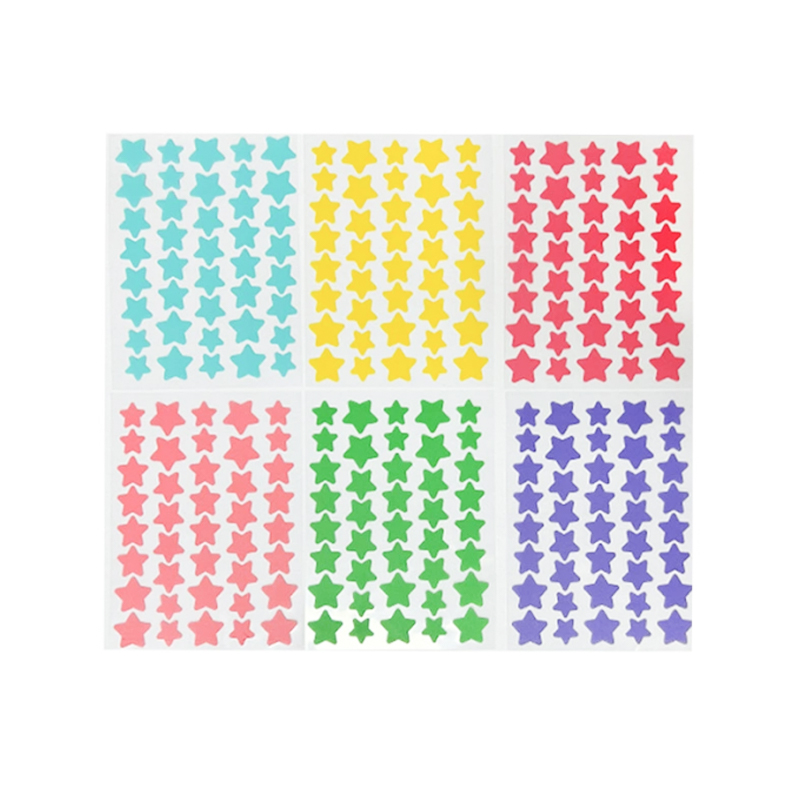 Absorbent, Moisturizing And Non-Irritating Hydrocolloid Acne Patch
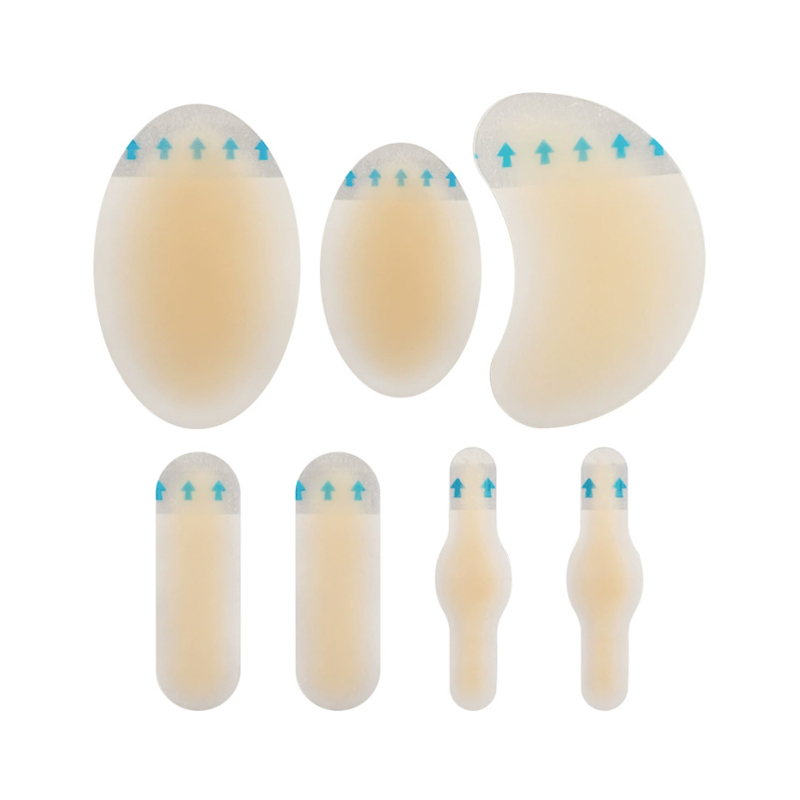 Cushioning, Pressure Reducing, Breathable And Comfortable Heel Patch
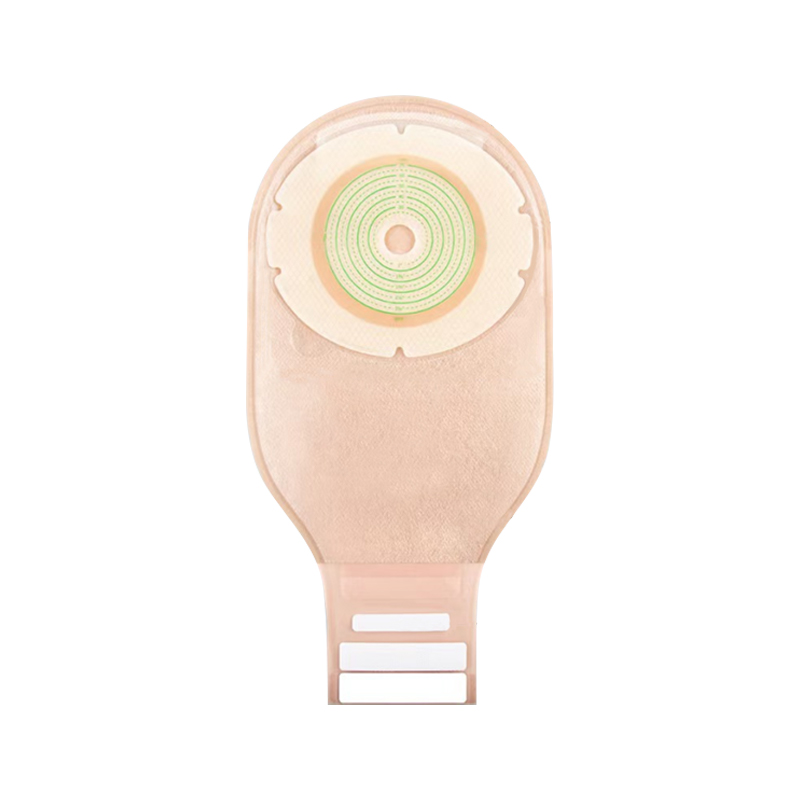 Soft Waterproof and Odor Control Ostomy Pouch
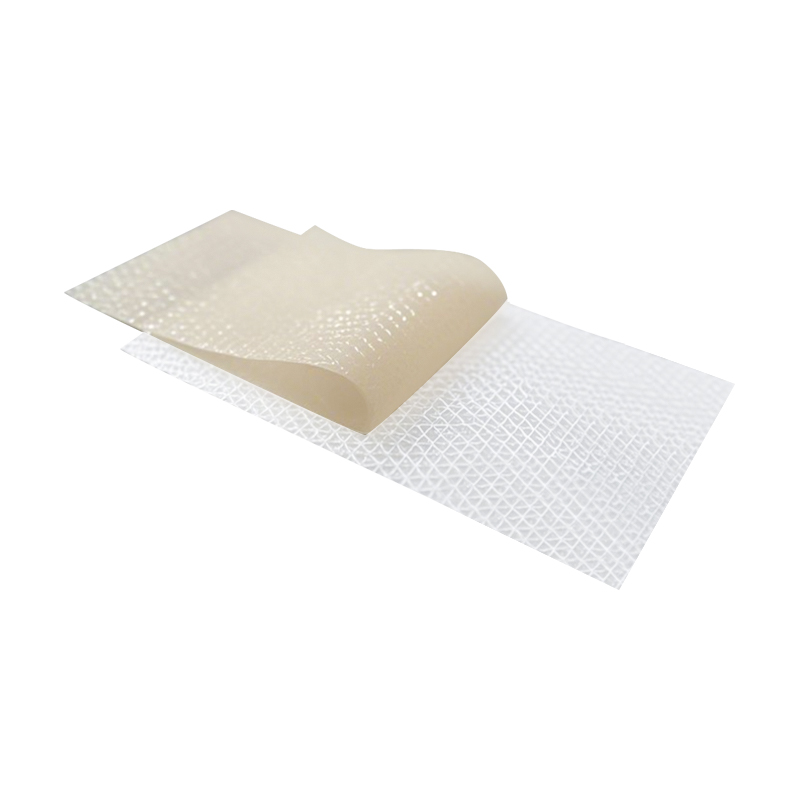 Widely Used Waterproof And Dustproof Silicone Scar Sheets
 Hypoallergenic Breathable Waterproof Ear Patches
 Strong Adhesive And Drug-Free Anti-Snoring Patch
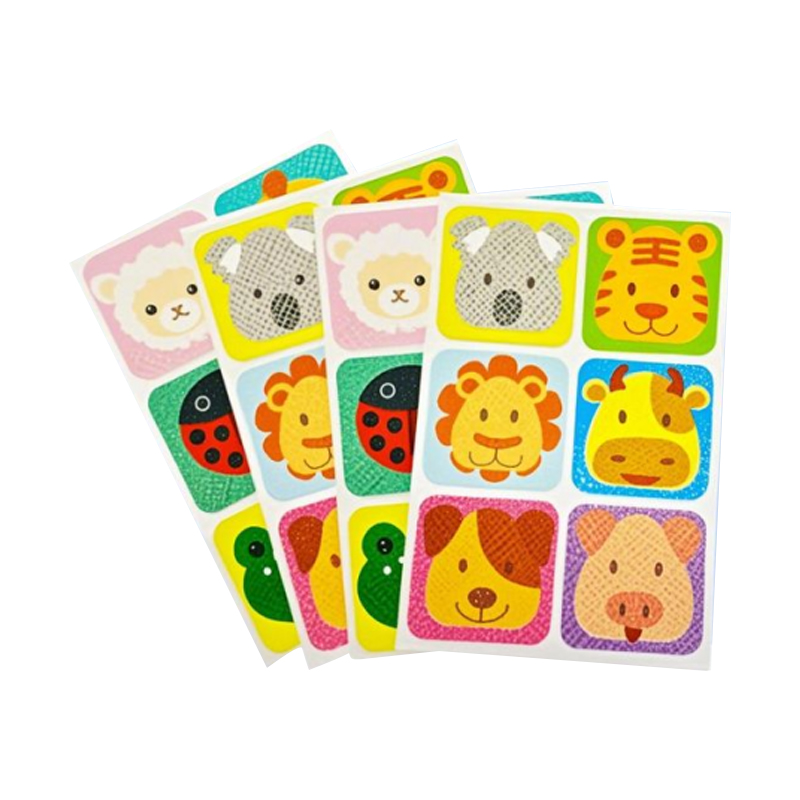 Long-Lasting Mosquito Repellent, Safe And Gentle Mosquito Repellent Stickers
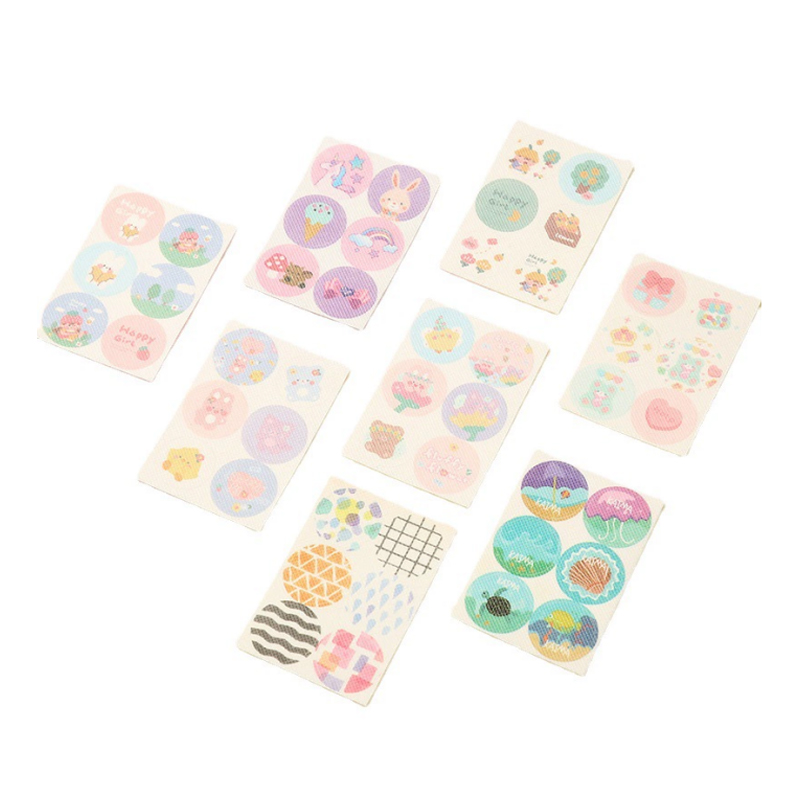 Soothing And Anti-Itching, Mild And Hypoallergenic Soothing Sticker
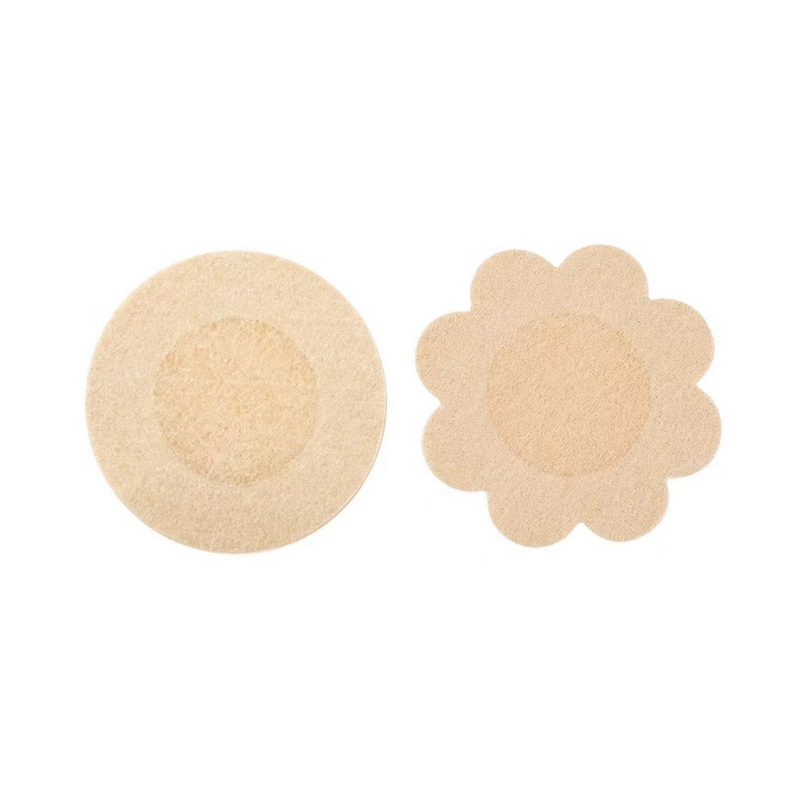 Invisible Non-Slip And Sweat-Proof Nipple Covers
 Portable Design And Reusable Ventilation Nose Strips
 Breathable Comfort Fit Swimming Private Patches
 Strong Adhesion Waterproof And Sweatproof Anti-Exposure Stickers
Copyright © 2024 by Wuxi Xindi Medical Technology Co., Ltd. All Rights Reserved.
medical adhesive tapes manufacturers