
 English
 中文简体
中文简体 日本語
日本語 عربى
عربى русский
 Español
News
Xindi can provide customers with personalized, high-quality products and services to meet the needs of different markets and customers.
Anti snoring tape and mouth tape for sleep are simple, low-cost interventions that work by encouraging nasal breathing and preventing the mouth from falling open during sleep — the position that causes the soft palate and throat tissues to vibrate and produce snoring. For people whose snoring is caused or worsened by mouth breathing, a hypoallergenic, breathable mouth strip applied across the lips at bedtime can meaningfully reduce snoring frequency and improve sleep quality for both the snorer and their partner. This guide covers how different tapes and strips work, who they are appropriate for, material and adhesive considerations for sensitive skin, and specific guidance for CPAP users and side sleepers.
Content
When you breathe through your mouth during sleep, the jaw drops open and the tongue falls backward toward the throat. This narrows the airway and increases the velocity of airflow over relaxed soft tissue — the uvula, soft palate, and pharyngeal walls — causing them to flutter and vibrate. That vibration is the sound of snoring. Nasal breathing, by contrast, keeps the jaw more naturally closed, maintains better tongue position, and routes air through the nasal passages where it is filtered, humidified, and slowed before reaching the throat.
A 2015 study published in the Journal of Clinical Sleep Medicine found that mouth breathing during sleep was present in approximately 61% of habitual snorers, suggesting that for a substantial proportion of snorers, addressing the mouth-open posture is a clinically relevant intervention. Mouth tape for sleep works by providing gentle physical resistance to mouth opening — not sealing the lips completely, but reminding the neuromuscular system to maintain lip contact and route breathing nasally.
It is important to be clear about the limitations. Mouth tape does not treat obstructive sleep apnea (OSA), which is caused by full airway collapse regardless of breathing route. If you suspect you have sleep apnea — characterized by witnessed breathing pauses, gasping, excessive daytime sleepiness, or waking with headaches — consult a doctor before using any snoring tape. Using mouth tape with undiagnosed OSA can be unsafe by preventing compensatory mouth breathing during apnea events. Mouth tape is appropriate for simple, positional, or mouth-breathing-related snoring in people without airway obstruction.
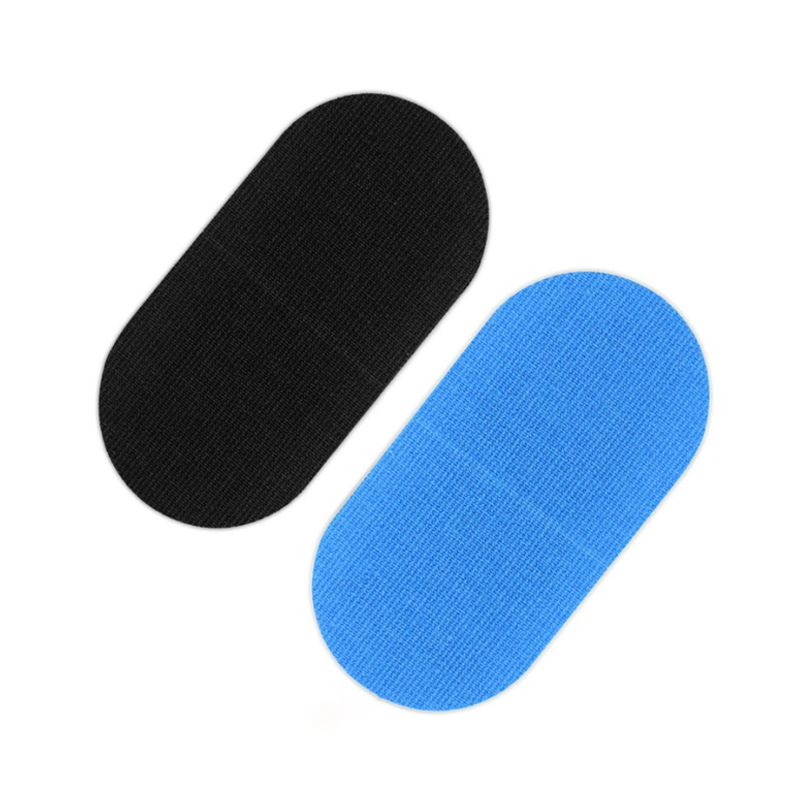
The market includes several distinct product categories, each with different mechanisms, application methods, and target users. Understanding the differences prevents buying a product designed for a different problem than the one you have.
Mouth tape is applied horizontally across the lips — either as a strip covering the full lip width or as an H-shaped or butterfly-shaped patch that spans the lips while leaving a small central gap for emergency mouth breathing. The adhesive is applied to the skin above and below the lip line rather than directly to the lip mucosa. Quality mouth tape uses a gentle, skin-safe acrylic or silicone-based adhesive that holds through several hours of sleep movement without leaving residue or irritating the perioral skin. Most purpose-designed mouth tapes are non-occlusive — meaning air can pass around the edges if needed, unlike fully sealing medical tape.
Nasal breathing strips — also called snore relief strips or nasal strips — are applied externally across the bridge of the nose. They work by a different mechanism entirely: the rigid spring-loaded strip lifts the lateral nasal wall outward, physically widening the nasal valve (the narrowest part of the nasal airway) to reduce nasal resistance. This does not prevent mouth opening but makes nasal breathing easier, reducing the likelihood that nasal congestion will drive the sleeper to breathe through the mouth. Nasal strips are most effective for snorers whose primary issue is nasal obstruction or congestion — mouth tape is more effective for habitual mouth breathers with a patent nasal airway.
For snorers with both habitual mouth breathing and some degree of nasal resistance, using both products simultaneously addresses both contributing factors. The nasal strip ensures the nasal route is as open as possible, while the mouth tape encourages the nasal route to be used. This combination is particularly effective for people with mild seasonal allergies or a deviated septum who nonetheless have sufficient nasal airflow for comfortable sleep breathing.
| Product Type | Application Site | Mechanism | Best For | Not Suitable For |
|---|---|---|---|---|
| Mouth tape / lip tape | Across lips | Prevents mouth opening; promotes nasal breathing | Habitual mouth breathers; mild snorers | OSA; nasal obstruction; beard wearers |
| Nasal breathing strip | Across nose bridge | Widens nasal passage; reduces nasal resistance | Nasal congestion; deviated septum; athletes | Throat-origin snoring; OSA |
| Combined mouth + nasal | Lips and nose | Both mechanisms simultaneously | Mixed mouth-breathing + nasal resistance | OSA; full nasal blockage |
Marketing language around snoring tape includes terms like "hypoallergenic," "medical grade," "breathable," and "skin-friendly" — terms that carry different levels of regulatory meaning and practical significance.
"Hypoallergenic" is not a regulated term in most countries, meaning any manufacturer can use it without specific testing requirements. In practice, it should signal that the product has been formulated to minimize common sensitizing ingredients — specifically avoiding latex (a common allergen in medical adhesives), formaldehyde-releasing preservatives, and rosin-based tackifiers that cause contact dermatitis in sensitive individuals. When evaluating hypoallergenic claims, look for products that specify acrylic or silicone-based adhesive chemistry and carry dermatological testing certification (e.g., dermatologist tested, DERMATEST certified, or ISO 10993 biocompatibility tested), which involves actual human skin patch testing rather than merely formulating without obvious allergens.
"Medical grade" in the context of adhesive tapes generally refers to materials that meet ISO 10993 or equivalent biocompatibility standards — specifically that the adhesive and backing materials have been tested for cytotoxicity, sensitization, and skin irritation and found acceptable for extended skin contact. Products marketed as medical grade snoring tape or stop snoring tape should ideally carry a CE mark (EU) or FDA registration (US) as a Class I medical device, indicating they have been reviewed under a medical device regulatory framework rather than sold purely as a cosmetic or consumer product.
The backing material — the part you see and touch — determines how the tape feels on the skin and whether moisture vapor can escape from beneath it during hours of sleep. Non-breathable backings (solid plastic films) trap sweat and sebum under the tape, increasing maceration risk and adhesive failure by morning. Breathable options include non-woven fabric backings (similar to wound dressings), perforated polymer films, and thin foam materials, all of which allow moisture vapor transmission while maintaining adhesive contact. For perioral skin that moves constantly during REM sleep and is regularly moistened by saliva, breathable construction is not optional — it is a functional requirement.
The adhesive system of any sleep tape must solve a seemingly contradictory challenge: it must adhere reliably through 6–8 hours of sleep movement, skin secretion, and temperature variation, yet release cleanly in the morning without tearing or irritating the delicate perioral skin. Getting this balance wrong in either direction creates problems — tape that falls off during sleep provides no benefit, while tape that bonds too aggressively can cause painful removal and repeated skin trauma that discourages continued use.
For people who use CPAP (Continuous Positive Airway Pressure) therapy for obstructive sleep apnea, mouth tape serves a completely different and clinically important function: preventing mouth leak that reduces CPAP therapy effectiveness. CPAP delivers pressurized air through a nasal mask to keep the airway open. When the mouth falls open during sleep, this pressurized air escapes through the mouth rather than maintaining the therapeutic pressure in the airway — a phenomenon called mouth leak. The result is reduced therapy pressure, increased AHI (apnea-hypopnea index), worsened OSA symptoms, and morning dry mouth and throat soreness from high-velocity air passing over unprotected mucosa.
Studies have found that mouth leak affects 40–60% of nasal CPAP users to a clinically significant degree, making it one of the most common causes of CPAP therapy failure and non-compliance. Mouth tape provides a simpler and often more comfortable solution than chin straps (which can be hot, constrictive, and difficult to fit correctly) or switching to a full-face mask (which increases cost and introduces new leak points around the nose and jaw).
Sleep position is one of the most significant modifiable factors in snoring severity. Back sleeping (supine position) worsens snoring in most people because gravity pulls the tongue and soft palate directly backward into the airway. Side sleeping reduces this gravitational effect, which is why recommending side sleeping is one of the first behavioral interventions for snoring — and why many people notice they snore less or not at all on their side.
However, side sleeping does not fully eliminate mouth breathing or snoring in everyone. Some side sleepers still snore because their mouth falls open as facial muscles relax during deep sleep, regardless of body position. For these users, snoring tape for side sleepers addresses the remaining contributing factor that position change alone does not resolve.
Side sleeping creates specific challenges for tape adhesion that back sleeping does not. When the face is in contact with or close to a pillow, moisture accumulates around the lip area from breath condensation, and pillow friction can mechanically peel tape edges during position changes. Side sleepers should choose mouth tape with a slightly higher peel strength than the minimum, or use tape with rounded corners and extended lateral coverage to reduce the edge-peel tendency that straight-cut rectangular tape shows in pillow contact conditions. Silicone-adhesive tapes and non-woven fabric-backed tapes both perform better for side sleepers than thin plastic-film tapes.
For people who start the night as side sleepers but roll onto their back during sleep — often without awareness — combining mouth tape with positional therapy (a pillow or device that makes back sleeping uncomfortable) produces better results than either intervention alone. The positional aid maintains the body in the side position where snoring is reduced; the mouth tape prevents the residual mouth-breathing snoring that occurs even in the side position. This combination approach is practical, inexpensive, and does not require any prescription or device.
Correct application technique significantly affects how well mouth tape stays in place overnight and whether it produces the intended result. Most users who report that "mouth tape doesn't work for me" are either using the wrong product type for their snoring cause, or applying it incorrectly.
With dozens of products available — from purpose-designed medical grade snoring tape to repurposed sports tape to simple surgical micropore tape — the right choice depends on your skin type, snoring cause, sleeping position, and whether you use CPAP. The table below consolidates the key selection criteria.
| User Profile | Recommended Adhesive | Backing Type | Tape Shape | Additional Feature |
|---|---|---|---|---|
| Normal skin, first-time user | Acrylic PSA (gentle) | Non-woven fabric | Rectangular or H-shape | Dermatologist tested |
| Sensitive or reactive skin | Silicone PSA | Breathable non-woven | Any (avoid latex) | ISO 10993 tested, latex-free |
| CPAP user (nasal mask) | Silicone PSA | Breathable, moisture-resistant | H-shape / frame (central gap) | Non-occlusive design mandatory |
| Side sleeper | Acrylic or silicone (higher tack) | Non-woven with rounded edges | Wider coverage, rounded corners | Edge-seal resistance to pillow peel |
| Nasal congestion snorer | Standard acrylic nasal strip | Rigid spring backing | External nasal strip | Use alone or with mouth tape |
A practical starting point for most first-time users is a purpose-designed, non-woven fabric-backed mouth tape with acrylic PSA, dermatological testing certification, and a non-occlusive design — available from most pharmacies and online retailers at $0.30–$1.00 per night depending on brand and pack size. Give the product at least 7–14 consecutive nights before assessing effectiveness — adjustment to nasal-only breathing during sleep takes time, and first-night results are not representative of the product's full benefit.
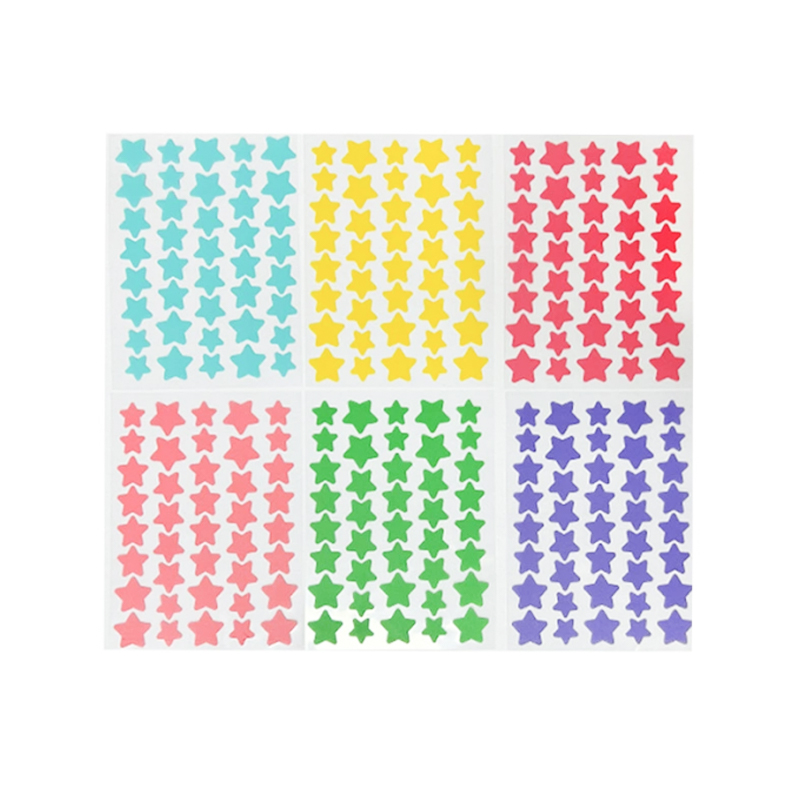 Absorbent, Moisturizing And Non-Irritating Hydrocolloid Acne Patch
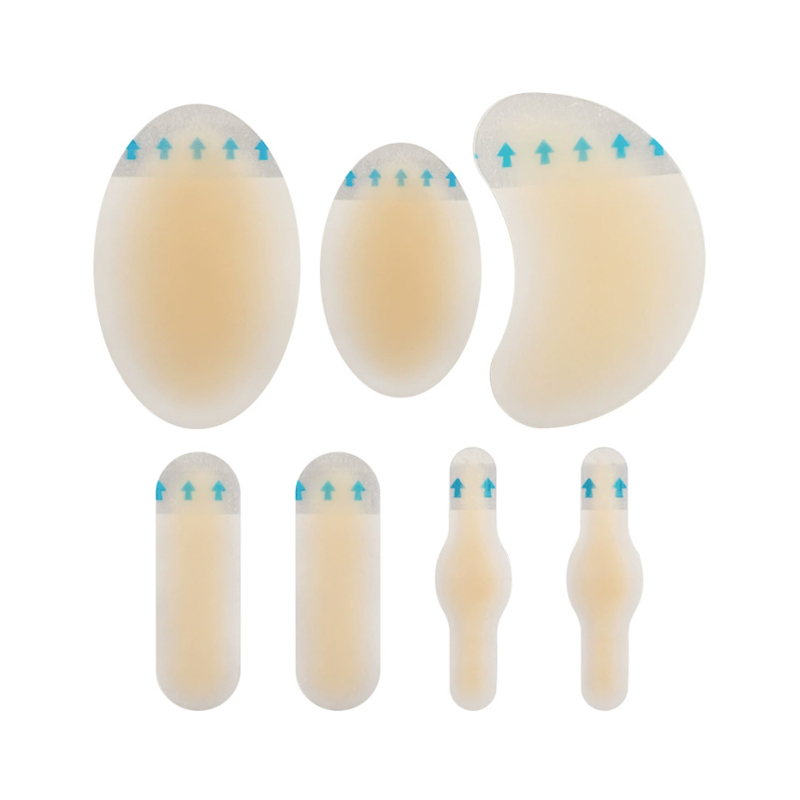 Cushioning, Pressure Reducing, Breathable And Comfortable Heel Patch
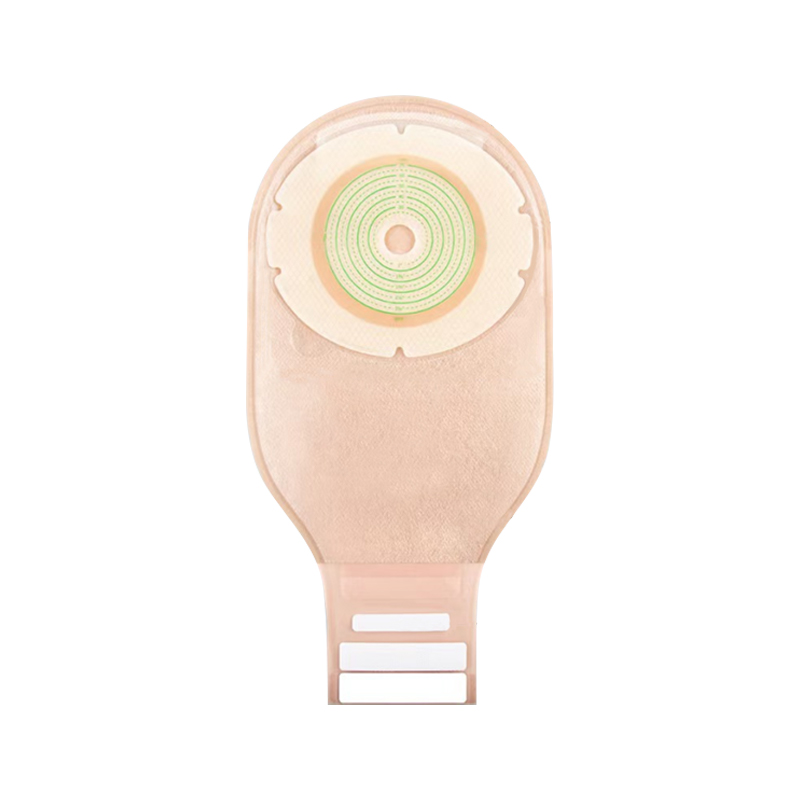 Soft Waterproof and Odor Control Ostomy Pouch
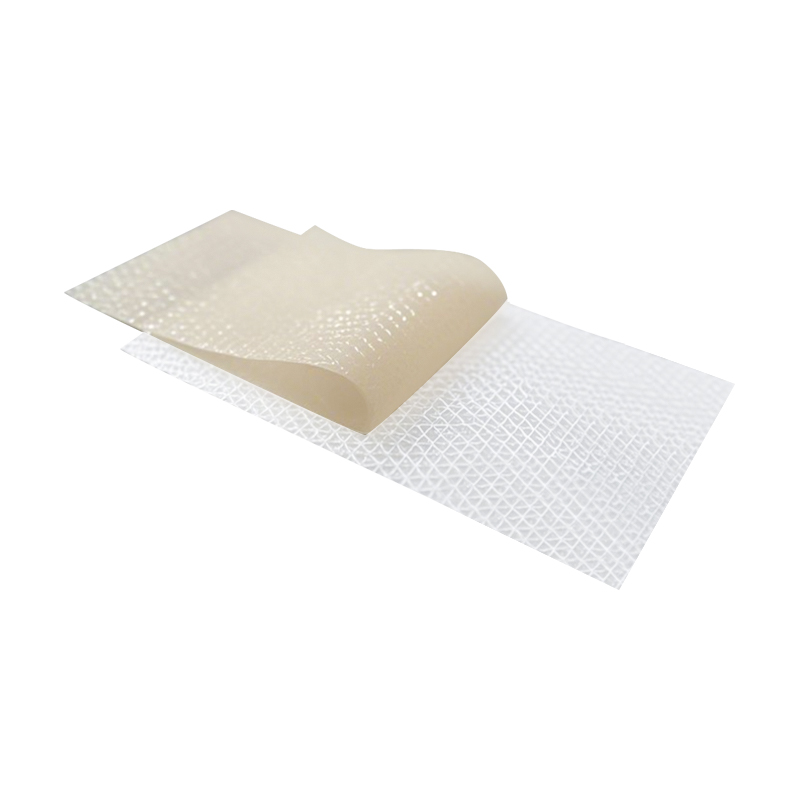 Widely Used Waterproof And Dustproof Silicone Scar Sheets
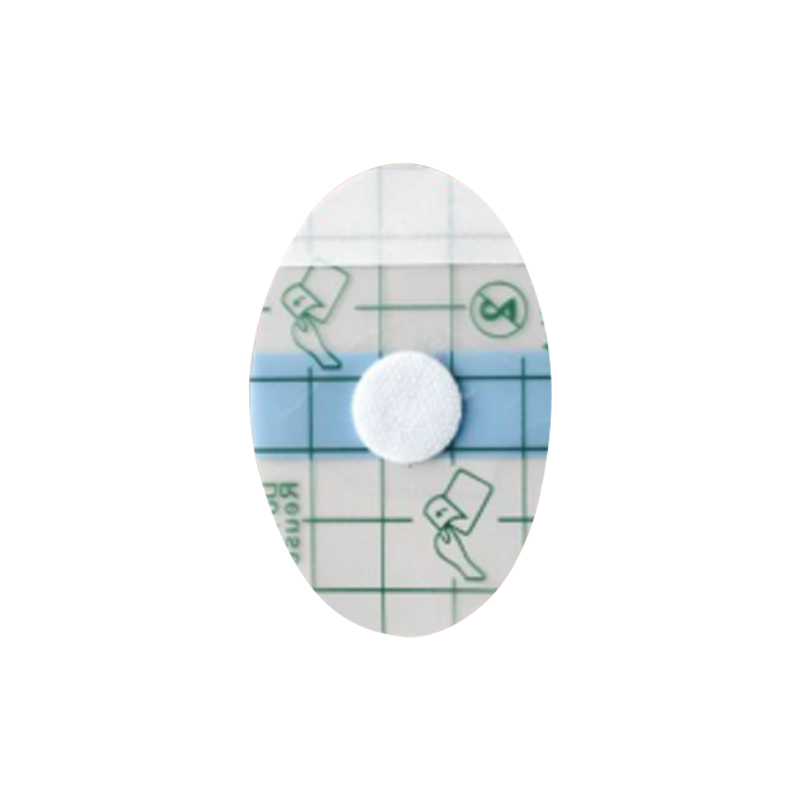 Hypoallergenic Breathable Waterproof Ear Patches
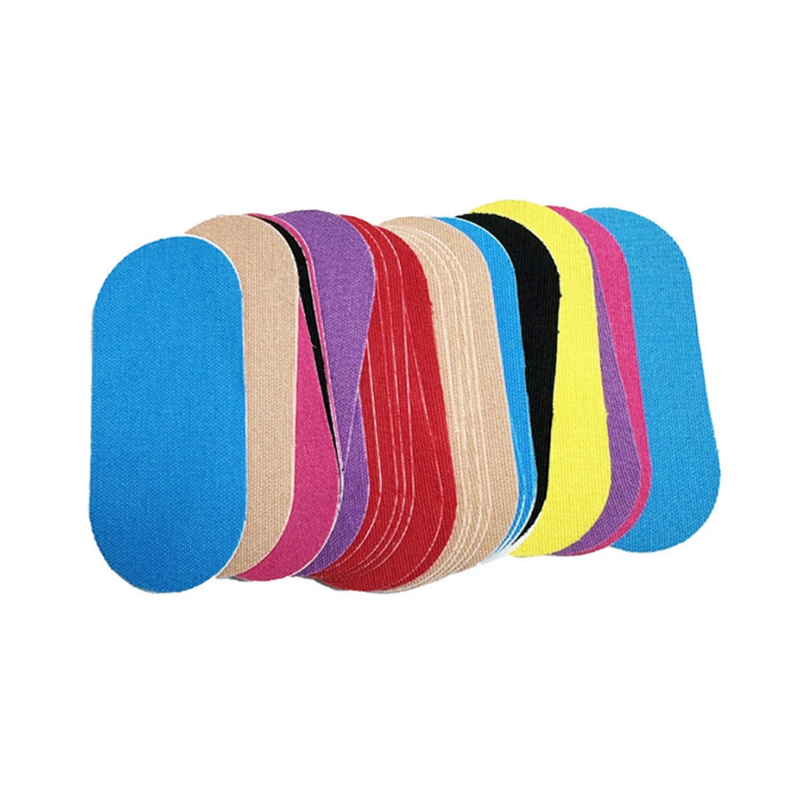 Strong Adhesive And Drug-Free Anti-Snoring Patch
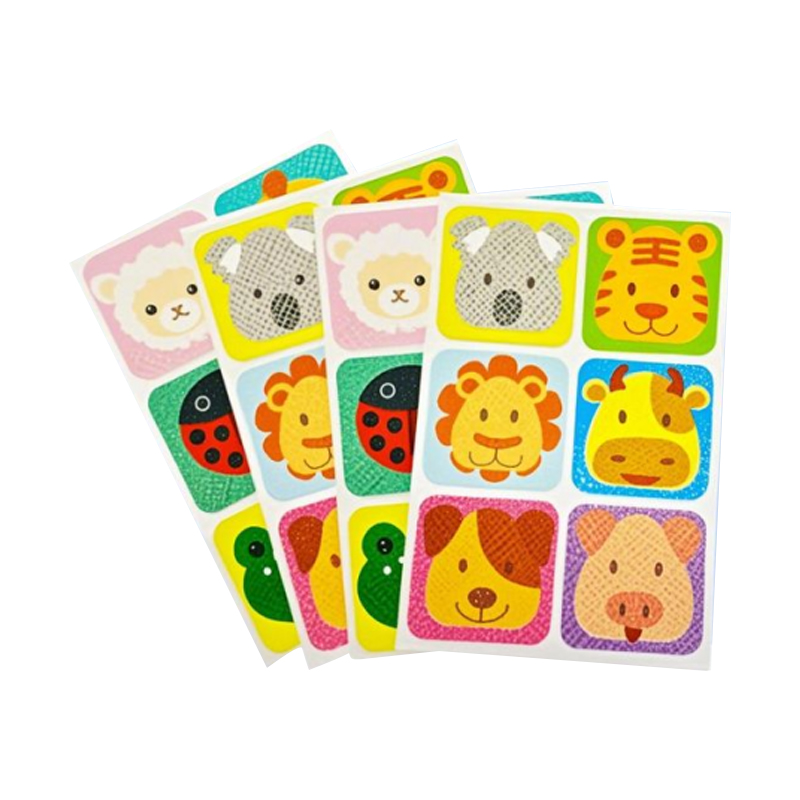 Long-Lasting Mosquito Repellent, Safe And Gentle Mosquito Repellent Stickers
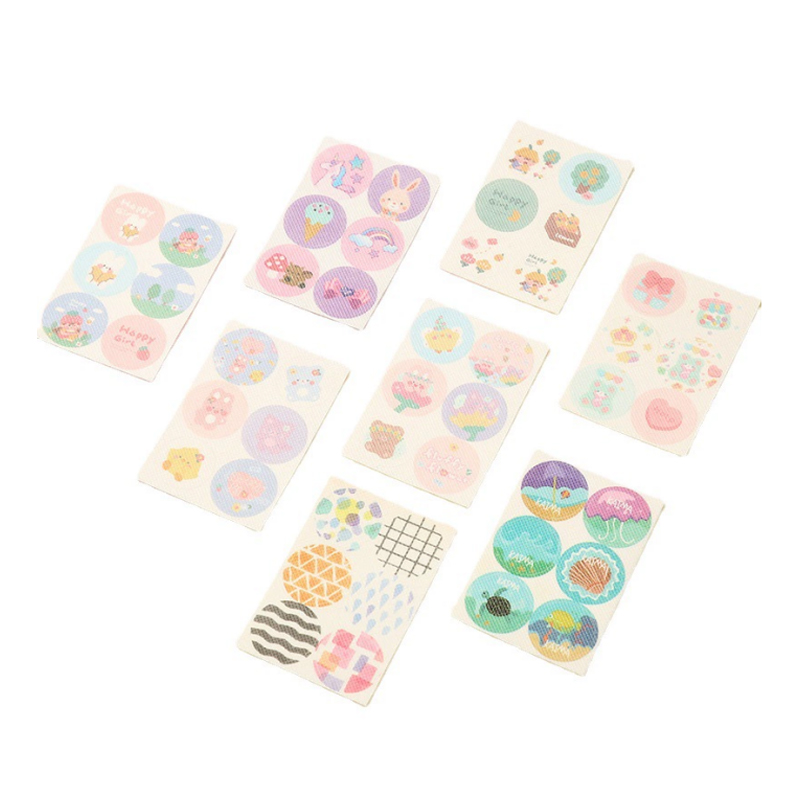 Soothing And Anti-Itching, Mild And Hypoallergenic Soothing Sticker
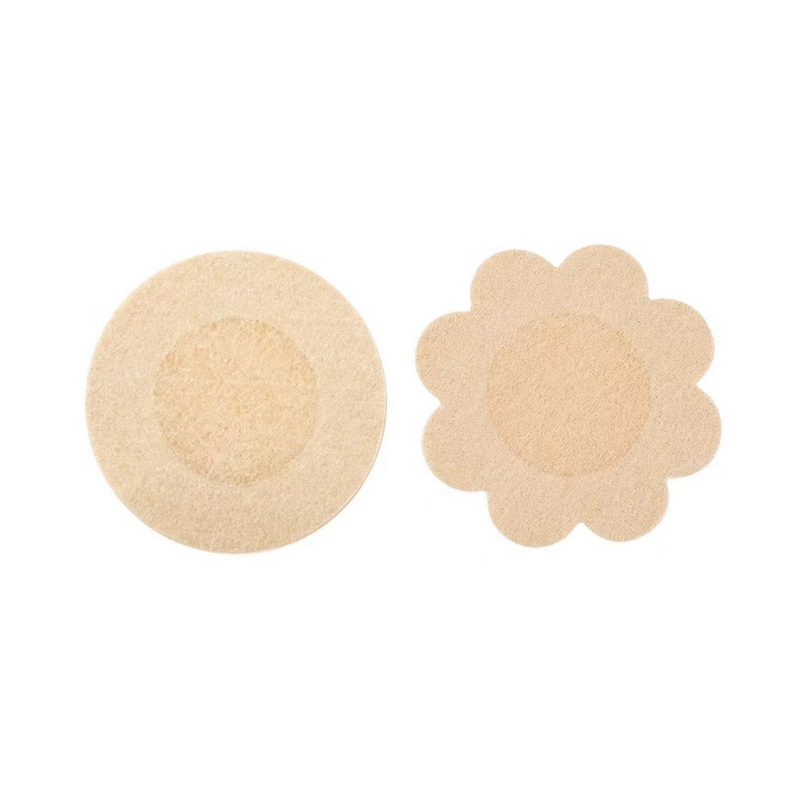 Invisible Non-Slip And Sweat-Proof Nipple Covers
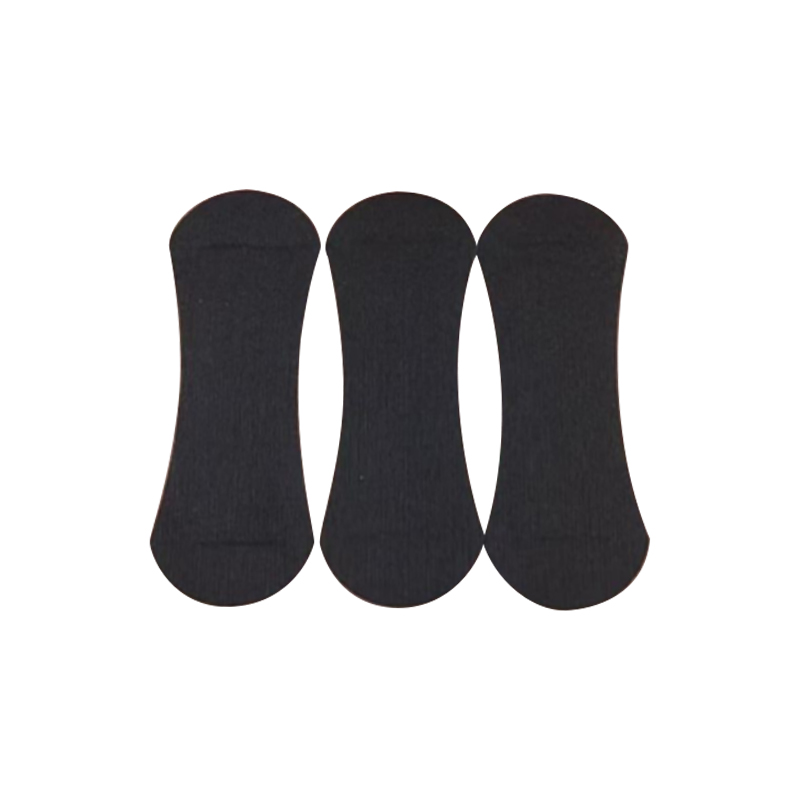 Portable Design And Reusable Ventilation Nose Strips
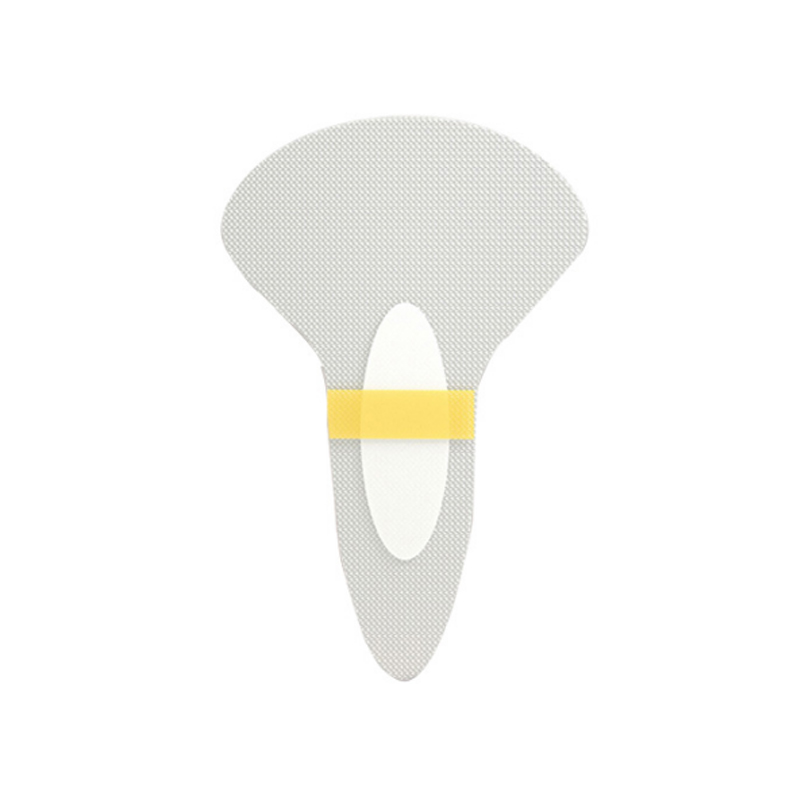 Breathable Comfort Fit Swimming Private Patches
 Strong Adhesion Waterproof And Sweatproof Anti-Exposure Stickers
Copyright © 2024 by Wuxi Xindi Medical Technology Co., Ltd. All Rights Reserved.
medical adhesive tapes manufacturers