
 English
 中文简体
中文简体 日本語
日本語 عربى
عربى русский
 Español
News
Xindi can provide customers with personalized, high-quality products and services to meet the needs of different markets and customers.
Content
Medical adhesive tapes are among the most frequently used consumables in healthcare settings worldwide — yet they are routinely selected by habit, availability, or familiarity rather than by deliberate clinical matching of tape properties to patient need. The consequences of poor tape selection range from minor inconveniences such as dressing failure and re-dressing cost, to serious clinical events including medical adhesive-related skin injury (MARSI), contact dermatitis, wound contamination from lifted dressing edges, and peripheral IV catheter dislodgement leading to medication errors. A 2021 systematic review published in the Journal of Wound Care estimated that MARSI affects between 15% and 20% of hospitalized patients, with elderly patients, neonates, and oncology patients experiencing rates exceeding 40% in some intensive care settings.
Understanding the materials science, clinical performance characteristics, and appropriate applications of each major tape category transforms a routine supply decision into a meaningful clinical intervention. This guide covers every major medical adhesive tape type in practical detail — from surgical paper tapes to advanced silicone-based systems — providing the specific properties and selection criteria clinicians, wound care specialists, and first responders need to choose correctly every time.
Every medical adhesive tape consists of two primary components: a backing material and an adhesive layer. The interaction between these two elements determines the tape's conformability, moisture vapor transmission rate (MVTR), tensile strength, adhesion level, and removal characteristics. Understanding both components is essential for matching tape to application.
Backing materials range from paper (lightweight, breathable, low conformability) through nonwoven fabrics (moderate stretch, excellent conformability) to polyethylene films (waterproof, high tensile strength) and silicone foams (cushioning, extremely gentle removal). Adhesive chemistries fall into three main categories: acrylic adhesives — the most widely used, offering strong bonding across a range of skin conditions and temperatures, but requiring careful removal technique on fragile skin; rubber-based adhesives — providing aggressive initial tack and good conformability, used in strapping and athletic applications but with higher sensitization risk; and silicone adhesives — the gentlest option, bonding through a low-trauma mechanism that allows painless, zero-epidermal-strip removal, making them the evidence-based choice for at-risk skin populations.
Surgical paper tape — sometimes called micropore tape — is manufactured from a creped paper backing coated with a hypoallergenic acrylic adhesive. It tears cleanly by hand in any direction, requires no scissors, and provides adequate adhesion for securing lightweight dressings, IV tubing, and nasogastric tubes on patients with normal intact skin. Its high moisture vapor transmission rate (typically 800–1,200 g/m²/24h) allows skin beneath the tape to breathe, reducing maceration risk during extended wear. Paper tape is the most economical option in the medical adhesive category and is available in widths from 1.25 cm to 5 cm.
The primary limitation of paper tape is its near-zero water resistance — it loses adhesion rapidly when wet, making it unsuitable for wound sites with exudate, patients who perspire heavily, or any application where the tape will contact water during showering or bathing. In these scenarios, paper tape dressings require more frequent replacement, which itself becomes a MARSI risk factor. Clinical practice guidelines from the Wound, Ostomy and Continence Nurses Society (WOCN) recommend transitioning patients requiring tape for more than 72 hours from paper tape to nonwoven or silicone alternatives to reduce cumulative skin trauma from repeated application and removal cycles.
Silk-finish and rayon surgical tapes offer a step up in conformability and tensile strength over paper tape while retaining the ability to tear cleanly by hand. Their woven or nonwoven textile backing adapts well to curved body surfaces such as joints, the neck, and the thorax. They are widely used in securing epidural catheters, chest drains, and post-operative wound dressings where moderate adhesion strength and good conformability are both required. The adhesive is typically a zinc oxide-free acrylic formulation to minimize sensitization risk during prolonged wear.
Transparent polyurethane film tapes provide a waterproof, bacteria-impermeable barrier while allowing direct visual inspection of the wound, catheter insertion site, or underlying skin without dressing removal. Their MVTR values vary significantly between products — budget-grade films may transmit as little as 300 g/m²/24h, while premium versions (such as 3M Tegaderm or Smith+Nephew OpSite) achieve 800–3,000 g/m²/24h, which substantially reduces maceration and wound exudate accumulation beneath the film.
In peripheral and central venous catheter securement, transparent film dressings are the CDC-recommended standard for catheter site management, as they permit continuous visual monitoring for phlebitis, infiltration, and infection signs without disturbing the catheter. The film backing stretches to conform to the skin's natural movement, reducing the shear forces at the catheter insertion point that cause MARSI and contribute to catheter dislodgement. Specialized IV securement devices — such as Statlock or Griplok systems — combine an adhesive anchor pad with a mechanical catheter hub lock, providing superior catheter stabilization compared to film tape alone, with studies showing 50–65% reduction in unplanned catheter removal rates when securement devices replace tape-only fixation.
Zinc oxide tape — traditionally called sports strapping tape or rigid strapping — is a cotton or synthetic fabric backing coated with a zinc oxide-containing rubber adhesive that delivers extremely high adhesion strength and near-zero elasticity. This combination makes it the material of choice for joint stabilization, ligament support, and prophylactic taping in athletic and sports medicine contexts. A correctly applied zinc oxide tape ankle strapping can reduce inversion range of motion by 30–40% immediately post-application, providing mechanical restriction that supplements proprioceptive feedback in athletes with chronic ankle instability.
In clinical wound care, zinc oxide tape is used to secure dressings on high-tension areas such as the lower limb in venous ulcer compression bandaging, where the tape must resist the mechanical forces generated by compression layers over 24–72 hour wear periods. Its aggressive adhesive, however, makes it entirely inappropriate for fragile, elderly, or immunocompromised skin — removal without appropriate technique or adhesive remover causes epidermal stripping injuries with a consistency and severity that classify it as one of the highest MARSI-risk products in the medical tape category. Pre-application of a protective skin barrier film or foam underwrap is mandatory when zinc oxide tape is applied directly adjacent to skin in clinical settings.
Kinesiology tape (KT tape) is an elastic cotton or synthetic tape with a wave-patterned acrylic adhesive that, when applied with tension, is theorized to lift the superficial skin layers slightly, reducing pressure on pain receptors and lymphatic channels and facilitating neuromuscular facilitation or inhibition depending on application direction and tension level. It stretches to approximately 130–140% of its resting length — closely mimicking skin elasticity — and is designed for multi-day continuous wear including during bathing and exercise.
Kinesiology tape has accumulated a substantial evidence base for pain reduction in conditions including patellofemoral pain syndrome, shoulder impingement, and lower back pain, though the magnitude of benefit and the specific mechanism remain subjects of active research debate. Its clinical utility is clearest when used as an adjunct to exercise rehabilitation rather than as a standalone treatment. Application technique is critical — incorrect tension, direction, or skin preparation significantly reduces clinical effect and increases the risk of skin reaction. Contraindications include open wounds, active skin infection, deep vein thrombosis in the region, and known acrylic adhesive sensitivity.
Silicone-based medical adhesive tapes represent the most significant advance in tape technology of the past two decades. Rather than bonding through chemical adhesion that forms an increasingly strong bond with skin protein over time, silicone adhesives work through a physical mechanism — intimate contact between the adhesive surface and skin microstructure — that does not increase in strength with wear duration and leaves no adhesive residue on removal. Clinical studies consistently demonstrate that silicone tape removal requires 60–85% less peak removal force than equivalent acrylic tapes on the same skin site, with correspondingly dramatic reductions in MARSI incidence and patient-reported pain.
Silicone tapes are now the first-line recommendation from the European Wound Management Association (EWMA), the International Skin Tear Advisory Panel (ISTAP), and the National Pressure Injury Advisory Panel (NPIAP) for patients in MARSI high-risk categories, including neonates and premature infants, patients over 65 with fragile skin, oncology patients receiving chemotherapy or targeted therapy, patients on long-term corticosteroids, and individuals with skin conditions such as epidermolysis bullosa or pemphigus. The higher unit cost of silicone tape — typically 3–5× the cost of equivalent acrylic tape — is consistently offset by reduced nursing time for dressing changes, reduced wound complication management costs, and improved patient comfort and compliance outcomes in published health economic analyses.
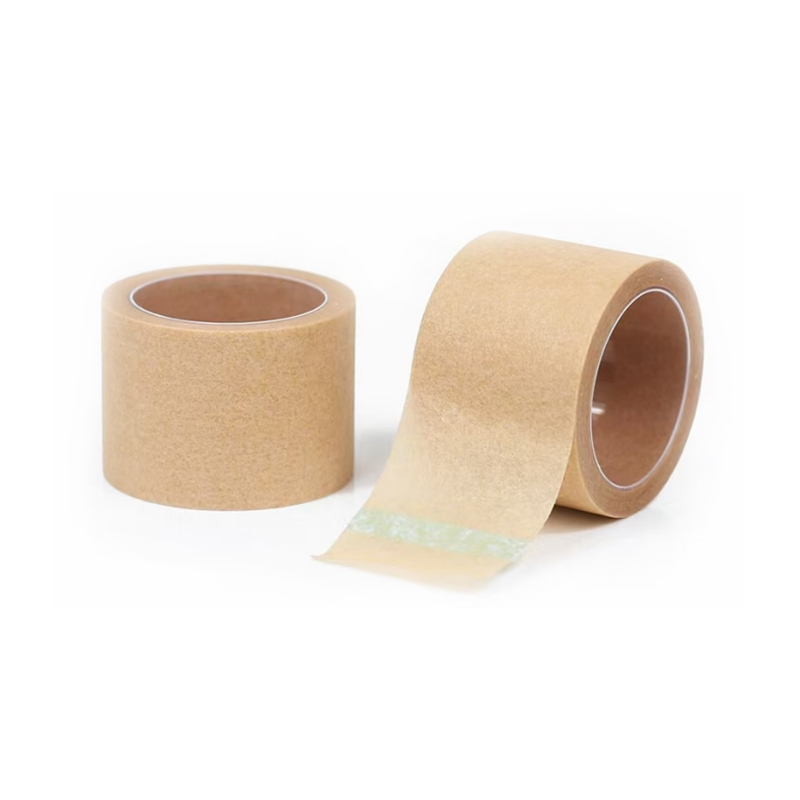
The table below provides a structured comparison of the major medical adhesive tape types covered in this guide, mapped against the clinical parameters most relevant to appropriate selection:
| Tape Type | Adhesive | Water Resistance | MARSI Risk | Primary Clinical Use |
|---|---|---|---|---|
| Paper / Micropore | Acrylic | None | Low–Moderate | Light dressing securement, IV tubing |
| Silk / Rayon | Acrylic | Low | Moderate | Epidural, chest drain securement |
| Transparent Film | Acrylic | High | Moderate | IV/CVC site dressing, wound cover |
| Zinc Oxide / Rigid | Rubber / ZnO | Moderate | Very High | Joint strapping, compression bandaging |
| Kinesiology | Acrylic (wave pattern) | High | Low–Moderate | Neuromuscular rehab, pain management |
| Silicone | Silicone gel | Moderate–High | Very Low | Fragile/neonatal/oncology skin |
Even the most appropriate tape selection delivers poor outcomes when applied or removed incorrectly. The following evidence-based practices reduce MARSI incidence across all tape types and patient populations:
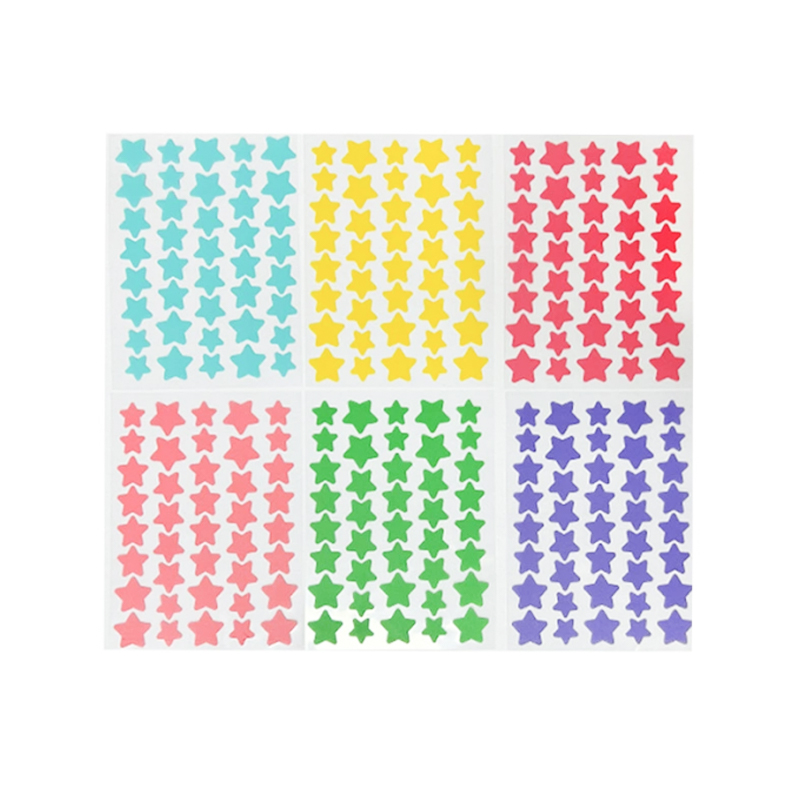 Absorbent, Moisturizing And Non-Irritating Hydrocolloid Acne Patch
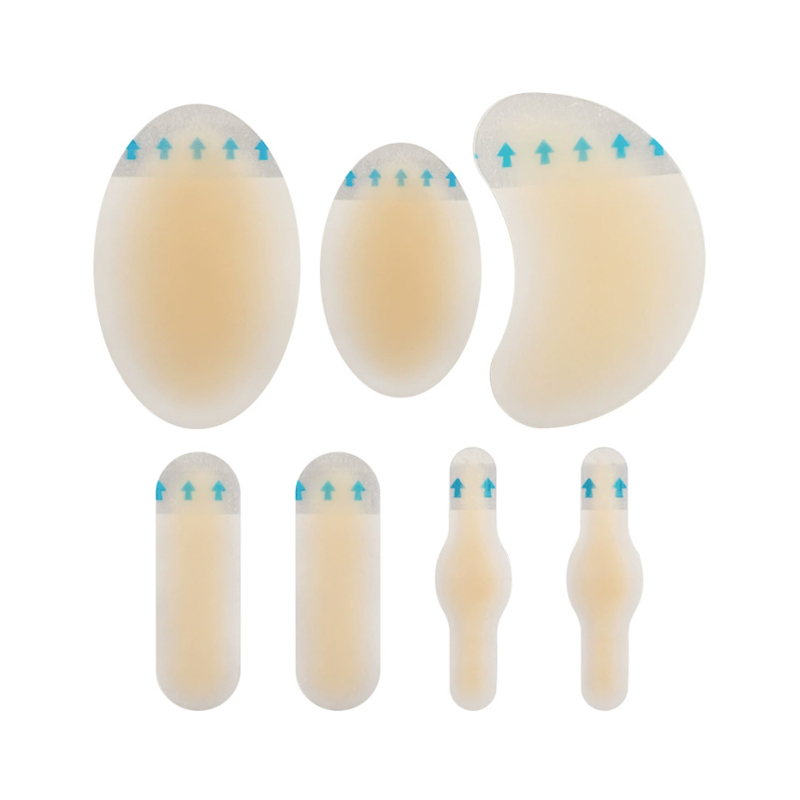 Cushioning, Pressure Reducing, Breathable And Comfortable Heel Patch
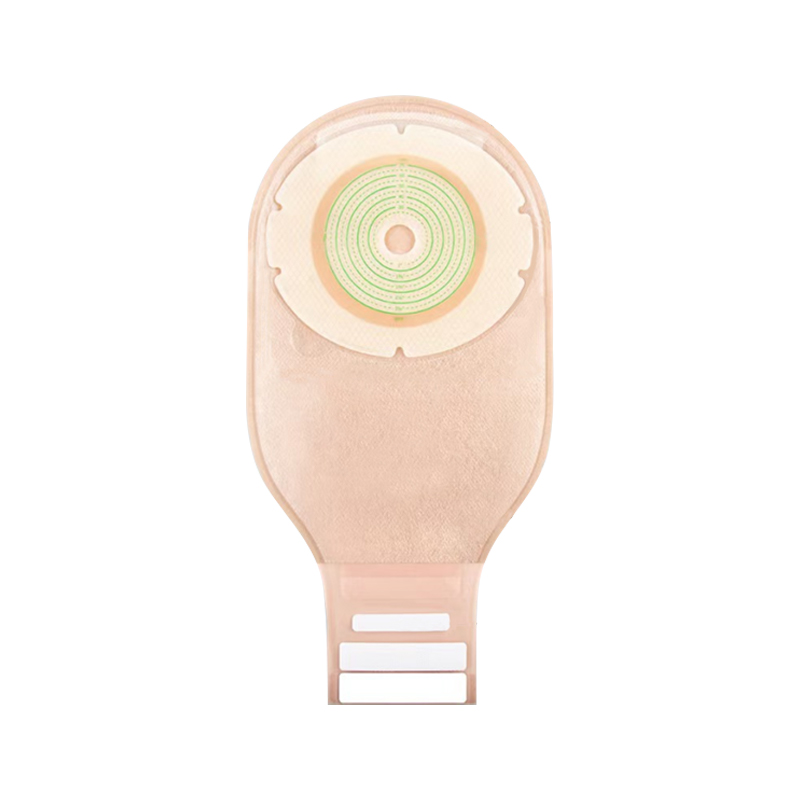 Soft Waterproof and Odor Control Ostomy Pouch
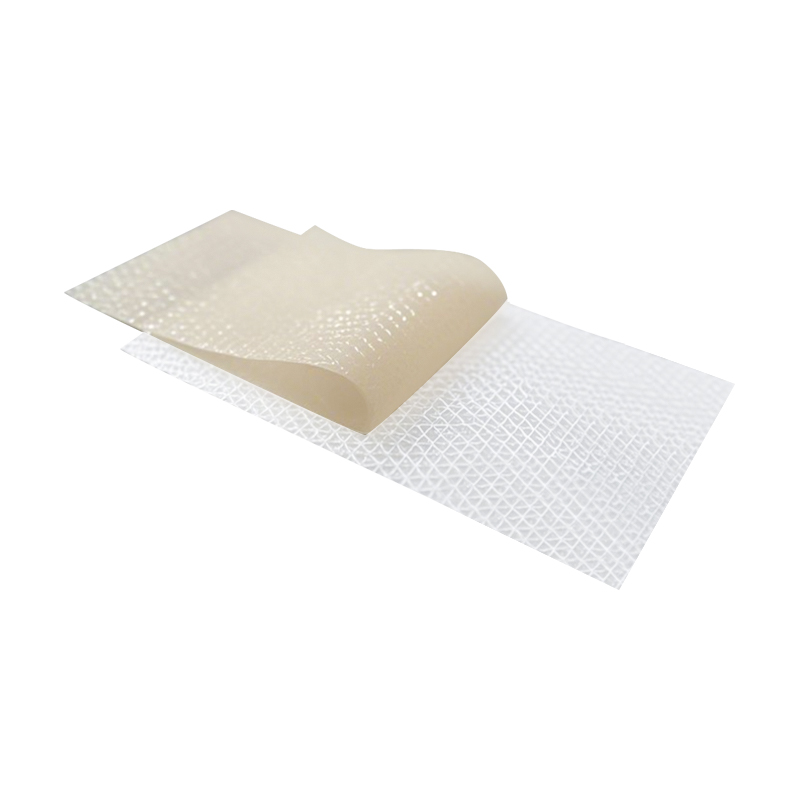 Widely Used Waterproof And Dustproof Silicone Scar Sheets
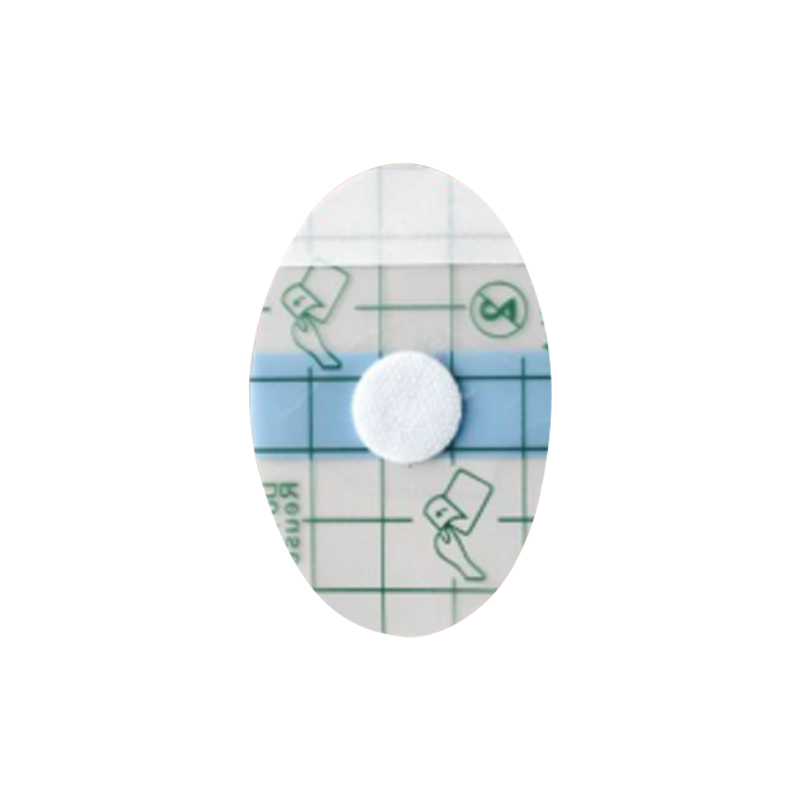 Hypoallergenic Breathable Waterproof Ear Patches
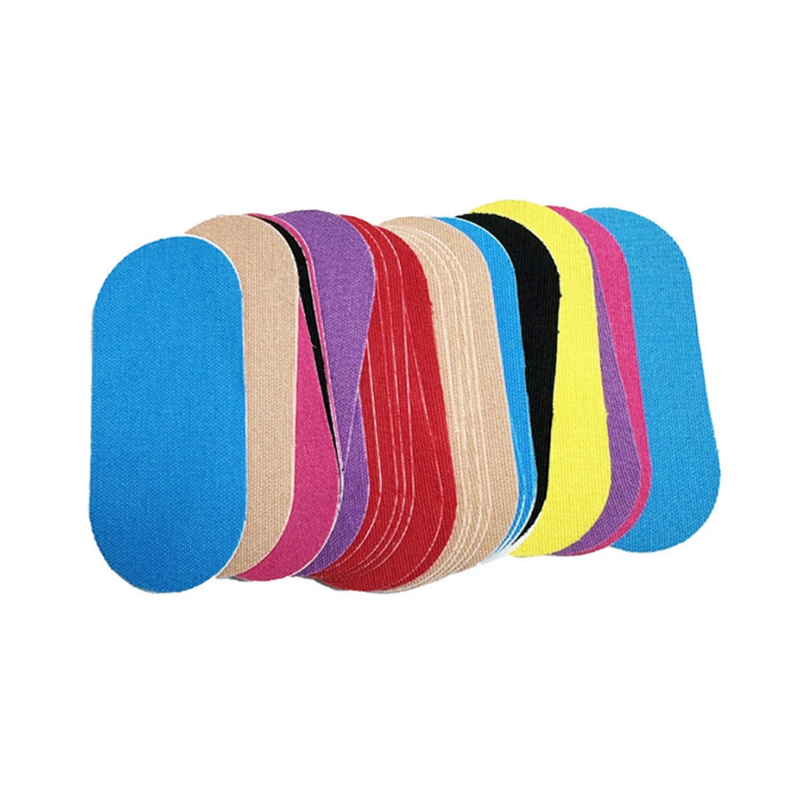 Strong Adhesive And Drug-Free Anti-Snoring Patch
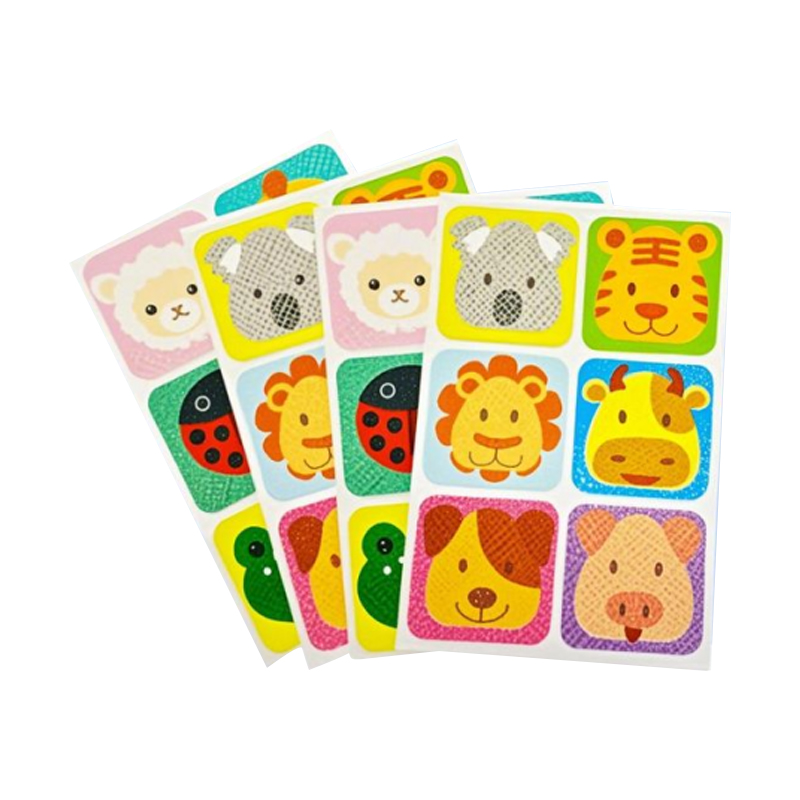 Long-Lasting Mosquito Repellent, Safe And Gentle Mosquito Repellent Stickers
 Soothing And Anti-Itching, Mild And Hypoallergenic Soothing Sticker
 Invisible Non-Slip And Sweat-Proof Nipple Covers
 Portable Design And Reusable Ventilation Nose Strips
 Breathable Comfort Fit Swimming Private Patches
 Strong Adhesion Waterproof And Sweatproof Anti-Exposure Stickers
Copyright © 2024 by Wuxi Xindi Medical Technology Co., Ltd. All Rights Reserved.
medical adhesive tapes manufacturers