
 English
 中文简体
中文简体 日本語
日本語 عربى
عربى русский
 Español
News
Xindi can provide customers with personalized, high-quality products and services to meet the needs of different markets and customers.
Content
Hydrocolloid patches are small adhesive dressings designed to cover pimples and support the skin’s natural healing process. Originally developed for wound care, hydrocolloid technology has been used in medical bandages for decades because it creates a moist environment that promotes faster healing. In skincare, these patches are commonly called acne patches or pimple patches.
The material is made from gel-forming agents such as carboxymethylcellulose and pectin. When applied to a blemish, the patch absorbs excess fluid, including pus and oil, while protecting the area from bacteria, friction, and picking. This simple mechanism makes hydrocolloid patches one of the easiest and safest spot treatments for whiteheads and superficial pimples.
Because they are discreet and easy to use, hydrocolloid patches have become a staple in many skincare routines. They can be worn overnight or during the day and often help reduce the size and redness of a pimple by the next morning.
The effectiveness of hydrocolloid patches comes from their ability to draw out fluid from the blemish and maintain the ideal healing environment. When a pimple contains pus or other exudate, the patch absorbs that material and turns opaque or white. This visual change indicates that the patch is actively removing fluid.
At the same time, the patch seals the blemish from outside contaminants. Dust, bacteria, and hands cannot easily reach the pimple, reducing the chance of irritation and infection. The protective barrier also prevents unconscious picking, which is a common cause of scarring and prolonged inflammation.
Hydrocolloid patches work best on pimples that have come to a head, particularly whiteheads and small pustules. These blemishes contain fluid that the patch can absorb effectively.
Whiteheads are ideal candidates because they contain trapped oil and pus near the skin surface. A hydrocolloid patch can significantly flatten them overnight.
Inflamed pimples with visible yellow or white centers respond well. The patch absorbs exudate and minimizes the temptation to squeeze.
After extracting a blemish, a hydrocolloid patch helps protect the open area, absorb residual fluid, and reduce crusting.
Deep cystic acne, blackheads, and closed comedones typically do not respond as well because there is little surface fluid for the patch to absorb.
One of the biggest advantages of hydrocolloid patches is that they offer a non-irritating treatment option. Unlike strong spot treatments containing acids or benzoyl peroxide, standard hydrocolloid patches generally do not dry out surrounding skin.
They are also highly convenient. Most patches are transparent, thin, and flexible enough to wear under makeup or overnight. Because they physically cover the pimple, they provide visible reassurance and reduce the urge to touch.
| Benefit | Why It Matters |
| Gentle treatment | Suitable for sensitive skin |
| Protective barrier | Reduces contamination and picking |
| Fast visible results | Often flattens pimples overnight |
| Easy to use | Requires no special technique |
| Discreet appearance | Can be worn during the day |
Proper application is essential to get the best results. Start by cleansing the skin and ensuring the affected area is completely dry. Avoid applying creams, serums, or oils directly under the patch because they can interfere with adhesion.
Place the patch directly over the blemish and press gently around the edges. Leave it on for six to twelve hours, or until the patch turns white and opaque. Remove it slowly and replace it with a fresh patch if fluid remains.
These contain only hydrocolloid material and are ideal for sensitive skin or users who want a simple, non-irritating option.
Some patches include ingredients such as salicylic acid, tea tree oil, or niacinamide. These may provide additional anti-inflammatory and exfoliating benefits.
Designed for early-stage or deeper pimples, these patches contain tiny dissolving spikes that deliver active ingredients beneath the skin surface.
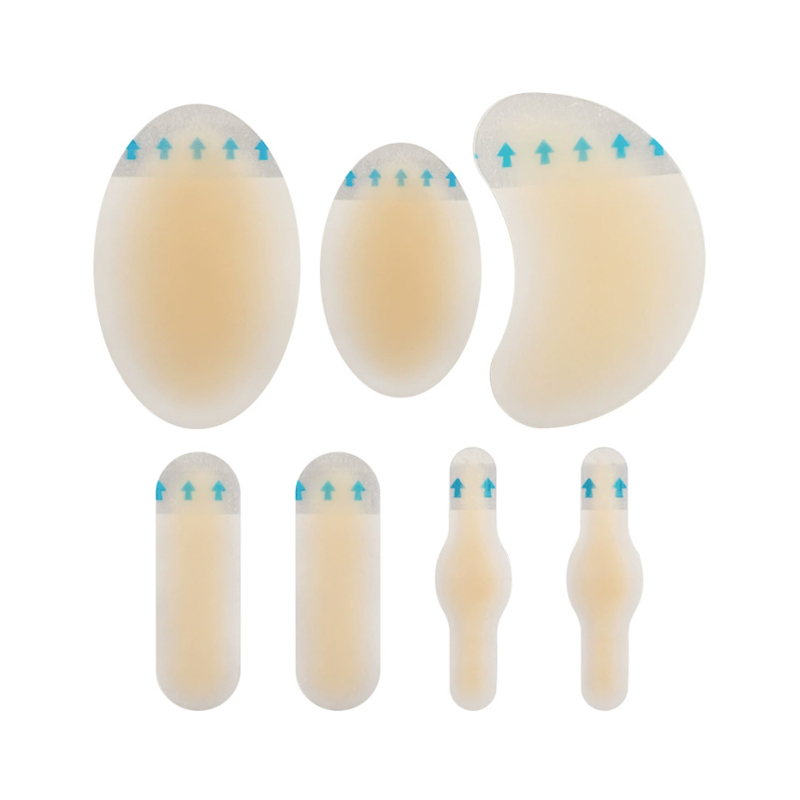
The best hydrocolloid patch depends on your skin type, acne type, and preferences. Thin patches are nearly invisible and suitable for daytime wear, while thicker patches often absorb more fluid and work well overnight.
If you have sensitive skin, choose fragrance-free patches without active ingredients. For occasional inflamed breakouts, medicated or microneedle patches may provide additional benefits.
| Skin Concern | Best Patch Type |
| Sensitive skin | Basic hydrocolloid |
| Visible daytime wear | Ultra-thin transparent patch |
| Large whiteheads | Thicker overnight patch |
| Deep early blemishes | Microneedle patch |
| Inflamed pimples | Patch with salicylic acid or niacinamide |
Using hydrocolloid patches incorrectly can reduce their effectiveness. Applying them over moisturizers or sunscreen prevents proper adhesion. Expecting them to treat cystic acne can also lead to disappointment.
For many people, hydrocolloid patches are an effective and affordable way to treat surface-level acne. They do not replace a complete skincare routine, but they are excellent for managing individual pimples and preventing further irritation.
Their combination of fluid absorption, protection, and convenience makes them one of the most practical over-the-counter acne solutions available today.
Hydrocolloid patches work by absorbing fluid from pimples while creating a protective environment that supports faster healing. They are most effective on whiteheads, pustules, and recently popped blemishes. The best hydrocolloid patch depends on your skin sensitivity, the type of acne you are treating, and whether you want a simple or medicated formula. When used correctly, these patches can reduce inflammation, minimize picking, and help blemishes heal with less risk of scarring.
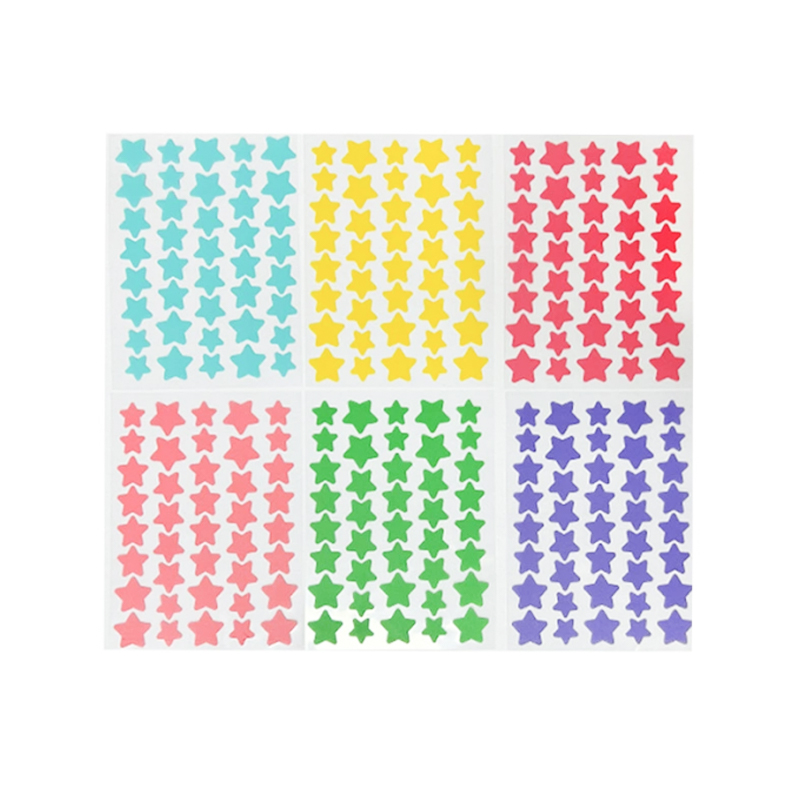 Absorbent, Moisturizing And Non-Irritating Hydrocolloid Acne Patch
 Cushioning, Pressure Reducing, Breathable And Comfortable Heel Patch
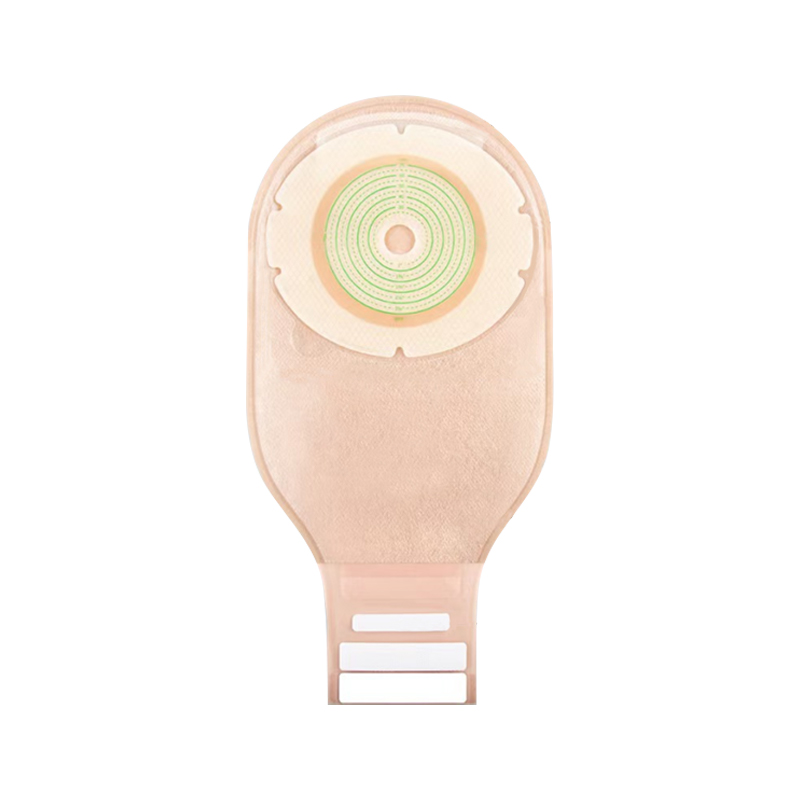 Soft Waterproof and Odor Control Ostomy Pouch
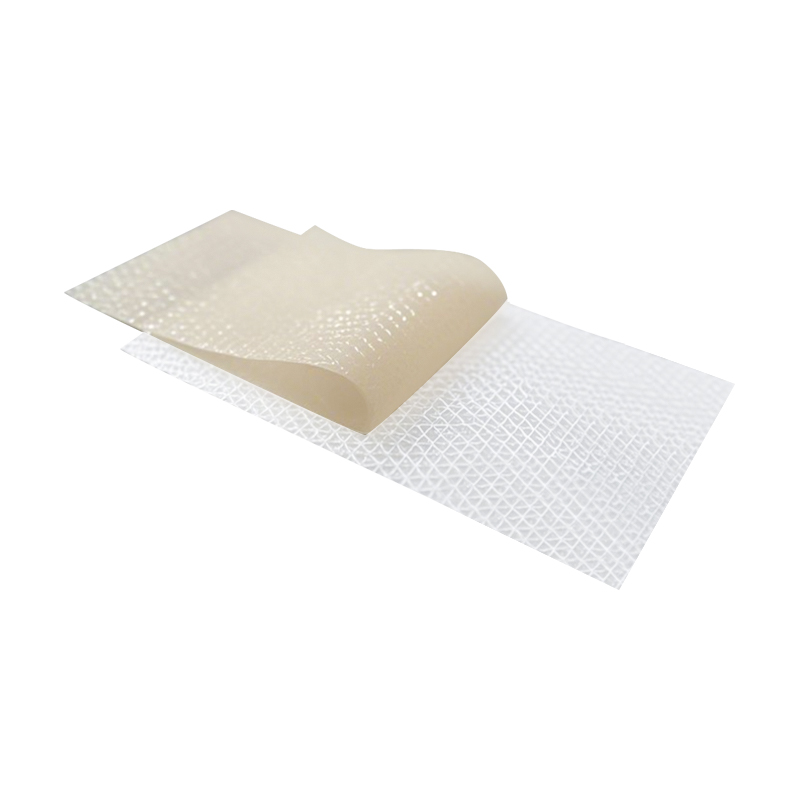 Widely Used Waterproof And Dustproof Silicone Scar Sheets
 Hypoallergenic Breathable Waterproof Ear Patches
 Strong Adhesive And Drug-Free Anti-Snoring Patch
 Long-Lasting Mosquito Repellent, Safe And Gentle Mosquito Repellent Stickers
 Soothing And Anti-Itching, Mild And Hypoallergenic Soothing Sticker
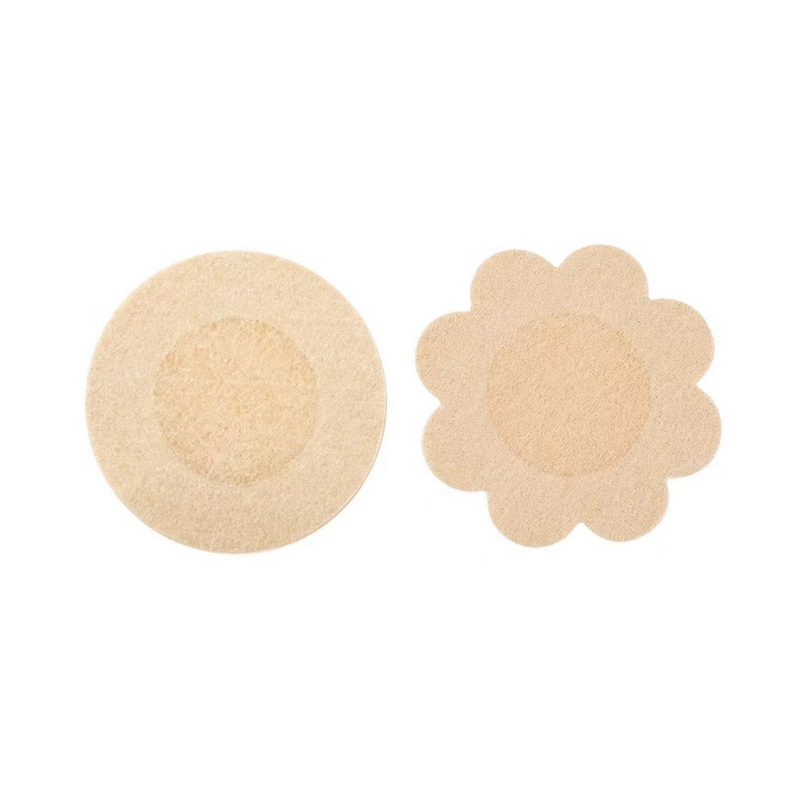 Invisible Non-Slip And Sweat-Proof Nipple Covers
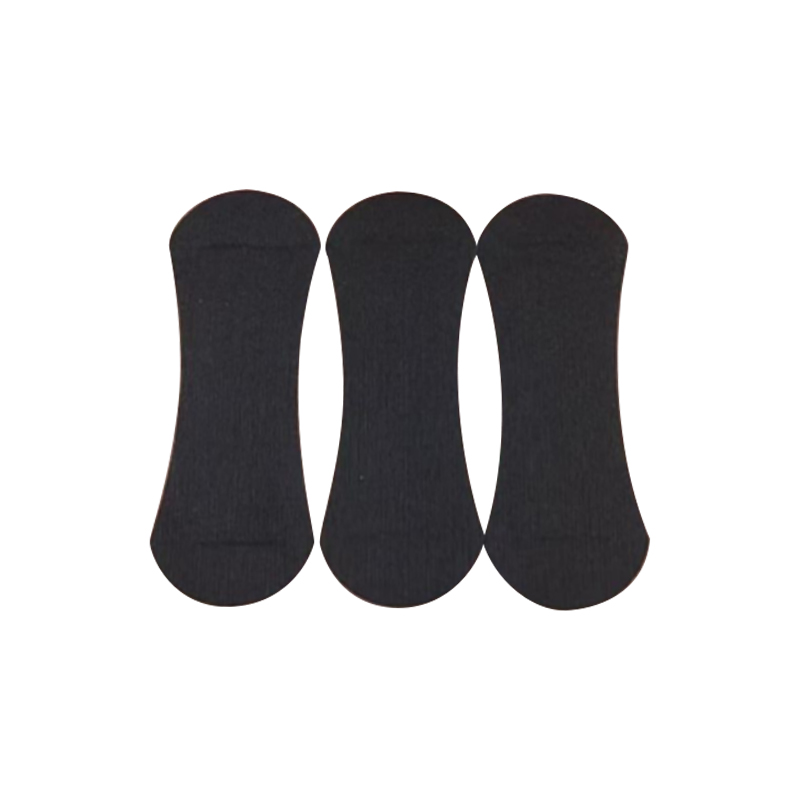 Portable Design And Reusable Ventilation Nose Strips
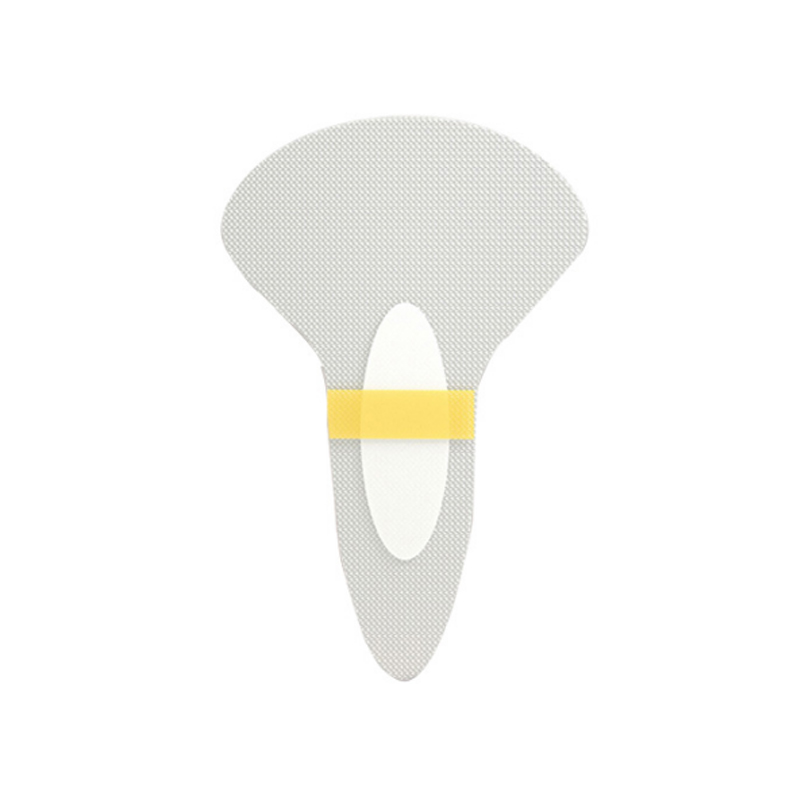 Breathable Comfort Fit Swimming Private Patches
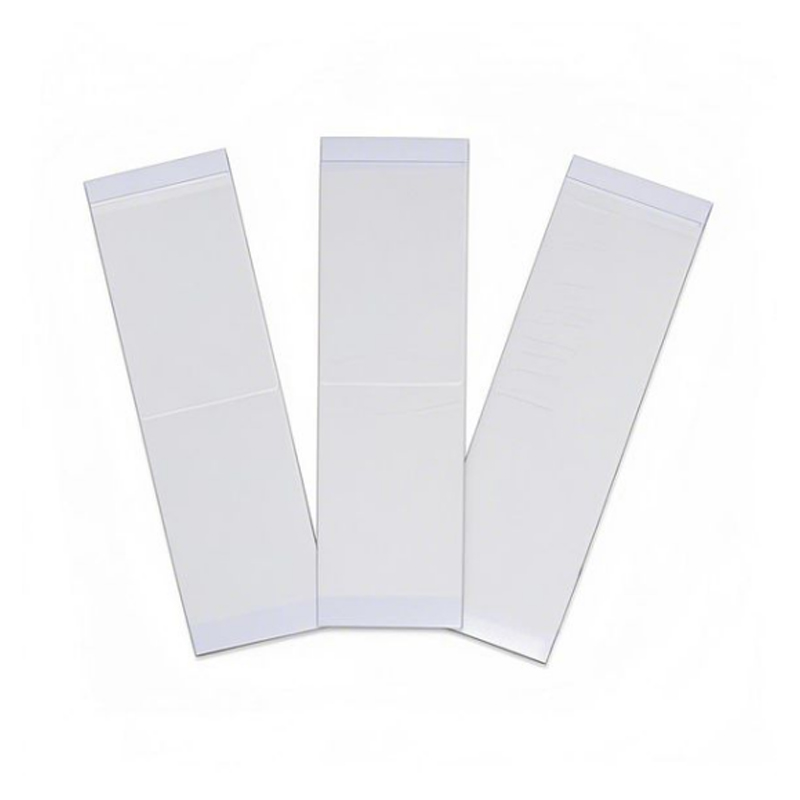 Strong Adhesion Waterproof And Sweatproof Anti-Exposure Stickers
Copyright © 2024 by Wuxi Xindi Medical Technology Co., Ltd. All Rights Reserved.
medical adhesive tapes manufacturers