
 English
 中文简体
中文简体 日本語
日本語 عربى
عربى русский
 Español
News
Xindi can provide customers with personalized, high-quality products and services to meet the needs of different markets and customers.
Content
Ear canal infections, medically known as otitis externa, are among the most common and uncomfortable conditions affecting both children and adults worldwide. The ear canal — the narrow, skin-lined tube running from the outer ear to the eardrum — is uniquely vulnerable to infection and inflammation due to its warm, enclosed environment, which creates ideal conditions for bacterial and fungal growth when moisture, trauma, or compromised skin integrity are present. Swimmer's ear is the most widely recognized form of otitis externa, triggered by prolonged water exposure that disrupts the ear canal's natural acidic pH and wax barrier. However, ear canal inflammation can also arise from allergic reactions to skincare products, hearing aid materials, earphones, or topical medications, as well as from chronic skin conditions such as eczema and psoriasis that affect the delicate epithelium lining the canal.
Managing these conditions effectively requires a multi-pronged approach: appropriate antimicrobial or anti-inflammatory treatment prescribed by a clinician, careful avoidance of further moisture exposure, and protection of the affected area from additional irritants during the healing process. It is in this third dimension — protection during recovery — that hypoallergenic breathable waterproof ear patches have emerged as a clinically significant and practically valuable tool, offering a level of targeted protection that conventional cotton wool, standard adhesive dressings, and improvised ear plugs simply cannot match.
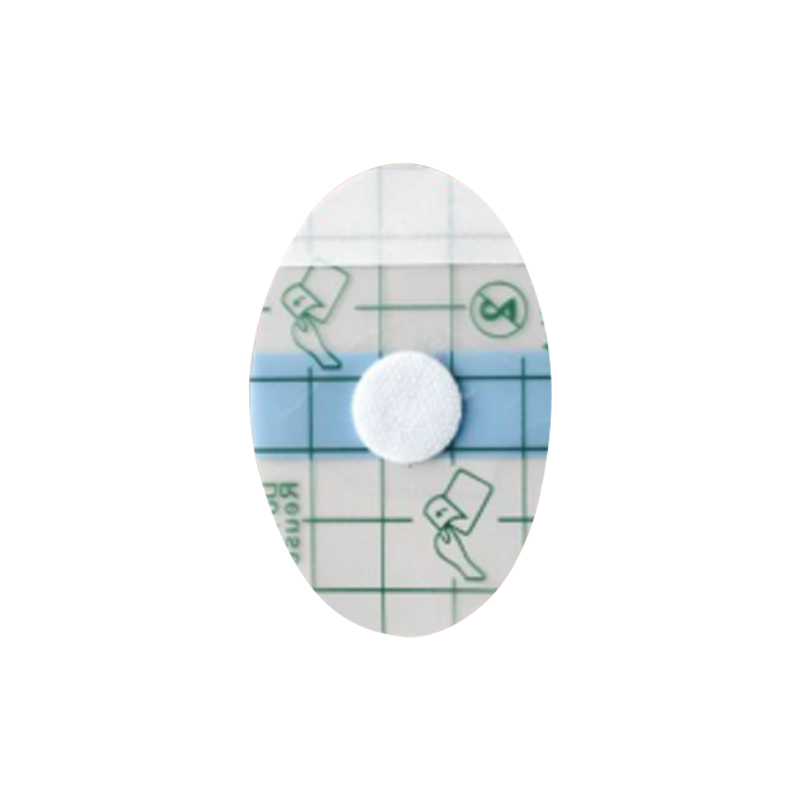
Hypoallergenic breathable waterproof ear patches are purpose-engineered adhesive dressings designed to cover and protect the external ear and ear canal entrance from water, contaminants, and environmental irritants, while simultaneously allowing sufficient air circulation to support the healing process. Unlike generic waterproof plasters or improvised barriers, these patches are anatomically shaped to conform to the natural contours of the outer ear and the area surrounding the ear canal opening, ensuring complete coverage without gaps where water or bacteria could infiltrate.
The construction of a quality hypoallergenic breathable waterproof ear patch typically involves several functionally distinct layers working in concert. The outermost layer is a water-resistant film or coated fabric that repels water during activities such as showering, bathing, swimming, or exposure to humid environments. The middle layer provides structure and conformability, allowing the patch to flex with movement and maintain its seal against the skin. The innermost adhesive layer is formulated to be hypoallergenic — free from latex, fragrances, and common chemical sensitizers — so that it can be applied safely to the already sensitized or inflamed periauricular skin of patients with active ear conditions. The adhesive is typically breathable, meaning it is microporous or moisture-vapor-transmissive, allowing the skin beneath the patch to exchange gases and moisture vapor without permitting liquid water ingress.
Water is the single most significant environmental factor that complicates and prolongs ear canal infection recovery. The ear canal's natural defense against infection relies on a slightly acidic environment maintained by cerumen (earwax) and the normal desquamation of the canal's epithelial lining. When water enters the canal — whether during showering, hair washing, or swimming — it disrupts this carefully balanced microenvironment in several important ways.
First, prolonged water contact raises the pH of the canal, making it more alkaline and therefore more hospitable to bacterial and fungal pathogens. Second, moisture softens the skin lining of the canal, reducing its mechanical integrity and making it more susceptible to micro-abrasions that provide entry points for infection. Third, water introduction during active infection can wash away topical medications — antibiotic ear drops, antifungal solutions, or steroid preparations — before they have had sufficient contact time with the infected tissue to exert their therapeutic effect. Each of these mechanisms represents a distinct pathway through which uncontrolled water exposure can undermine treatment and extend recovery time.
A waterproof ear patch applied correctly before showering or bathing physically blocks water from reaching the ear canal entrance, addressing all three of these pathways simultaneously. Patients who consistently use waterproof ear protection during the treatment period for otitis externa typically experience shorter recovery courses, reduced rates of treatment failure, and lower likelihood of infection recurrence compared to those who rely on improvised protection methods such as cotton wool balls smeared with petroleum jelly — which provide unreliable sealing and retain moisture against the skin rather than repelling it.
The hypoallergenic property of these ear patches is not a marketing embellishment — it is a clinical necessity when dealing with inflamed or infected ear canal skin. Inflammation, by definition, involves a heightened immune response in the affected tissue. The periauricular skin surrounding an infected ear canal is already in a sensitized, reactive state, with a compromised barrier function that makes it significantly more permeable to potential allergens and irritants than healthy skin would be. Applying a dressing that contains latex, formaldehyde-releasing preservatives, acrylate adhesives, or fragrances to this already reactive skin risks triggering an additional allergic contact dermatitis reaction on top of the existing infection — a complication that can dramatically worsen symptoms, complicate differential diagnosis, and extend the duration of the patient's suffering.
Hypoallergenic ear patches are specifically formulated to eliminate or minimize these sensitizing agents. Look for patches that carry independent dermatological testing certification, are explicitly latex-free, and have been patch-tested on sensitive skin populations including children and patients with known skin conditions. For patients who have previously experienced allergic reactions to adhesive dressings, selecting a patch with a silicone-based or gentle acrylate adhesive that has been independently validated for use on compromised skin is particularly important.
A common misconception about wound and skin dressings is that a completely occlusive — fully sealed — covering is always best for protection. In fact, for conditions affecting the ear canal and surrounding skin, breathability is as therapeutically important as waterproofing, and the two must be balanced rather than trading one off against the other.
A fully non-breathable waterproof covering traps perspiration, body heat, and moisture vapor against the skin beneath it. In the warm periauricular region — particularly behind and around the ear — this trapped moisture creates exactly the kind of warm, humid microenvironment that promotes bacterial and fungal overgrowth. A breathable patch that transmits moisture vapor through its structure while blocking liquid water ingress prevents this accumulation, keeping the skin beneath drier and less hospitable to pathogenic microorganisms even during extended wear.
Skin that is kept in a persistently moist, occluded environment undergoes maceration — a softening and breakdown of the skin's structural proteins that weakens the epithelial barrier and increases vulnerability to further infection. Breathable patches allow the transepidermal water vapor exchange that maintains skin integrity, supporting rather than undermining the natural healing process. This is especially significant for patients whose ear canal inflammation is associated with chronic skin conditions such as eczema, where preserving barrier function is a core treatment objective.
To appreciate the specific advantages of hypoallergenic breathable waterproof ear patches, it is useful to compare them directly against the alternative ear protection methods commonly used by patients managing ear canal infections:
| Protection Method | Waterproof Seal | Breathable | Hypoallergenic | Ease of Use |
| Hypoallergenic Waterproof Ear Patch | Excellent | Yes | Yes | High |
| Cotton Wool with Petroleum Jelly | Poor — gaps and displacement | No | Variable | Low — messy and unreliable |
| Standard Foam Earplugs | Moderate — no outer seal | Partial | Often not rated | Moderate |
| Generic Adhesive Plaster | Poor — not anatomically shaped | Variable | Often no | Moderate |
| Custom Silicone Ear Moulds | Good — with correct fit | No | Generally yes | Low — requires professional fitting |
While hypoallergenic breathable waterproof ear patches offer meaningful benefits to any patient managing an ear canal infection or inflammation, certain groups stand to gain the most from consistent use:
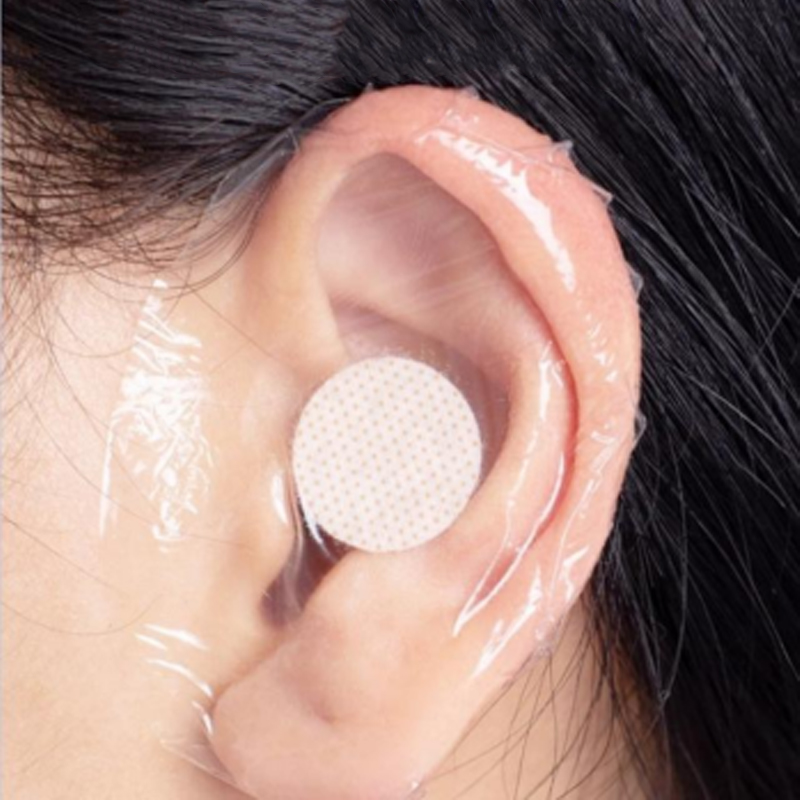
The clinical benefit of hypoallergenic breathable waterproof ear patches is only realized when they are applied correctly and used consistently throughout the treatment period. Following these practical guidelines will help ensure maximum protection and minimize the risk of skin complications from patch use:
Beyond their role in acute infection management, hypoallergenic breathable waterproof ear patches have an important preventive function for individuals with a demonstrated susceptibility to ear canal infections or inflammation. For chronic sufferers of otitis externa — who may experience multiple episodes per year triggered by swimming, hair washing, or humid conditions — incorporating ear patches as a routine protective measure during water exposure represents a practical, non-invasive strategy for breaking the cycle of recurrent infection without requiring permanent lifestyle restrictions.
Audiologists and ear, nose, and throat specialists increasingly recommend that high-risk individuals — including frequent swimmers, hearing aid users, and those with chronic ear eczema — keep a supply of quality hypoallergenic waterproof ear patches as a standard part of their ear care toolkit, using them prophylactically during activities known to trigger their symptoms. When selected carefully for hypoallergenic certification, appropriate breathability, and a reliable waterproof seal, these patches represent one of the most cost-effective, user-friendly, and clinically sound tools available for protecting the vulnerable ear canal environment — whether during active treatment or as an ongoing preventive measure against the conditions that make ear canal health such a persistent challenge for so many people.
 Absorbent, Moisturizing And Non-Irritating Hydrocolloid Acne Patch
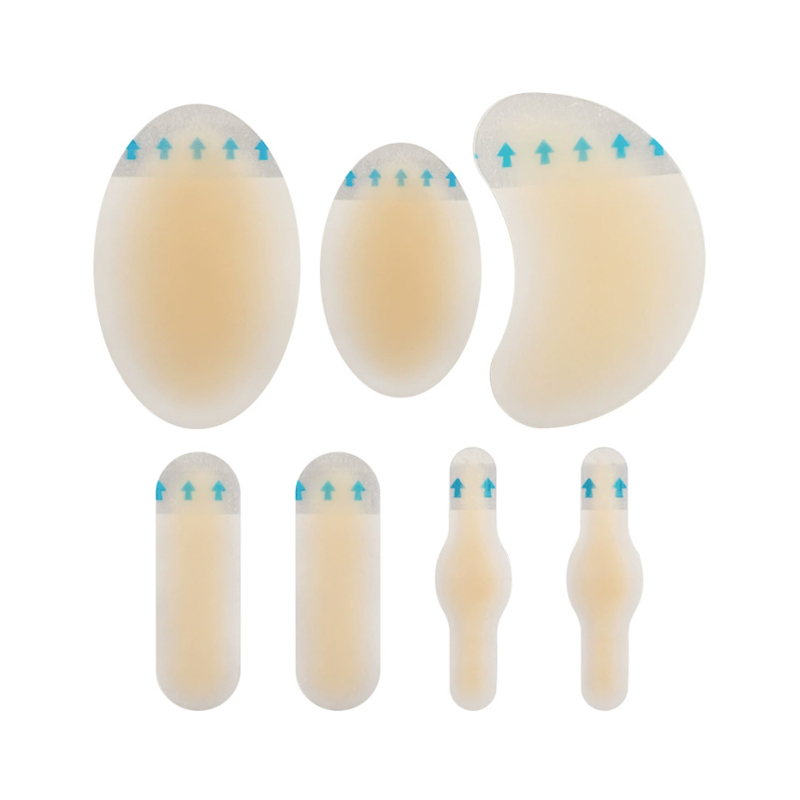 Cushioning, Pressure Reducing, Breathable And Comfortable Heel Patch
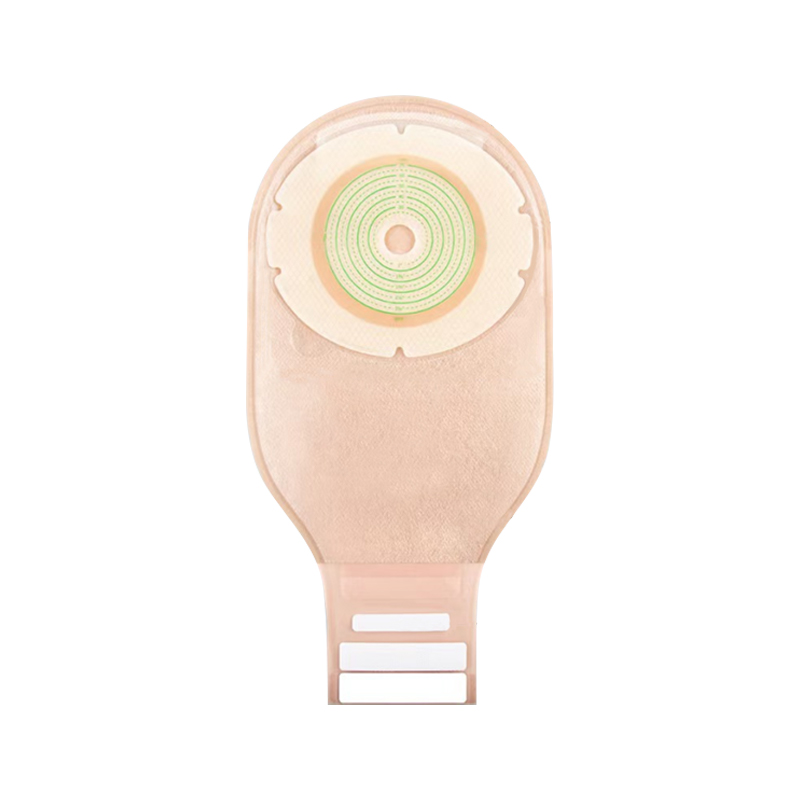 Soft Waterproof and Odor Control Ostomy Pouch
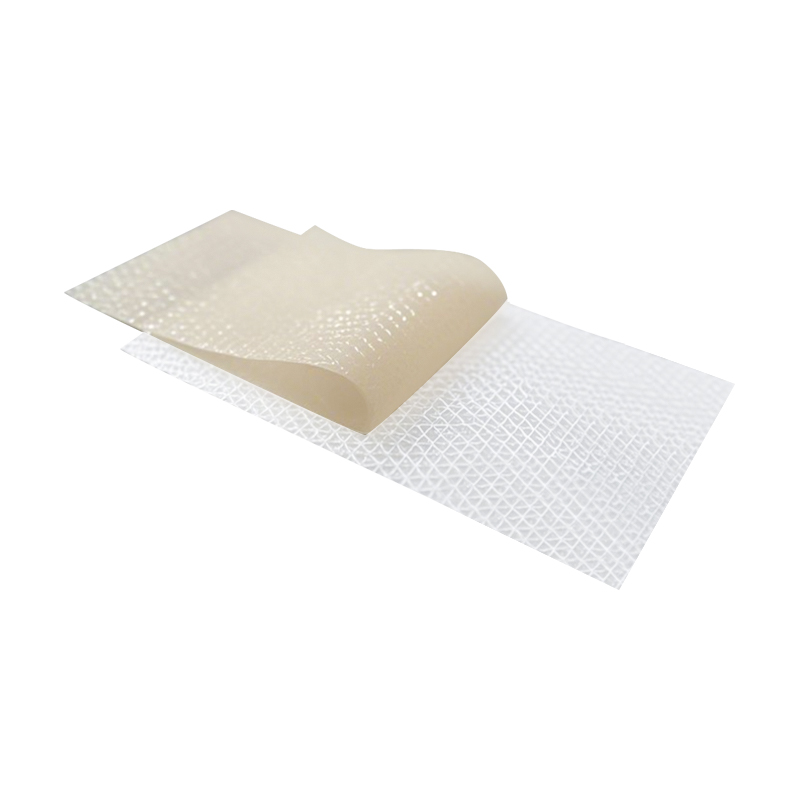 Widely Used Waterproof And Dustproof Silicone Scar Sheets
 Hypoallergenic Breathable Waterproof Ear Patches
 Strong Adhesive And Drug-Free Anti-Snoring Patch
 Long-Lasting Mosquito Repellent, Safe And Gentle Mosquito Repellent Stickers
 Soothing And Anti-Itching, Mild And Hypoallergenic Soothing Sticker
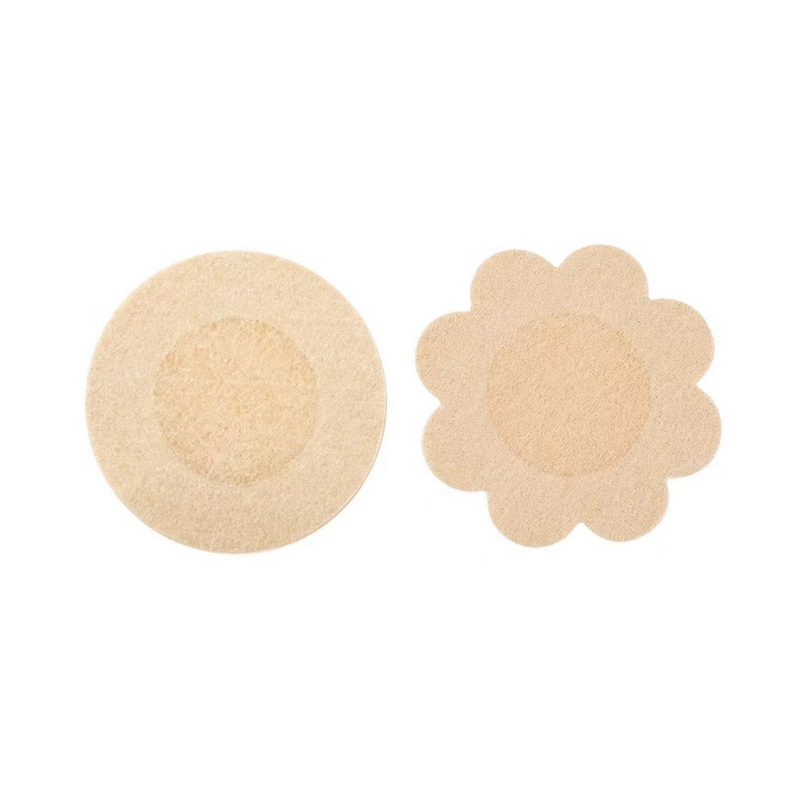 Invisible Non-Slip And Sweat-Proof Nipple Covers
 Portable Design And Reusable Ventilation Nose Strips
 Breathable Comfort Fit Swimming Private Patches
 Strong Adhesion Waterproof And Sweatproof Anti-Exposure Stickers
Copyright © 2024 by Wuxi Xindi Medical Technology Co., Ltd. All Rights Reserved.
medical adhesive tapes manufacturers