
 English
 中文简体
中文简体 日本語
日本語 عربى
عربى русский
 Español
News
Xindi can provide customers with personalized, high-quality products and services to meet the needs of different markets and customers.
Content
Sports injuries are among the most common physical complaints affecting athletes at every level, from recreational weekend participants to elite professional competitors. They occur as a result of acute trauma—a sudden impact, fall, or awkward movement—or through repetitive overuse that gradually breaks down tissue over time. Common examples include ankle sprains, knee ligament strains, muscle tears, tendon injuries, and joint contusions. What distinguishes sports injuries from other types of trauma is the context in which they occur: the affected person is typically physically active, motivated to return to training quickly, and at risk of reinjury if the damaged tissue is not adequately protected during the healing process.
This is precisely where sports bandages play a critical and often irreplaceable role. Unlike rest alone, which provides no mechanical protection to injured tissue, or rigid splinting, which immobilizes a joint completely, sports bandages occupy a practical middle ground. They provide targeted compression, support, and protection while allowing controlled, functional movement—a combination that aligns with the physiological requirements of tissue healing and the practical needs of the injured athlete. Understanding why sports injuries specifically require bandaging means understanding both what happens inside the body when injury occurs and what bandaging does to modify and support that process.
When soft tissue is injured, the body's immediate response is inflammation—a cascade of vascular and cellular events designed to remove damaged tissue and initiate repair. Blood vessels in the injured area dilate, increasing blood flow, while capillary permeability increases, allowing fluid to leak into the surrounding tissue. The result is the characteristic swelling, warmth, redness, and pain that follows a sprain, strain, or contusion. While this inflammatory response is a necessary part of healing, excessive swelling is counterproductive: it increases pressure within the tissue compartment, restricts circulation, causes pain that limits movement, and can physically slow the infiltration of repair cells into the injury site.
Sports bandages address this problem directly through compression. When a bandage is applied correctly over an injured area, it increases the external pressure on the tissue, which counteracts the internal pressure caused by fluid accumulation. This mechanical compression limits the space available for swelling to develop and encourages excess interstitial fluid to drain back into the lymphatic system rather than pooling in the tissue. Studies in sports medicine have consistently shown that early compression applied within the first 10 to 30 minutes of injury significantly reduces the volume of swelling compared to uncompressed injuries, and that reduced swelling correlates with faster functional recovery and earlier return to activity.
The standard first-aid approach to acute soft tissue injury is encapsulated in the PRICE protocol—Protection, Rest, Ice, Compression, and Elevation. Compression, delivered by a sports bandage, is the "C" in this protocol and is considered one of the most effective interventions available in the immediate post-injury period. When combined with elevation (raising the injured limb above heart level to use gravity to assist fluid drainage) and ice (which causes local vasoconstriction, further limiting fluid leakage from blood vessels), compression bandaging forms part of a coordinated strategy that targets swelling from multiple directions simultaneously.
Many sports injuries involve damage to the passive stabilizing structures of a joint—the ligaments and joint capsule—that normally prevent excessive or abnormal movement. A sprained ankle, for example, involves stretching or tearing of the lateral ligament complex, which ordinarily resists inversion (rolling inward) of the ankle. Once these ligaments are damaged, the joint becomes mechanically unstable: it can move beyond its normal range in the direction that the ligaments were protecting, which both perpetuates the injury and creates a significant risk of reinjury with every step taken on the affected foot.
Sports bandages—particularly rigid zinc oxide tape or semi-rigid cohesive bandages applied using specific techniques—provide external mechanical support that partially compensates for the lost ligamentous restraint. By limiting the range of joint motion in the direction of instability while permitting normal functional movement in other directions, a correctly applied bandage allows the athlete to bear weight, walk, and eventually return to graduated training while the ligament heals. This functional support approach has been shown to produce equivalent or superior long-term outcomes compared to immobilization in plaster for many Grade I and Grade II ligament sprains, because controlled movement stimulates collagen remodeling and maintains proprioceptive function.
Beyond mechanical support, sports bandages contribute to joint stability through an additional mechanism: enhanced proprioceptive feedback. Proprioception is the body's sense of joint position in space, mediated by sensory receptors in the skin, joint capsule, and ligaments. When ligaments are damaged, proprioceptive signaling from the injured joint is impaired, which slows the reflexive muscle activation that normally stabilizes a joint against unexpected forces. The skin contact and gentle pressure provided by a sports bandage stimulates cutaneous mechanoreceptors, partially compensating for the lost proprioceptive input and improving the athlete's unconscious ability to stabilize the injured joint during movement.
An injured muscle, tendon, or ligament is significantly more vulnerable to further damage than healthy tissue. The partial disruption of fiber architecture that characterizes a Grade I or Grade II injury reduces the load-bearing capacity of the structure, meaning that forces which would be safely tolerated by intact tissue can cause additional tearing in the already-injured area. This is why athletes who continue training on an unprotected sprain so frequently convert a minor injury into a more serious one—and why the protection function of sports bandaging is so clinically important.
By limiting movement to a safe range and providing a physical barrier against direct contact trauma, sports bandages reduce the mechanical stress imposed on injured tissue during the vulnerable early healing phase. In contact sports such as rugby, football, and basketball, where the risk of reinjury from external impact is high, the protective function of bandaging may be as important as its compression and support functions. Padding incorporated into bandage constructions or applied under a compression wrap provides additional protection against direct blows to bruised or swollen areas.
Sports bandages are not a single product category but a family of materials with distinct mechanical properties suited to different injury types, body regions, and stages of recovery. Selecting the correct bandage type for a specific injury is as important as applying it correctly, and understanding the differences between available options allows athletes and therapists to make informed choices.
| Bandage Type | Key Properties | Best Application |
| Rigid Zinc Oxide Tape | Non-stretch, high rigidity, strong adhesion | Joint stabilization, ankle and wrist taping |
| Cohesive Elastic Bandage | Self-adhesive, flexible, conforming | Compression wrapping, muscle support |
| Elastic Adhesive Bandage (EAB) | Stretch with adhesive backing, moderate rigidity | Combined support and compression |
| Kinesiology Tape | High elasticity, skin-like stretch, lightweight | Muscle facilitation, lymphatic drainage support |
| Compression Bandage (Crepe) | Moderate elasticity, reusable, comfortable | Acute swelling management, post-injury PRICE |
The rehabilitation phase following a sports injury involves a graduated progression from rest and passive treatment through active rehabilitation exercises and eventually back to full sports participation. Throughout this continuum, sports bandages serve an evolving but consistently important role. In the early rehabilitation phase, compression bandaging manages residual swelling while the athlete begins range-of-motion exercises. As strength and proprioception improve, supportive taping allows the athlete to progress to weight-bearing activities and sport-specific drills with reduced risk of reinjury.
Preventive taping and bandaging during the return-to-sport phase is supported by substantial evidence in sports medicine literature. Studies of ankle taping in athletes who have previously suffered sprains consistently show reduced rates of reinjury during taped training and competition compared to untaped activity. This protective effect is thought to result from a combination of the mechanical range-of-motion restriction provided by the tape and the enhanced proprioceptive signaling it generates, both of which reduce the probability of the joint moving into a position where reinjury would occur.
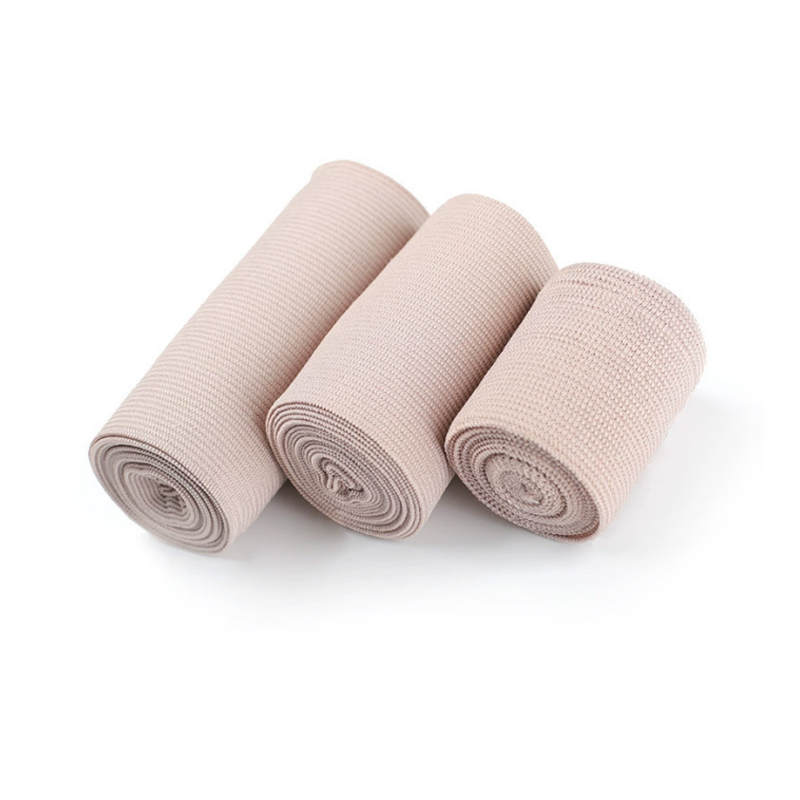
The benefits of sports bandages are not exclusively physiological. The psychological dimension of injury recovery is increasingly recognized as a significant factor in return-to-sport outcomes, and sports bandages contribute positively to this aspect of rehabilitation as well. Athletes who have experienced a significant injury often develop anxiety about reinjury—sometimes called kinesiophobia—that causes them to move protectively, avoid loading the injured limb, or withdraw from sport entirely even after physical recovery is complete. This fear-avoidance behavior can prolong functional impairment well beyond the period of actual tissue damage.
The application of a sports bandage or supportive tape provides a tangible, physical signal of protection that many athletes find reassuring. Knowing that the joint is supported allows the athlete to move with greater confidence, take on rehabilitation challenges with less apprehension, and ultimately progress through the return-to-sport continuum more rapidly. While this effect is partly psychological, its functional consequences are real: an athlete who moves with confidence and full commitment recruits muscles more effectively, loads tissue more appropriately, and regains functional performance faster than one who moves tentatively out of fear.
The benefits of sports bandaging are fully realized only when the bandage is applied correctly. An incorrectly applied bandage—too tight, too loose, applied in the wrong direction, or covering the wrong anatomical structures—can not only fail to provide the intended benefits but can actively cause harm. Excessive compression that restricts arterial blood flow can cause ischemia; a bandage that is too loose provides no useful compression or support; tape applied in the wrong direction for the injury pattern does not limit the problematic movement.
Sports bandages represent one of the most practical and evidence-supported tools available for managing sports injuries from the moment of acute trauma through to full return to sport. Their ability to simultaneously address swelling, provide mechanical support, protect vulnerable tissue, enhance proprioception, and support athlete confidence makes them an essential component of any comprehensive sports injury management strategy—one that no athlete, coach, or sports medicine professional should overlook.
 Absorbent, Moisturizing And Non-Irritating Hydrocolloid Acne Patch
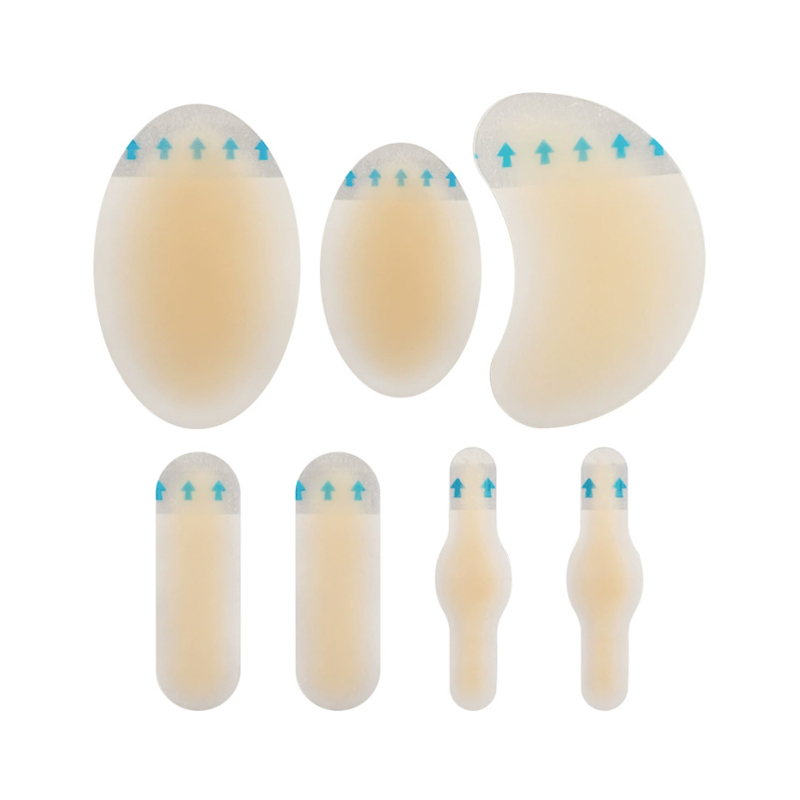 Cushioning, Pressure Reducing, Breathable And Comfortable Heel Patch
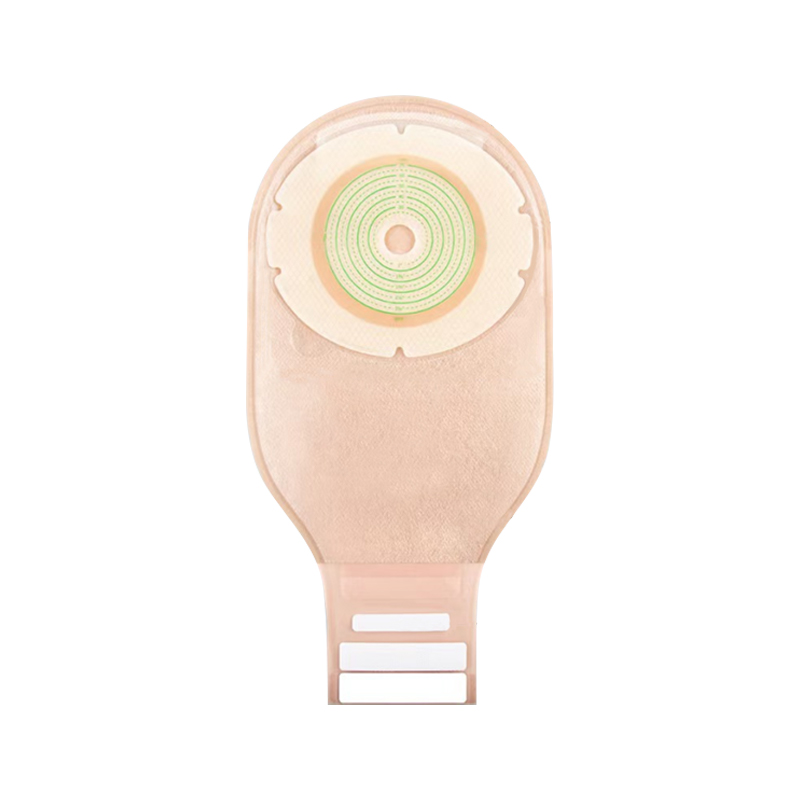 Soft Waterproof and Odor Control Ostomy Pouch
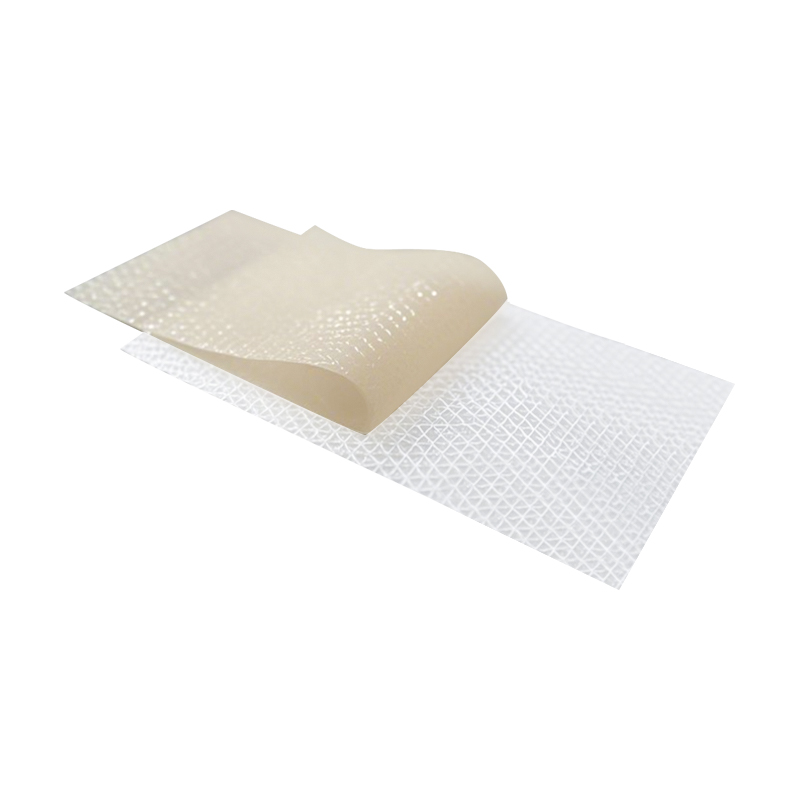 Widely Used Waterproof And Dustproof Silicone Scar Sheets
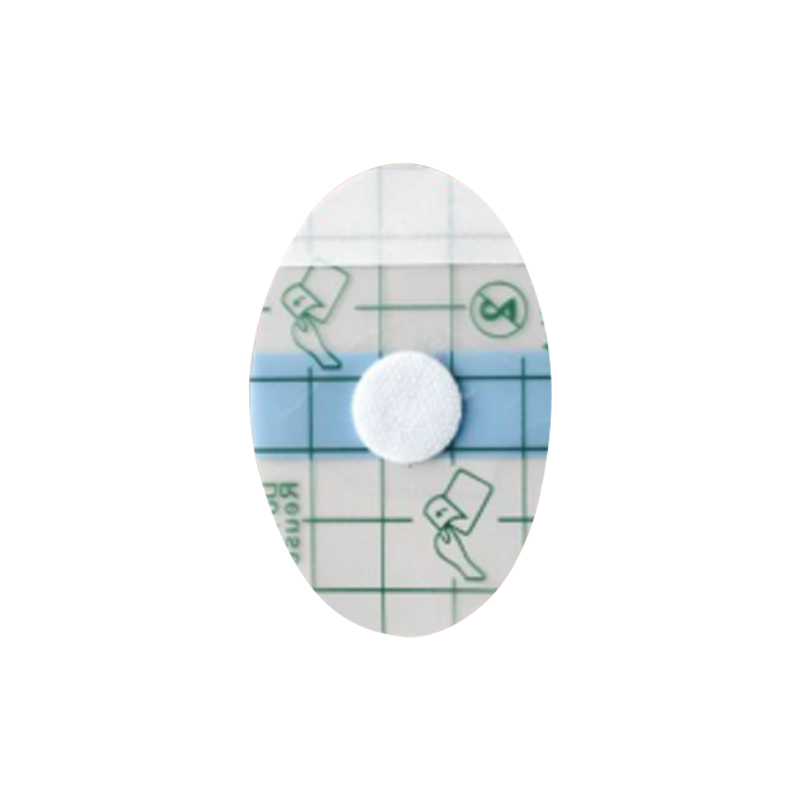 Hypoallergenic Breathable Waterproof Ear Patches
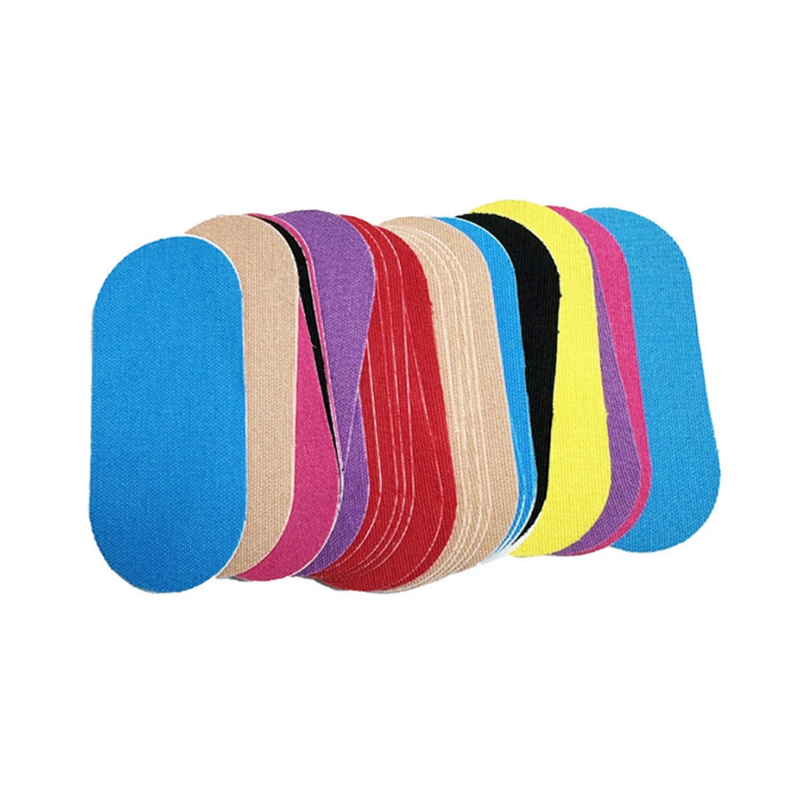 Strong Adhesive And Drug-Free Anti-Snoring Patch
 Long-Lasting Mosquito Repellent, Safe And Gentle Mosquito Repellent Stickers
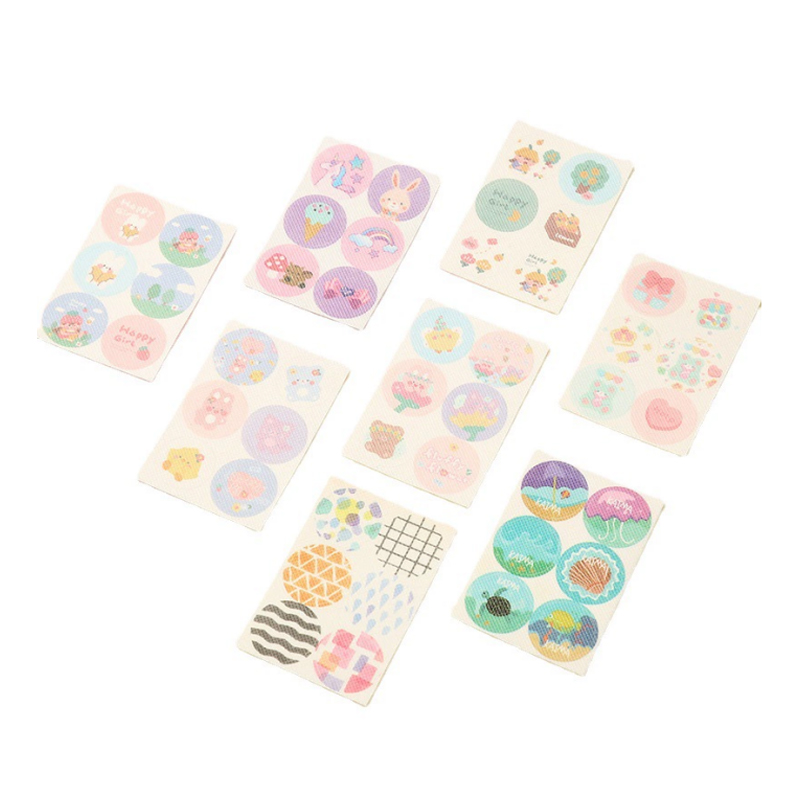 Soothing And Anti-Itching, Mild And Hypoallergenic Soothing Sticker
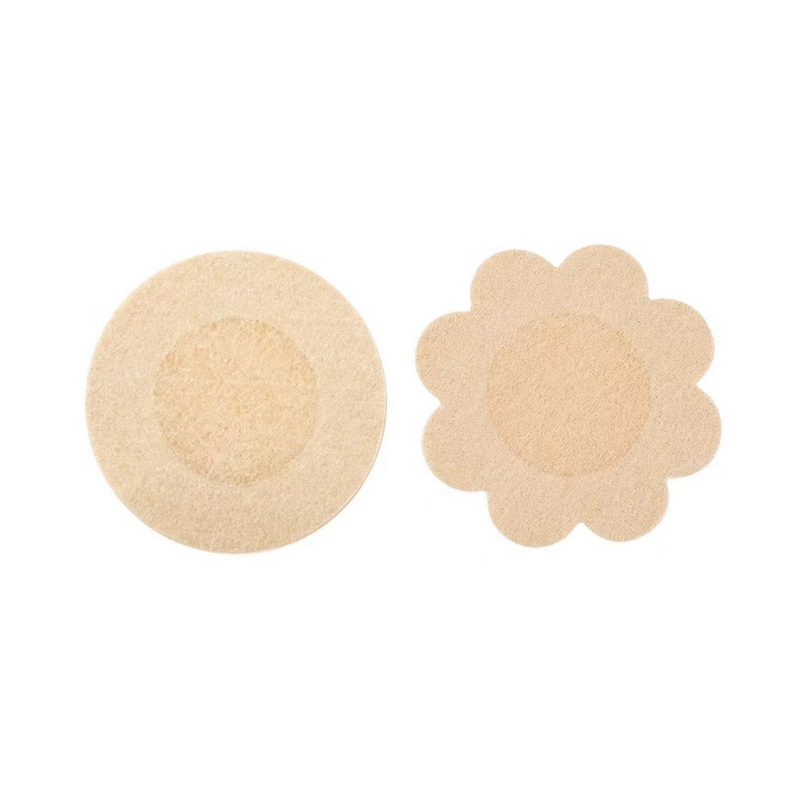 Invisible Non-Slip And Sweat-Proof Nipple Covers
 Portable Design And Reusable Ventilation Nose Strips
 Breathable Comfort Fit Swimming Private Patches
 Strong Adhesion Waterproof And Sweatproof Anti-Exposure Stickers
Copyright © 2024 by Wuxi Xindi Medical Technology Co., Ltd. All Rights Reserved.
medical adhesive tapes manufacturers