
 English
 中文简体
中文简体 日本語
日本語 عربى
عربى русский
 Español
News
Xindi can provide customers with personalized, high-quality products and services to meet the needs of different markets and customers.
When it comes to protecting and healing blisters, cracked heels, or dry skin on the feet, two common options are hydrocolloid heel patches and traditional adhesive bandages. At first glance, they may seem similar — both are designed to cover wounds and protect the skin from friction or infection. However, the materials, healing mechanisms, and user experience of these two products are quite different. Hydrocolloid heel patches represent an advanced approach to wound care, offering moisture management, cushioning, and enhanced healing properties that go far beyond those of regular adhesive bandages.
Content
The most fundamental difference lies in their material composition.
Hydrocolloid Heel Patches are made from hydrocolloid gel materials such as carboxymethylcellulose (CMC), pectin, or gelatin. These compounds form a soft, flexible, and absorbent layer that interacts actively with wound exudate. When the hydrocolloid material absorbs fluid, it transforms into a gel-like substance that creates a moist healing environment.
Traditional Adhesive Bandages, on the other hand, typically consist of a non-woven or plastic backing, an adhesive layer, and a dry absorbent pad made of cotton or cellulose. These materials primarily serve to keep the wound covered and dry but do not interact dynamically with the skin or wound fluid.
In essence, hydrocolloid patches are designed to promote biological healing, while traditional bandages mainly provide mechanical protection.
The healing mechanism of hydrocolloid heel patches is based on the principle of moist wound healing, whereas traditional bandages operate through dry healing.
This difference in wound environment explains why hydrocolloid patches are often preferred for blister care, cracked heels, and shallow skin abrasions.
One of the biggest advantages of hydrocolloid heel patches is their superior cushioning and comfort, especially in areas prone to friction such as the heel.
For people dealing with heel blisters or calloused skin, the enhanced comfort of hydrocolloid patches is a clear benefit.
Hydrocolloid heel patches are designed to retain moisture and maintain a stable healing environment. Their semi-occlusive structure keeps the wound moist while still allowing limited gas exchange.
Traditional adhesive bandages tend to absorb moisture and dry out quickly, which may cause the wound bed to dehydrate. Once dry, the bandage’s absorbent pad can stick to the wound surface, leading to pain and possible tissue damage when removed.
Hydrocolloid patches therefore provide a more balanced healing condition — retaining just enough moisture for cell regeneration while protecting against excess fluid buildup.
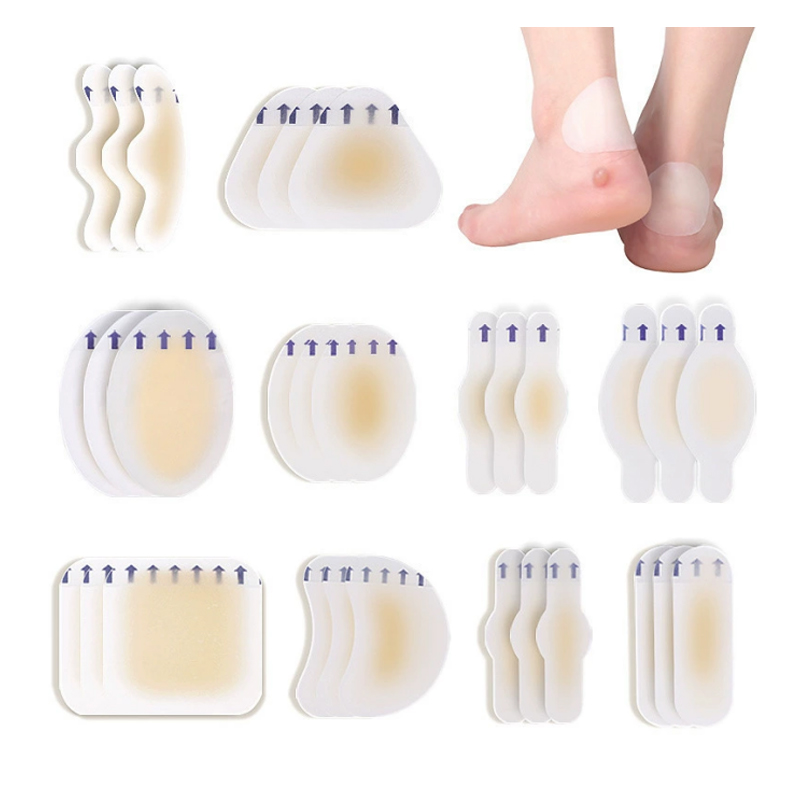
Hydrocolloid patches are often transparent or skin-toned, making them less noticeable on the foot. This aesthetic advantage allows users to wear them discreetly, even with open-back shoes or sandals.
Traditional bandages usually have a cloth or opaque plastic appearance, which may stand out on the skin. Their visibility and less flexible structure can make them less suitable for use in visible or high-mobility areas like the heel.
Hydrocolloid heel patches are designed for long wear, often lasting from 24 to 48 hours or even longer depending on activity levels and moisture exposure. They adhere strongly yet comfortably to the skin, maintaining their integrity even during bathing or exercise.
In comparison, traditional adhesive bandages need more frequent replacement. Exposure to sweat, water, or movement can cause them to peel off, reducing their protective function. Most standard bandages are not waterproof, making them less practical for active use.
When it comes to removal, hydrocolloid patches offer a gentler experience. The hydrocolloid gel layer does not stick to the wound surface, meaning that when the patch is removed, it usually causes minimal pain and no disruption to new tissue growth.
Traditional bandages, by contrast, often adhere directly to the wound or scab, which can lead to discomfort or even reopen the wound upon removal.
This difference makes hydrocolloid patches particularly suitable for sensitive or damaged skin.
Hydrocolloid heel patches are typically used for:
Traditional adhesive bandages are more general-purpose and can be applied to:
Thus, while traditional bandages serve as a convenient first-aid solution, hydrocolloid heel patches are better suited for active wound healing and prolonged comfort, especially on the feet.
Although hydrocolloid heel patches are more expensive per piece than regular adhesive bandages, they deliver greater therapeutic value through faster healing, less pain, and fewer dressing changes. Over time, this can reduce overall wound care costs, particularly for recurring heel issues or long-term use.
The main differences between hydrocolloid heel patches and traditional adhesive bandages lie in their composition, healing mechanism, and comfort level. Hydrocolloid patches are made from gel-forming materials that create a moist healing environment, promote faster recovery, and reduce pain — all while providing cushioning and long-lasting protection. Traditional bandages, though affordable and easy to apply, primarily serve as short-term covers without active healing benefits.
For anyone dealing with heel blisters, dry skin, or repeated friction injuries, hydrocolloid heel patches offer a more advanced and effective solution, combining modern wound care science with practical comfort.
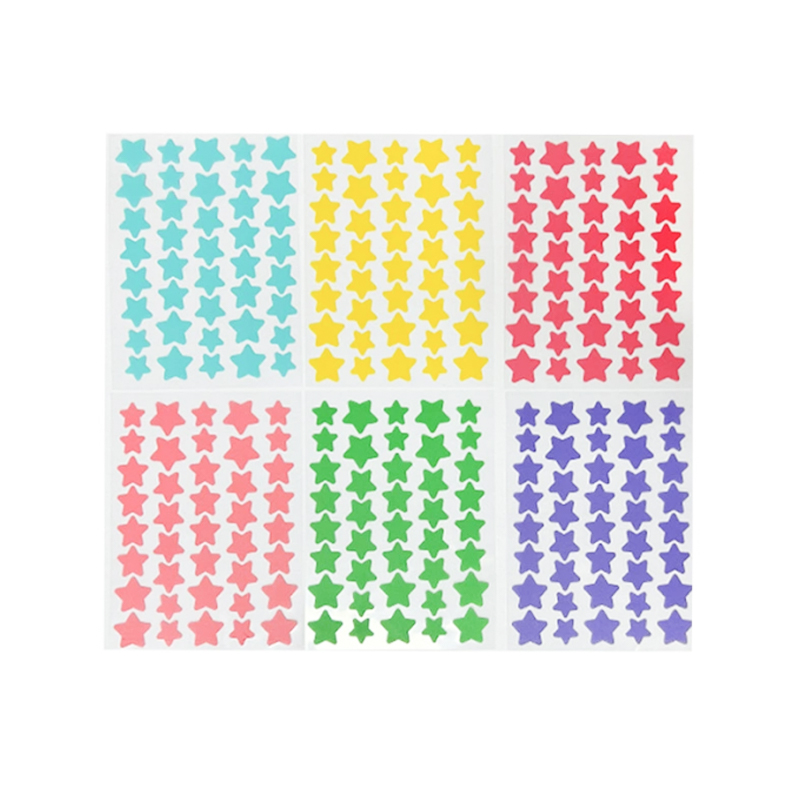 Absorbent, Moisturizing And Non-Irritating Hydrocolloid Acne Patch
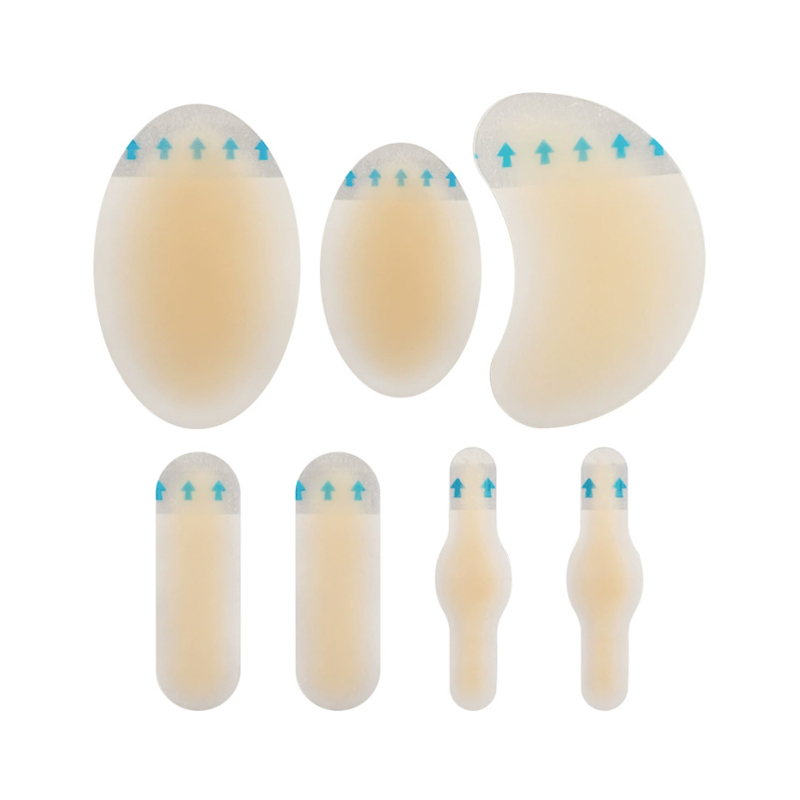 Cushioning, Pressure Reducing, Breathable And Comfortable Heel Patch
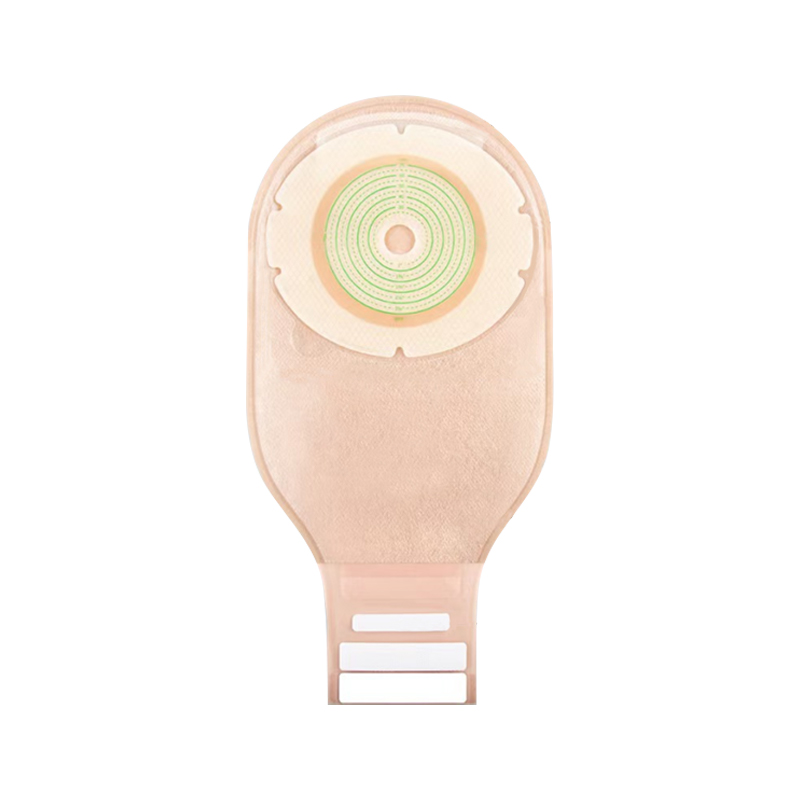 Soft Waterproof and Odor Control Ostomy Pouch
 Widely Used Waterproof And Dustproof Silicone Scar Sheets
 Hypoallergenic Breathable Waterproof Ear Patches
 Strong Adhesive And Drug-Free Anti-Snoring Patch
 Long-Lasting Mosquito Repellent, Safe And Gentle Mosquito Repellent Stickers
 Soothing And Anti-Itching, Mild And Hypoallergenic Soothing Sticker
 Invisible Non-Slip And Sweat-Proof Nipple Covers
 Portable Design And Reusable Ventilation Nose Strips
 Breathable Comfort Fit Swimming Private Patches
 Strong Adhesion Waterproof And Sweatproof Anti-Exposure Stickers
Copyright © 2024 by Wuxi Xindi Medical Technology Co., Ltd. All Rights Reserved.
medical adhesive tapes manufacturers