
 English
 中文简体
中文简体 日本語
日本語 عربى
عربى русский
 Español
News
Xindi can provide customers with personalized, high-quality products and services to meet the needs of different markets and customers.
Living with an ostomy requires proper care and attention to prevent common issues such as leakage. Ostomy bag leakage not only causes discomfort but can also lead to skin irritation, odor, and anxiety in daily life. Fortunately, with the right techniques, appliances, and habits, leaks can be effectively minimized or even eliminated. This article explores practical strategies to prevent ostomy bag leakage and maintain comfort and confidence.
Content
The first step in preventing leaks is selecting an ostomy system that fits your stoma and body shape properly. Every stoma is unique in size, shape, and output type, and choosing a pouching system that matches these characteristics is essential.
The skin around the stoma (peristomal skin) plays a key role in maintaining a secure seal. Any residue, oil, or moisture can reduce adhesion and increase the risk of leaks.
Even a small gap between the stoma and the barrier opening can lead to leakage. Always check that the wafer fits snugly around the stoma without pressing on it.
Different output types—liquid, pasty, or solid—affect wear time. High liquid output may erode the adhesive faster, leading to leaks.
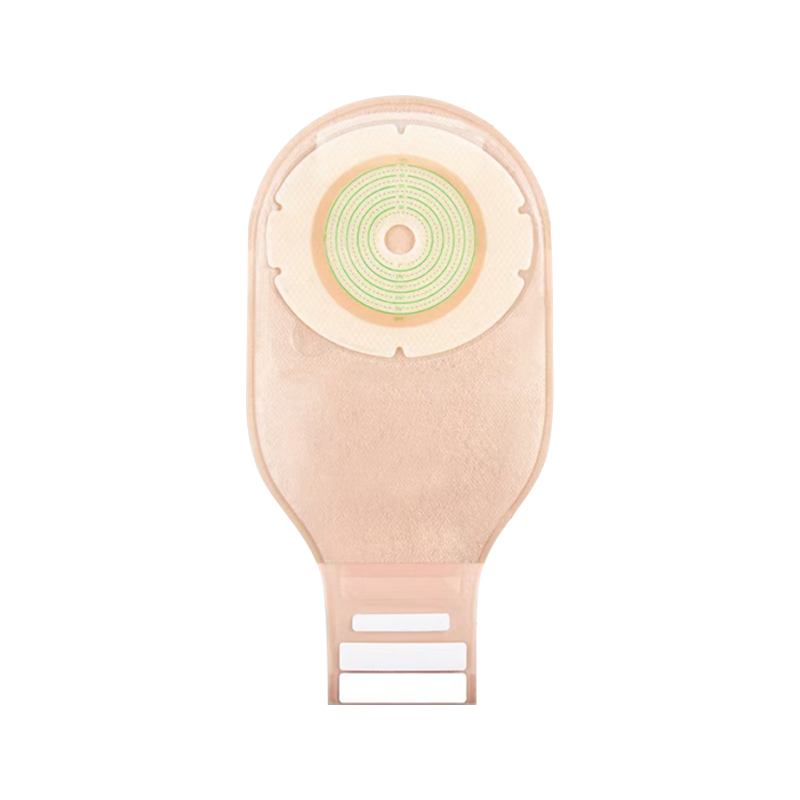
Accessories can provide extra protection and support the main barrier’s performance.
Excessive stretching, sweating, or tight clothing can affect adhesion and comfort.
If the skin under the barrier becomes red, itchy, or moist, it may be a sign of leakage or sensitivity. Addressing this early can prevent larger issues.
Establishing a consistent ostomy care routine helps maintain skin health and confidence. Change the pouch at a time when the stoma is least active—such as early morning before eating or drinking—and always prepare your supplies in advance.
If you notice changes in your stoma’s shape, size, or output, reassess your system choice. Weight changes, surgery, or scarring can also affect fit and may require a different appliance style.
Preventing ostomy bag leakage is achievable with the right combination of proper fitting, regular care, and suitable accessories. Paying close attention to skin condition, appliance type, and daily habits can significantly reduce leakage risk and improve quality of life. Consistent communication with a stoma care nurse or healthcare provider is also essential for long-term comfort and security.
 Absorbent, Moisturizing And Non-Irritating Hydrocolloid Acne Patch
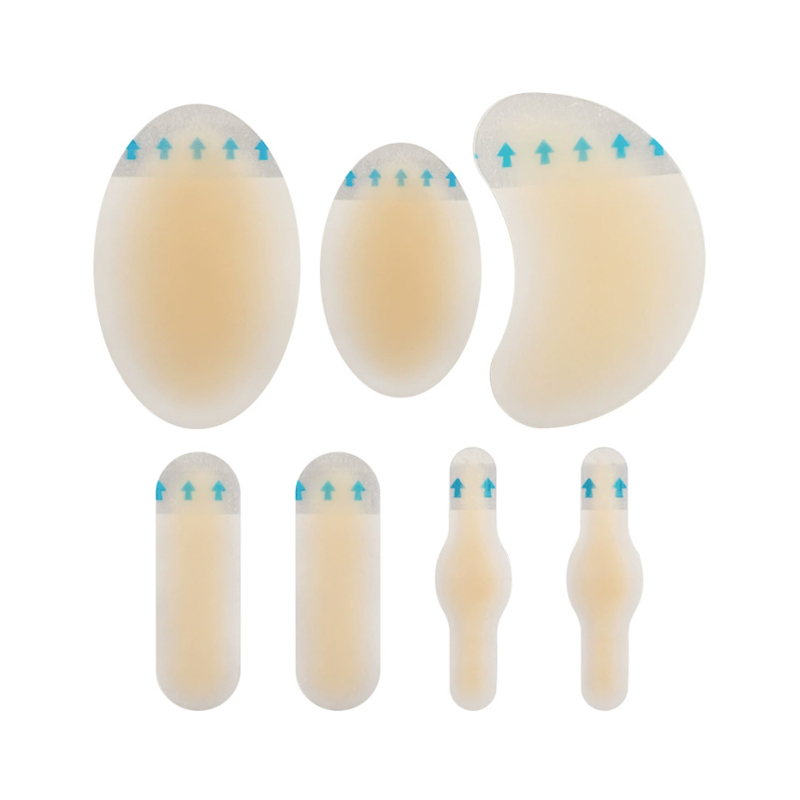 Cushioning, Pressure Reducing, Breathable And Comfortable Heel Patch
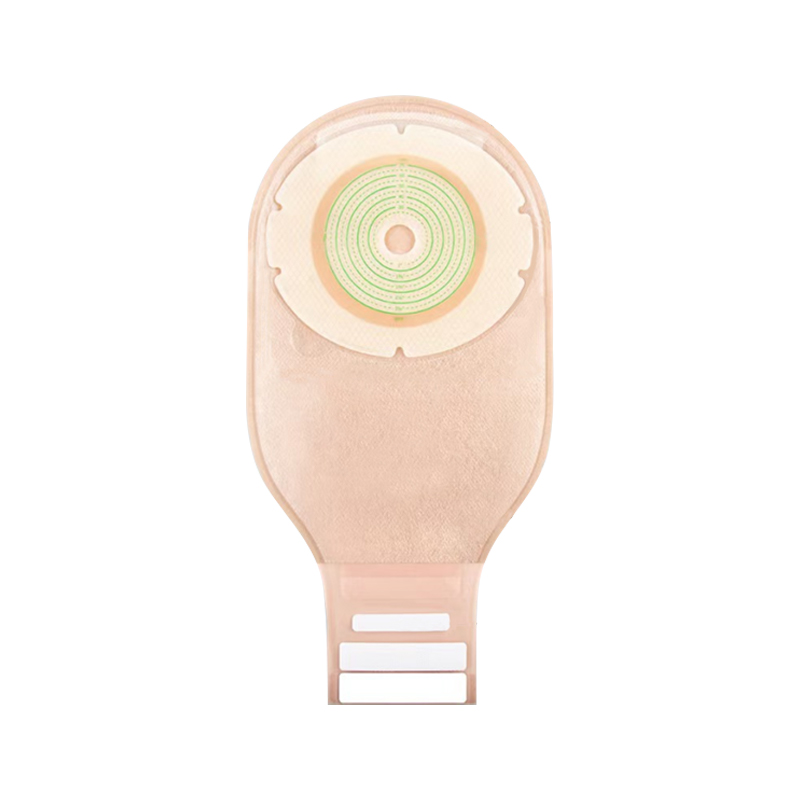 Soft Waterproof and Odor Control Ostomy Pouch
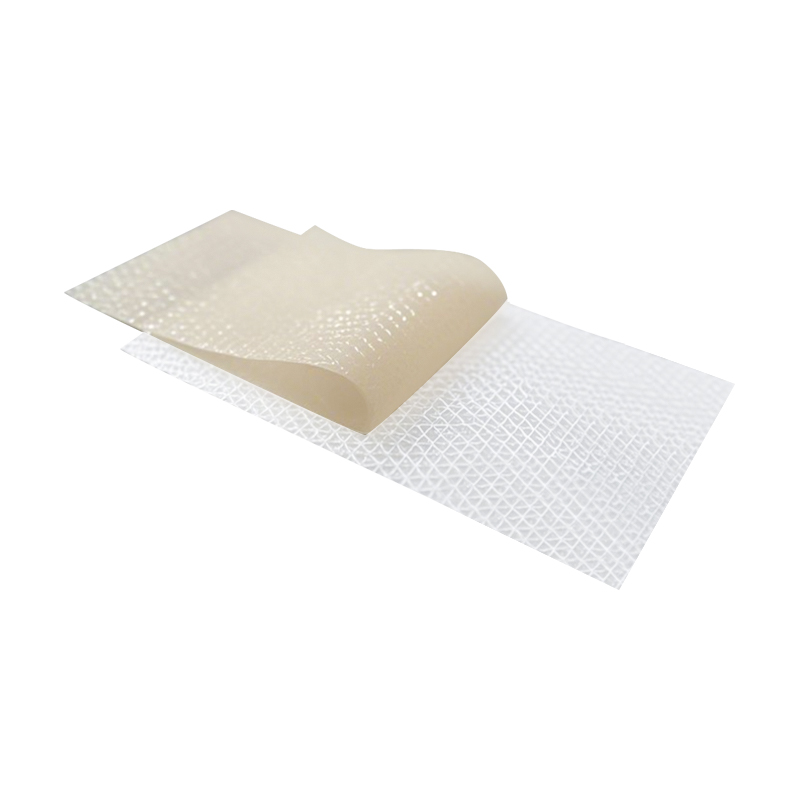 Widely Used Waterproof And Dustproof Silicone Scar Sheets
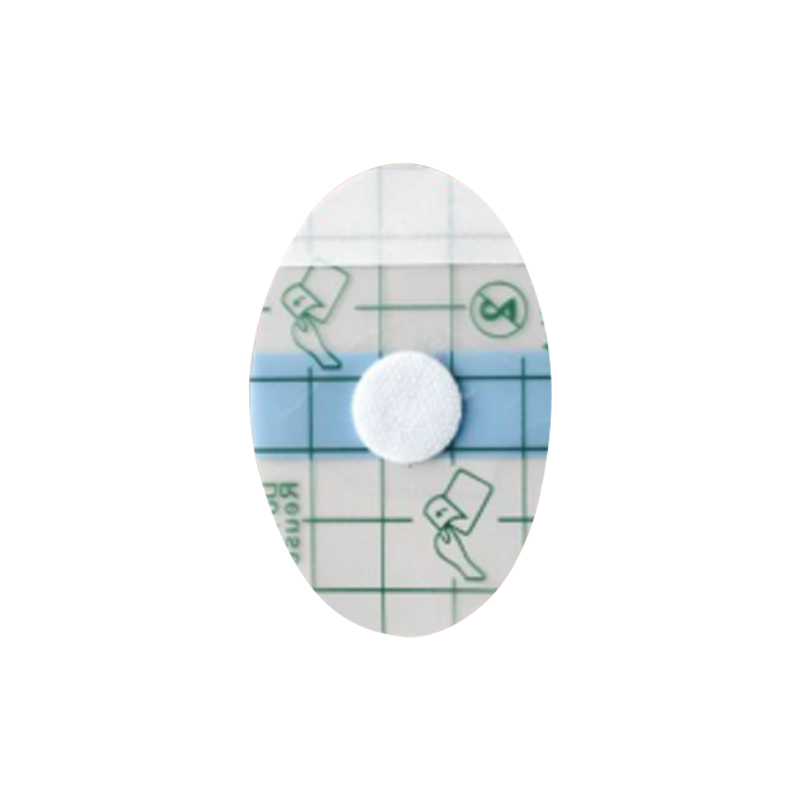 Hypoallergenic Breathable Waterproof Ear Patches
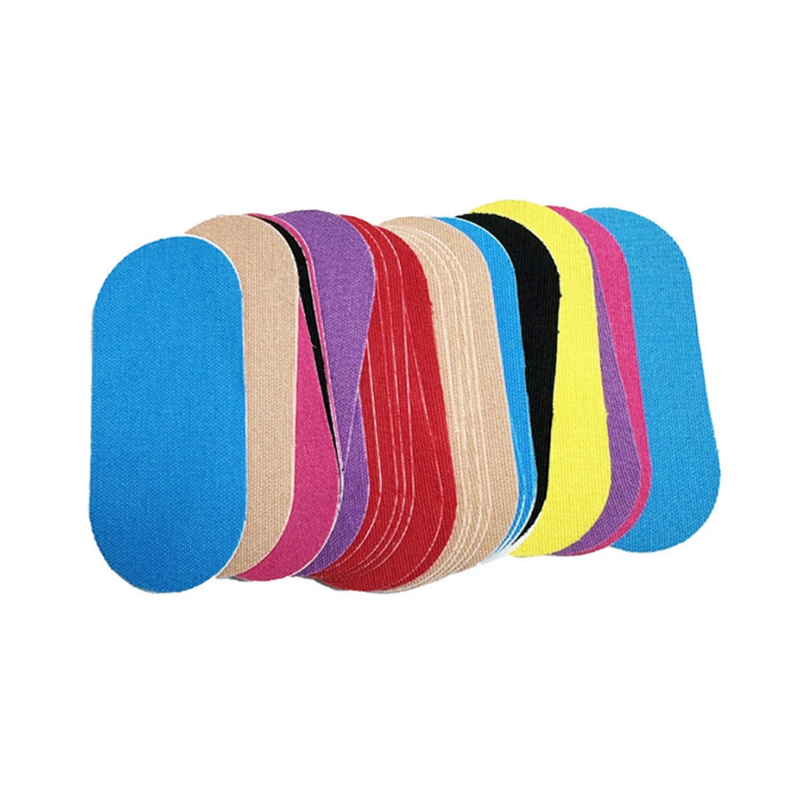 Strong Adhesive And Drug-Free Anti-Snoring Patch
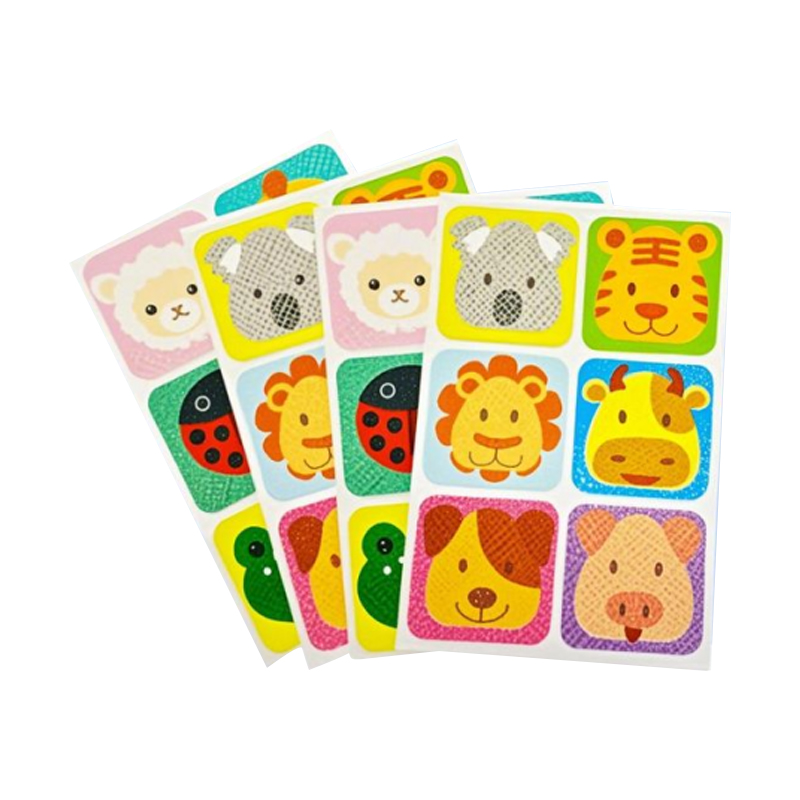 Long-Lasting Mosquito Repellent, Safe And Gentle Mosquito Repellent Stickers
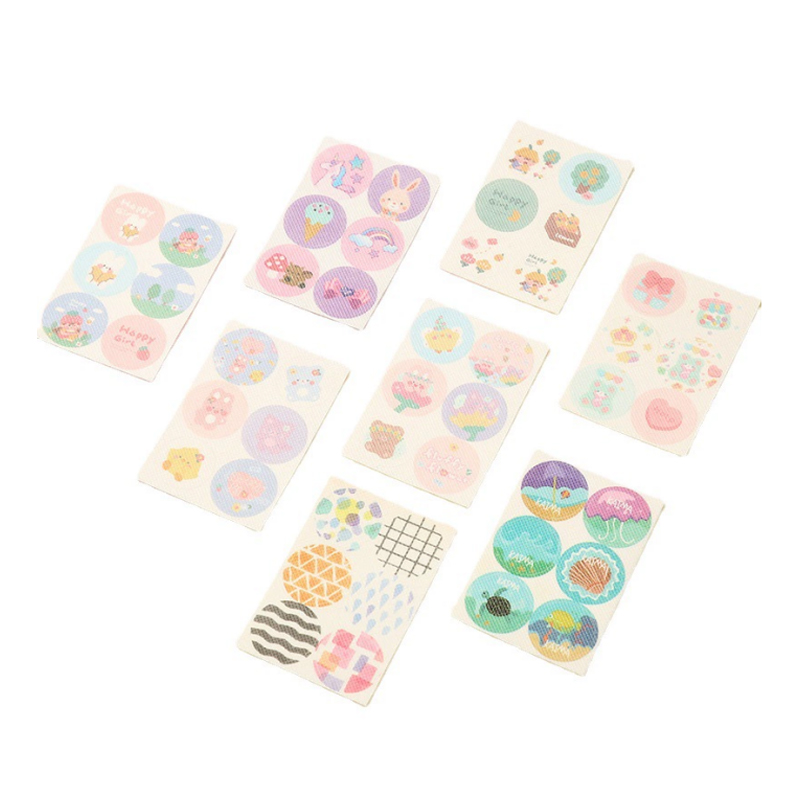 Soothing And Anti-Itching, Mild And Hypoallergenic Soothing Sticker
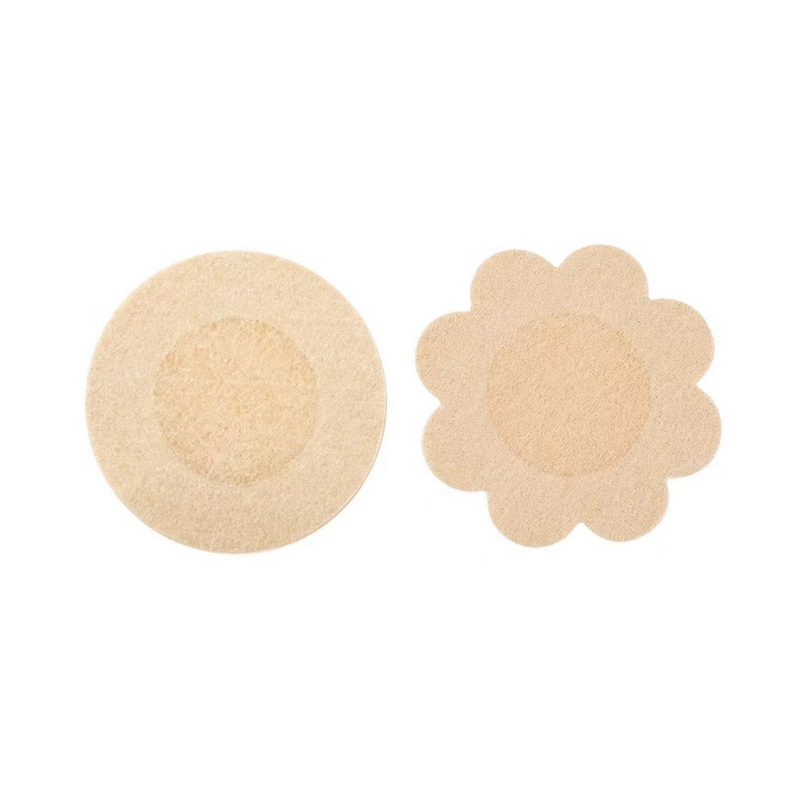 Invisible Non-Slip And Sweat-Proof Nipple Covers
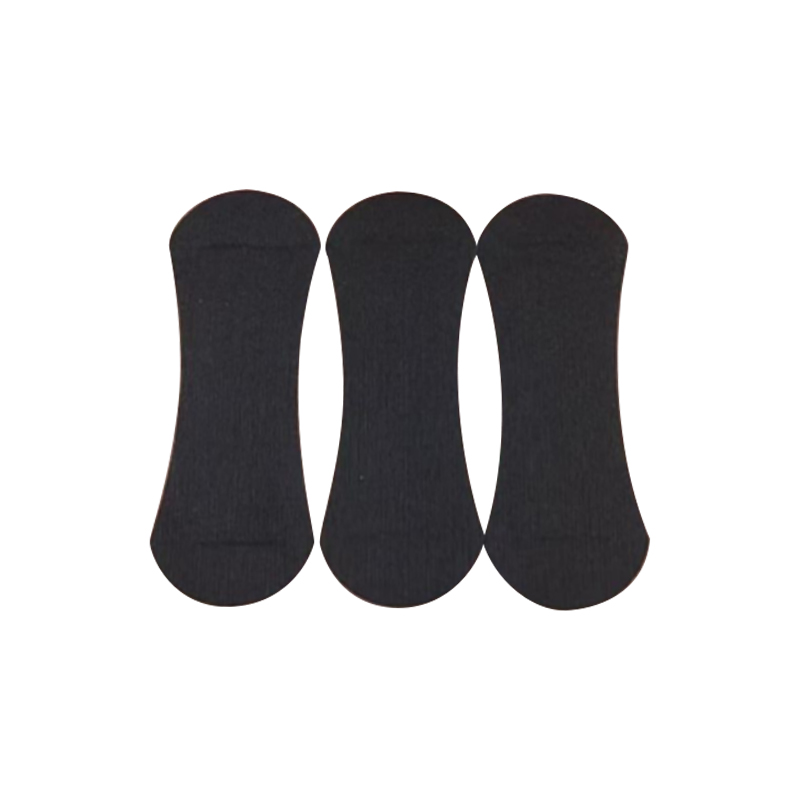 Portable Design And Reusable Ventilation Nose Strips
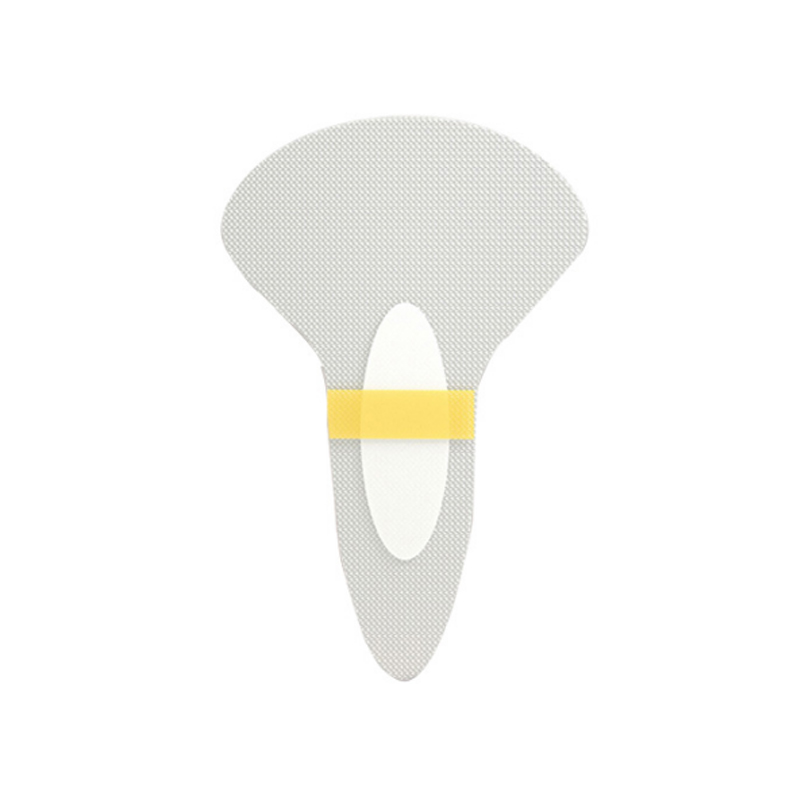 Breathable Comfort Fit Swimming Private Patches
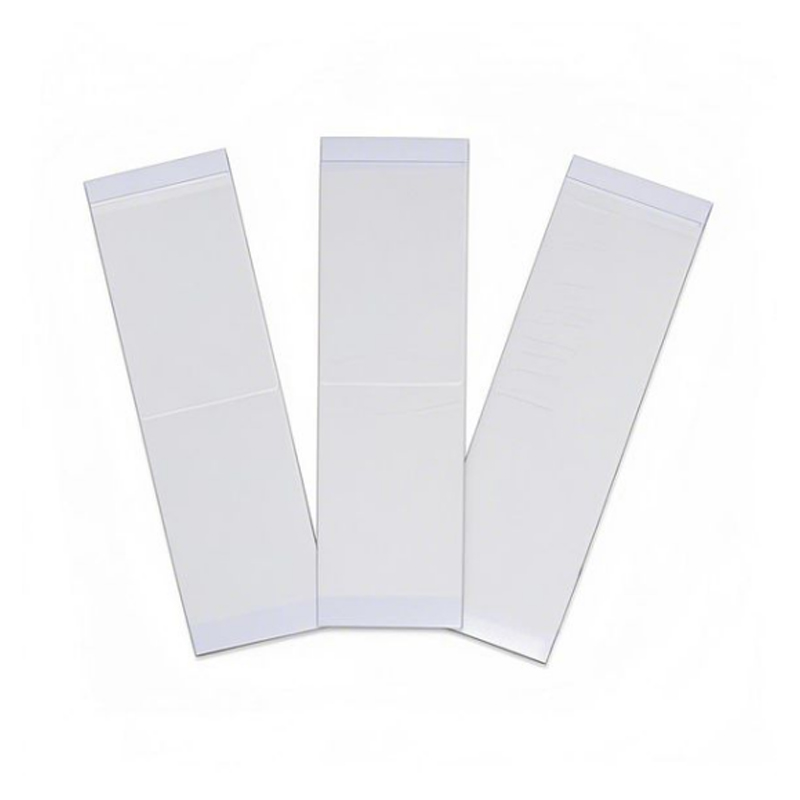 Strong Adhesion Waterproof And Sweatproof Anti-Exposure Stickers
Copyright © 2024 by Wuxi Xindi Medical Technology Co., Ltd. All Rights Reserved.
medical adhesive tapes manufacturers