
 English
 中文简体
中文简体 日本語
日本語 عربى
عربى русский
 Español
News
Xindi can provide customers with personalized, high-quality products and services to meet the needs of different markets and customers.
Dressing patches are a fundamental tool in modern wound care, offering protection, healing support, and convenience for a wide range of injuries. From minor cuts and abrasions to post-surgical incisions, dressing patches play a crucial role in maintaining hygiene, preventing infection, and promoting faster recovery. Their versatility, ease of use, and effectiveness have made them a staple in both medical facilities and home first aid kits.
Content
A dressing patch is a medical-grade adhesive or non-adhesive pad designed to cover wounds, burns, or surgical sites. Typically composed of absorbent layers, protective films, and sometimes medicated materials, dressing patches create a controlled environment that facilitates optimal healing. Some advanced dressing patches also incorporate hydrocolloid, silicone, or antimicrobial components to further enhance recovery outcomes.
Dressing patches vary in size, shape, and thickness to meet different needs. Small, discreet patches are suitable for minor cuts or injections, while larger patches can cover surgical sites, burns, or skin abrasions. Many are designed to conform to body contours, ensuring comfort during movement.
A primary function of dressing patches is to shield wounds from bacteria, dust, and external contaminants. This barrier reduces the risk of infection, which is essential for safe and effective healing.
Modern dressing patches maintain a balanced moisture environment that supports tissue regeneration. By preventing the wound from drying out or becoming overly wet, patches can minimize scarring and accelerate recovery.
Soft, gentle materials in dressing patches reduce friction and irritation on sensitive wounds, which can alleviate pain during movement or daily activities.
Dressing patches are designed for quick application and removal. Adhesive patches stick securely without causing damage to surrounding skin, and many are transparent or skin-colored for discreet use.
Suitable for a variety of injuries, dressing patches can be used for minor cuts, surgical wounds, burns, skin ulcers, or injection sites. Some medicated patches provide additional benefits such as antimicrobial protection or pain relief.
Hydrocolloid Patches – Maintain a moist environment to promote healing and reduce scar formation.
Silicone Dressing Patches – Gentle on skin, ideal for sensitive areas or minimizing scarring.
Antimicrobial Patches – Infused with silver ions or other agents to prevent infection.
Transparent Film Patches – Thin and flexible, allow monitoring of the wound without removing the dressing.
Foam Patches – Absorbent and cushioned, suitable for larger or exuding wounds.
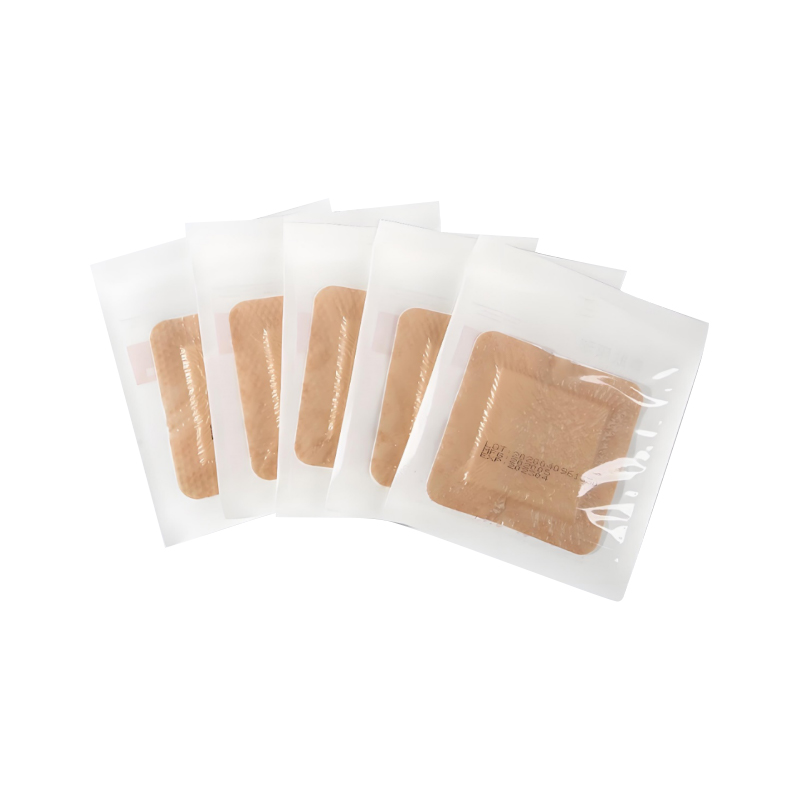
Post-Surgical Care – Covering incisions to protect against bacteria and aid recovery.
Minor Injuries – Treating cuts, scrapes, and abrasions in everyday life.
Burns – Specialized patches provide cooling and protection to sensitive burn areas.
Skin Conditions – Patches can support healing of ulcers, rashes, or dermatological procedures.
Cosmetic Procedures – Used after injections, microneedling, or other aesthetic treatments to minimize irritation and protect the treated area.
Proper application is essential for effectiveness:
When selecting a dressing patch, consider the following factors:
Size and Shape – Should fully cover the wound while remaining comfortable.
Material – Hypoallergenic, breathable materials reduce irritation.
Absorbency – Matches the level of wound exudate.
Adhesion Strength – Strong enough to stay in place but gentle on skin.
Special Features – Medicated or antimicrobial patches for specific healing needs.
Dressing patches provide a balance of protection, comfort, and healing support. By shielding wounds from contamination, maintaining optimal moisture levels, and reducing discomfort, they significantly enhance recovery outcomes. Their convenience and adaptability make them suitable for both professional medical settings and home care.
Dressing patches are a simple yet powerful solution for wound management. From minor cuts to surgical recovery, they protect, support, and accelerate the healing process. With various types available—including hydrocolloid, silicone, foam, and antimicrobial options—there is a dressing patch suitable for virtually any wound type.
For anyone seeking effective wound care, dressing patches combine practicality, safety, and comfort in one product. Their continued innovation ensures that patients and caregivers alike have access to reliable, easy-to-use solutions for faster, safer recovery.
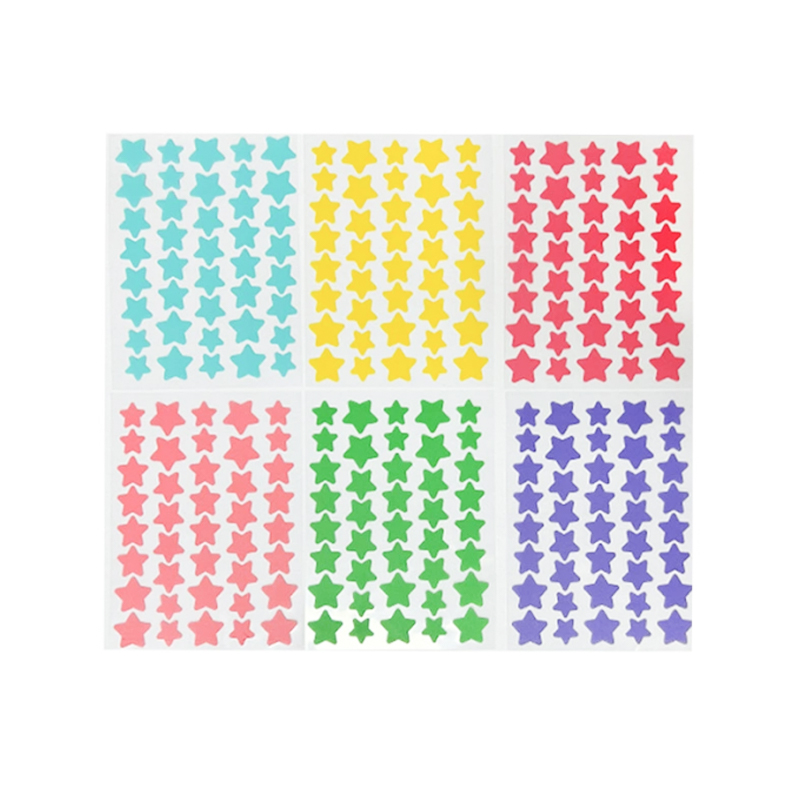 Absorbent, Moisturizing And Non-Irritating Hydrocolloid Acne Patch
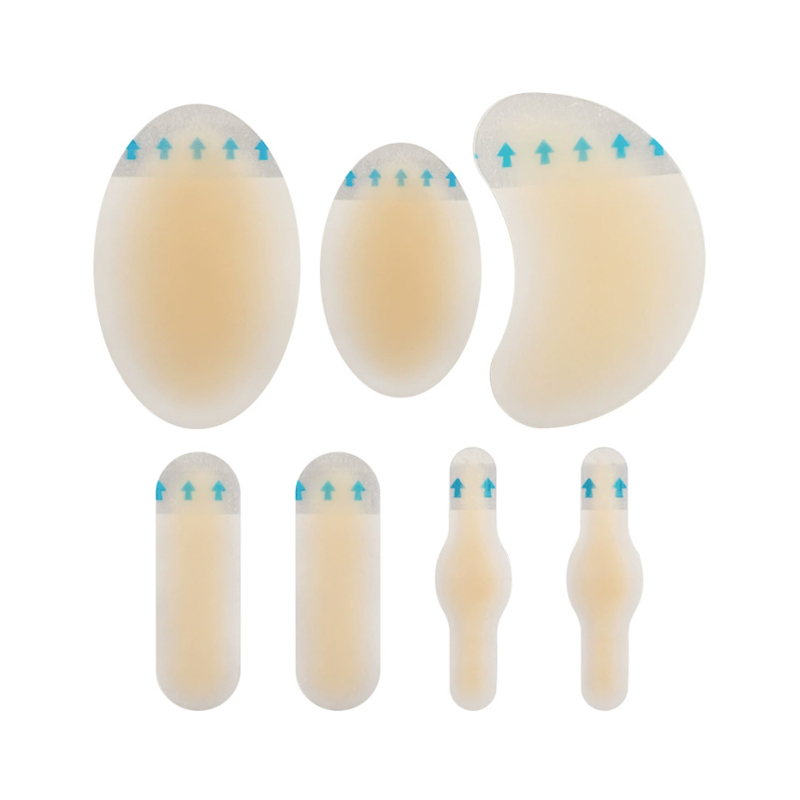 Cushioning, Pressure Reducing, Breathable And Comfortable Heel Patch
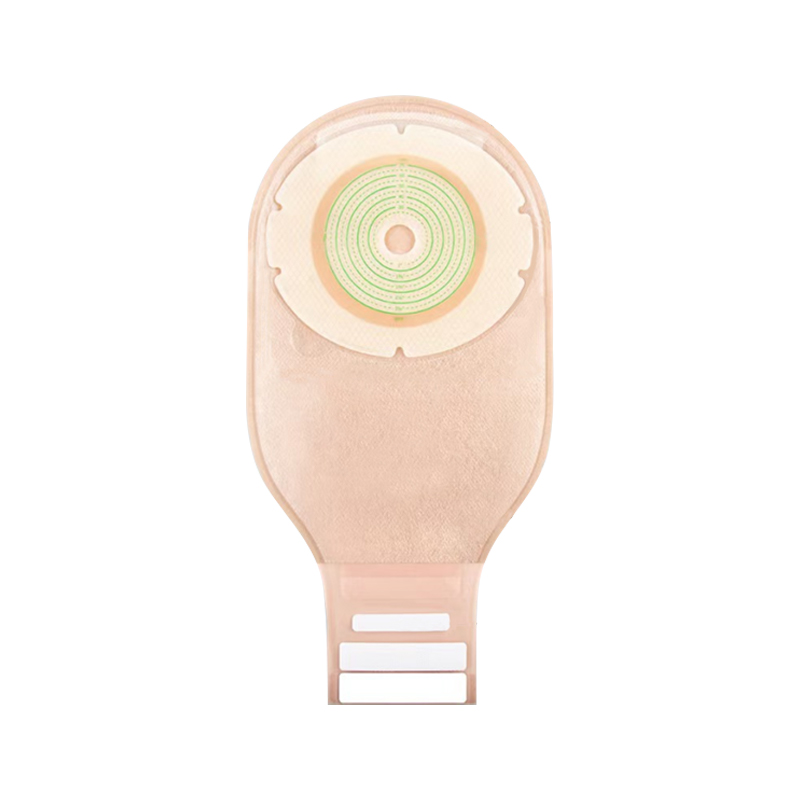 Soft Waterproof and Odor Control Ostomy Pouch
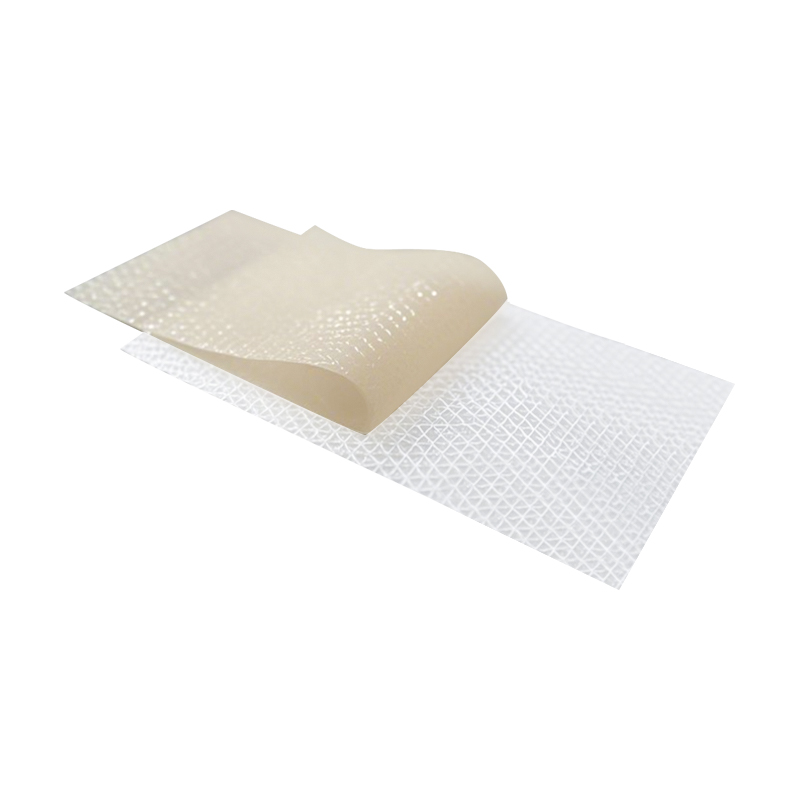 Widely Used Waterproof And Dustproof Silicone Scar Sheets
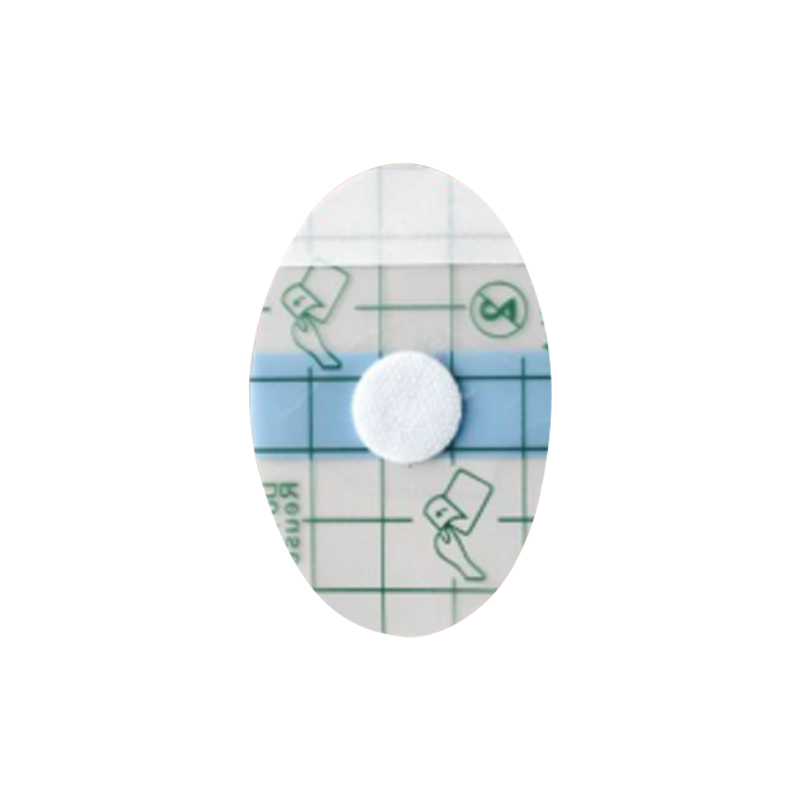 Hypoallergenic Breathable Waterproof Ear Patches
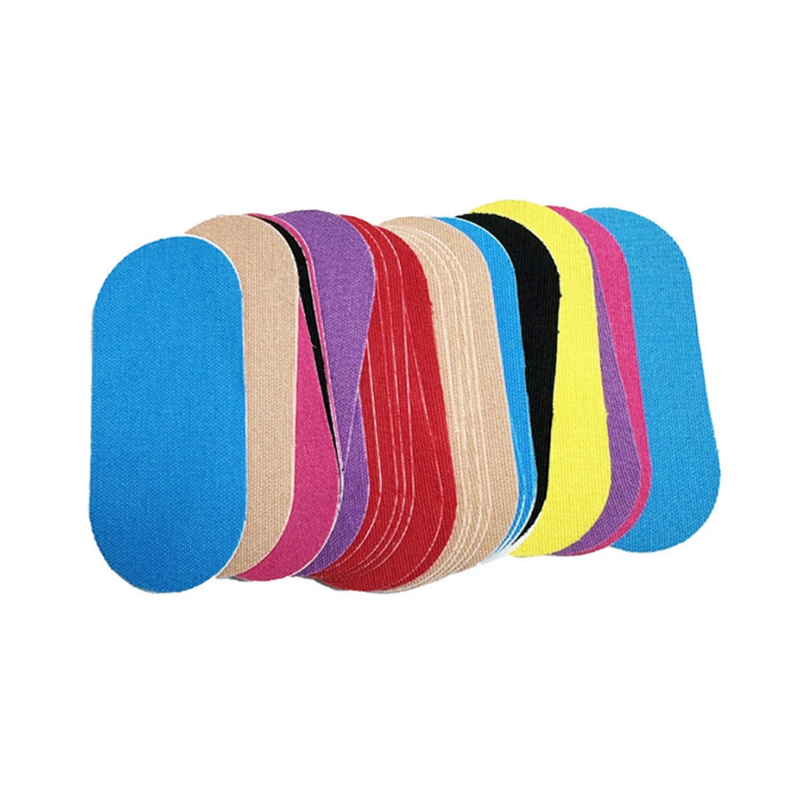 Strong Adhesive And Drug-Free Anti-Snoring Patch
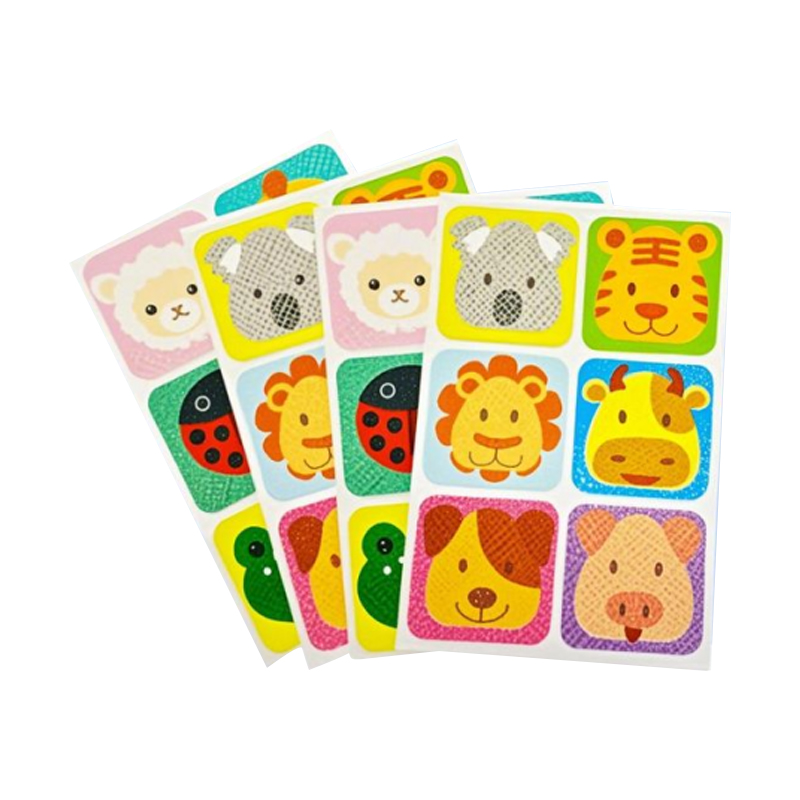 Long-Lasting Mosquito Repellent, Safe And Gentle Mosquito Repellent Stickers
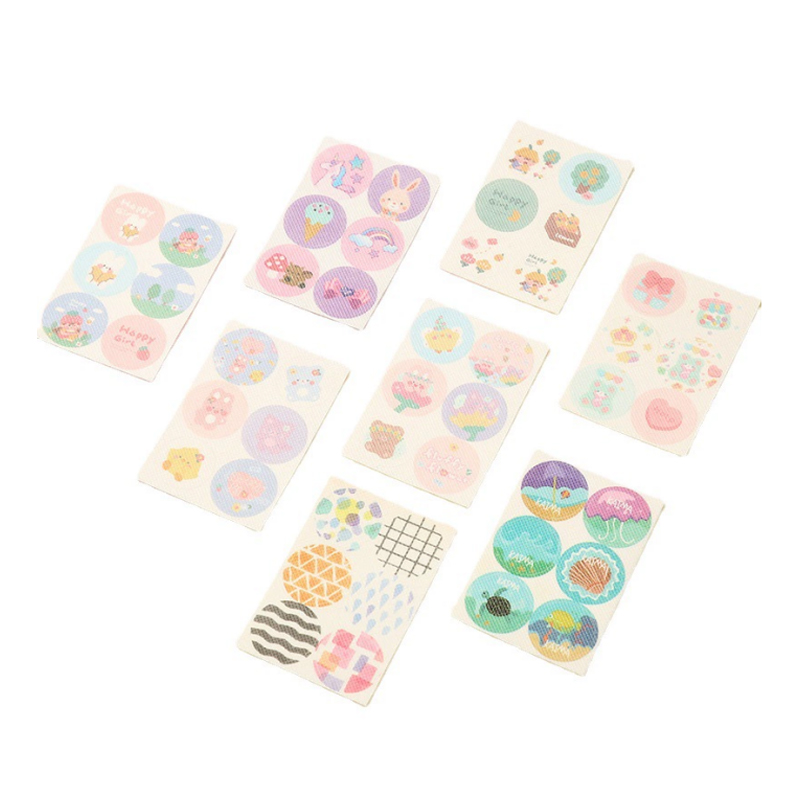 Soothing And Anti-Itching, Mild And Hypoallergenic Soothing Sticker
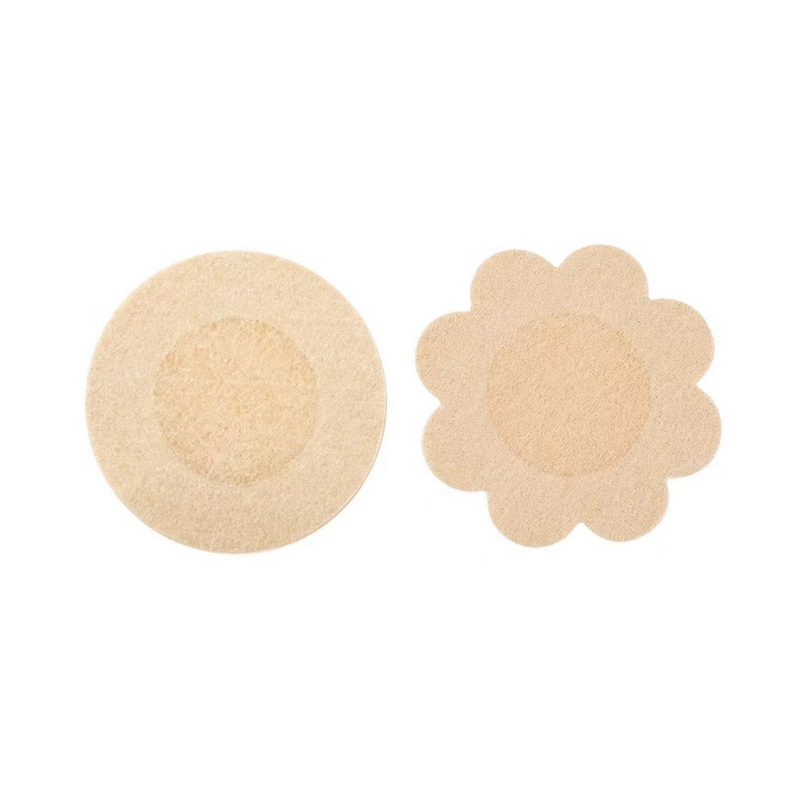 Invisible Non-Slip And Sweat-Proof Nipple Covers
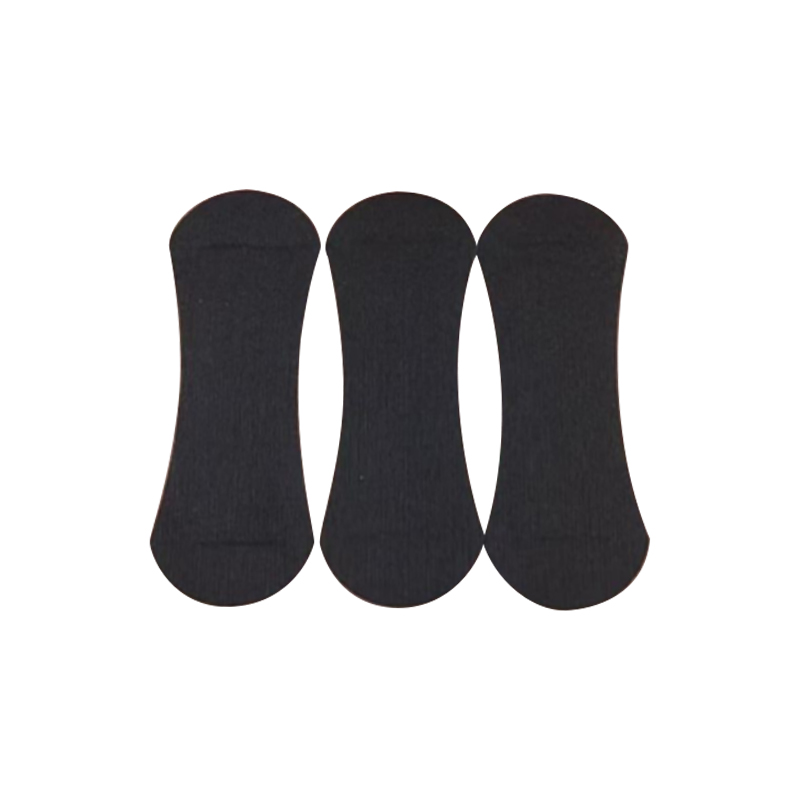 Portable Design And Reusable Ventilation Nose Strips
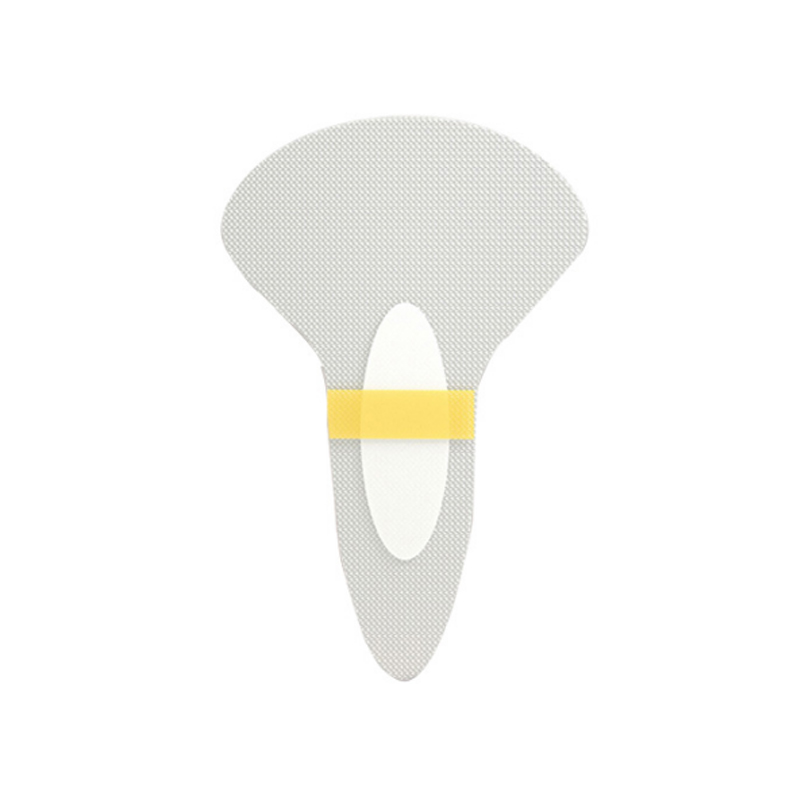 Breathable Comfort Fit Swimming Private Patches
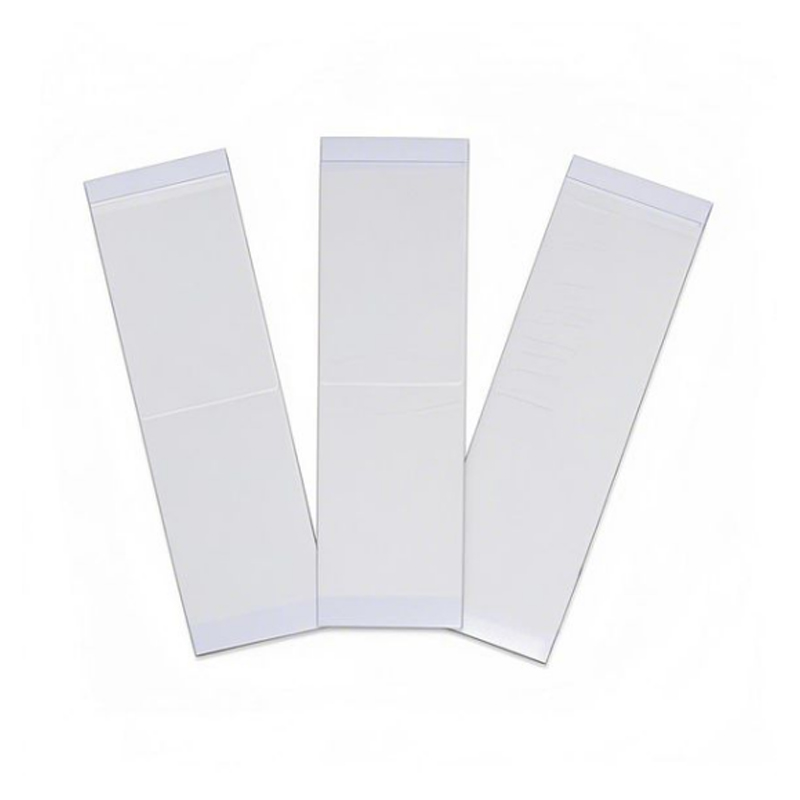 Strong Adhesion Waterproof And Sweatproof Anti-Exposure Stickers
Copyright © 2024 by Wuxi Xindi Medical Technology Co., Ltd. All Rights Reserved.
medical adhesive tapes manufacturers