
 English
 中文简体
中文简体 日本語
日本語 عربى
عربى русский
 Español
News
Xindi can provide customers with personalized, high-quality products and services to meet the needs of different markets and customers.
Content
Ostomy bag leakage usually occurs when there is an ineffective seal between the skin barrier and the stoma. Changes in stoma size, body contours, output consistency, or daily activity levels can all affect how well the appliance adheres to the skin. Moisture, skin irritation, and improper fitting are frequent contributors that reduce adhesion over time.
Leakage may also develop gradually, starting as minor seepage that weakens the barrier and eventually leads to full detachment. Recognizing early signs such as itching, burning, or odor helps address problems before they become more severe.
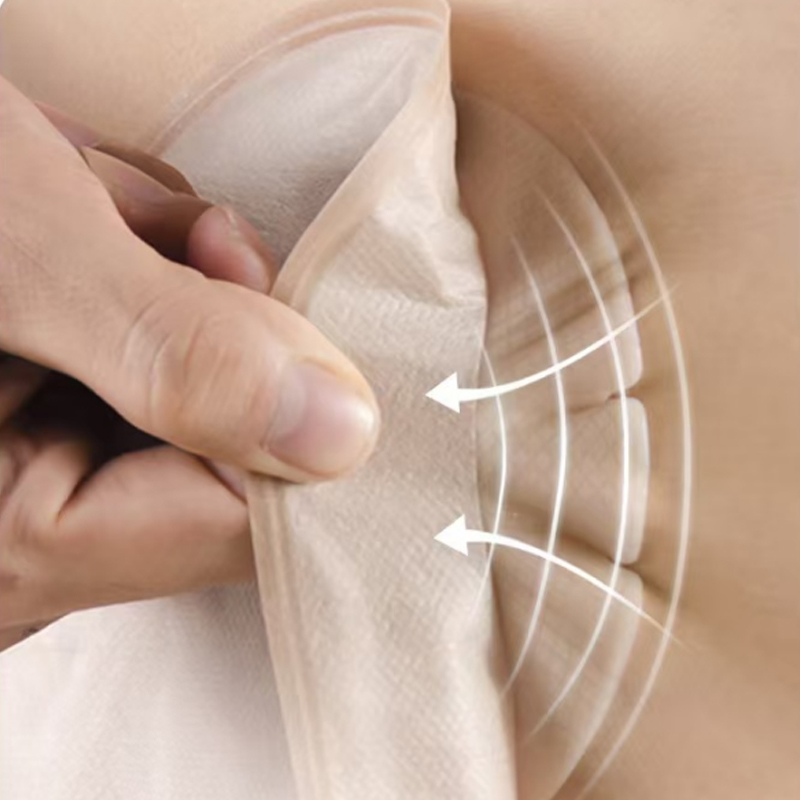
A correctly sized skin barrier opening is essential to prevent output from contacting the surrounding skin. The opening should closely follow the stoma shape without pressing against it. A gap allows output to undermine the seal, while an opening that is too small may cause discomfort or swelling.
Stoma size can change over time due to healing, weight fluctuation, or abdominal movement. Regular measurement helps maintain an effective fit and reduces the likelihood of leakage.
Clean, dry skin promotes better adhesion. Before applying the ostomy appliance, the peristomal area should be gently cleansed with water and dried thoroughly. Residual moisture, oils, or soap residue can interfere with barrier adhesion and shorten wear time.
Warming the barrier slightly before application may improve flexibility and contact with the skin, helping form a more reliable seal.
Output consistency plays a role in leakage prevention. Liquid output can travel more easily beneath the barrier, especially if the seal is compromised. Adjusting dietary intake and hydration, under medical guidance, may help achieve a more manageable output consistency.
Allowing the ostomy bag to become overly full increases downward pull on the barrier. Regular emptying reduces stress on the adhesive and helps maintain a secure fit throughout the day.
Bending, stretching, and twisting can affect how the ostomy appliance sits on the body. Individuals with active lifestyles may experience increased wear at the edges of the barrier due to repeated movement. Selecting flexible barrier materials supports better conformity to body motion.
Support garments or ostomy belts can help stabilize the appliance during physical activity, reducing shifting and minimizing the risk of leaks.
| Accessory Type | Primary Function | Leakage Prevention Benefit |
| Barrier Rings | Fill skin folds and gaps | Improves seal integrity |
| Ostomy Belts | Provide external support | Reduces appliance movement |
| Skin Barrier Wipes | Protect and prepare skin | Enhances adhesive performance |
Persistent leakage may indicate the need for professional assessment. A stoma care nurse or healthcare provider can evaluate stoma shape, skin condition, and appliance selection to identify underlying causes. Adjustments to product type or application technique often lead to noticeable improvement.
Ongoing monitoring and timely adjustments help maintain skin health, improve comfort, and reduce the impact of ostomy bag leakage on daily life.
 Absorbent, Moisturizing And Non-Irritating Hydrocolloid Acne Patch
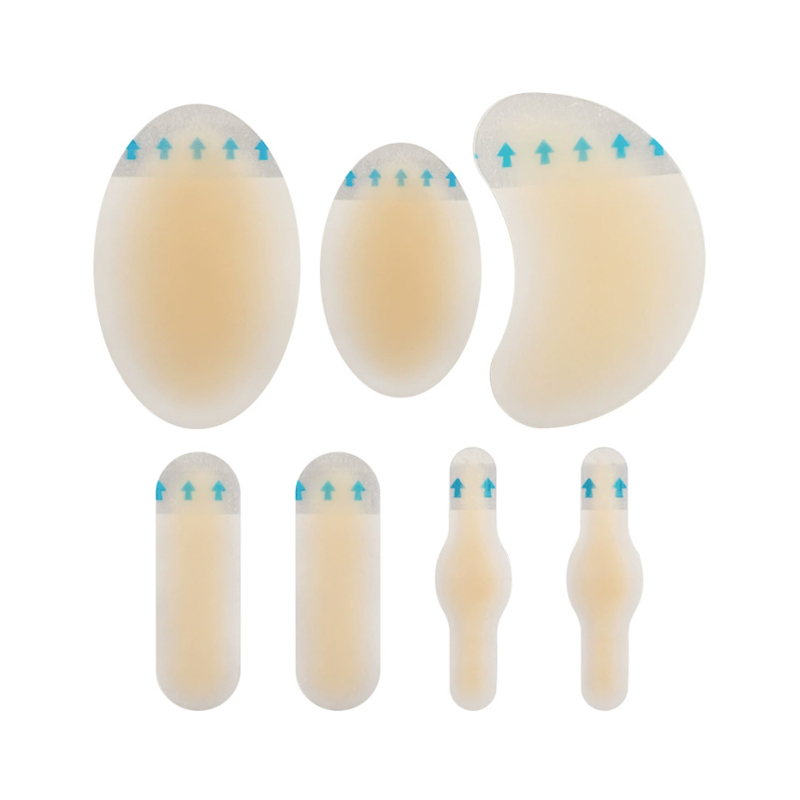 Cushioning, Pressure Reducing, Breathable And Comfortable Heel Patch
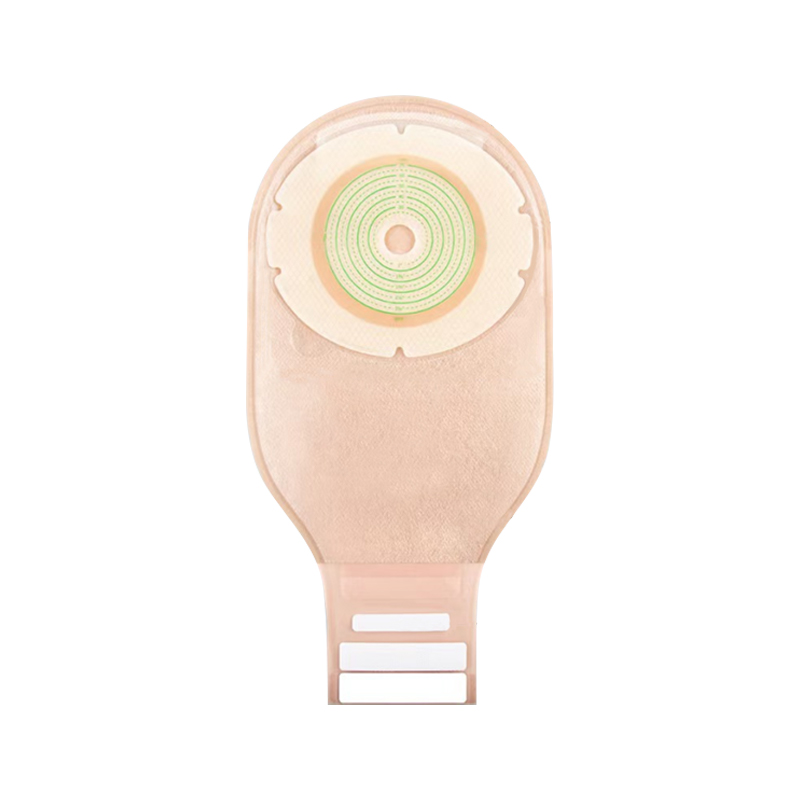 Soft Waterproof and Odor Control Ostomy Pouch
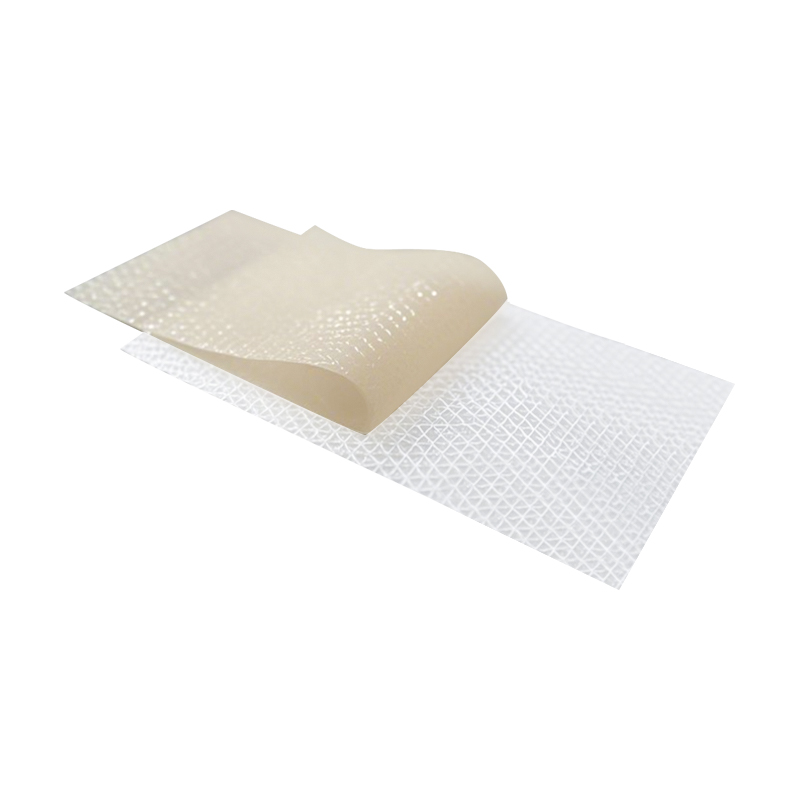 Widely Used Waterproof And Dustproof Silicone Scar Sheets
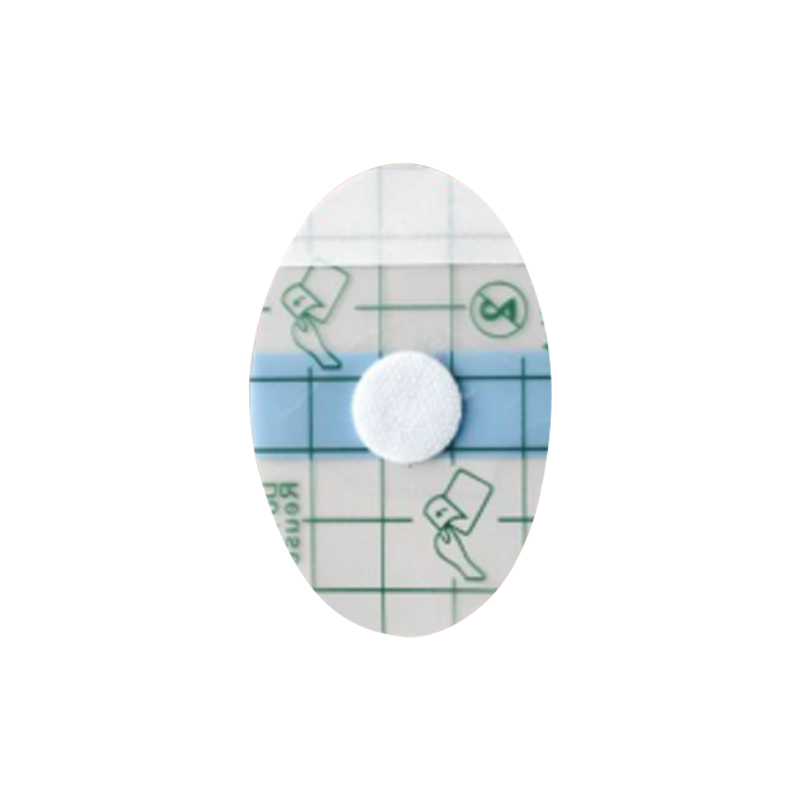 Hypoallergenic Breathable Waterproof Ear Patches
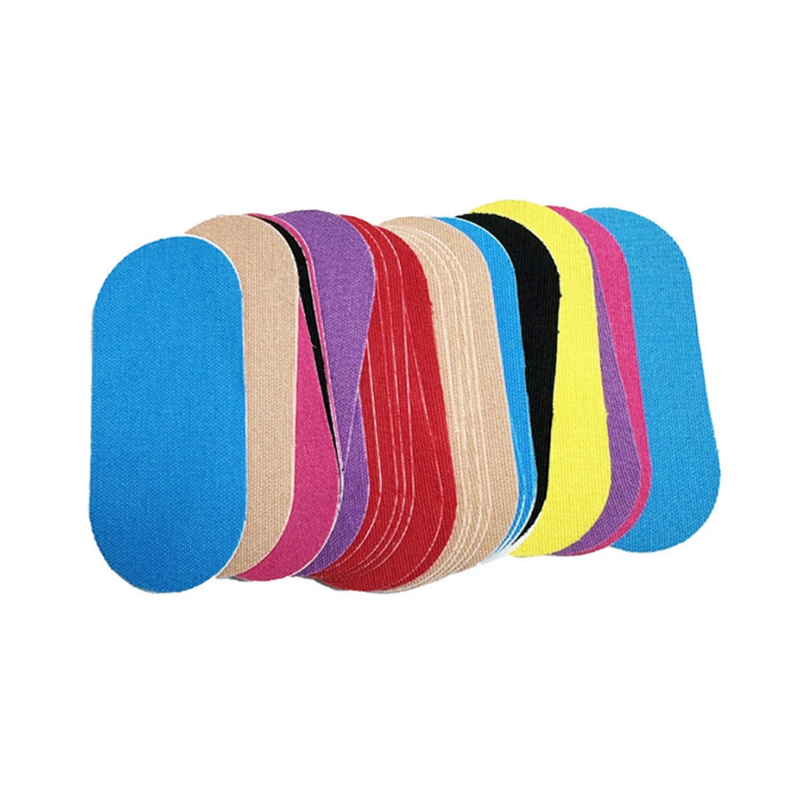 Strong Adhesive And Drug-Free Anti-Snoring Patch
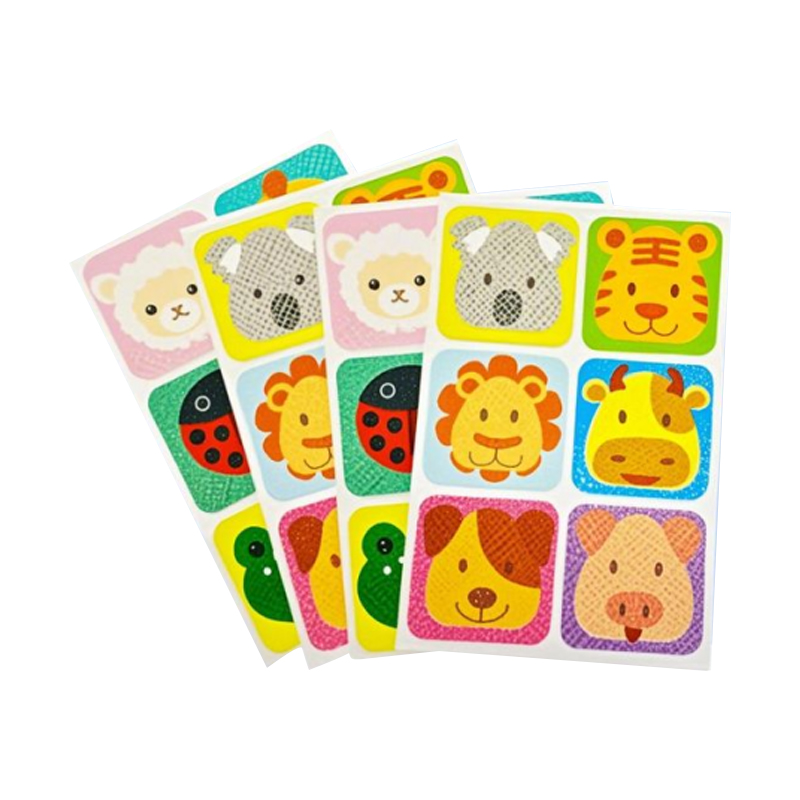 Long-Lasting Mosquito Repellent, Safe And Gentle Mosquito Repellent Stickers
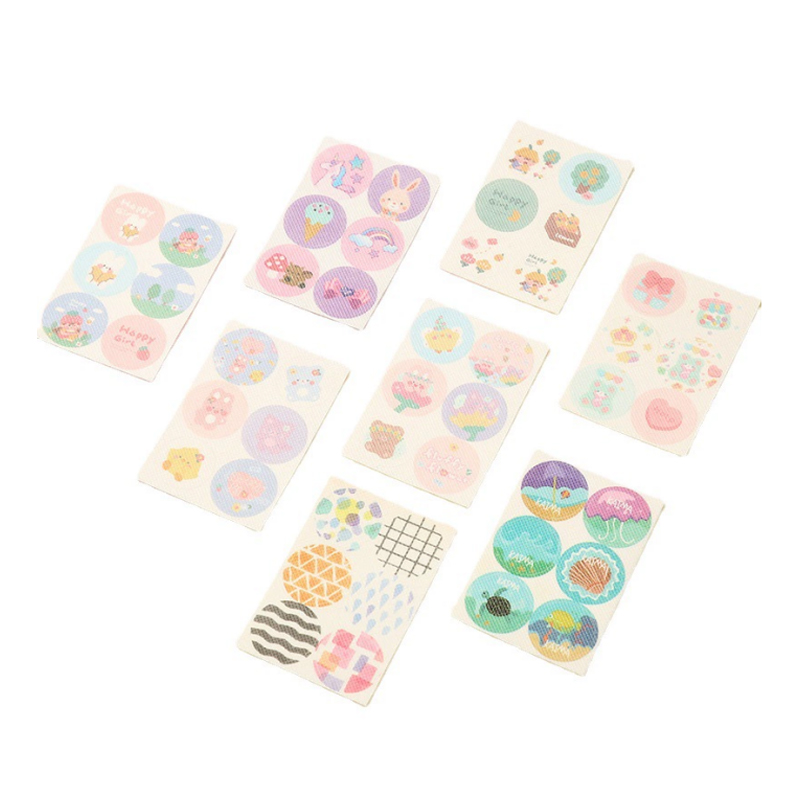 Soothing And Anti-Itching, Mild And Hypoallergenic Soothing Sticker
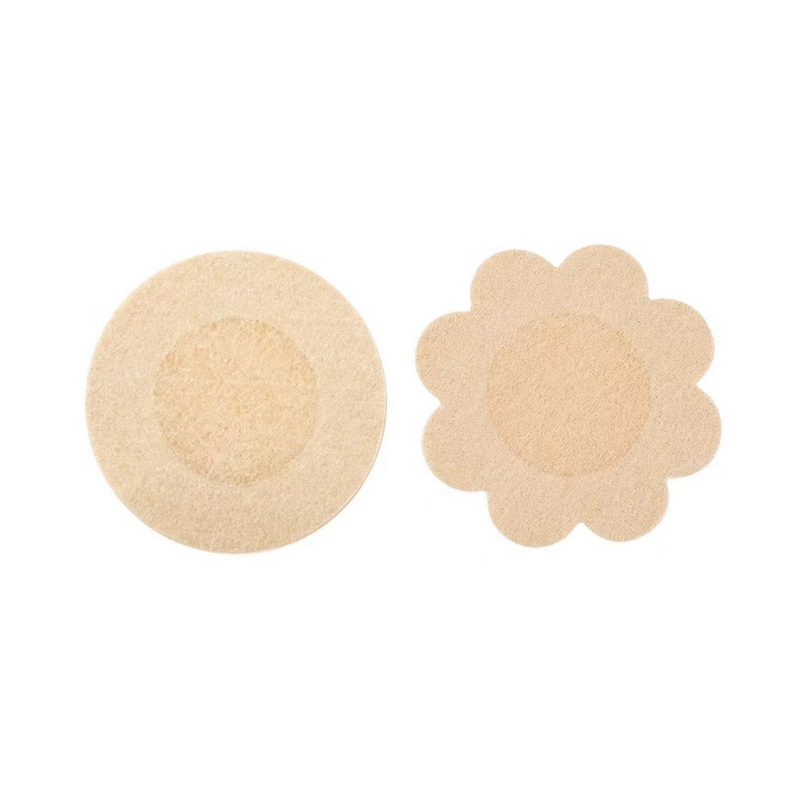 Invisible Non-Slip And Sweat-Proof Nipple Covers
 Portable Design And Reusable Ventilation Nose Strips
 Breathable Comfort Fit Swimming Private Patches
 Strong Adhesion Waterproof And Sweatproof Anti-Exposure Stickers
Copyright © 2024 by Wuxi Xindi Medical Technology Co., Ltd. All Rights Reserved.
medical adhesive tapes manufacturers