
 English
 中文简体
中文简体 日本語
日本語 عربى
عربى русский
 Español
News
Xindi can provide customers with personalized, high-quality products and services to meet the needs of different markets and customers.
Content
Daytime use of waterproof acne patches requires consideration of external factors such as sunlight, makeup, sweat, and environmental pollutants. Choosing patches with strong adhesion and thin, nearly invisible design ensures they remain effective without affecting daily activities. Hydrocolloid-based patches are particularly beneficial during the day because they absorb excess sebum and prevent bacteria from spreading, reducing the chance of new breakouts forming around the existing blemish.
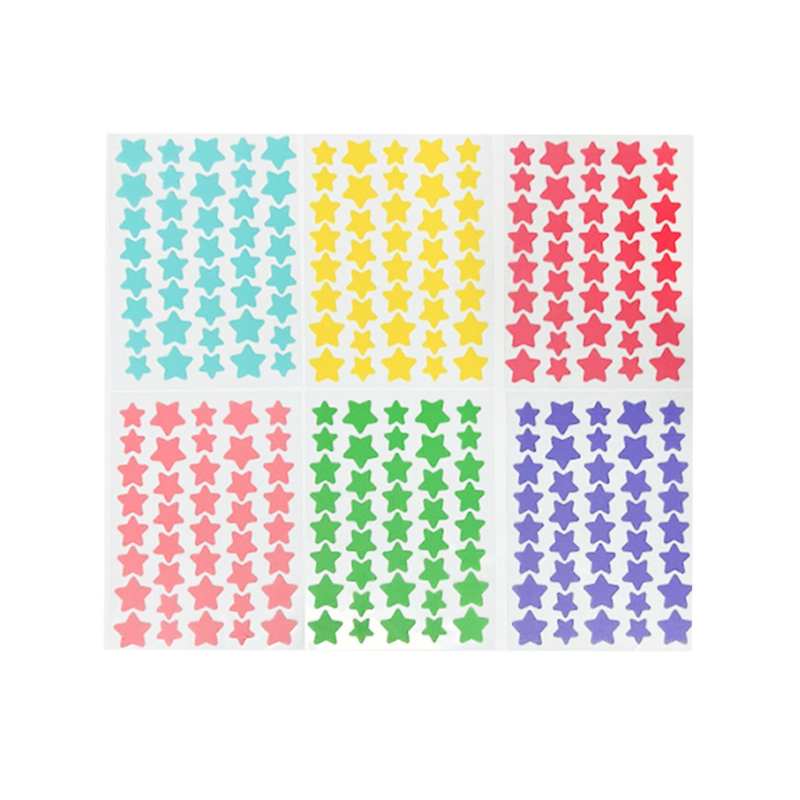
Nighttime application is ideal for promoting deep healing because the skin undergoes natural repair cycles during sleep. Overnight use allows patches to remain in place for several hours, providing uninterrupted absorption of pus and excess oil. Thicker or more cushioned patches are recommended for night use, especially for areas prone to friction from bedding. Additionally, certain patches infused with active ingredients like salicylic acid or tea tree extract can enhance anti-inflammatory effects during the longer wear period.
The effectiveness of waterproof acne patches depends on several factors that vary between day and night use. Sweat and activity levels during the day can challenge adhesion, while friction and sleep position can impact overnight performance. Selecting the right patch type for each scenario optimizes results.
To achieve the best results, users should align patch selection with the timing and specific needs of each blemish. Applying a patch on clean, dry skin improves adhesion and absorption efficiency. Rotating between day and night patch types ensures continuous treatment without interruption.
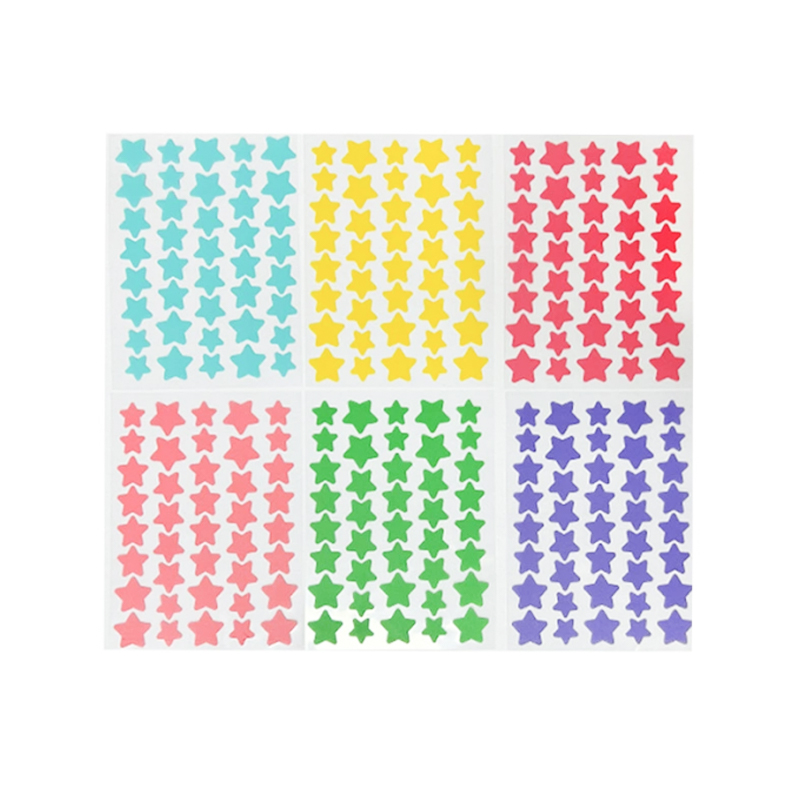 Absorbent, Moisturizing And Non-Irritating Hydrocolloid Acne Patch
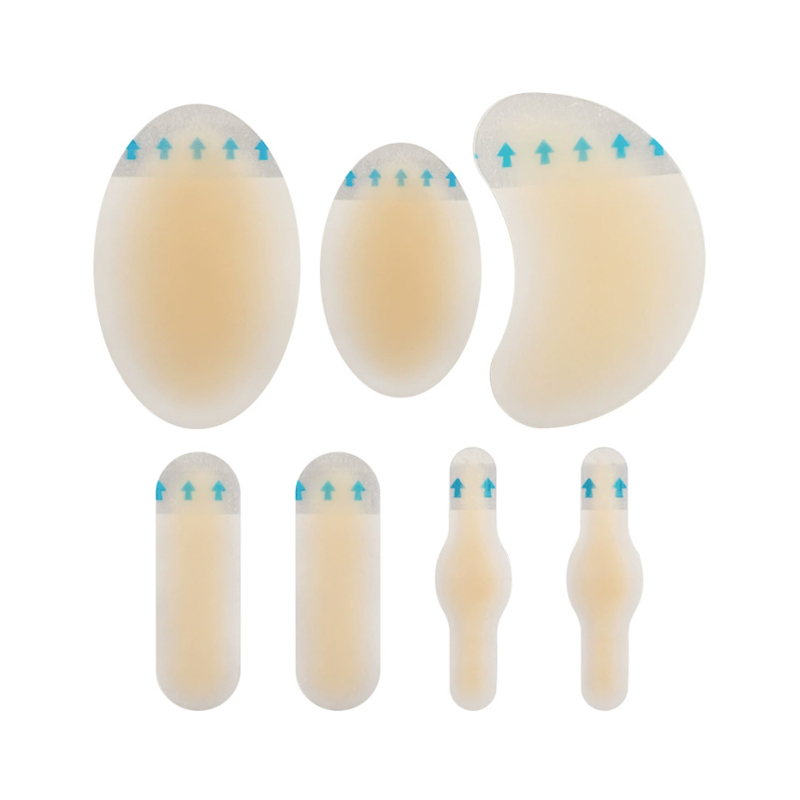 Cushioning, Pressure Reducing, Breathable And Comfortable Heel Patch
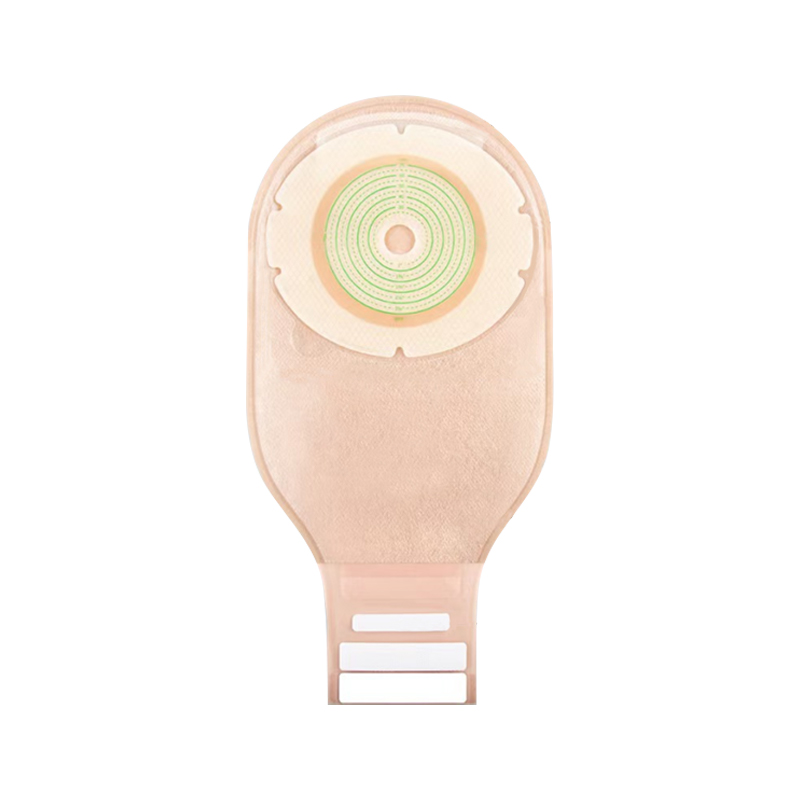 Soft Waterproof and Odor Control Ostomy Pouch
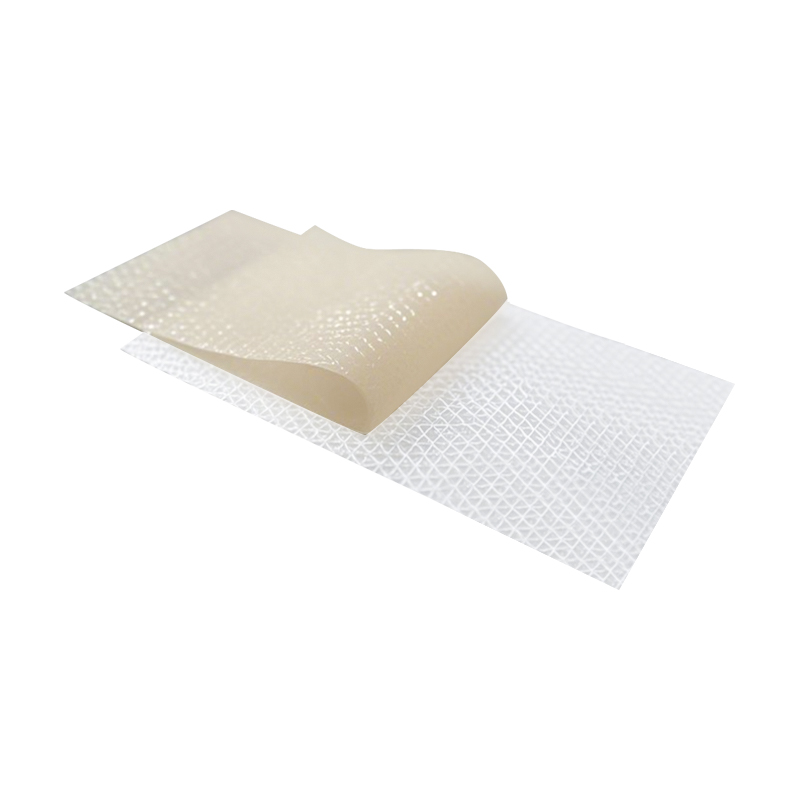 Widely Used Waterproof And Dustproof Silicone Scar Sheets
 Hypoallergenic Breathable Waterproof Ear Patches
 Strong Adhesive And Drug-Free Anti-Snoring Patch
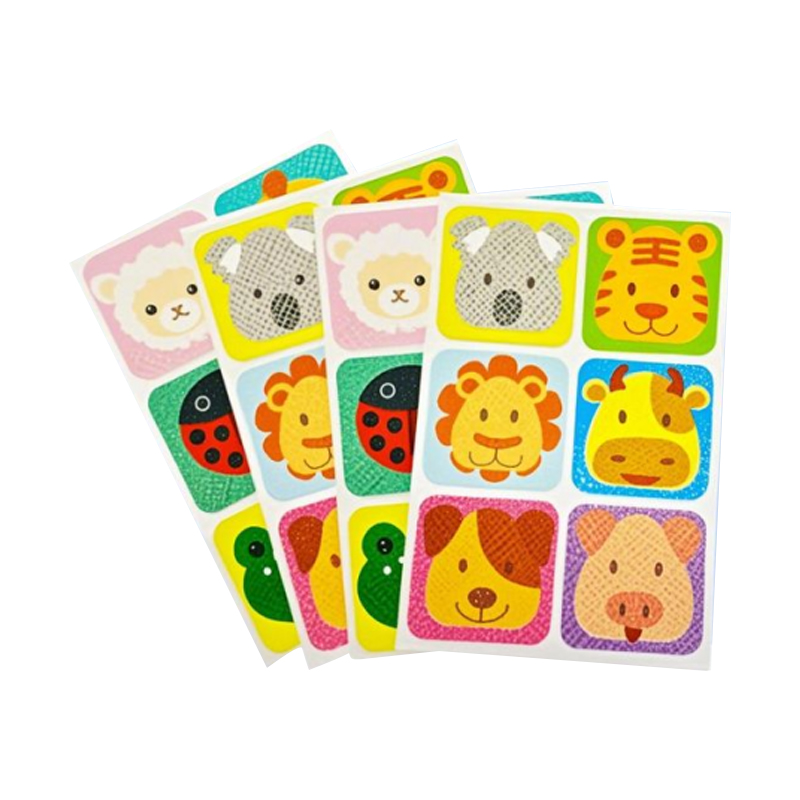 Long-Lasting Mosquito Repellent, Safe And Gentle Mosquito Repellent Stickers
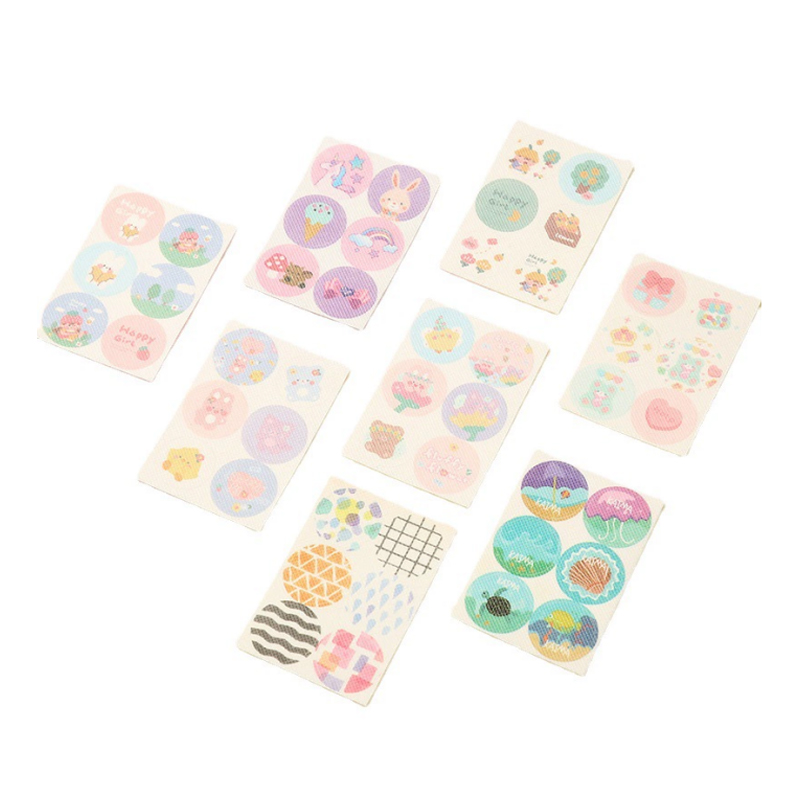 Soothing And Anti-Itching, Mild And Hypoallergenic Soothing Sticker
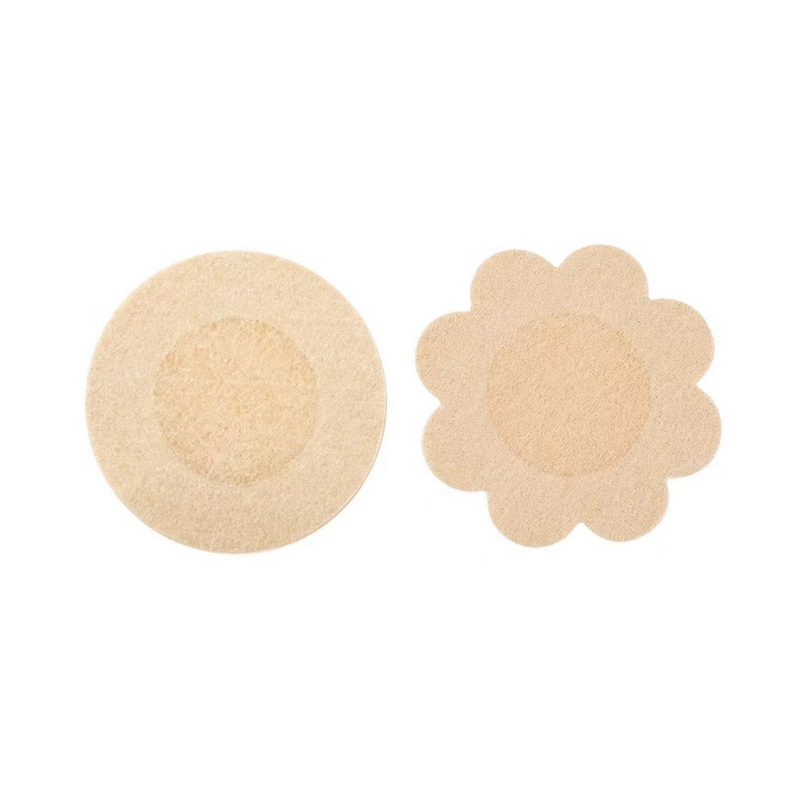 Invisible Non-Slip And Sweat-Proof Nipple Covers
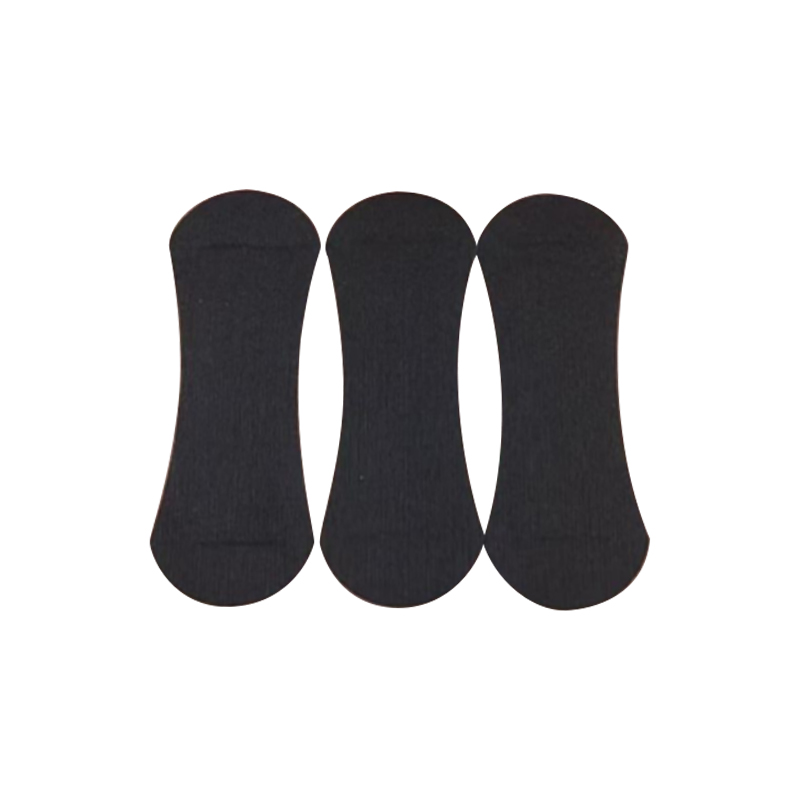 Portable Design And Reusable Ventilation Nose Strips
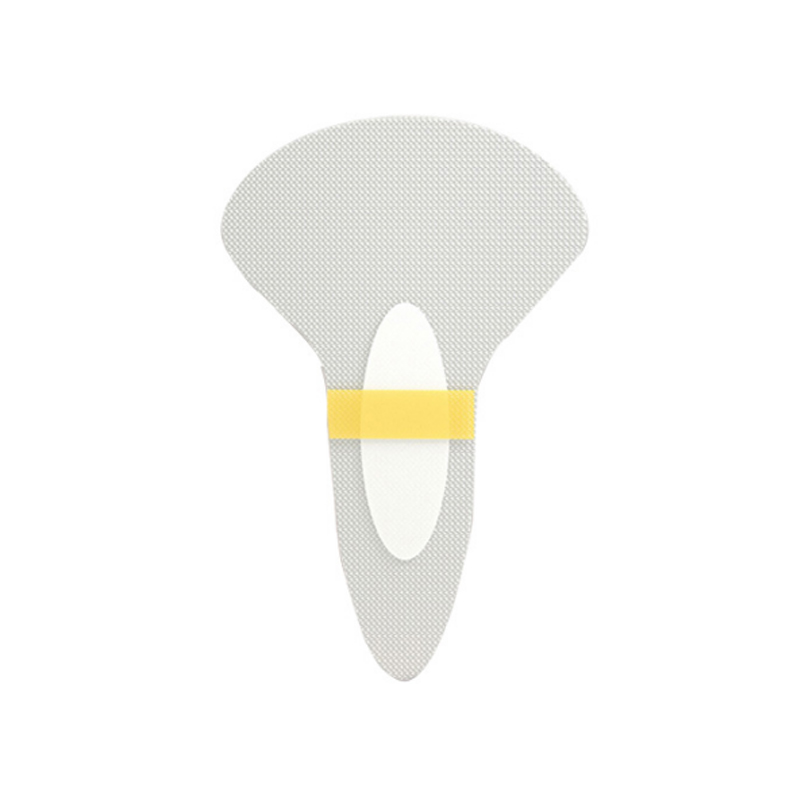 Breathable Comfort Fit Swimming Private Patches
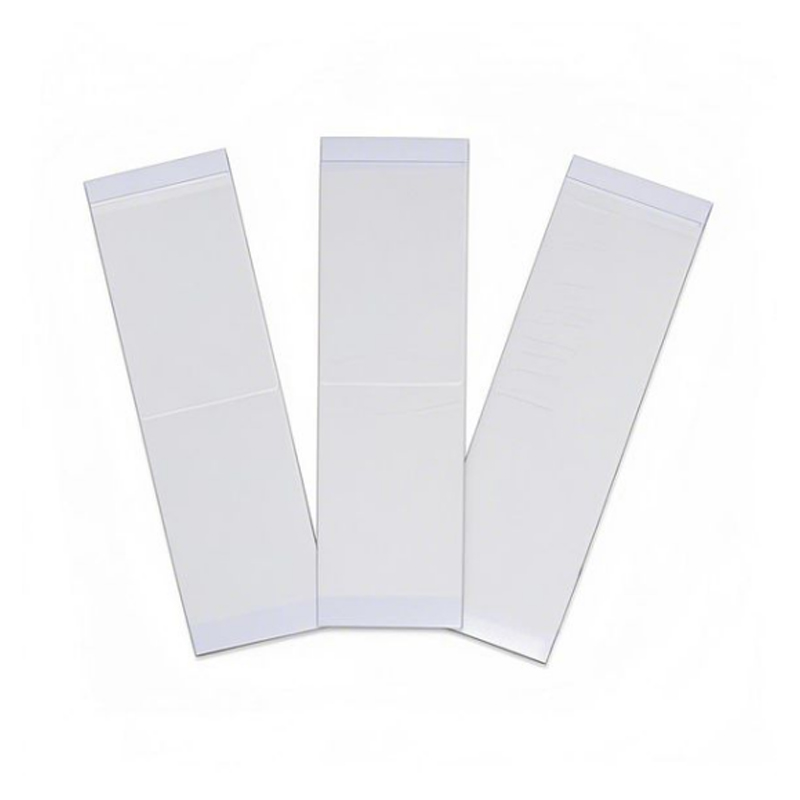 Strong Adhesion Waterproof And Sweatproof Anti-Exposure Stickers
Copyright © 2024 by Wuxi Xindi Medical Technology Co., Ltd. All Rights Reserved.
medical adhesive tapes manufacturers