
 English
 中文简体
中文简体 日本語
日本語 عربى
عربى русский
 Español
News
Xindi can provide customers with personalized, high-quality products and services to meet the needs of different markets and customers.
Content
Managing odor from an ileostomy bag is a common concern for patients. Proper odor control not only improves personal comfort and confidence but also enhances social interactions. By understanding the sources of odor and implementing effective practices, individuals can significantly reduce unpleasant smells and maintain hygiene.
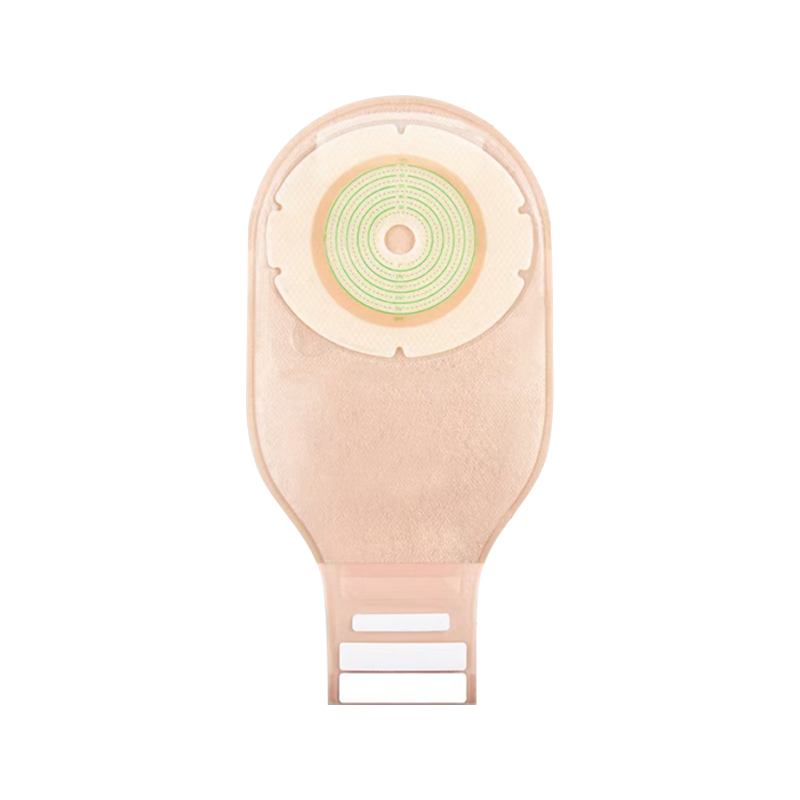
Odor in ileostomy bags is primarily caused by the breakdown of intestinal contents and bacterial activity. Several factors can influence the intensity of odor, including diet, hydration, and the type of bag or filter used. Recognizing these causes is essential for implementing effective odor management strategies.
Certain foods, such as high-protein meals, onions, garlic, and strong spices, can increase odor production. Monitoring food intake and identifying triggers can help in reducing the intensity of odors.
Modern ileostomy bags often include integrated filters that neutralize odor. The efficiency of the bag's material and filter significantly impacts odor control. Regular replacement and proper use of these features are crucial for optimal performance.
Implementing consistent practices can minimize odor and enhance comfort. Combining good hygiene, proper bag management, and lifestyle adjustments can achieve effective results.
Emptying the ileostomy bag before it becomes overly full prevents odor buildup. Clean hands, gentle cleaning of the stoma area, and using odor-neutralizing wipes help maintain hygiene and reduce smell.
Products such as deodorizers, drops, or sprays designed for ileostomy bags can effectively neutralize odors. These products are safe to use and complement the bag's built-in filter system, providing additional reassurance in social situations.
Staying hydrated and managing dietary intake can reduce odor intensity. Incorporating foods that are less likely to cause strong smells, such as refined grains, fruits, and vegetables, and limiting odor-prone foods can help in daily odor management.
Several products are available that enhance odor control in ileostomy care. Choosing the right combination can improve patient confidence and comfort.
| Product Type | Purpose | Recommended Use |
|---|---|---|
| Odor-Neutralizing Drops | Neutralizes odor inside the bag | Add a few drops after emptying the bag |
| Odor Control Sprays | Masks external odor during bag changes | Spray around the bag before and after changing |
| Bag Filters with Charcoal | Absorbs and neutralizes odors continuously | Use as part of a two-piece or integrated bag system |
| Odor-Absorbing Pouches | Provides additional odor control during storage or travel | Use temporarily in handbags or storage cases |
Effective ileostomy bag odor control combines proper hygiene, careful diet management, and the use of specialized odor-neutralizing products. By following best practices and utilizing recommended products, individuals can maintain comfort, confidence, and social ease while managing their ileostomy bag. Regular consultation with healthcare professionals ensures ongoing guidance for optimal odor management.
 Absorbent, Moisturizing And Non-Irritating Hydrocolloid Acne Patch
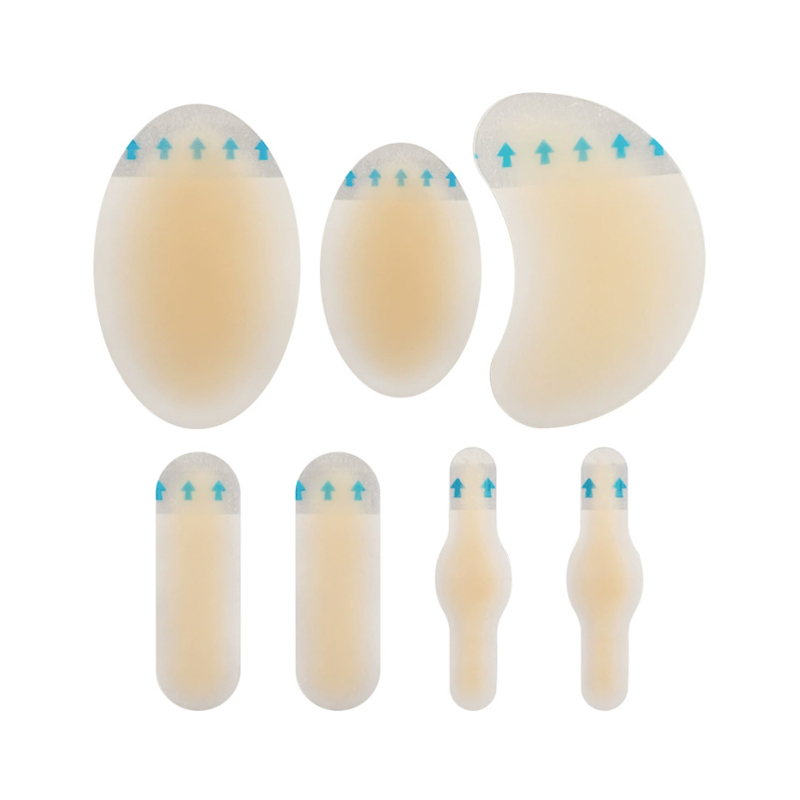 Cushioning, Pressure Reducing, Breathable And Comfortable Heel Patch
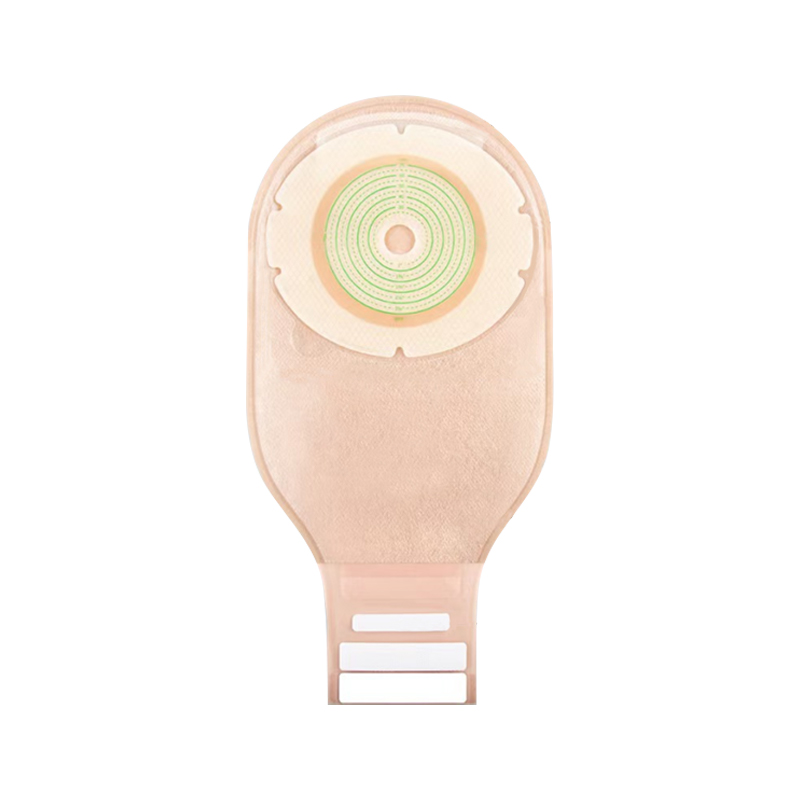 Soft Waterproof and Odor Control Ostomy Pouch
 Widely Used Waterproof And Dustproof Silicone Scar Sheets
 Hypoallergenic Breathable Waterproof Ear Patches
 Strong Adhesive And Drug-Free Anti-Snoring Patch
 Long-Lasting Mosquito Repellent, Safe And Gentle Mosquito Repellent Stickers
 Soothing And Anti-Itching, Mild And Hypoallergenic Soothing Sticker
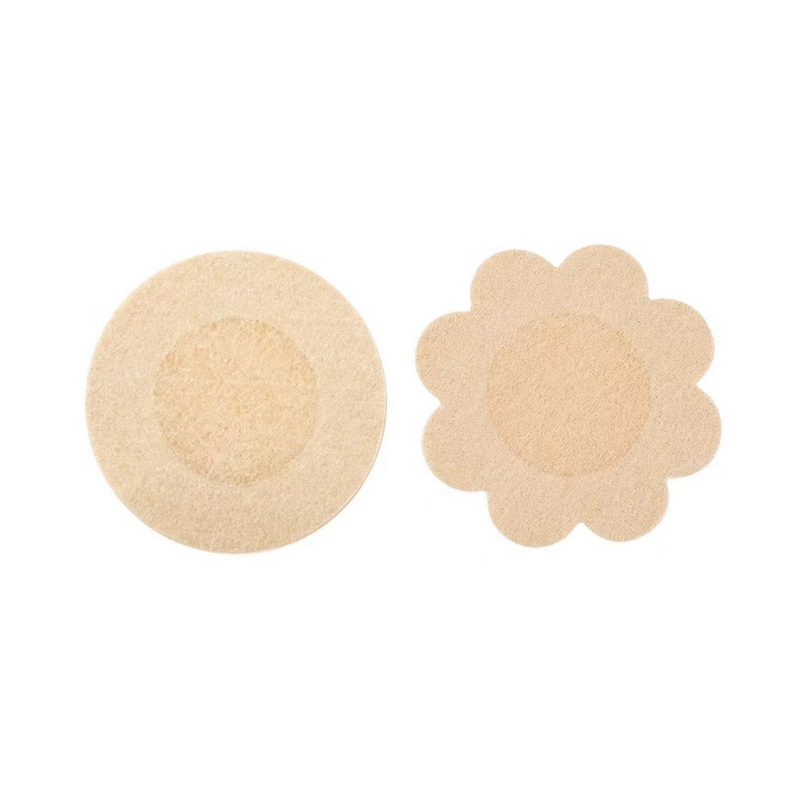 Invisible Non-Slip And Sweat-Proof Nipple Covers
 Portable Design And Reusable Ventilation Nose Strips
 Breathable Comfort Fit Swimming Private Patches
 Strong Adhesion Waterproof And Sweatproof Anti-Exposure Stickers
Copyright © 2024 by Wuxi Xindi Medical Technology Co., Ltd. All Rights Reserved.
medical adhesive tapes manufacturers