
 English
 中文简体
中文简体 日本語
日本語 عربى
عربى русский
 Español
News
Xindi can provide customers with personalized, high-quality products and services to meet the needs of different markets and customers.
Content
Protecting the ears from water, dust, or external pressure is essential in various environments, from swimming pools to construction sites. Traditional ear protection methods, such as foam earplugs or silicone covers, often face limitations. Users frequently encounter issues like poor fit, water leakage, skin irritation, and difficulty in prolonged use. Recognizing these challenges is the first step toward choosing effective solutions.

Many conventional earplugs fail to provide a secure seal, especially for users with differently shaped ear canals. A poor fit can lead to water seeping into the ear during swimming or showering. This not only reduces effectiveness but also increases the risk of infections and discomfort. Users often need to readjust plugs multiple times, which can be inconvenient and reduce overall protection.
Ear protection made from low-quality materials can cause itching, redness, or allergic reactions. Prolonged use of foam or certain silicone earplugs may trap moisture against the skin, further aggravating irritation. This issue is particularly common among swimmers and workers in humid environments where moisture buildup is frequent.
Extended use of traditional earplugs can be uncomfortable due to pressure on the ear canal or outer ear. Users may experience fatigue or pain, discouraging consistent use. Additionally, frequent replacement or cleaning of standard earplugs can be cumbersome, reducing convenience for daily or professional applications.
Polyurethane (PU) waterproof ear patches offer a modern solution to common ear protection problems. Designed to combine flexibility, durability, and water resistance, PU patches enhance comfort and effectiveness in a variety of scenarios.
PU ear patches are highly flexible, allowing them to conform to the natural shape of the outer ear. This creates a tight seal that prevents water from entering the ear canal. Unlike traditional plugs, the patch stays in place without constant adjustment, making it ideal for swimming, showering, or exposure to rain.
PU material is soft and hypoallergenic, reducing the likelihood of irritation or allergic reactions. It allows the skin to breathe while maintaining a waterproof barrier. Users can wear PU ear patches for extended periods without discomfort, unlike many foam or silicone alternatives.
PU waterproof ear patches are resistant to wear and tear. They can be cleaned easily with water and mild soap, maintaining hygiene without losing shape or effectiveness. This durability makes them suitable for daily use in sports, work, or personal care routines.
Understanding the differences between PU ear patches and conventional ear protection helps users make informed choices. The table below highlights key distinctions:
| Feature | Traditional Foam/Silicone Earplugs | PU Waterproof Ear Patches |
|---|---|---|
| Fit | Varies, may require adjustment | Flexible and conforms to ear shape |
| Waterproof Performance | Limited, prone to leakage | Highly waterproof, reliable seal |
| Comfort | May cause pressure or discomfort over time | Soft, hypoallergenic, suitable for long-term use |
| Maintenance | Frequent cleaning or replacement required | Easy to clean, reusable, durable |
To get the best performance from PU waterproof ear patches, consider these practical tips:
PU waterproof ear patches effectively address the common problems associated with traditional ear protection. They provide a secure fit, prevent water leakage, reduce skin irritation, and offer long-lasting comfort. By choosing PU ear patches, users can maintain ear health and enjoy reliable protection in a wide range of wet or humid environments.
 Absorbent, Moisturizing And Non-Irritating Hydrocolloid Acne Patch
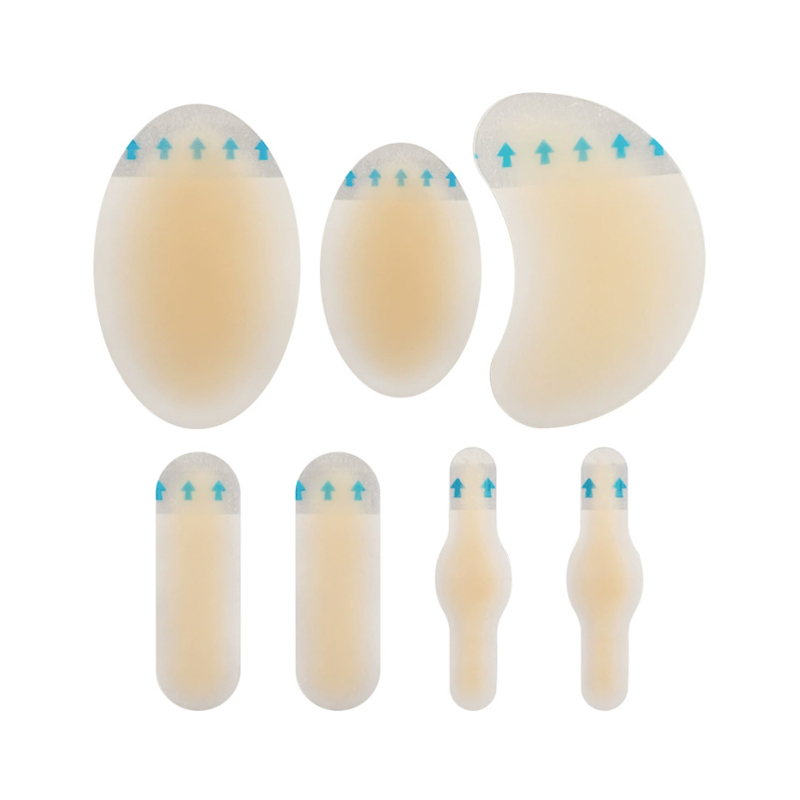 Cushioning, Pressure Reducing, Breathable And Comfortable Heel Patch
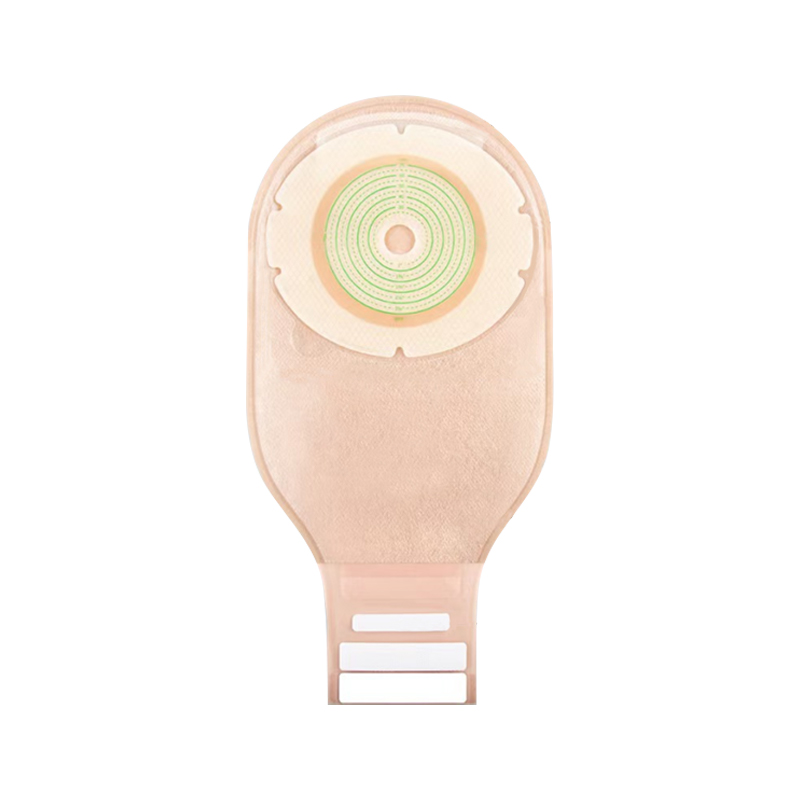 Soft Waterproof and Odor Control Ostomy Pouch
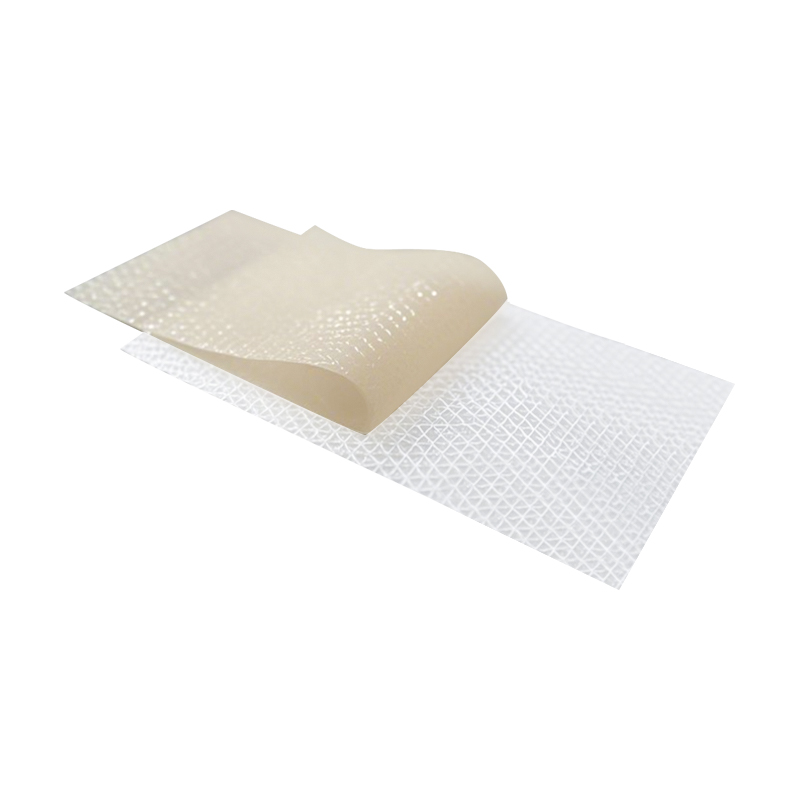 Widely Used Waterproof And Dustproof Silicone Scar Sheets
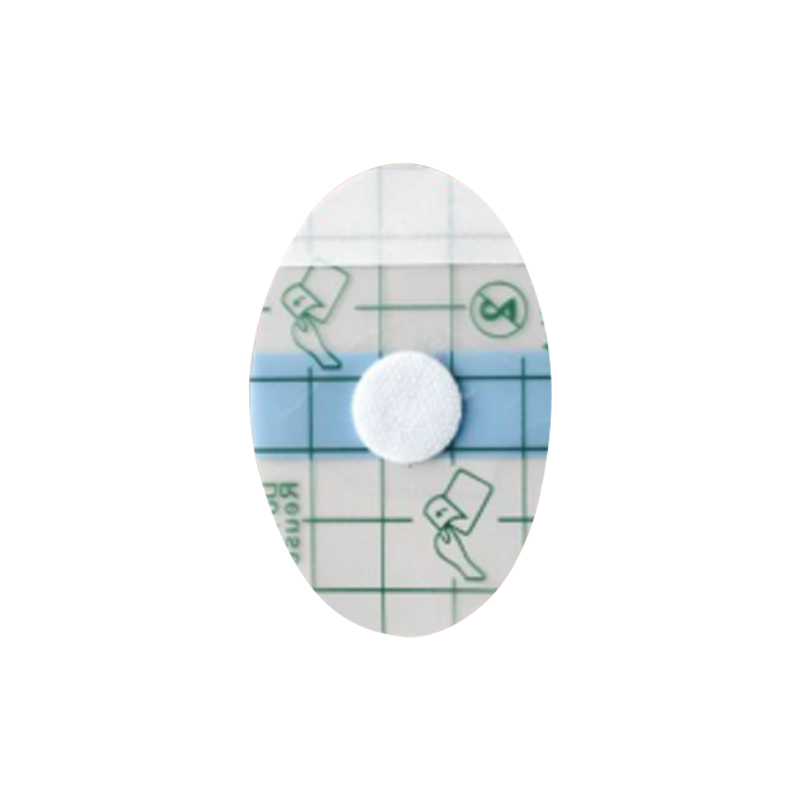 Hypoallergenic Breathable Waterproof Ear Patches
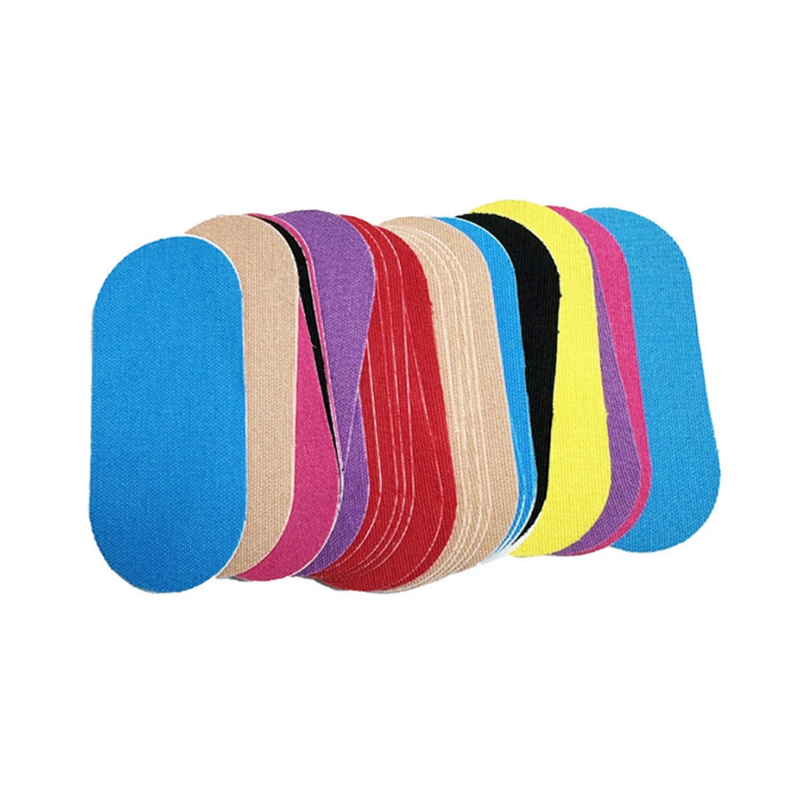 Strong Adhesive And Drug-Free Anti-Snoring Patch
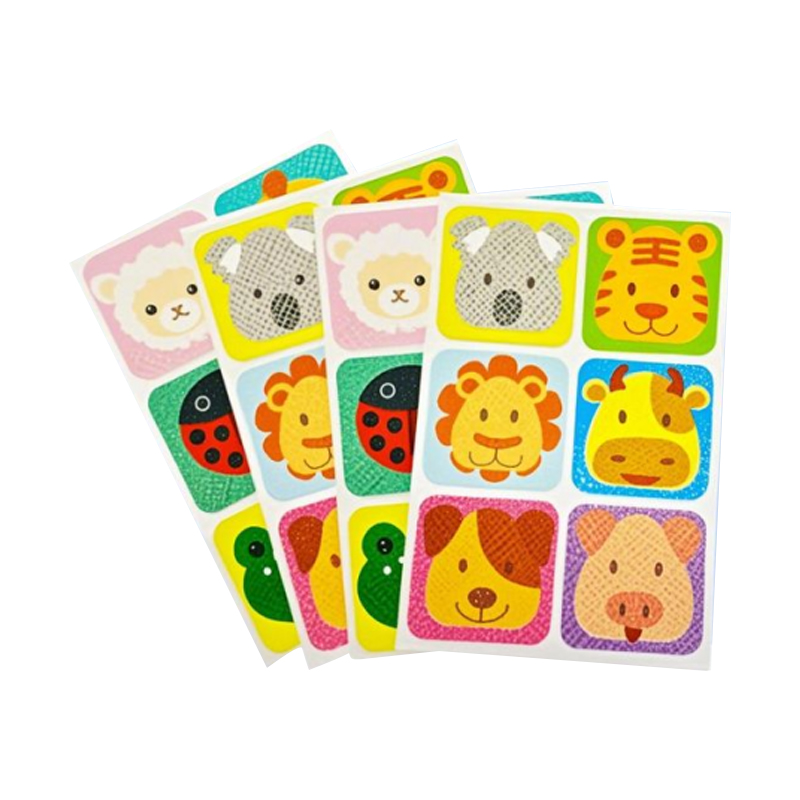 Long-Lasting Mosquito Repellent, Safe And Gentle Mosquito Repellent Stickers
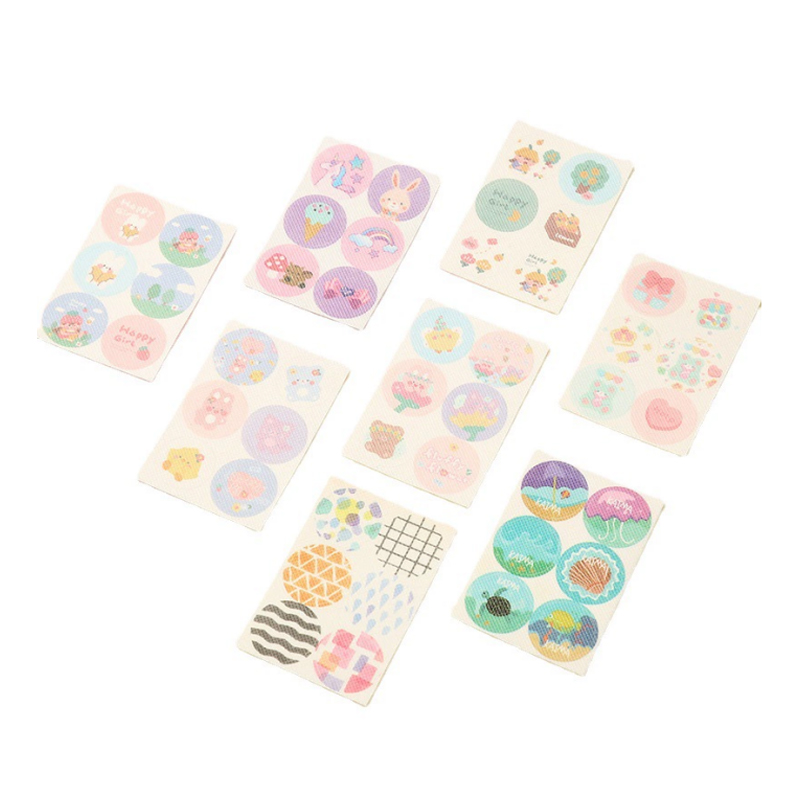 Soothing And Anti-Itching, Mild And Hypoallergenic Soothing Sticker
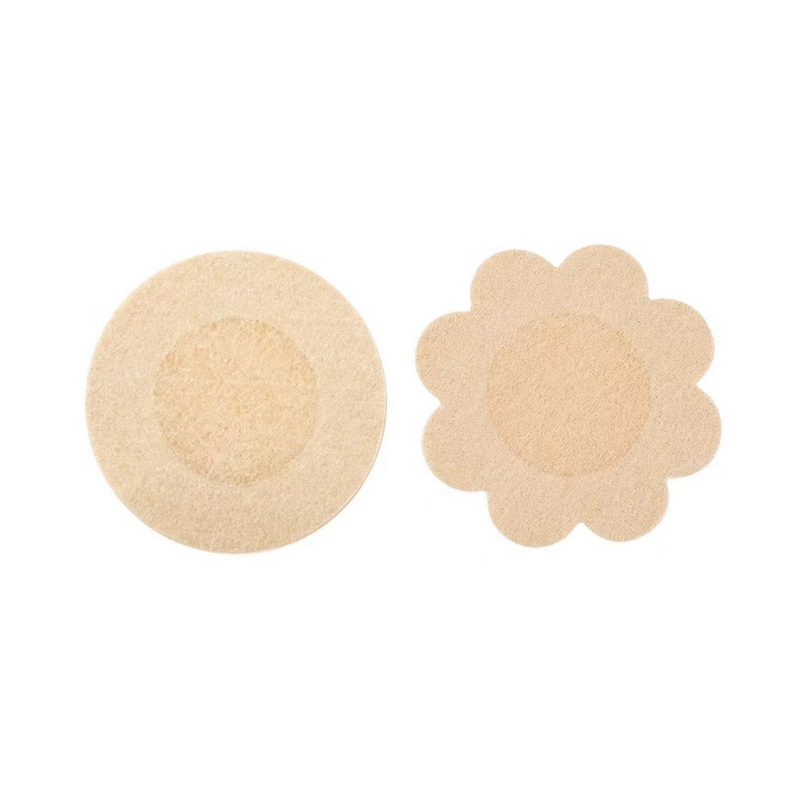 Invisible Non-Slip And Sweat-Proof Nipple Covers
 Portable Design And Reusable Ventilation Nose Strips
 Breathable Comfort Fit Swimming Private Patches
 Strong Adhesion Waterproof And Sweatproof Anti-Exposure Stickers
Copyright © 2024 by Wuxi Xindi Medical Technology Co., Ltd. All Rights Reserved.
medical adhesive tapes manufacturers