
 English
 中文简体
中文简体 日本語
日本語 عربى
عربى русский
 Español
News
Xindi can provide customers with personalized, high-quality products and services to meet the needs of different markets and customers.
Content
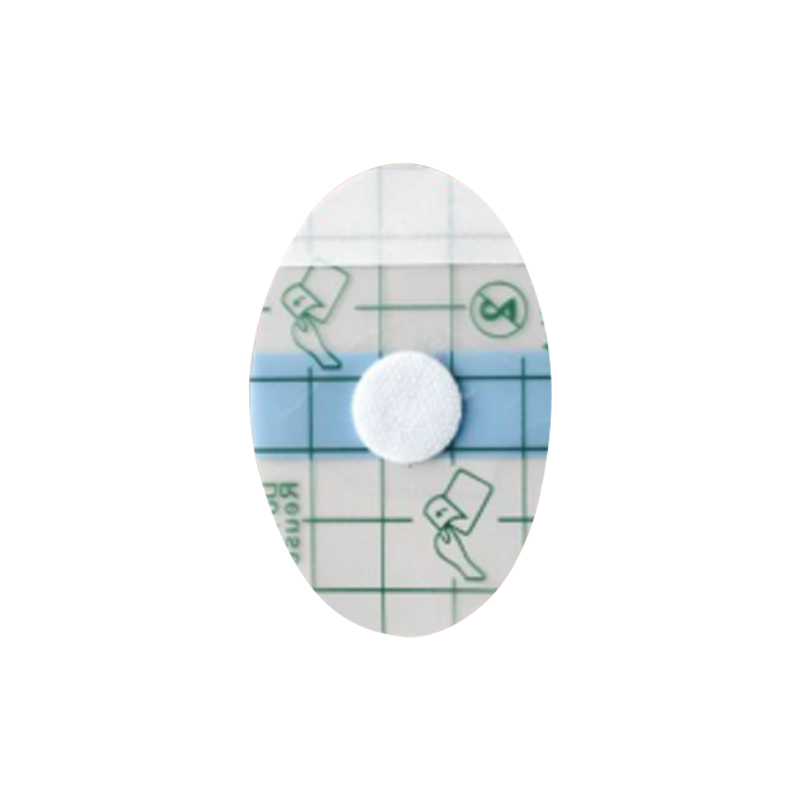
When you swim, shower, or take part in water sports, ear comfort is more than a convenience — it affects concentration, enjoyment, and even safety. A poorly designed ear protector can pinch, trap moisture, or slip off, causing irritation or forcing frequent adjustment. A PU (polyurethane) waterproof ear patch combines a water-resistant barrier with a flexible, skin-friendly surface to reduce these problems. This article explains, in practical detail, how PU waterproof ear patches improve comfort during water activities and offers application tips, comparisons, and care advice to make them work reliably in real-world use.
Polyurethane (PU) is a polymer widely used for thin, flexible films and coatings. In ear patches, PU is typically used as a thin outer layer bonded to an adhesive backing. Key material properties that drive comfort during water activities are flexibility, low profile, and controlled water resistance. Unlike stiff plastics, PU conforms to curved ear contours without creating pressure points. Its surface repels water while remaining breathable when engineered with micro-perforations or a breathable adhesive layer — balancing waterproofing with skin comfort.
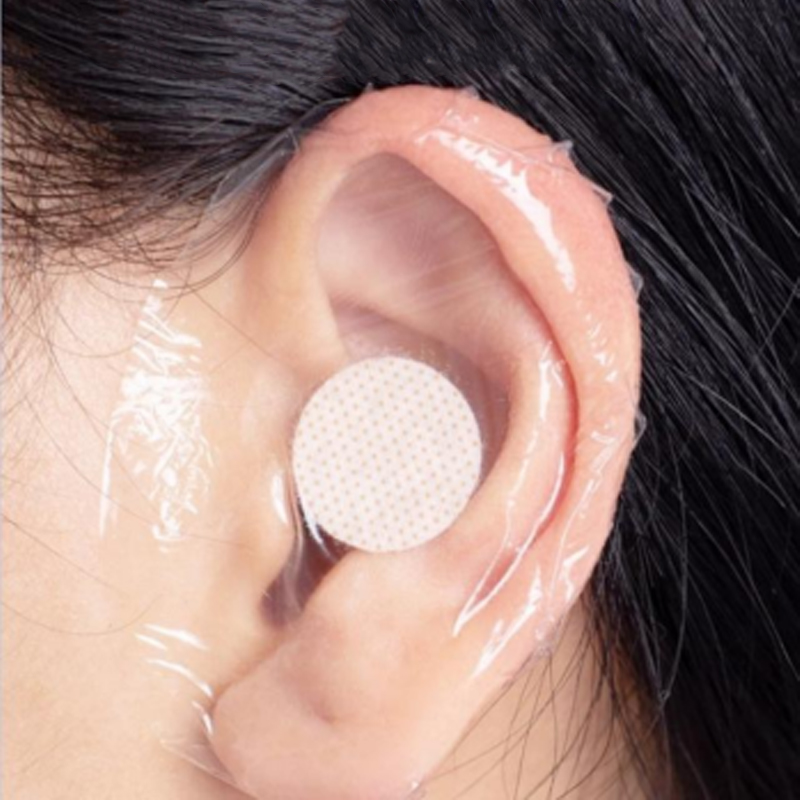
PU’s elasticity allows the patch to move with the skin when you turn your head, swim strokes cause stretch, or waves hit your face. This prevents edge lift and reduces the pry-and-readjust cycle that causes chafing. A flexible patch minimizes focal pressure; the adhesive area distributes holding force over a wider surface rather than concentrating it at a single rim.
A plain waterproof membrane would trap sweat and humidity; well-designed PU patches instead use a water-repellent outer PU film combined with an adhesive backing that lets low volumes of vapor escape. This reduces the damp, clammy feeling common with fully occlusive covers while still keeping liquid water out.
Comfort during water activities depends on a reliable seal that does not require constant attention. PU ear patches achieve this through adhesive formulation and edge geometry optimized for wet conditions. A properly shaped patch follows the natural folds around the ear canal opening and the conchal bowl, creating a consistent bead of adhesion that resists shear forces from head movement and water flow.
Adhesives are chosen for initial tack, water resistance, and gentle removal. Medical-grade acrylic adhesives or hydrocolloid adhesives often strike the necessary balance: strong enough to hold against water jets, yet removable without excessive tugging. PU patches use thin, even adhesive coatings to prevent lumps or ridges that can cause discomfort.
Rounded or tapered edges reduce the likelihood of peeling and avoid sharp corners that dig into the skin. Many PU ear patches use a beveled outer rim so the edge sits flush and remains comfortable against goggles, helmets, or earphones.
Comfort hinges on how the patch interacts with skin during prolonged use. PU films can be hypoallergenic when formulated without common irritants, and their smooth surface reduces friction. Several design choices further improve skin compatibility.
PU ear patches are designed to work with common water-activity equipment: swim caps, goggles, earphones, and helmets. Because PU conforms closely, it reduces bulk under a cap and avoids lifting when goggles press against the temple. Good retention comes from a combination of adhesive strength and film flexibility so the patch remains in place under changing pressure and movement.
Proper technique matters. Even the best patch will feel uncomfortable if it traps hair, is misaligned, or is applied to a damp, unclean surface. Follow these steps to get a secure, comfortable fit.
Remove slowly and close to the skin surface, stretching the skin gently away from the adhesive rather than pulling upward. If the patch resists, use warm water or an adhesive remover to loosen the bond. Careful removal prevents skin stripping and delayed soreness.
Some PU ear patches are single-use while others are designed for multiple sessions. Caring for reusable patches helps preserve the adhesive, flexibility, and cleanliness that underlie comfort.
| Feature | PU Waterproof Ear Patch | Silicone Ear Cap | Gauze & Tape |
| Water resistance | High for liquid; breathable vapor escape possible | High liquid resistance but bulky | Low unless heavily sealed |
| Comfort under gear | Low profile, conforms well | Can be bulky and uncomfortable with goggles | Can bunch and cause pressure points |
| Skin friendliness | Good with hypoallergenic adhesives | Generally inert but may trap moisture | Higher friction and moisture retention |
| Ease of application | Fast; center-and-smooth technique | Requires correct sizing and positioning | Time-consuming and uneven |
PU waterproof ear patches are well-suited for swimmers, triathletes, surfers, and anyone who wants discrete protection while in water. They are also useful for post-operative ear care, where keeping the wound dry is essential. Consider the following when selecting and using a patch:
PU waterproof ear patches deliver comfort during water activities by combining a conforming, low-profile film with adhesives engineered for wet conditions. Their flexibility reduces pressure points, their construction balances water resistance and breathability, and their edge and adhesive design improve retention and reduce irritation. Applied and cared for correctly, PU ear patches let you focus on the activity — not on adjusting or protecting your ears.
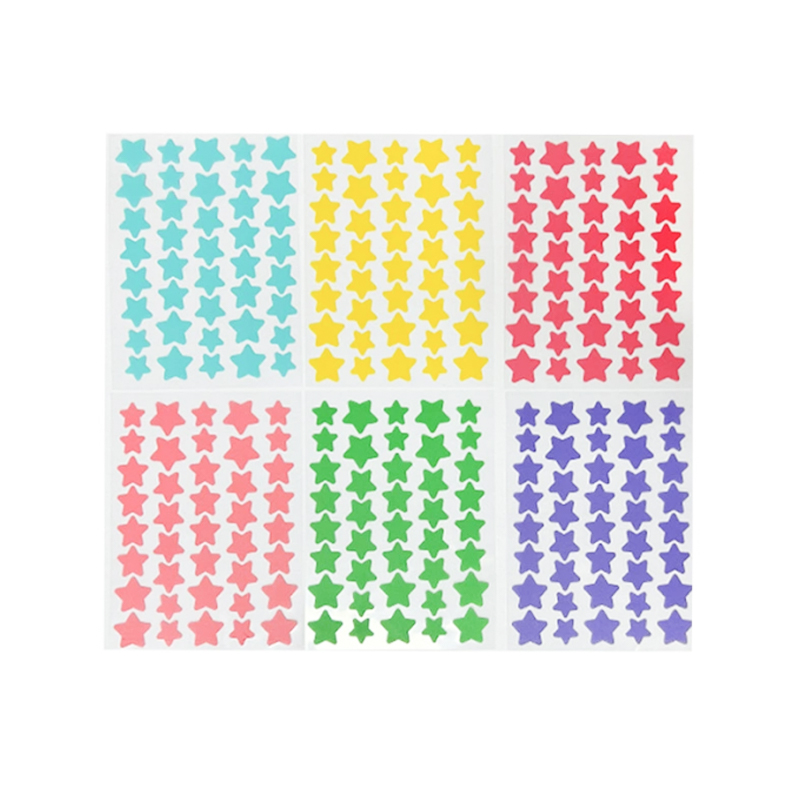 Absorbent, Moisturizing And Non-Irritating Hydrocolloid Acne Patch
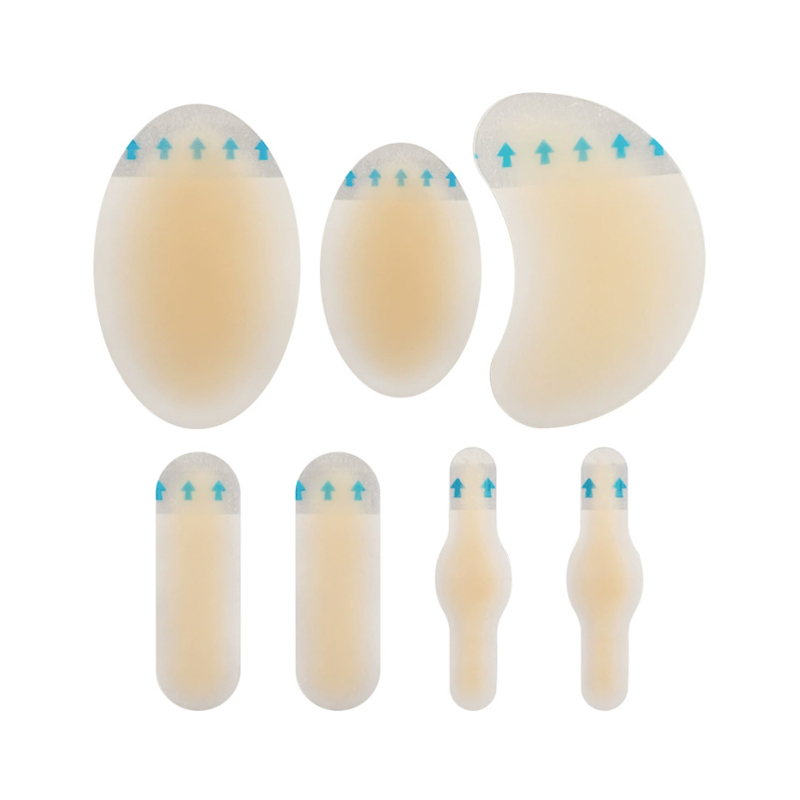 Cushioning, Pressure Reducing, Breathable And Comfortable Heel Patch
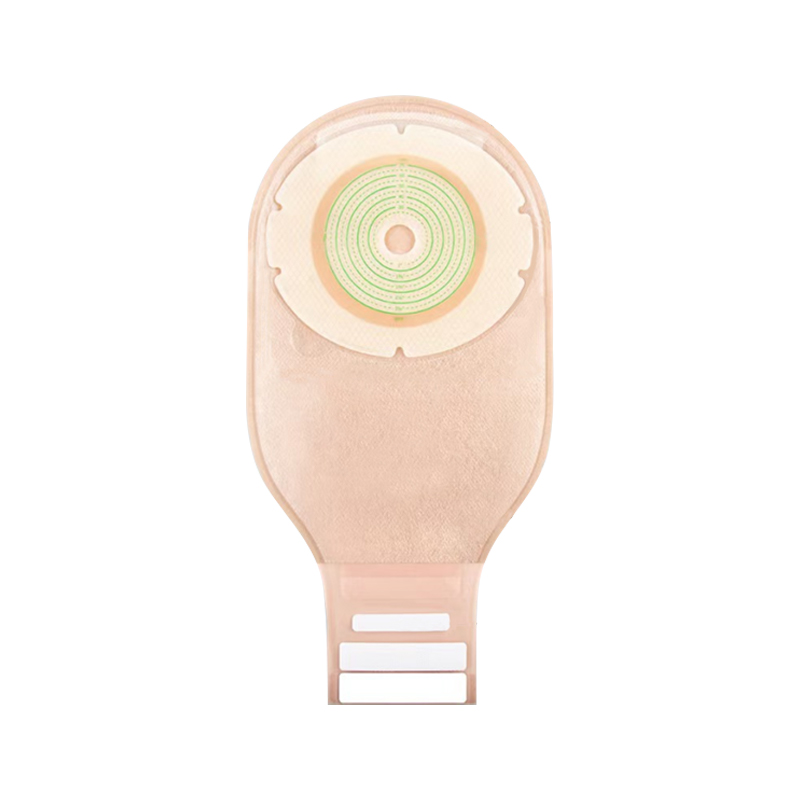 Soft Waterproof and Odor Control Ostomy Pouch
 Widely Used Waterproof And Dustproof Silicone Scar Sheets
 Hypoallergenic Breathable Waterproof Ear Patches
 Strong Adhesive And Drug-Free Anti-Snoring Patch
 Long-Lasting Mosquito Repellent, Safe And Gentle Mosquito Repellent Stickers
 Soothing And Anti-Itching, Mild And Hypoallergenic Soothing Sticker
 Invisible Non-Slip And Sweat-Proof Nipple Covers
 Portable Design And Reusable Ventilation Nose Strips
 Breathable Comfort Fit Swimming Private Patches
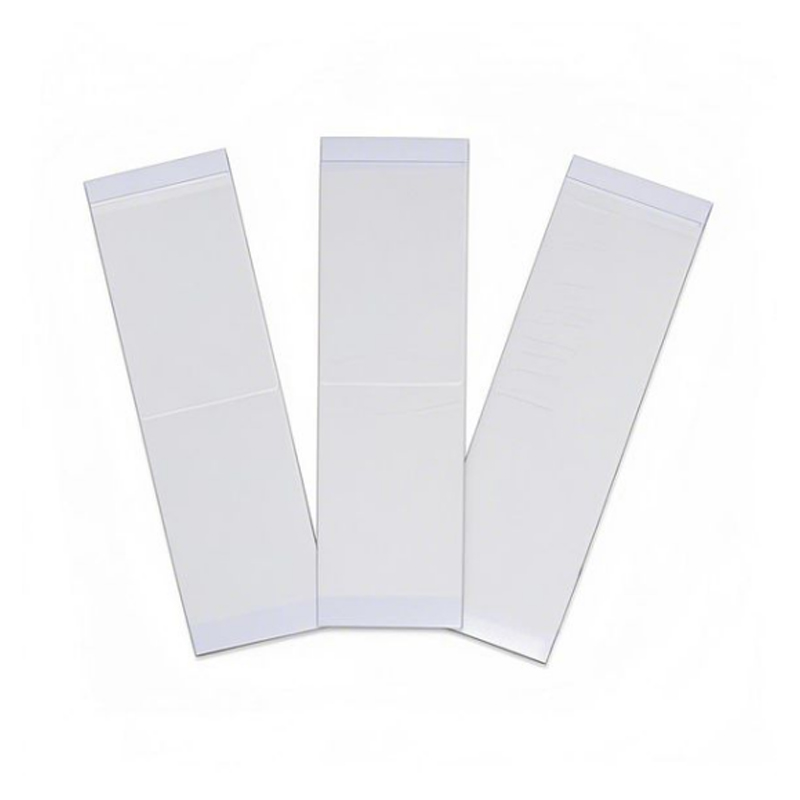 Strong Adhesion Waterproof And Sweatproof Anti-Exposure Stickers
Copyright © 2024 by Wuxi Xindi Medical Technology Co., Ltd. All Rights Reserved.
medical adhesive tapes manufacturers