
 English
 中文简体
中文简体 日本語
日本語 عربى
عربى русский
 Español
News
Xindi can provide customers with personalized, high-quality products and services to meet the needs of different markets and customers.
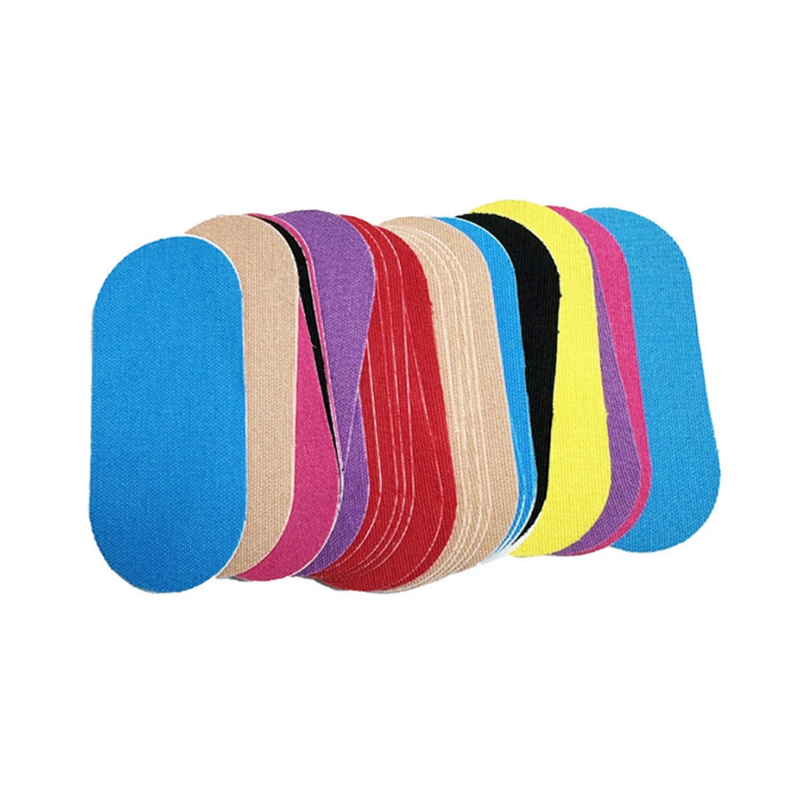
Anti-snoring tape is a non-invasive sleep aid designed to reduce snoring by supporting proper airway function. It is applied externally to the mouth or nose to encourage nasal breathing, stabilize the jaw, or prevent the tongue from obstructing airflow. Choosing the right type of anti-snoring tape is crucial for both effectiveness and comfort. This article explores the different types of anti-snoring tape for mouth and nose, their working principles, material differences, and practical guidelines for selection and use.
Content
Anti-snoring tape comes in several forms depending on the application area and the breathing pattern it is intended to support. The two primary categories are mouth tapes and nasal tapes. Each type targets a specific mechanism of snoring and requires careful selection to ensure both safety and comfort.
Mouth anti-snoring tape is designed to encourage nasal breathing by gently sealing the lips during sleep. This prevents mouth breathing, which can contribute to vibration of the soft palate and pharyngeal tissues, causing snoring. Some tapes feature perforated or breathable materials to allow minimal airflow and reduce the risk of discomfort or dry mouth.
Nasal anti-snoring tape is applied externally across the nose to mechanically open nasal passages. This enhances airflow and reduces turbulence that can lead to snoring. These tapes are particularly beneficial for individuals with nasal congestion, deviated septum, or naturally narrow nostrils. They are designed to be lightweight, hypoallergenic, and easy to remove without residue.
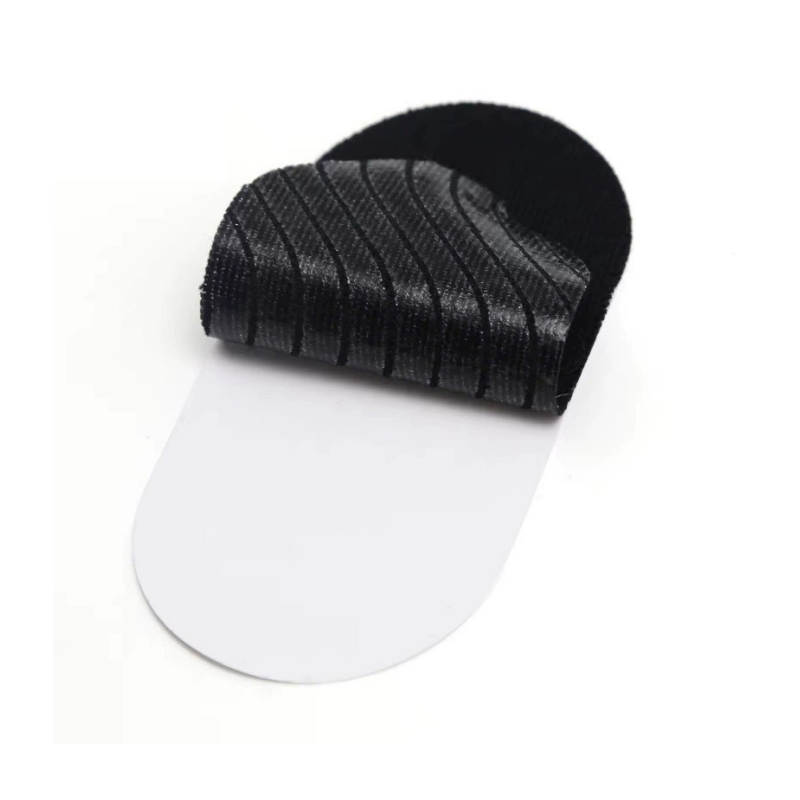
The material of anti-snoring tape significantly affects comfort, adhesion, and effectiveness. Most tapes are made from medical-grade, hypoallergenic polymers or paper-based materials with gentle adhesives. Breathability, elasticity, and moisture resistance are important factors to consider when choosing a tape, as these properties determine whether the tape will stay in place throughout the night and avoid causing skin irritation.
Choose adhesives that are strong enough to maintain closure but mild enough for sensitive skin. Silicone-based adhesives are increasingly popular due to their gentle contact and easy removal. Always test a small patch of skin before first-time use to avoid allergic reactions.
Effective anti-snoring tapes allow some moisture and airflow to prevent dryness or discomfort during sleep. Perforated or micro-vented designs are preferred for individuals prone to dry lips or sensitive skin. Breathable materials also reduce the risk of adhesive loosening due to perspiration.
Selecting the appropriate anti-snoring tape depends on individual breathing habits, comfort preferences, and medical conditions. Nasal tapes are better suited for individuals with nasal obstruction or congestion, while mouth tapes are optimal for those who habitually breathe through the mouth during sleep. Some users may benefit from combining both types for maximum snoring reduction.
| Type | Best For | Key Material Feature |
| Mouth Tape | Mouth breathers, mild snoring | Breathable, hypoallergenic adhesive |
| Nasal Tape | Nasal congestion, deviated septum | Elastic, breathable material |
Choosing the right type of anti-snoring tape—mouth or nasal—requires an understanding of personal breathing habits, comfort requirements, and any underlying medical considerations. With appropriate selection, proper materials, and careful application, anti-snoring tape can be an effective, non-invasive solution to reduce snoring, improve sleep quality, and support overall respiratory comfort during the night.
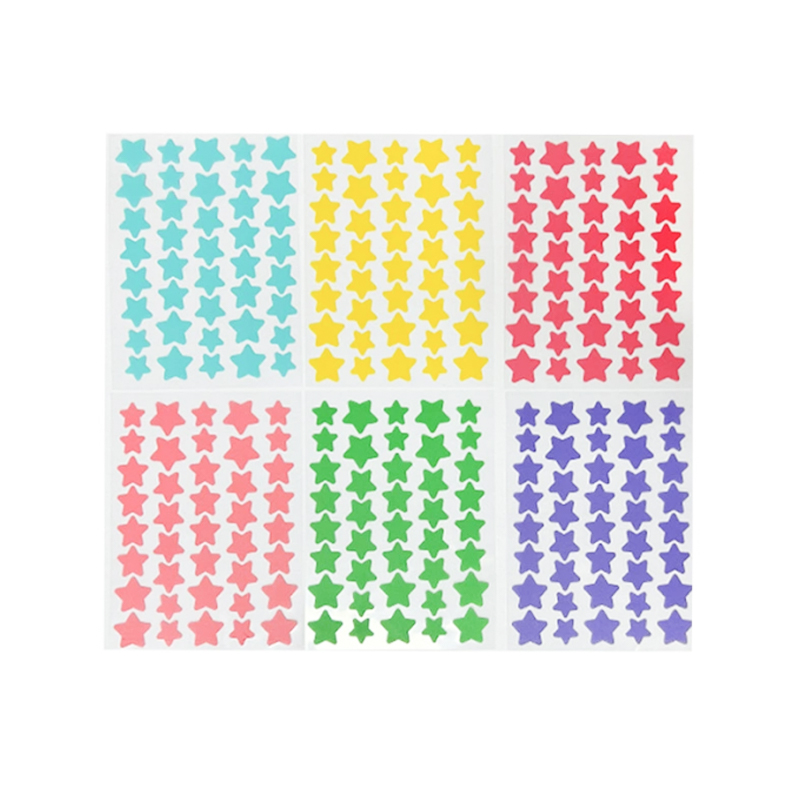 Absorbent, Moisturizing And Non-Irritating Hydrocolloid Acne Patch
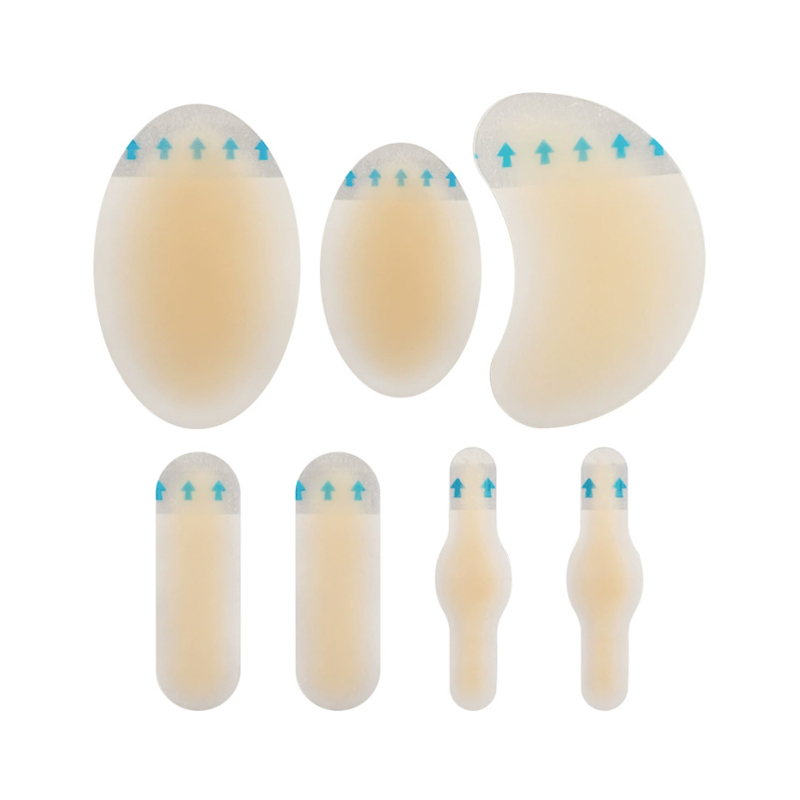 Cushioning, Pressure Reducing, Breathable And Comfortable Heel Patch
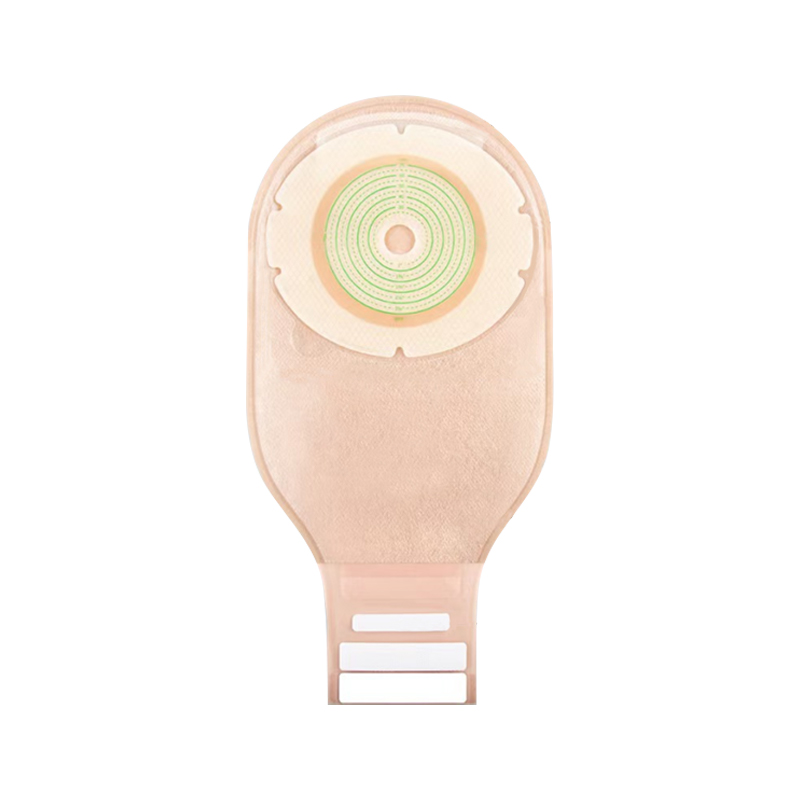 Soft Waterproof and Odor Control Ostomy Pouch
 Widely Used Waterproof And Dustproof Silicone Scar Sheets
 Hypoallergenic Breathable Waterproof Ear Patches
 Strong Adhesive And Drug-Free Anti-Snoring Patch
 Long-Lasting Mosquito Repellent, Safe And Gentle Mosquito Repellent Stickers
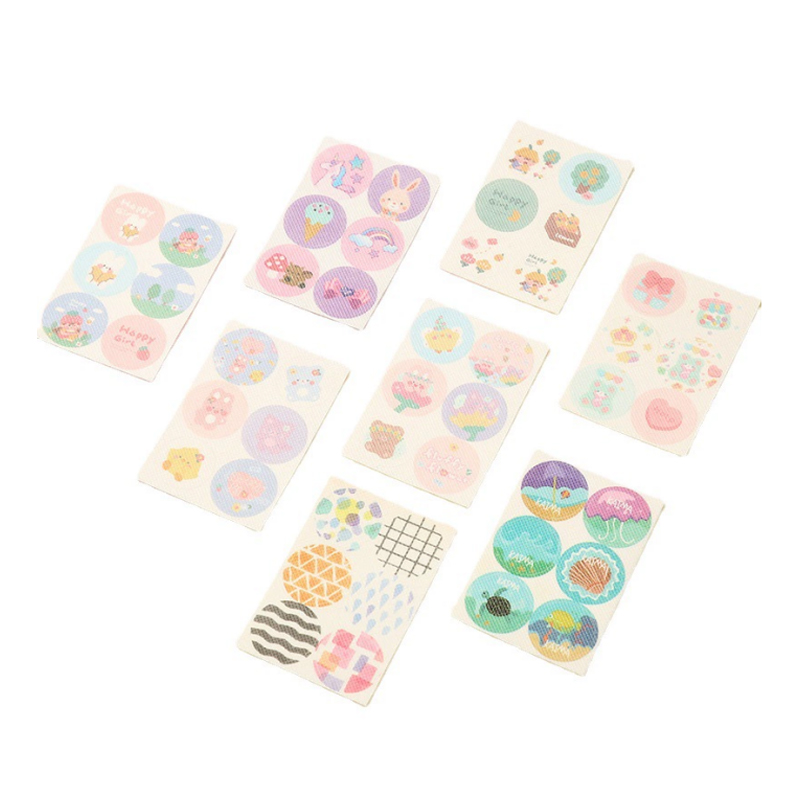 Soothing And Anti-Itching, Mild And Hypoallergenic Soothing Sticker
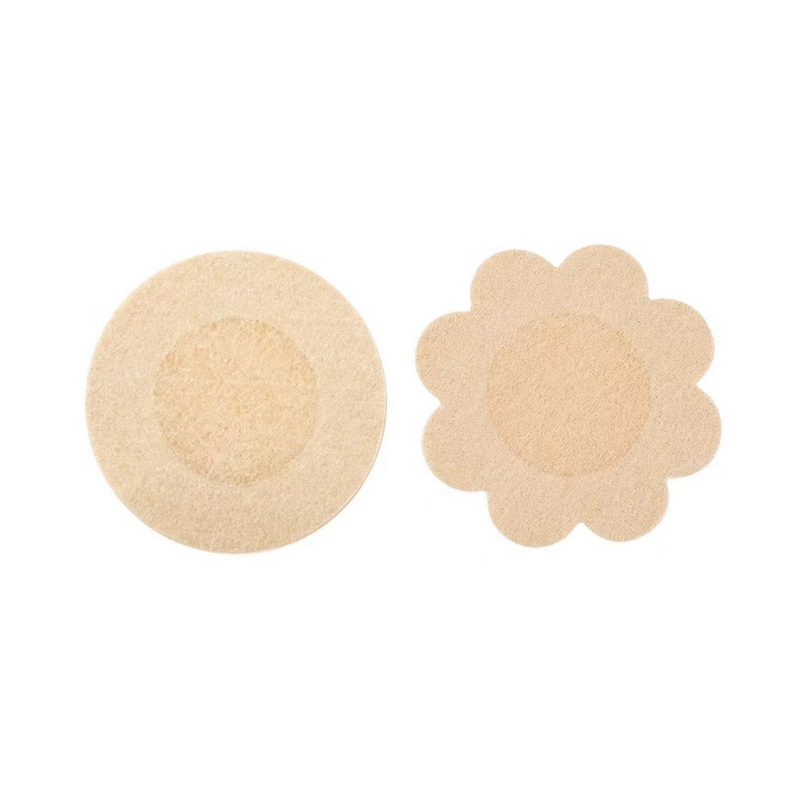 Invisible Non-Slip And Sweat-Proof Nipple Covers
 Portable Design And Reusable Ventilation Nose Strips
 Breathable Comfort Fit Swimming Private Patches
 Strong Adhesion Waterproof And Sweatproof Anti-Exposure Stickers
Copyright © 2024 by Wuxi Xindi Medical Technology Co., Ltd. All Rights Reserved.
medical adhesive tapes manufacturers