
 English
 中文简体
中文简体 日本語
日本語 عربى
عربى русский
 Español
News
Xindi can provide customers with personalized, high-quality products and services to meet the needs of different markets and customers.
Content
Day-wear acne patches must combine sustained adhesion under movement and humidity with low visibility on exposed skin. Design choices span adhesive chemistry, thin-film backings, surface texture, and vapor transport. The engineering goal: maintain consistent contact with the lesion and surrounding skin for hours while minimizing edge lift, shine, and colour contrast against diverse skin tones.
Adhesives determine both hold and comfort. Three adhesive classes dominate: hydrocolloid adhesives, acrylic pressure-sensitive adhesives (PSAs), and silicone-based PSAs. Selection depends on skin sensitivity, sebum load, and required wear time.
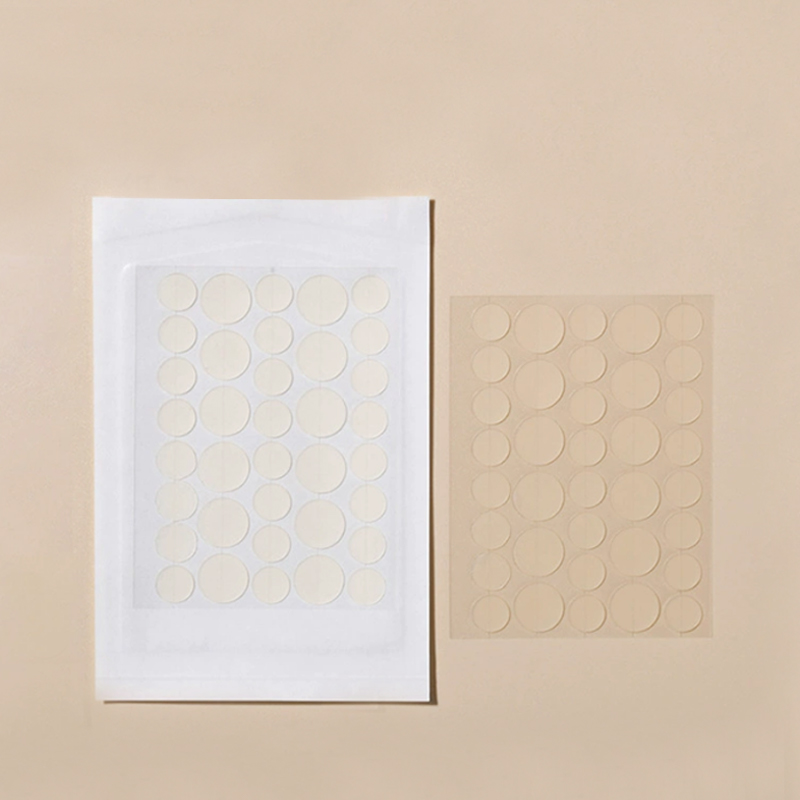
The visible appearance of a patch depends on backing thickness, surface finish, and refractive index matching. Thin, matte films reduce sheen; micro-textured surfaces scatter ambient light to soften edges; refractive-index-tuned adhesive stacks reduce visible haloing.
Day patches must manage sebum and sweat without macerating skin. Breathable membranes and controlled hydrocolloid formulations balance absorption with moisture vapor transmission rate (MVTR). Optimal MVTR preserves adhesion while lowering irritation risk.
Mechanical compliance reduces peel forces during facial expression and head movement. Thin elastic backings and tapered edges minimize edge lift; adhesive patterning (micro-dot or ring adhesives) reduces stress concentration at the patch perimeter.
Day patches must remain adherent when users apply sunscreen, makeup, or wash their face. Surface energy control on the backing and adhesive formulation adjustments provide resistance to common makeup oils and sweat. User instructions often recommend application to clean, dry skin and light powdering or setting spray over the patch to improve blending.
Manufacturers use standardized and application-specific tests to quantify adhesion, wear, and visibility across realistic conditions.
| Test | Condition | Acceptance metric |
| Peel adhesion | 90° peel after 2 h, 37°C, humid | ≥ threshold mN/cm (formulation-specific) |
| Shear hold | Static load under sweat simulant | No slide for 8+ hours |
| MVTR | ASTM or ISO method | Balanced moisture flux |
| Visibility under daylight | Photography at 0°, 30°, 60° angles | Minimal edge contrast vs. baseline skin |
Proper application increases success: cleanse and dry the area, remove excess oils with a mild toner, apply patch with firm pressure from center out, and avoid touching the adhesive. For makeup compatibility, apply lightweight, oil-free products and set with translucent powder instead of heavy creams.
Claims about therapeutic action, active ingredients, and wear time determine whether the product is classified as cosmetic, medical device, or over-the-counter drug in target markets. Ingredient lists, skin-safety test results, and adhesion test data should be part of technical files to support labeling and claims.
Achieving secure, discreet day wear requires coordinated choices in adhesive chemistry, thin-film backings, edge geometry, and breathability. Iterative testing under real-life conditions (sweat, motion, cosmetics) defines the best compromise for a given target user group. For product teams, prioritize gentle adhesives for sensitive skin, matte thin films for visual blending, and clear performance metrics for adhesion and MVTR before scale-up.
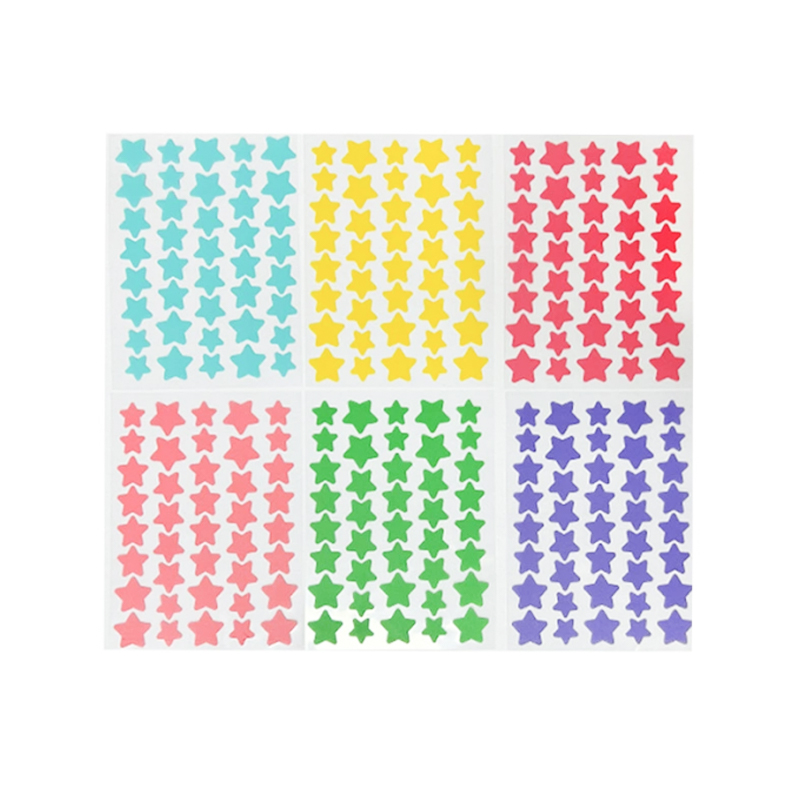 Absorbent, Moisturizing And Non-Irritating Hydrocolloid Acne Patch
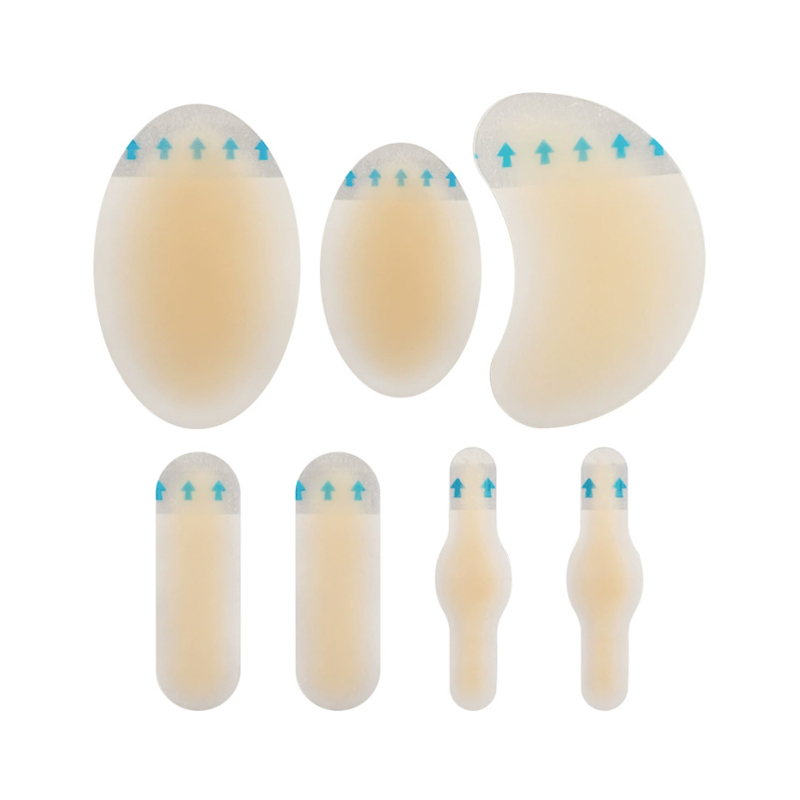 Cushioning, Pressure Reducing, Breathable And Comfortable Heel Patch
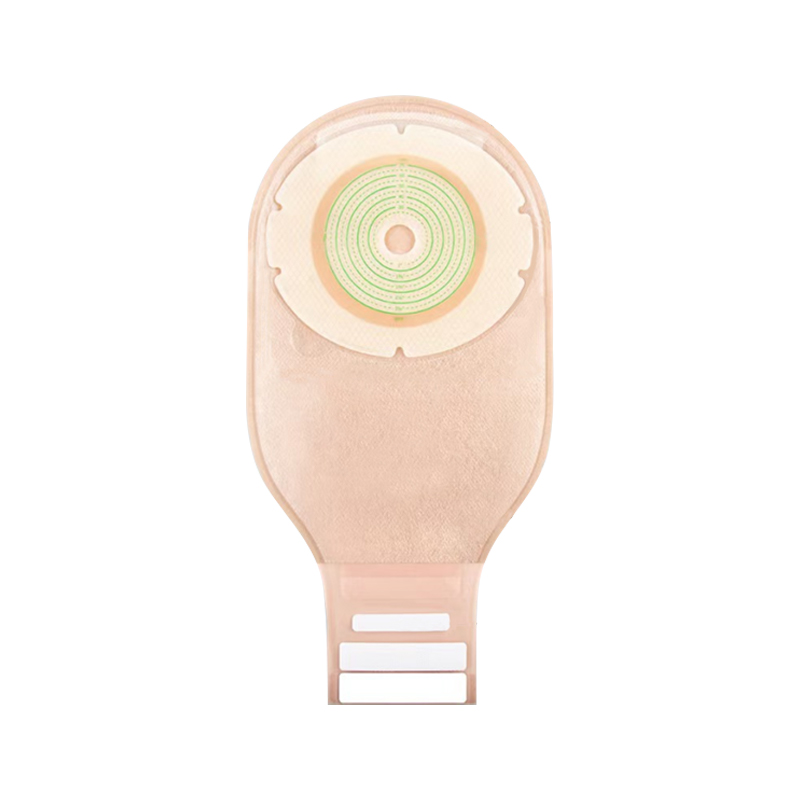 Soft Waterproof and Odor Control Ostomy Pouch
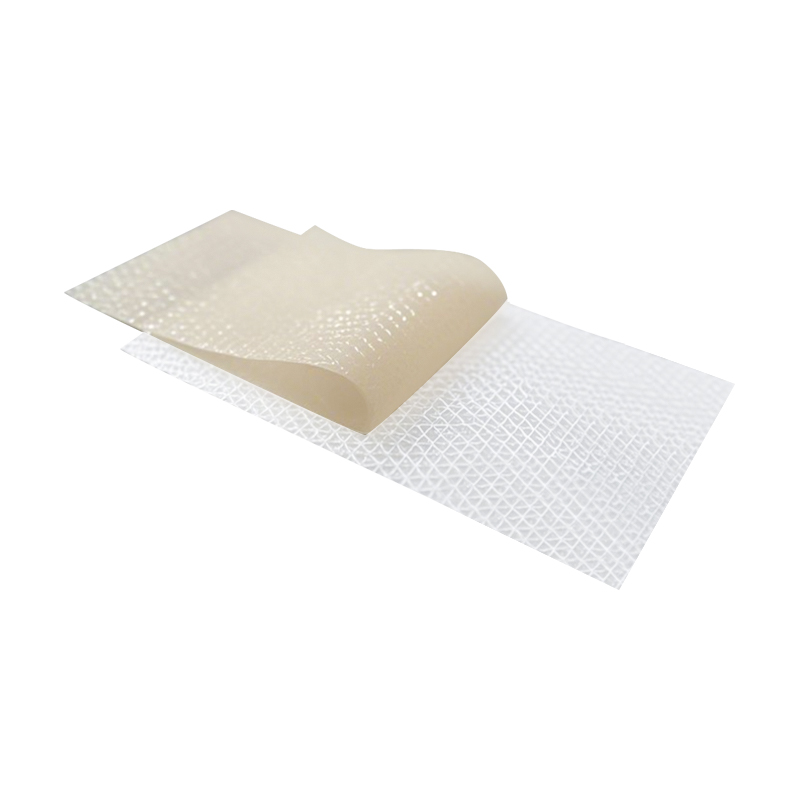 Widely Used Waterproof And Dustproof Silicone Scar Sheets
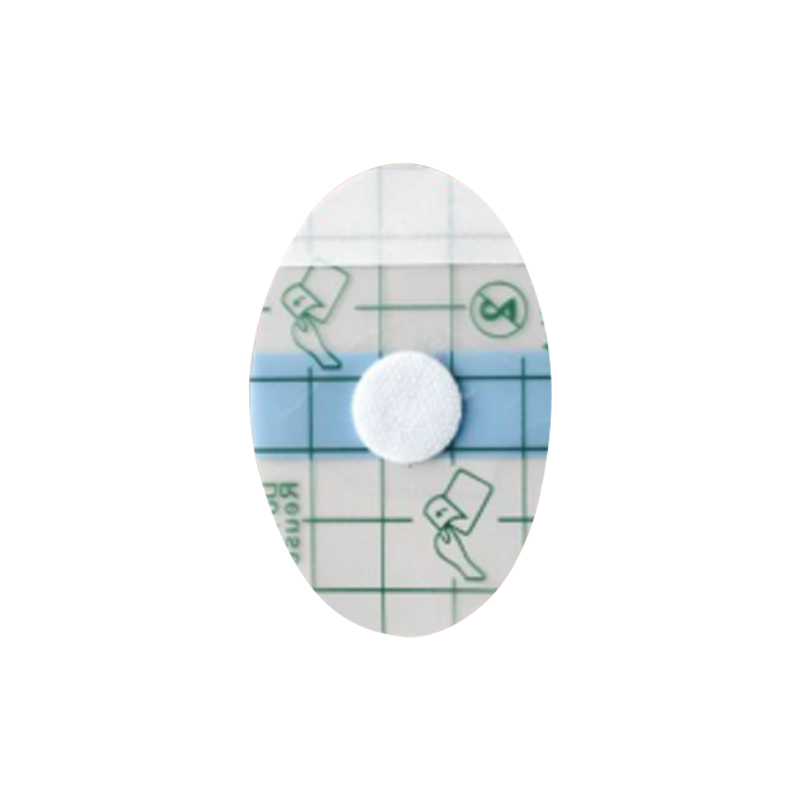 Hypoallergenic Breathable Waterproof Ear Patches
 Strong Adhesive And Drug-Free Anti-Snoring Patch
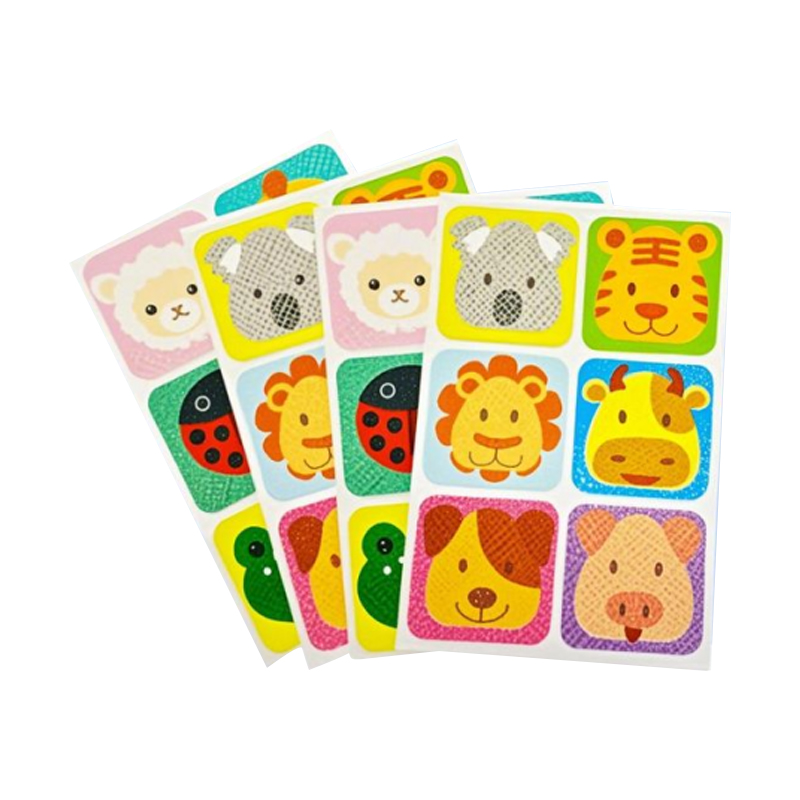 Long-Lasting Mosquito Repellent, Safe And Gentle Mosquito Repellent Stickers
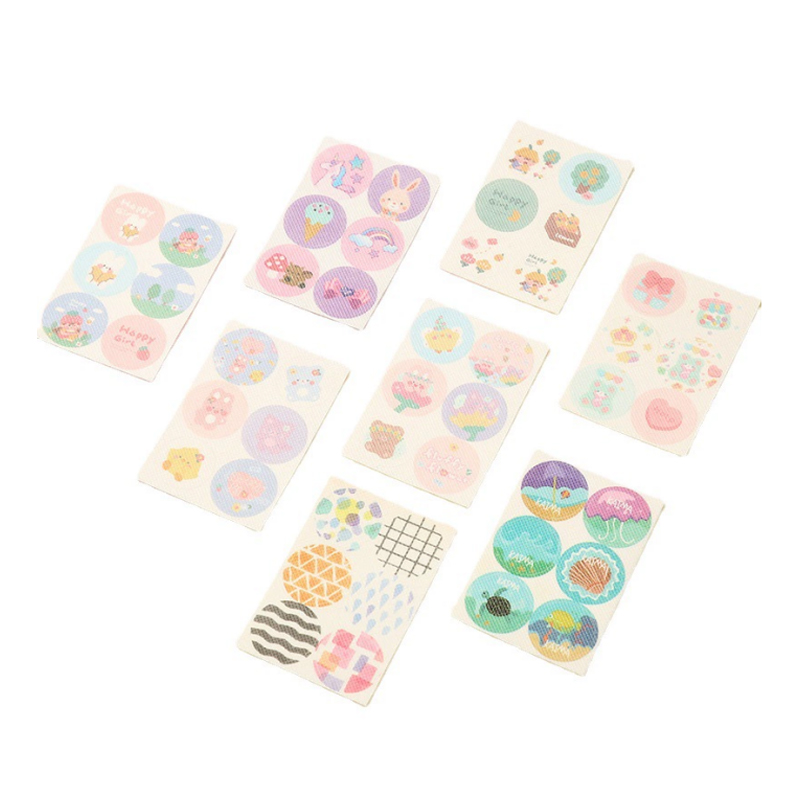 Soothing And Anti-Itching, Mild And Hypoallergenic Soothing Sticker
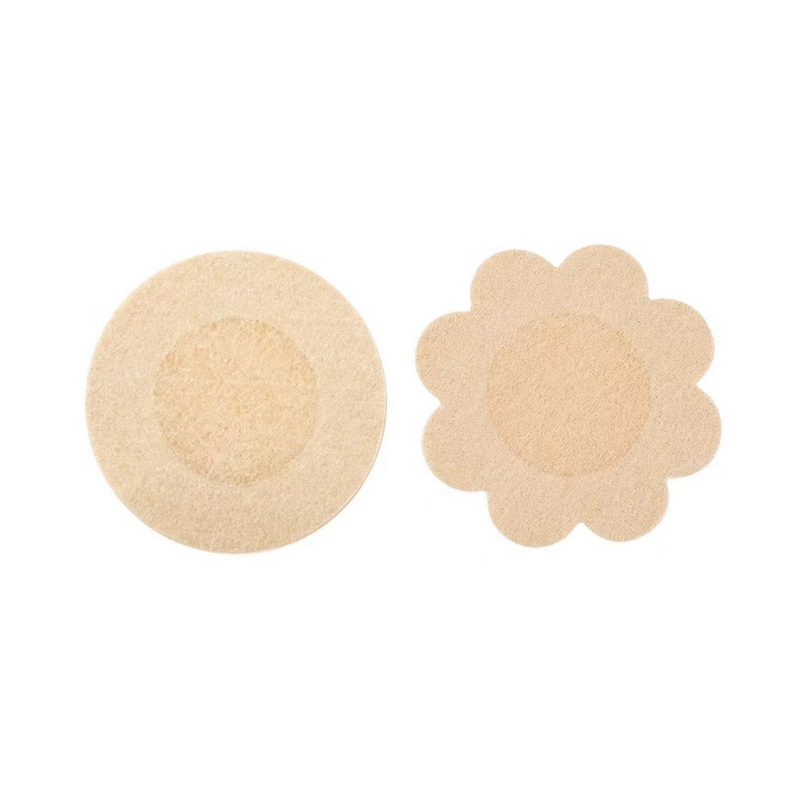 Invisible Non-Slip And Sweat-Proof Nipple Covers
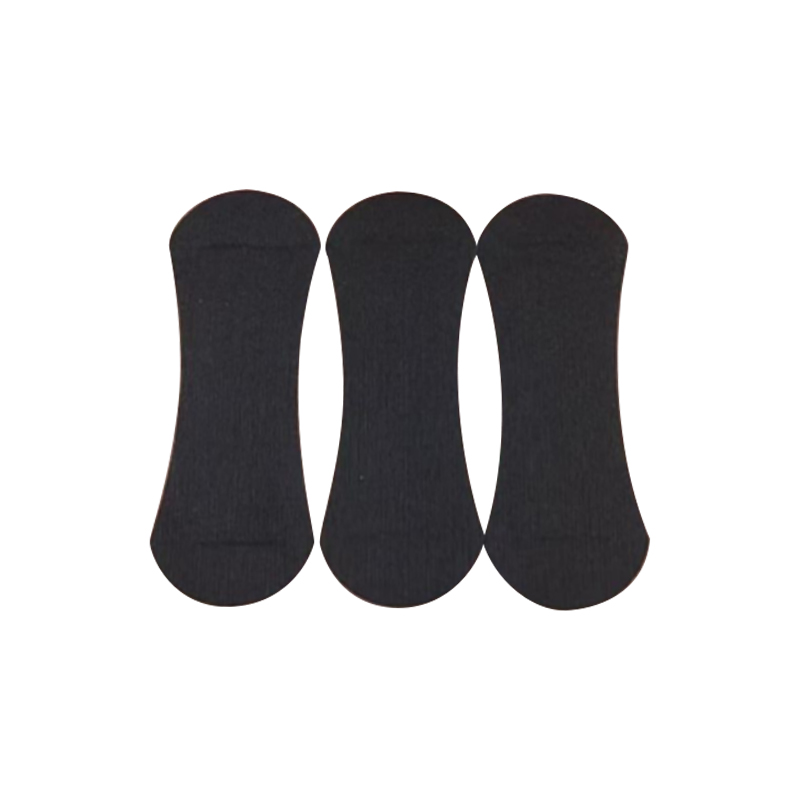 Portable Design And Reusable Ventilation Nose Strips
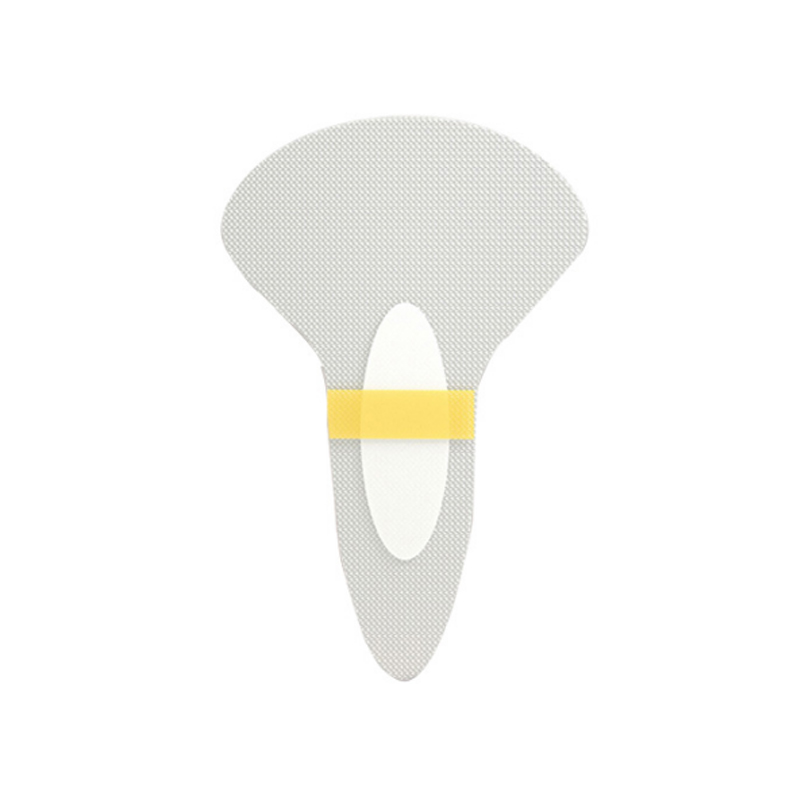 Breathable Comfort Fit Swimming Private Patches
 Strong Adhesion Waterproof And Sweatproof Anti-Exposure Stickers
Copyright © 2024 by Wuxi Xindi Medical Technology Co., Ltd. All Rights Reserved.
medical adhesive tapes manufacturers