
 English
 中文简体
中文简体 日本語
日本語 عربى
عربى русский
 Español
News
Xindi can provide customers with personalized, high-quality products and services to meet the needs of different markets and customers.
Hydrocolloid patches are occlusive dressings composed of gel-forming agents (carboxymethylcellulose, pectin, gelatin) embedded in a pressure-sensitive adhesive matrix. When applied to a cracked heel, the patch absorbs exudate and bodily moisture, forming a gel that creates a moist wound-healing environment. This controlled moisture promotes cell migration, softens hardened callus edges, reduces pain by cushioning the fissure, and protects the area from shear and contamination while the tissue regenerates.
Content
A hydrocolloid patch typically has three layers: a waterproof outer film that blocks contaminants, a hydrocolloid core that absorbs fluid and converts to gel, and an adhesive border that seals to intact skin. The adhesive is formulated to hold under low-to-moderate shear while being removable without traumatic peeling when used per directions.
Moist wound environments speed re-epithelialization, reduce scab formation, and limit cracking at the wound edge. For heel fissures—where repeated load and dry skin impede closure—hydrocolloid patches both offload mechanical stress and maintain hydration, addressing two root causes simultaneously.
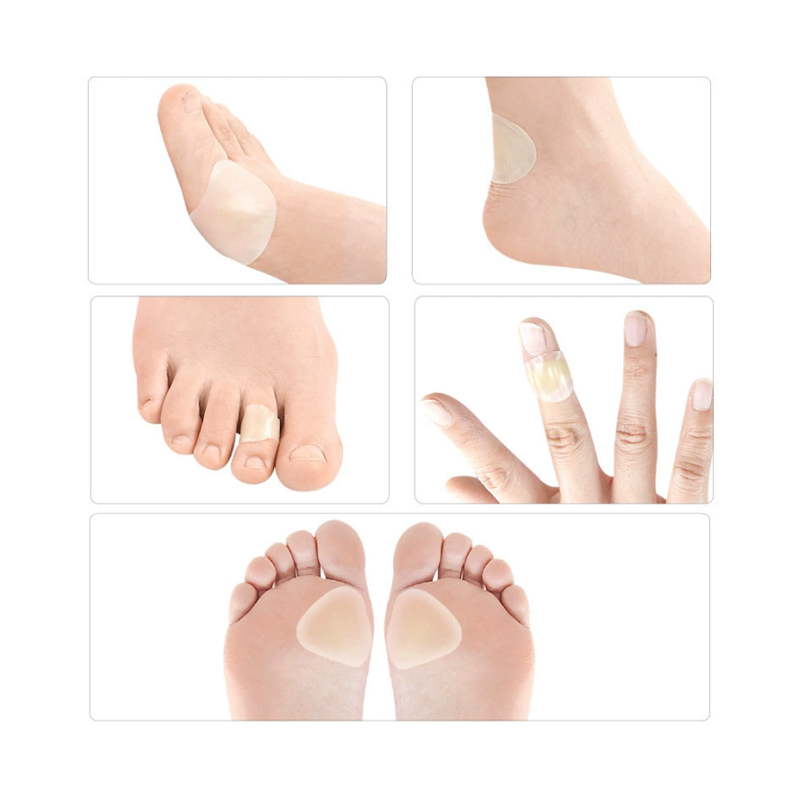
Hydrocolloid heel patches offer targeted benefits versus emollients alone: localized cushioning, a barrier against contamination, sustained hydration, reduced pain when walking, and a discreet, low-profile dressing that can be worn inside shoes when sized correctly.
Not all hydrocolloid products are optimized for heels. Use the following attributes to compare options and select a product that addresses your symptom severity, daily activity, and skin sensitivity.
Correct preparation and application maximize adhesion and therapeutic effect. Follow these steps for best results.
Clean the heel with mild soap and warm water; dry thoroughly. Remove loose flakes of callus or dead tissue gently with a pumice or file only if instructed by a clinician—excessive debridement in non-clinical settings can introduce bleeding. Ensure surrounding skin is fully dry and free of lotions or oils that reduce adhesive bond.
Peel backing and center the patch over the fissure, smoothing edges to create a continuous seal. Press firmly for 10–20 seconds to activate adhesive. Typical wear time ranges from 24 to 72 hours depending on product instructions and exudate level; replace the patch when it turns white/translucent from fluid loading or when adhesion fails.
Remove slowly and parallel to skin to minimize trauma. If adhesive residue remains, use warm water and gentle soap; avoid aggressive solvents on weakened skin. Observe the fissure—a reduced gap, moist pink tissue, and decreased pain indicate progress.
Hydrocolloid heel solutions fall into categories: thin adhesive dressings, thick cushioning heel pads, adhesive-backed foam hybrids with hydrocolloid cores, and clinical-grade multi-day patches. Choose based on fissure depth, activity level, and exposure to moisture.
| Type | Intended use | Adhesion | Wear time | Best for |
| Thin hydrocolloid dressing | Superficial fissures, low exudate | Moderate | 24–48 hours | Mild cracks |
| Thick heel pad (cushioned) | Deep fissures, offloading needed | Strong | 48–72 hours | Weight-bearing fissures |
| Adhesive-foam hybrid | Cushion + moisture control | Strong | 48–72 hours | Active users, walking |
| Clinical multi-day patch | Persistent fissures, clinician-directed care | Very strong | 72+ hours | Chronic cracks, low-maintenance |
Hydrocolloid patches are not appropriate for every situation. They are contraindicated for heavily infected wounds, actively bleeding fissures, and in some cases of peripheral neuropathy or poor vascular supply where reduced sensation masks deterioration. People with diabetes, vascular disease, or significant peripheral neuropathy should consult a clinician before self-treating heel fissures.
Seek professional care if there is spreading redness, increasing pain, foul odor, pus, fever, persistent non-healing after several dressing cycles, or if the person has diabetes or poor circulation. These signs suggest infection or underlying pathology needing prescription treatment.
Patches treat fissures locally but preventing recurrence requires routine skin care and mechanical adjustments.
Conclusion: The best hydrocolloid heel patches for cracked heels are those matched to fissure depth, activity level, and skin sensitivity—thicker, contoured, clinical-grade patches for deep weight-bearing fissures; thinner, flexible hydrocolloid dressings for superficial cracks. Combine correct patch selection with regular moisturizing, mechanical offloading, and medical review when indicated to achieve lasting healing and prevent recurrence.
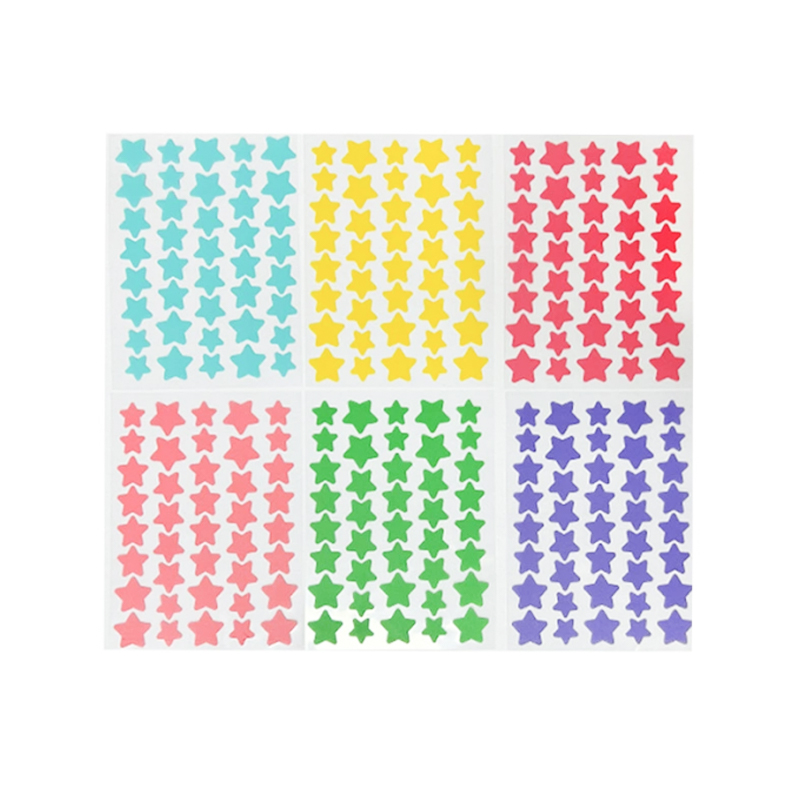 Absorbent, Moisturizing And Non-Irritating Hydrocolloid Acne Patch
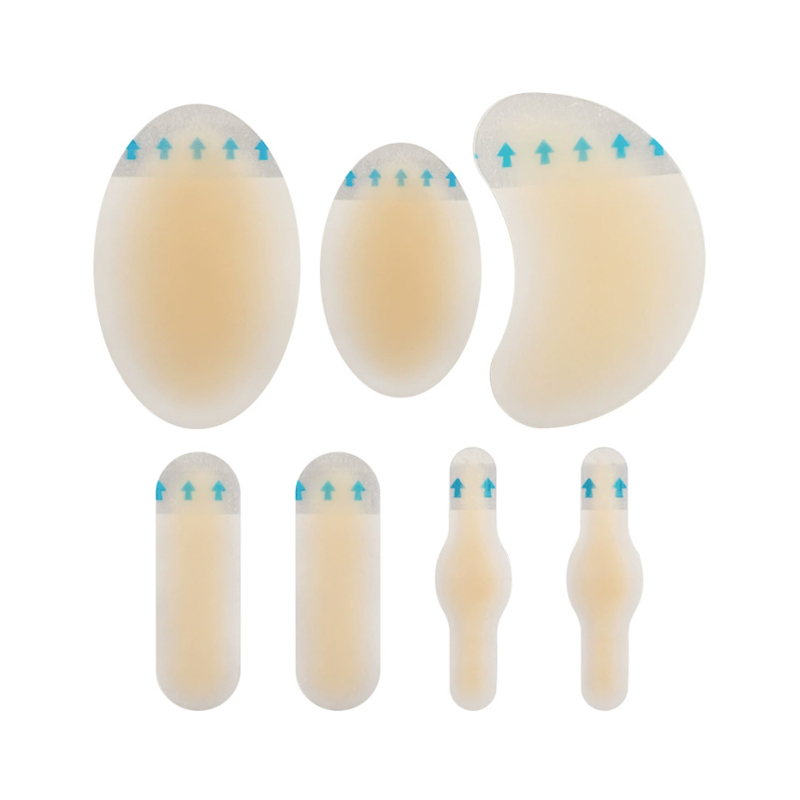 Cushioning, Pressure Reducing, Breathable And Comfortable Heel Patch
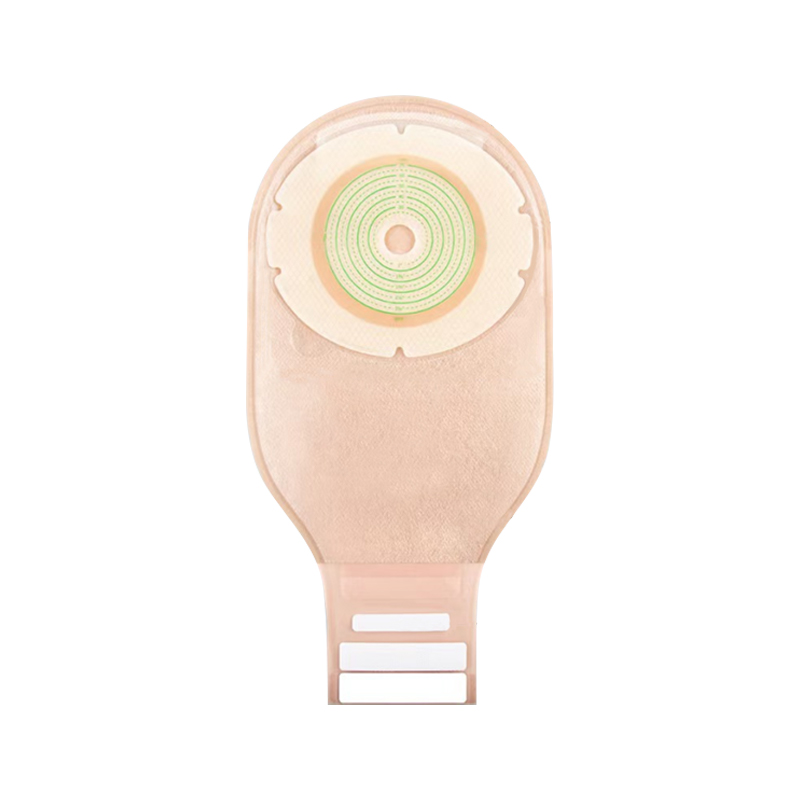 Soft Waterproof and Odor Control Ostomy Pouch
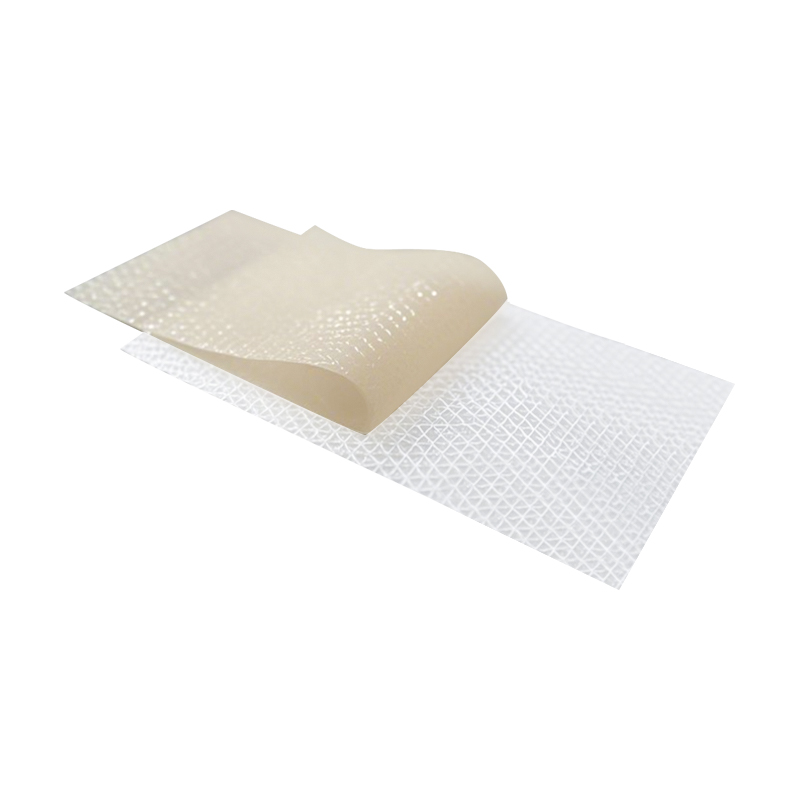 Widely Used Waterproof And Dustproof Silicone Scar Sheets
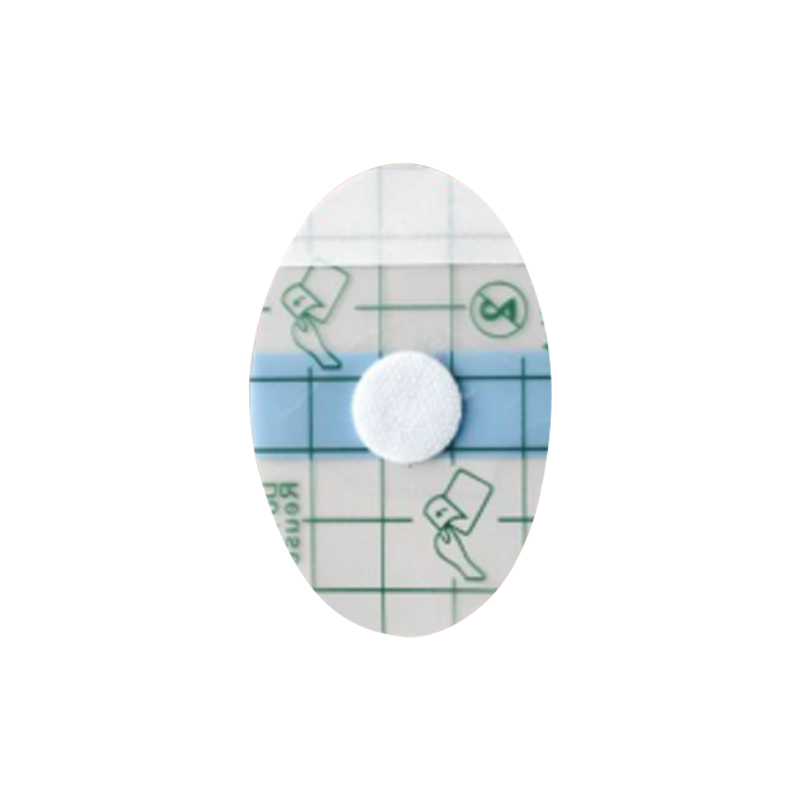 Hypoallergenic Breathable Waterproof Ear Patches
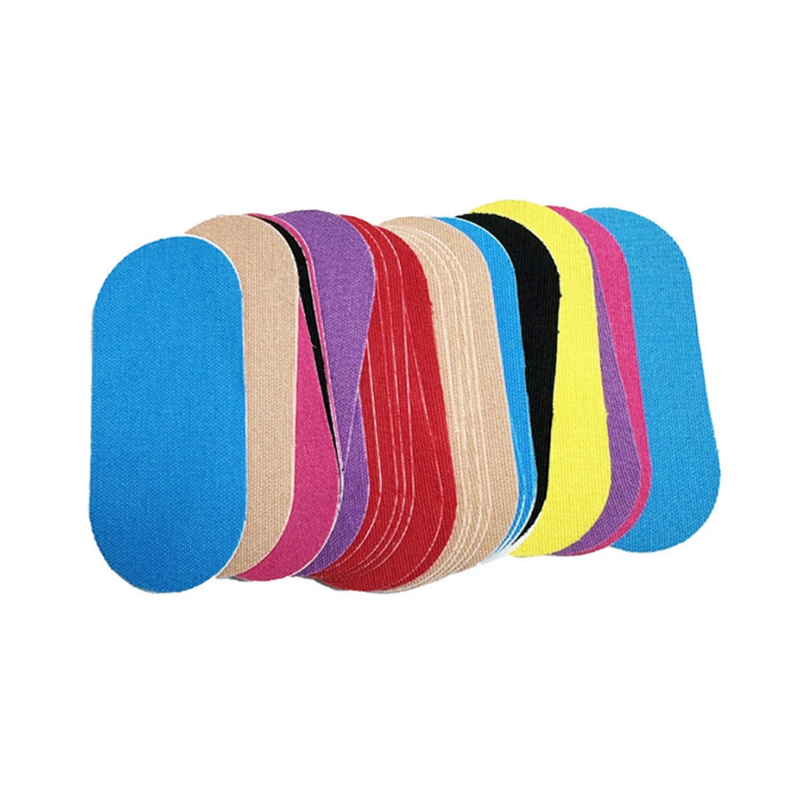 Strong Adhesive And Drug-Free Anti-Snoring Patch
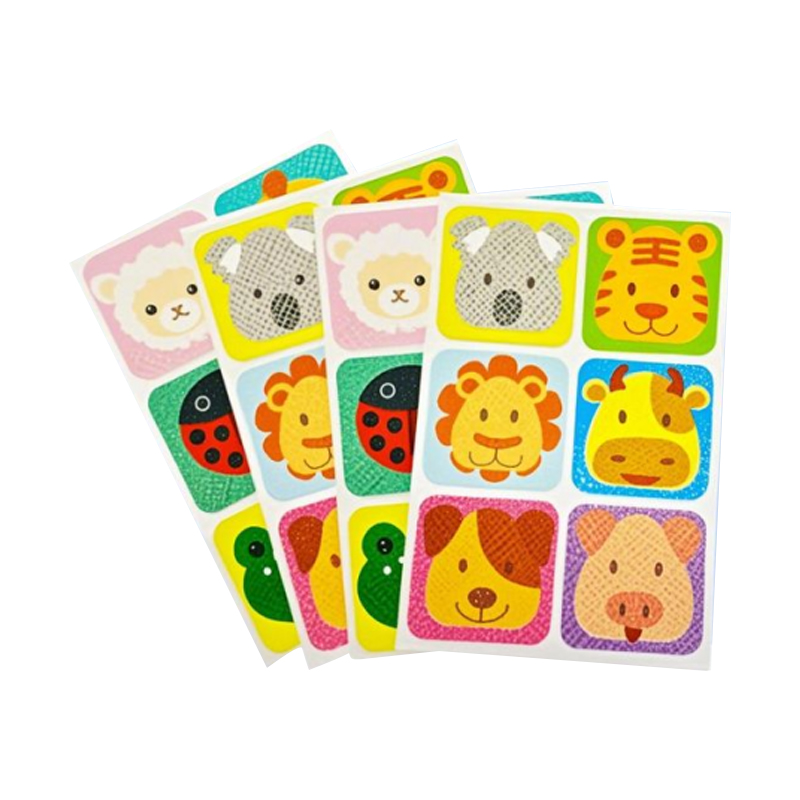 Long-Lasting Mosquito Repellent, Safe And Gentle Mosquito Repellent Stickers
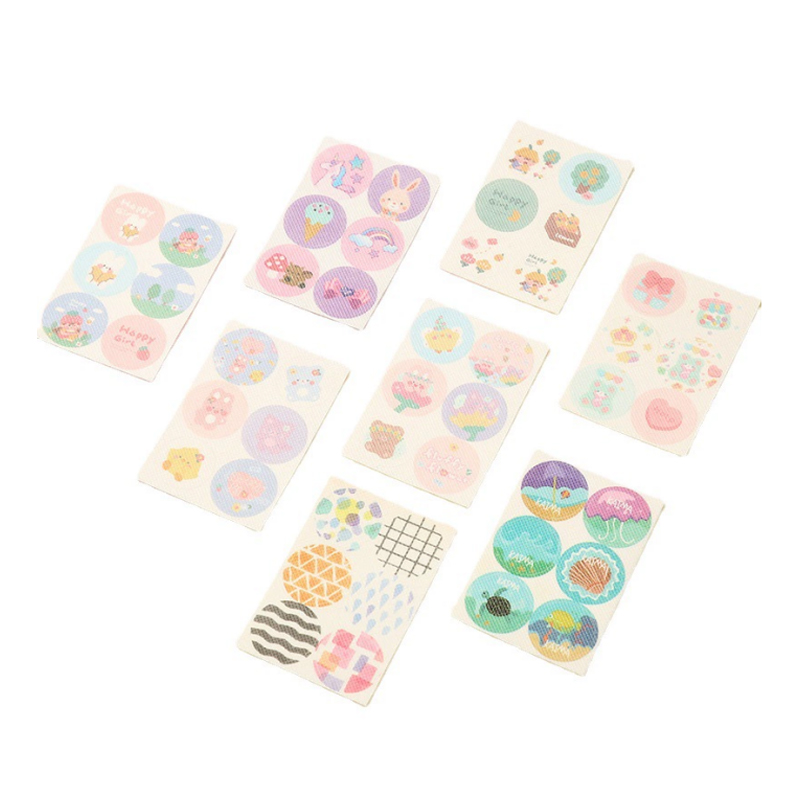 Soothing And Anti-Itching, Mild And Hypoallergenic Soothing Sticker
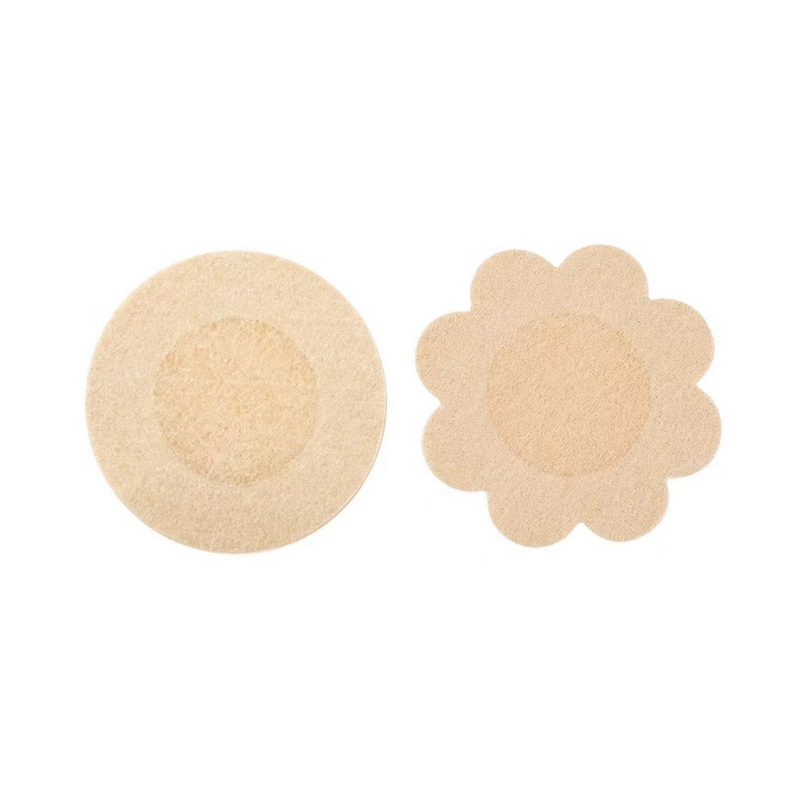 Invisible Non-Slip And Sweat-Proof Nipple Covers
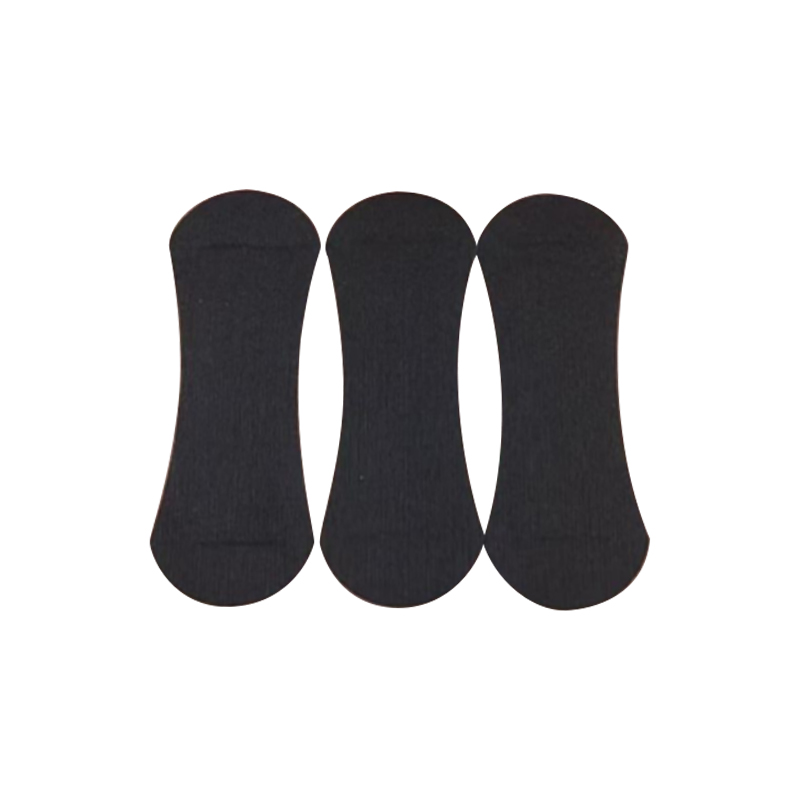 Portable Design And Reusable Ventilation Nose Strips
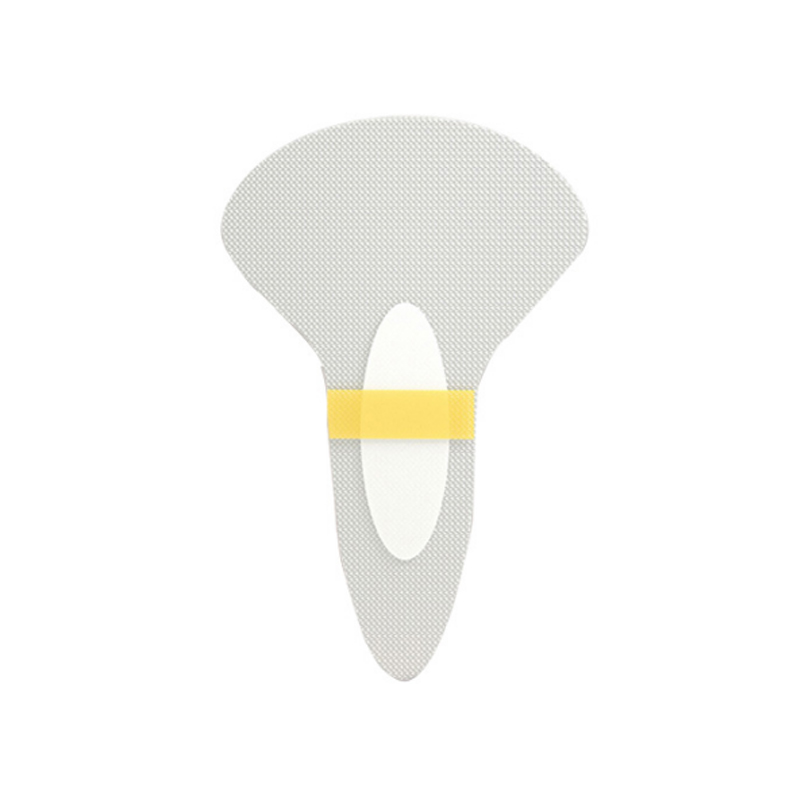 Breathable Comfort Fit Swimming Private Patches
 Strong Adhesion Waterproof And Sweatproof Anti-Exposure Stickers
Copyright © 2024 by Wuxi Xindi Medical Technology Co., Ltd. All Rights Reserved.
medical adhesive tapes manufacturers