
 English
 中文简体
中文简体 日本語
日本語 عربى
عربى русский
 Español
News
Xindi can provide customers with personalized, high-quality products and services to meet the needs of different markets and customers.
Hydrocolloid patches have gained significant attention for their versatility and effectiveness in addressing various skin issues. From acne treatment to wound care, these patches offer a practical solution for maintaining skin health while promoting healing. But what exactly is a hydrocolloid patch, and how does it work? Let’s explore the functions and benefits of these remarkable skincare products.
Content
A hydrocolloid patch is a medical-grade dressing that consists of a gel-forming agent, typically made of substances like carboxymethylcellulose, gelatin, or pectin. These ingredients form a semi-permeable barrier that absorbs moisture from the skin, creating an environment that accelerates healing while protecting the wound or skin imperfection. The material is designed to be adhesive, flexible, and waterproof, making it ideal for use in a wide variety of scenarios.
The patches are most commonly used for acne, minor cuts, blisters, and other skin conditions that require protection and healing. However, they are often also used for more severe medical wounds in healthcare settings.
Hydrocolloid patches work through a unique combination of absorption and protection. Here’s how:
Absorption of Moisture: The gel material inside the hydrocolloid patch helps absorb exudate (fluid released from the skin), which helps reduce inflammation and pain. For acne or blisters, this fluid is typically pus or serum, which can cause irritation if left exposed to the air. The patch draws this fluid into the hydrocolloid material, thereby preventing it from drying out and promoting a clean environment for faster healing.
Moisture-Rich Healing Environment: One of the most important functions of hydrocolloid patches is their ability to maintain a moist wound healing environment. Studies have shown that wounds and skin imperfections heal faster in moist conditions because the skin cells can regenerate more quickly. The hydrocolloid material traps moisture while allowing gases like oxygen to pass through, making it a perfect medium for wound healing without drying out the skin.
Protection from External Elements: Hydrocolloid patches provide an airtight and waterproof barrier, shielding the affected area from dirt, bacteria, and harmful environmental factors. This prevents contamination and keeps the area clean, which is particularly crucial in preventing infections from open wounds or blemishes.
Pain Reduction: For acne, minor cuts, or blisters, hydrocolloid patches can reduce pain by protecting the irritated area from friction and pressure. The cushioning effect of the patch also helps alleviate discomfort caused by pressure or contact with clothing or other surfaces.
The appeal of hydrocolloid patches lies in their broad range of benefits. Here are some of the key advantages:
Promotes Faster Healing: Hydrocolloid patches create an optimal healing environment by keeping the affected area moist. This speeds up the skin’s natural regenerative process, allowing you to heal faster and get back to your normal routine.
Prevents Scarring: By preventing the skin from drying out, hydrocolloid patches reduce the risk of scarring. Moist healing can minimize scarring by allowing the tissue to regenerate without forming crusts or scabs, which can lead to visible marks.
Convenient and Discreet: Hydrocolloid patches are discreet and easy to apply. Many patches are thin and clear, which makes them less noticeable on the skin. This makes them ideal for acne treatment, especially for individuals who want to conceal blemishes while still allowing the skin to heal.
Non-Irritating: Most hydrocolloid patches are designed for sensitive skin and are hypoallergenic. Since they don’t require any harsh chemicals or adhesives, they are generally safe for most skin types, including those with sensitive or reactive skin.
Reusable and Cost-Effective: In many cases, hydrocolloid patches can be reused several times, making them a cost-effective alternative to other wound-care treatments. They are especially useful for individuals who need to manage chronic acne or other skin imperfections over a long period.
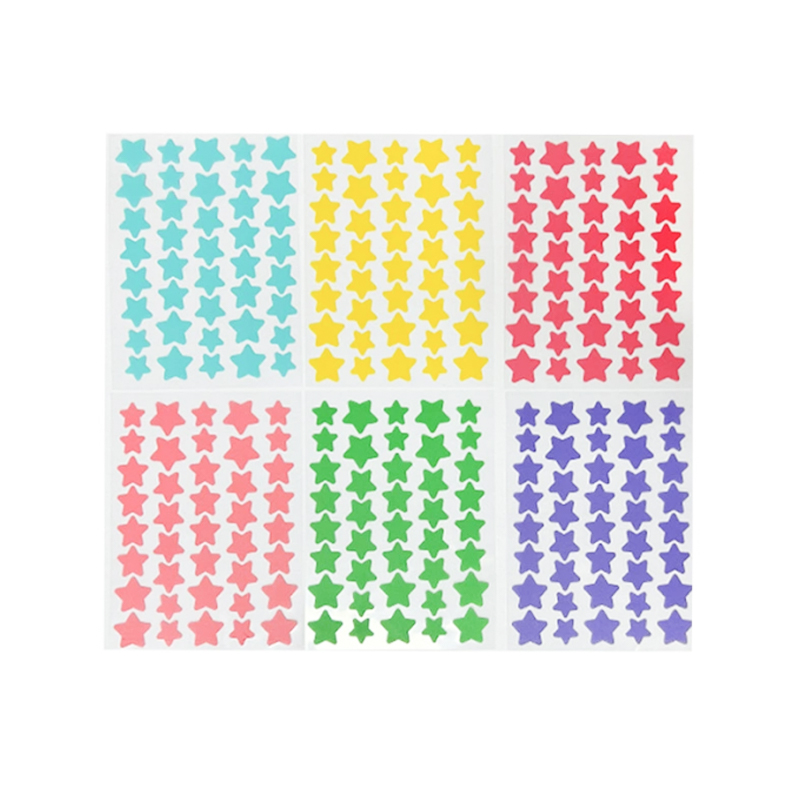
Hydrocolloid patches can be used in a variety of skin care and medical applications:
Acne Treatment: One of the most popular uses for hydrocolloid patches is treating acne. They are placed over pimples or blemishes and work by absorbing excess oil and pus, reducing inflammation and minimizing the risk of scarring.
Blister Care: Hydrocolloid patches are widely used to treat blisters caused by friction or pressure. The patches protect the blister while absorbing fluid and promoting faster healing.
Minor Cuts and Scrapes: For small cuts, abrasions, or scrapes, hydrocolloid patches provide a protective barrier against dirt and bacteria, helping the wound heal more quickly without the need for additional ointments or bandages.
Wound Care: Hydrocolloid dressings are often used in medical settings to treat chronic wounds, burns, and ulcers. Their ability to maintain a moist environment makes them suitable for healing a range of wounds.
Post-Surgery Healing: After certain surgical procedures, hydrocolloid patches can be used to speed up healing and reduce the risk of infection at the incision site.
Using hydrocolloid patches is simple and straightforward:
Clean the Area: Gently clean the affected area with mild soap and water. Make sure the skin is dry before applying the patch.
Apply the Patch: Remove the backing from the patch and apply it directly over the acne, blister, or wound. Make sure it adheres well to the skin.
Leave It in Place: Leave the patch on for as long as necessary, typically between 6-12 hours, or as recommended by the manufacturer. The patch will absorb moisture and change color as it works.
Remove and Replace: Once the patch has absorbed the fluid or when it starts to lose its adhesive properties, gently remove the patch. If needed, replace it with a fresh patch.
Hydrocolloid patches are a versatile and effective solution for a wide range of skin issues. From treating acne to promoting faster healing of minor wounds, these patches offer several key benefits, including pain relief, faster recovery, and reduced scarring. With their ability to maintain a moist environment and protect against external elements, hydrocolloid patches are an excellent addition to any skincare or wound care routine.
 Absorbent, Moisturizing And Non-Irritating Hydrocolloid Acne Patch
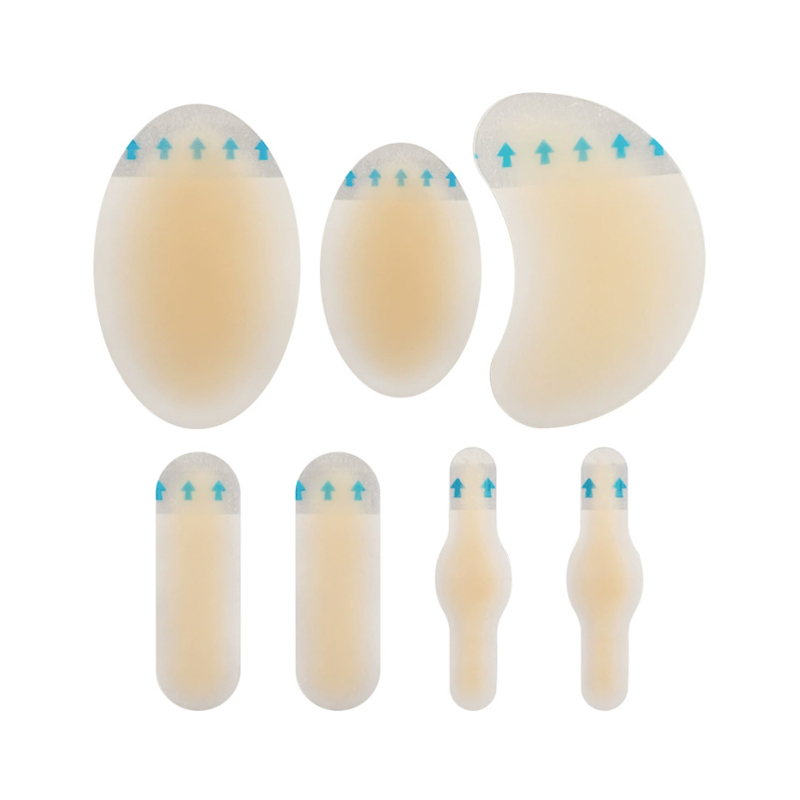 Cushioning, Pressure Reducing, Breathable And Comfortable Heel Patch
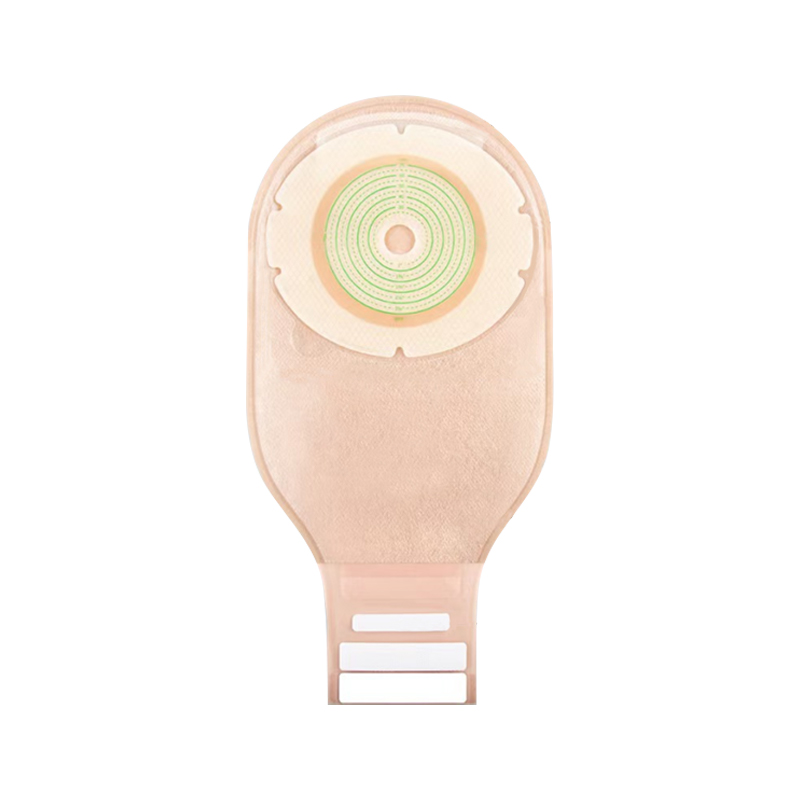 Soft Waterproof and Odor Control Ostomy Pouch
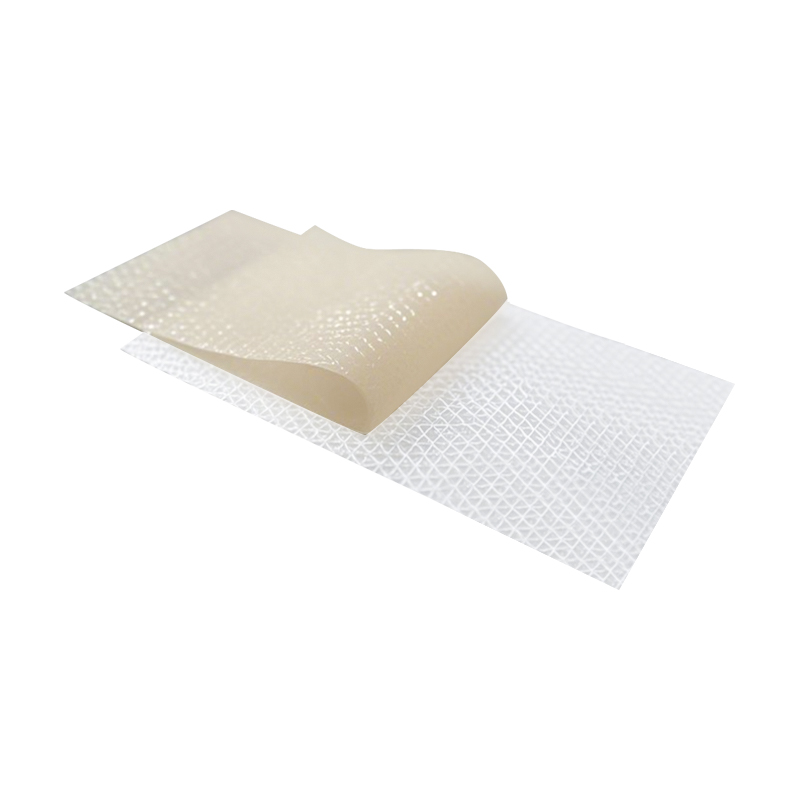 Widely Used Waterproof And Dustproof Silicone Scar Sheets
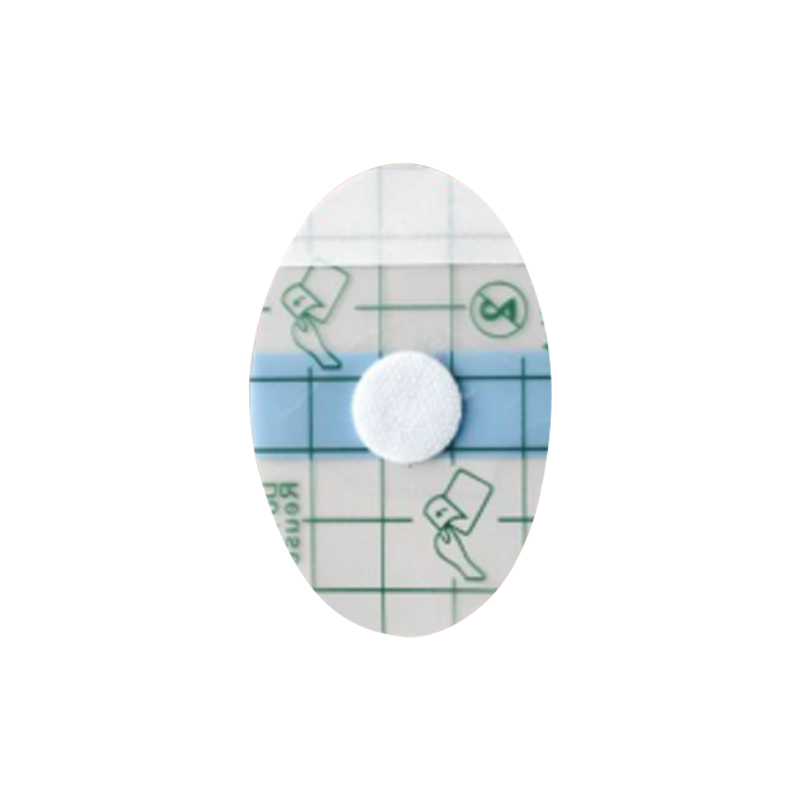 Hypoallergenic Breathable Waterproof Ear Patches
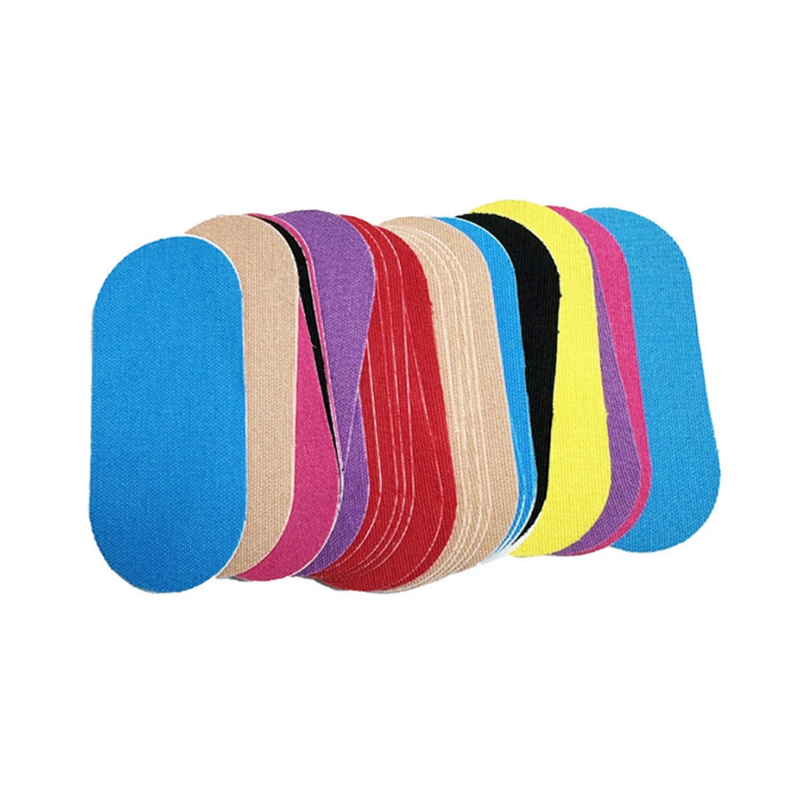 Strong Adhesive And Drug-Free Anti-Snoring Patch
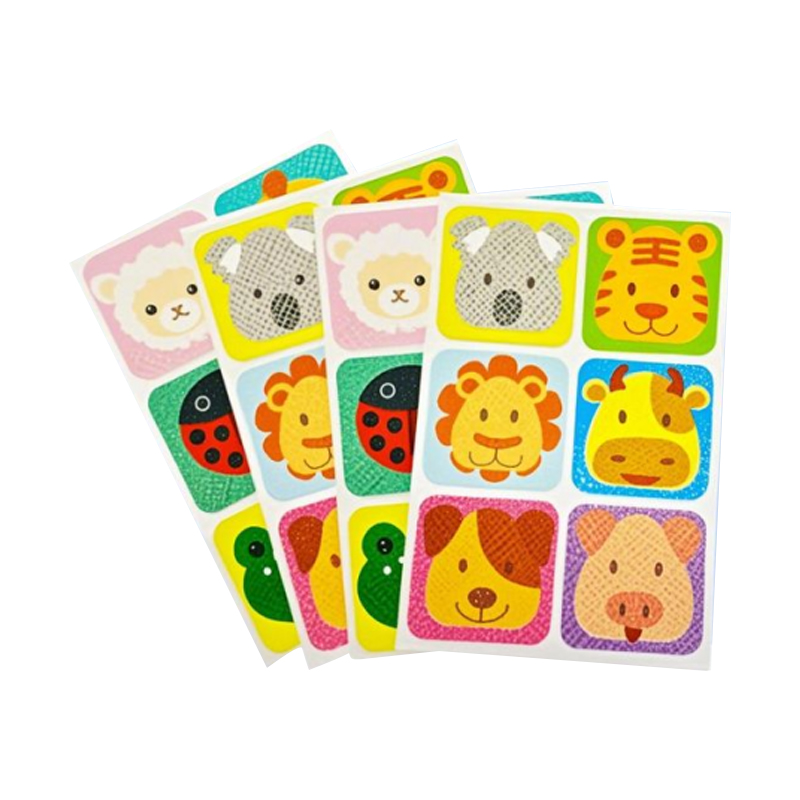 Long-Lasting Mosquito Repellent, Safe And Gentle Mosquito Repellent Stickers
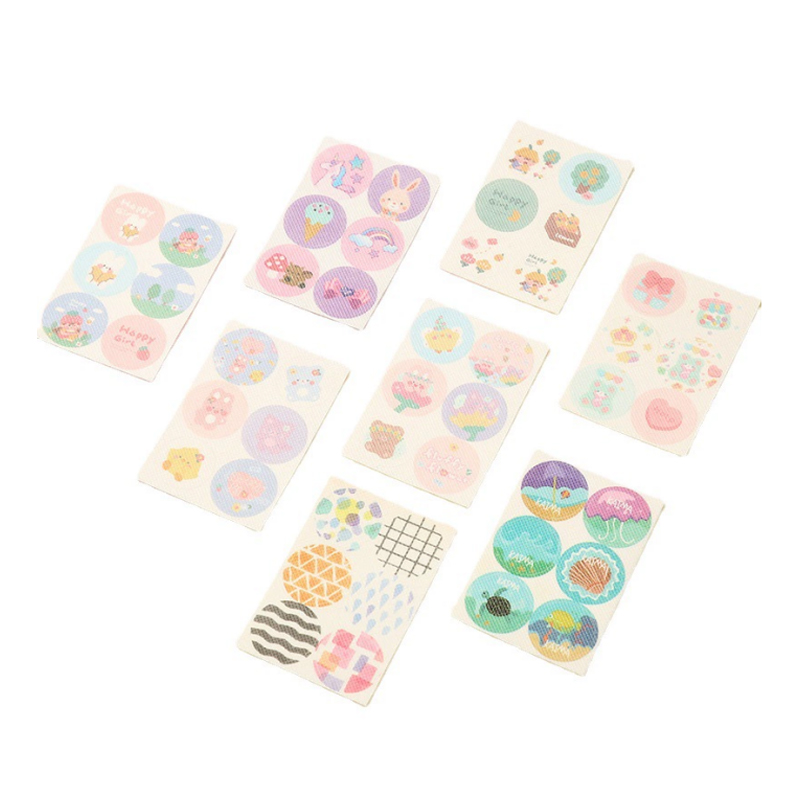 Soothing And Anti-Itching, Mild And Hypoallergenic Soothing Sticker
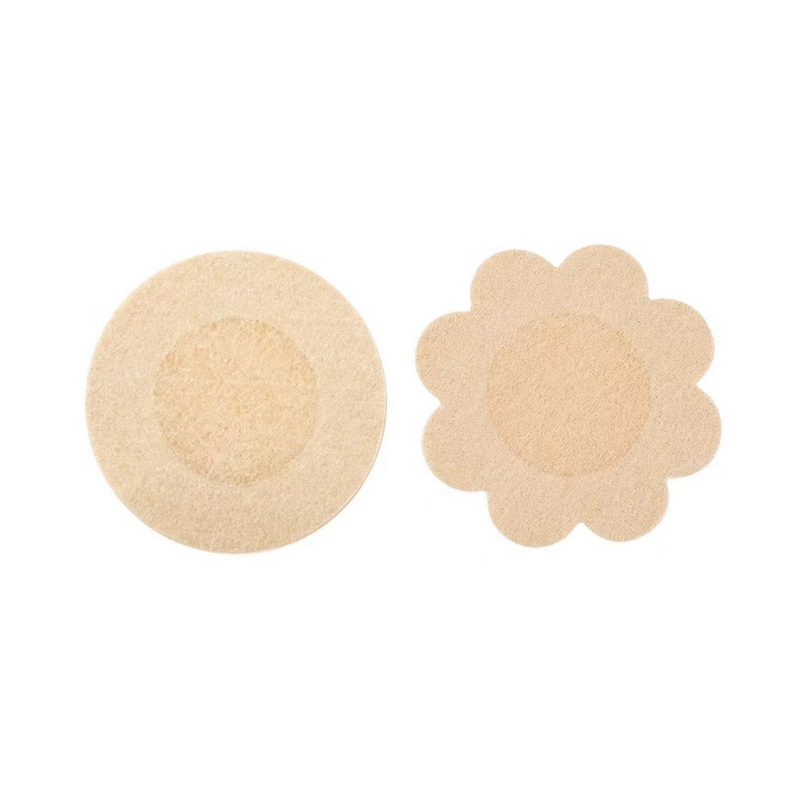 Invisible Non-Slip And Sweat-Proof Nipple Covers
 Portable Design And Reusable Ventilation Nose Strips
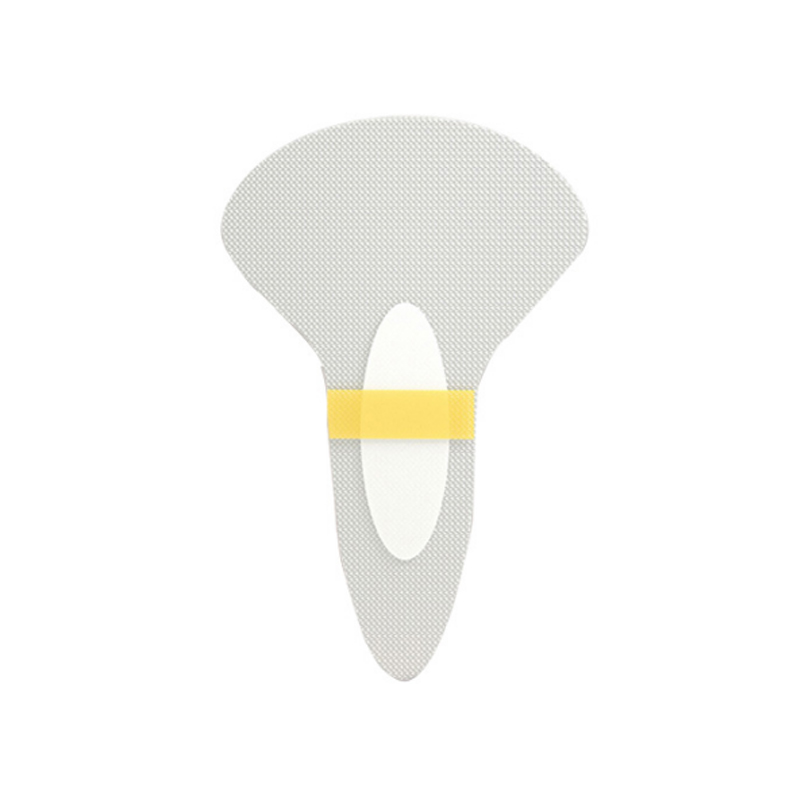 Breathable Comfort Fit Swimming Private Patches
 Strong Adhesion Waterproof And Sweatproof Anti-Exposure Stickers
Copyright © 2024 by Wuxi Xindi Medical Technology Co., Ltd. All Rights Reserved.
medical adhesive tapes manufacturers