+86-18221356488
Content
A mosquito repellent patch is a wearable insect deterrent product that releases active repellent ingredients into the surrounding air. Instead of being applied directly to the skin like sprays or lotions, the patch is typically attached to clothing, bags, strollers, or other nearby surfaces. This design aims to create a localized protective zone that helps reduce mosquito presence around the user.
Because there is no direct skin contact with liquid repellents, mosquito repellent patches are often used in situations where convenience, cleanliness, or reduced skin exposure is preferred. They are commonly seen in outdoor leisure, travel, and family-oriented environments.
Mosquito repellent patches rely on volatile ingredients that gradually evaporate into the air. These substances interfere with a mosquito’s ability to detect human scent cues, reducing the likelihood of landing or biting. The effectiveness of a patch is closely linked to the stability and release rate of these active compounds.
The structure of a mosquito repellent patch typically includes a backing layer, an adhesive surface, and an active ingredient reservoir. Each layer plays a role in maintaining adhesion, protecting the repellent compound, and supporting consistent release during use.
Material selection affects durability, comfort, and usability. Flexible substrates allow the patch to conform to fabric surfaces, while adhesive strength must balance secure attachment with easy removal and minimal residue.
Mosquito repellent patches are widely used in environments where traditional repellents may be inconvenient. Typical applications include outdoor recreation, travel to mosquito-prone regions, and daily activities involving children or pets.
The performance of a mosquito repellent patch is influenced by environmental conditions and placement. Airflow, temperature, and humidity can impact how quickly active ingredients disperse and how long the patch remains effective.
Proper placement near the body or activity area helps maintain a consistent protective zone. Using multiple patches in larger spaces can improve overall coverage without increasing skin exposure.
| Repellent Type | Application Method | Typical Use Focus |
| Repellent Patch | Attached to clothing or objects | Localized, hands-free protection |
| Spray Repellent | Applied directly to skin | Broad body coverage |
| Lotion Repellent | Rubbed onto exposed areas | Extended skin contact |
Mosquito repellent patches are often selected by users seeking alternatives to direct skin application. Clear labeling, ingredient transparency, and usage guidance support informed selection and appropriate use across different age groups.
When used as intended, patches provide a convenient supplement to broader mosquito control strategies, particularly in situations where portability and ease of use are priorities.
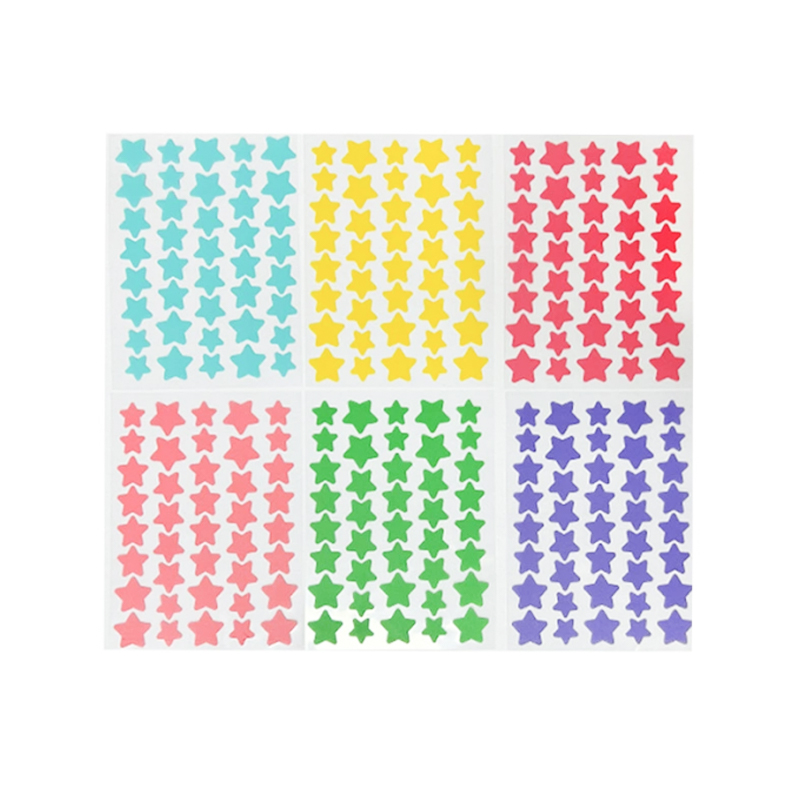
Absorbent, Moisturizing And Non-Irritating Hydrocolloid Acne Patch
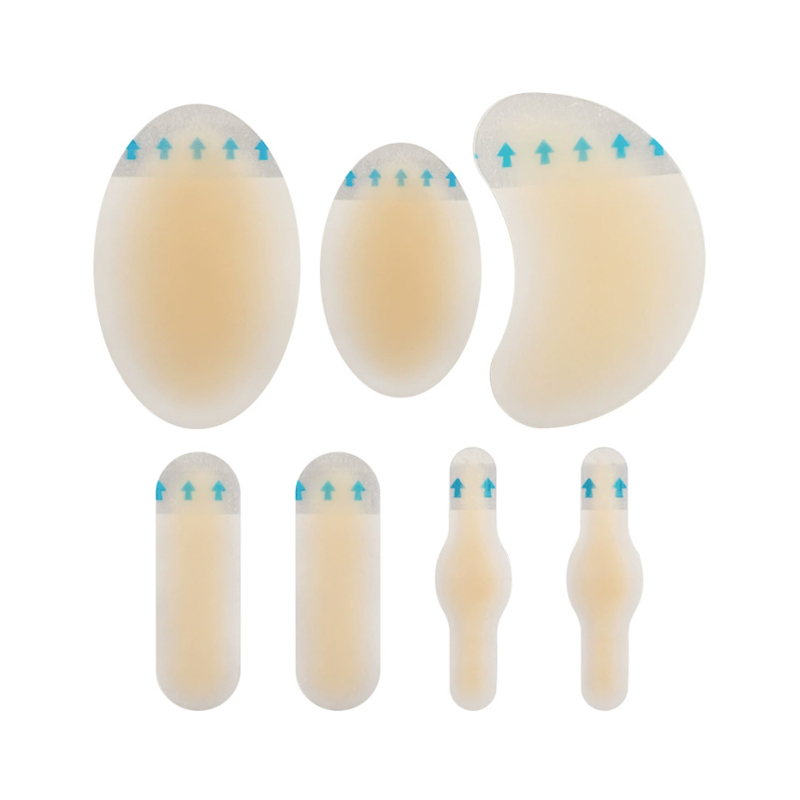
Cushioning, Pressure Reducing, Breathable And Comfortable Heel Patch
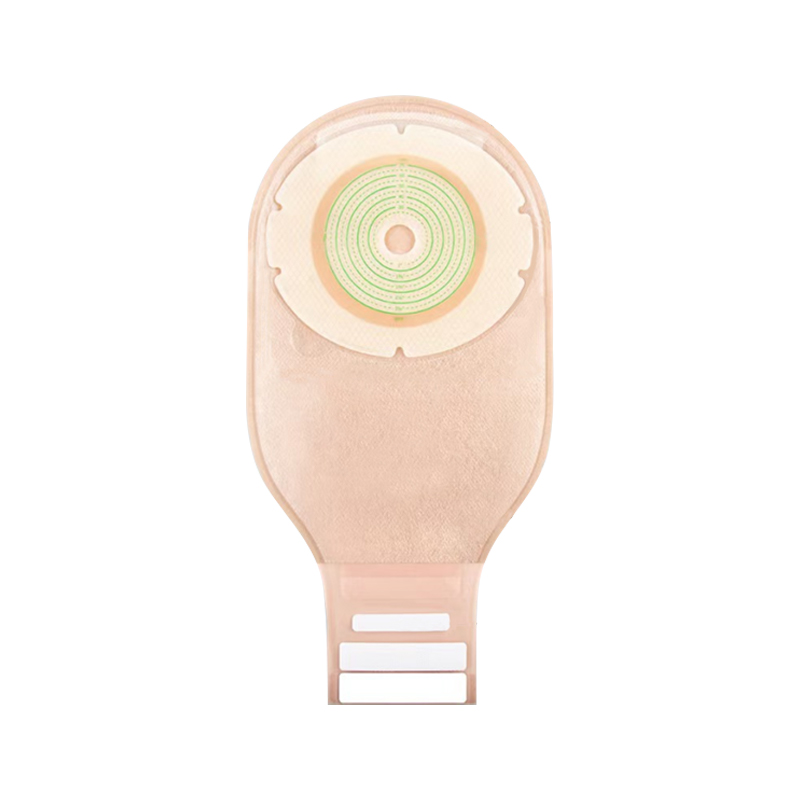
Soft Waterproof and Odor Control Ostomy Pouch
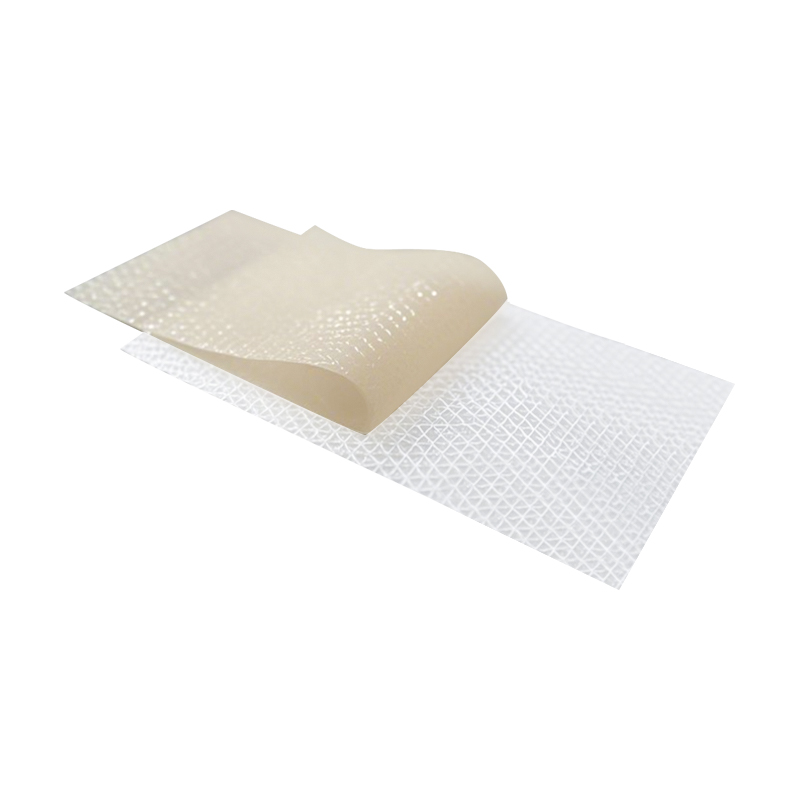
Widely Used Waterproof And Dustproof Silicone Scar Sheets
Hypoallergenic Breathable Waterproof Ear Patches
Strong Adhesive And Drug-Free Anti-Snoring Patch
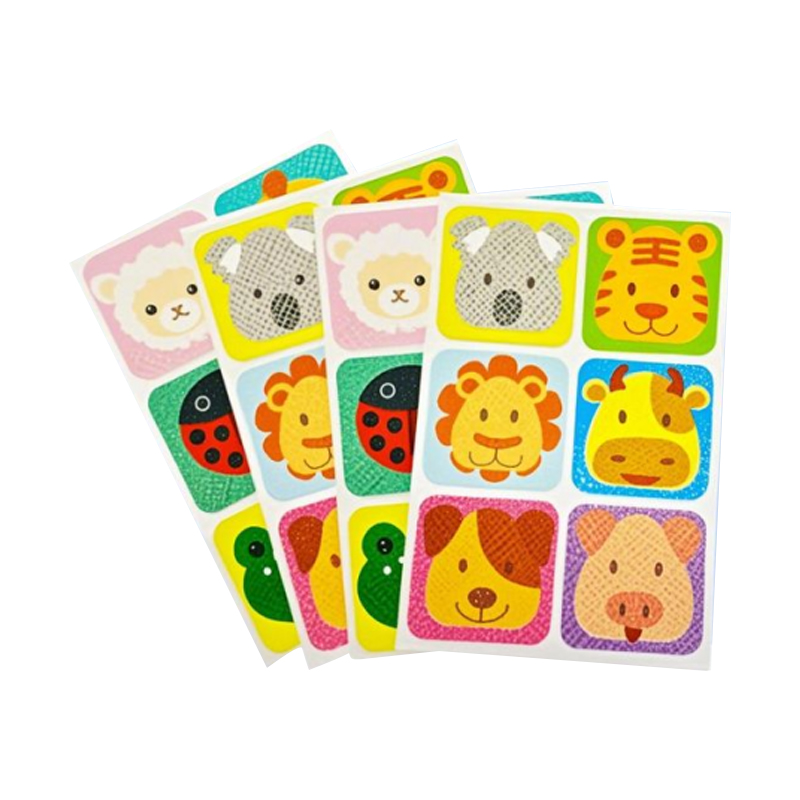
Long-Lasting Mosquito Repellent, Safe And Gentle Mosquito Repellent Stickers
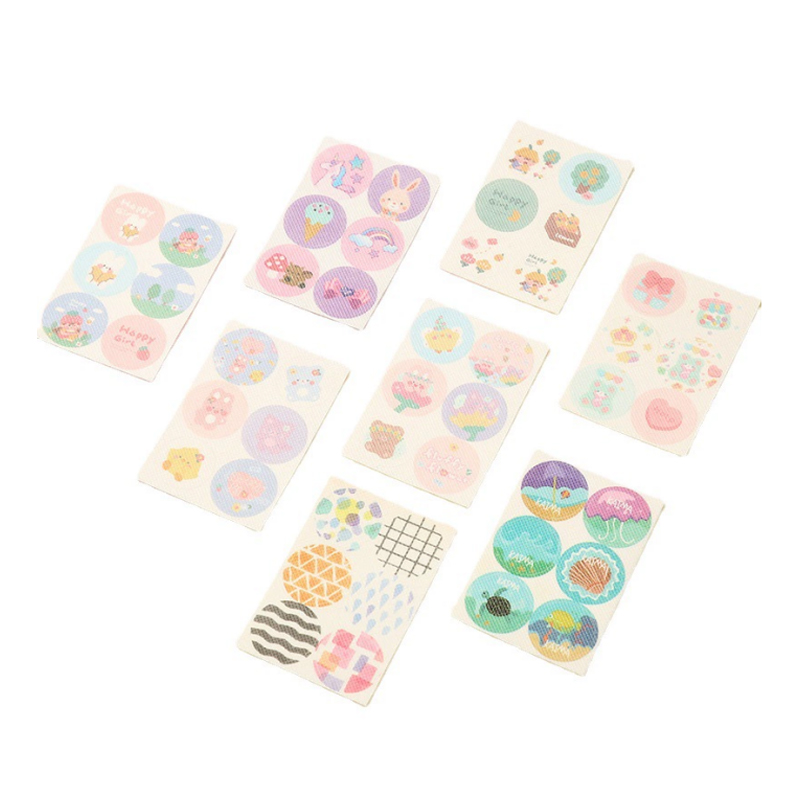
Soothing And Anti-Itching, Mild And Hypoallergenic Soothing Sticker
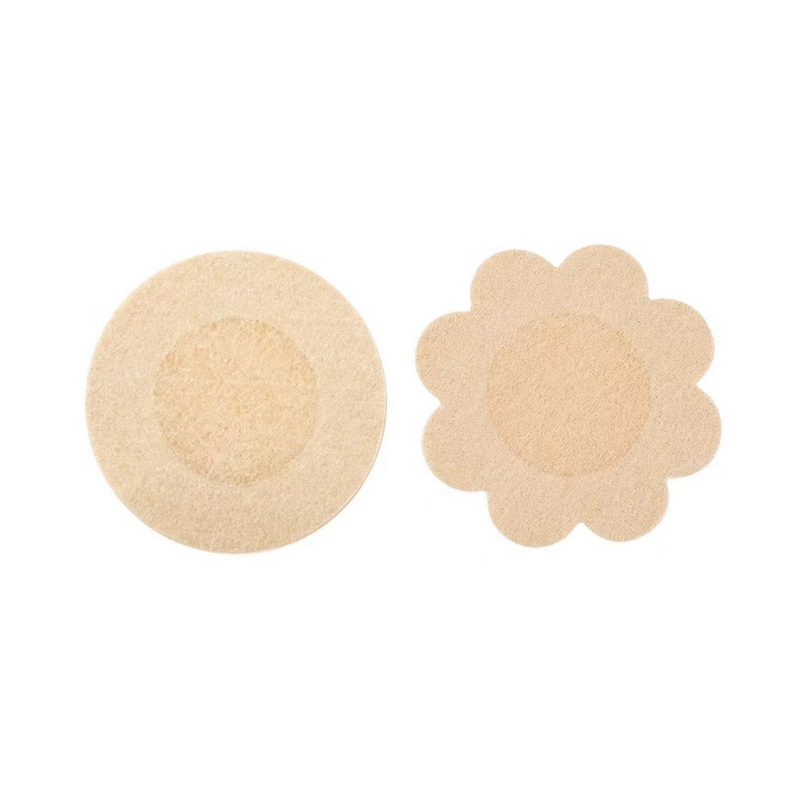
Invisible Non-Slip And Sweat-Proof Nipple Covers
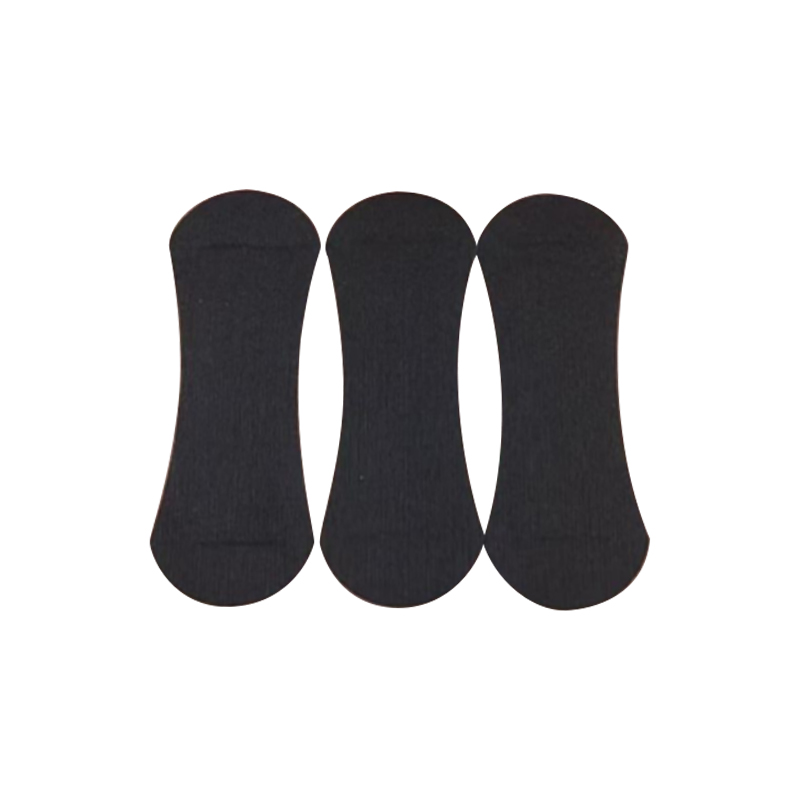
Portable Design And Reusable Ventilation Nose Strips
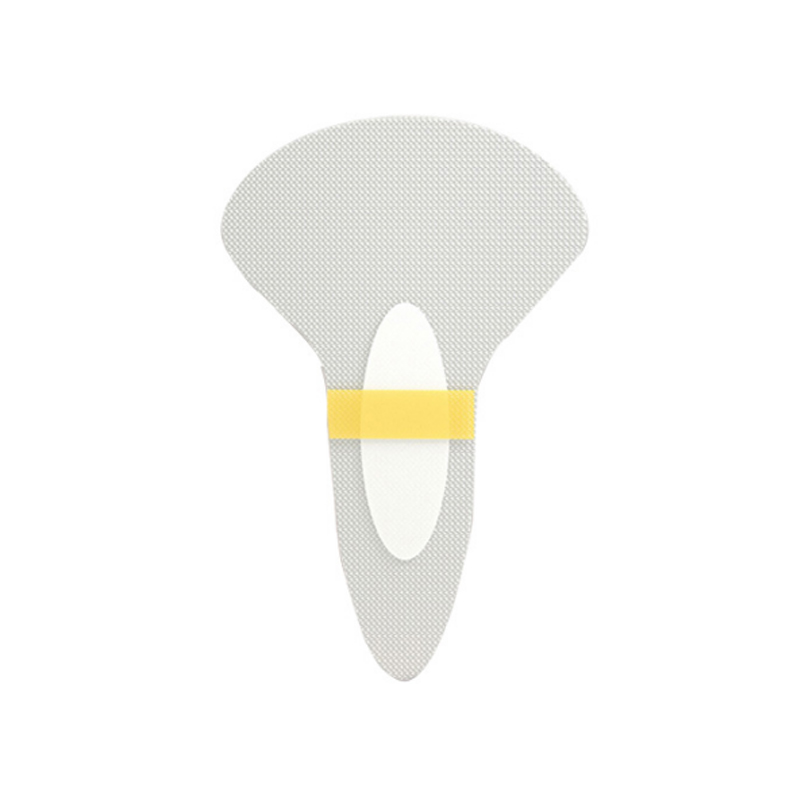
Breathable Comfort Fit Swimming Private Patches
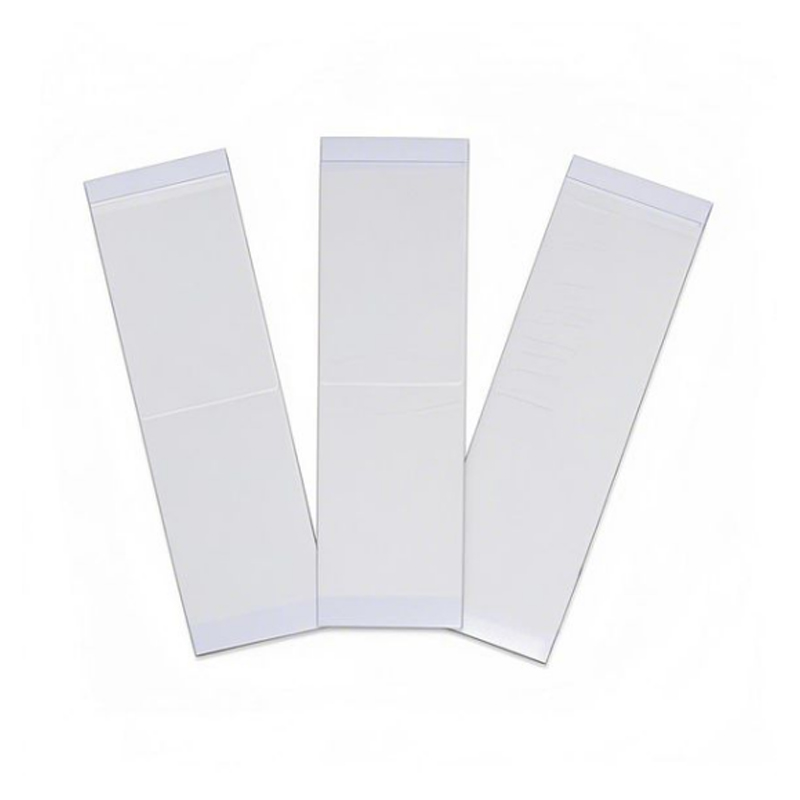
Strong Adhesion Waterproof And Sweatproof Anti-Exposure Stickers
Copyright © 2024 by Wuxi Xindi Medical Technology Co., Ltd. All Rights Reserved.
medical adhesive tapes manufacturers